Department of Material and Life Science, Graduate School of Engineering, Osaka University, 2-1 Yamadaoka, Suita, Osaka 565-0871, Japan.
Nat Commun. 2013;4:1787. doi: 10.1038/ncomms2756.
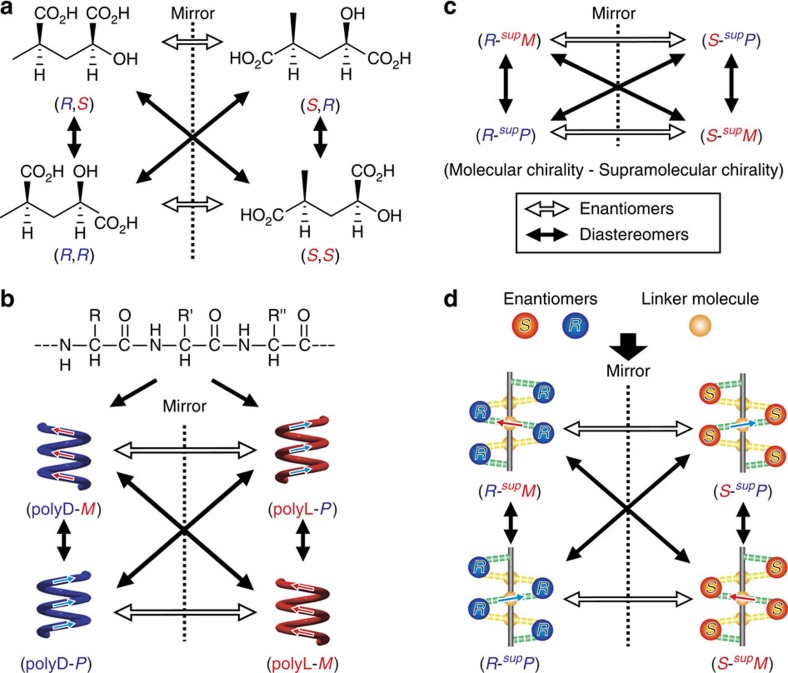
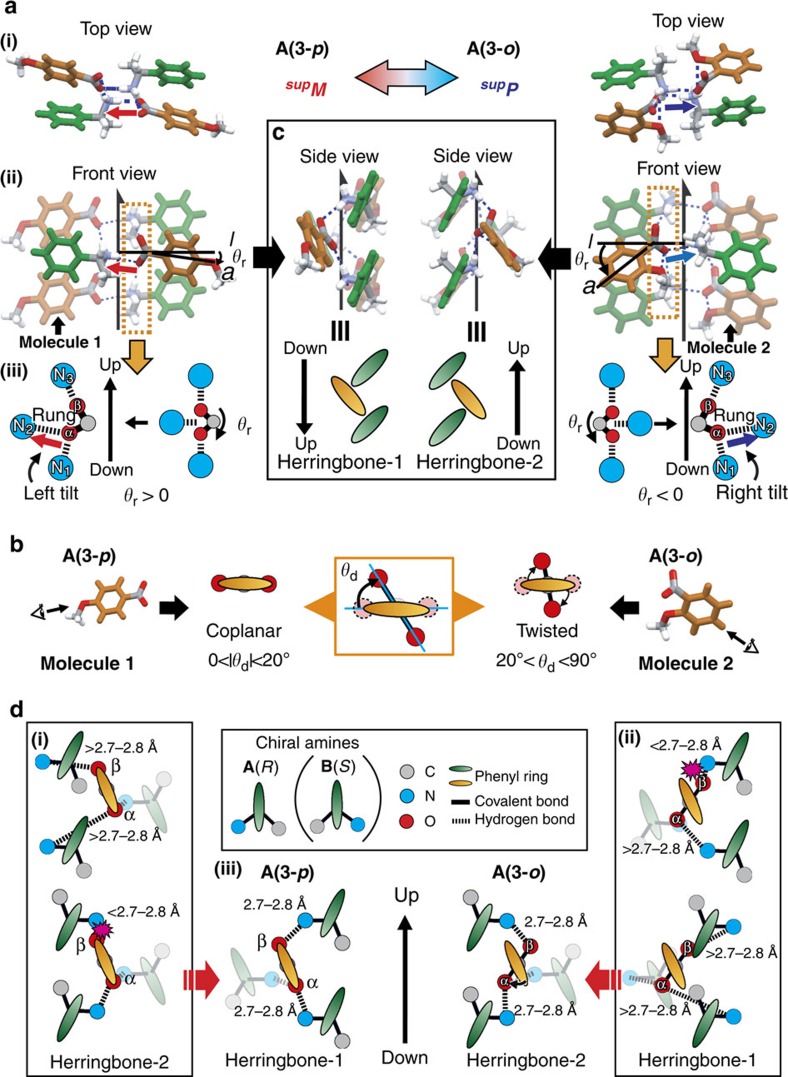
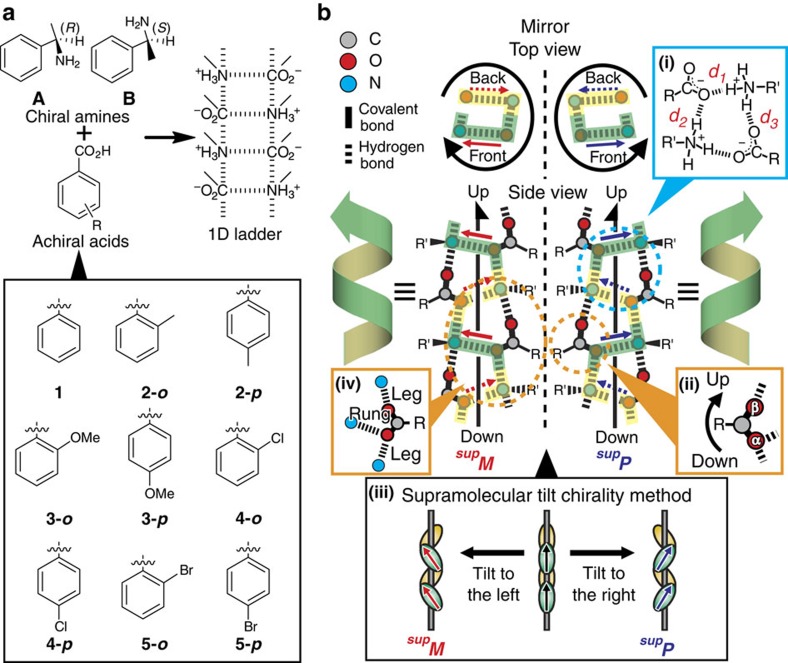
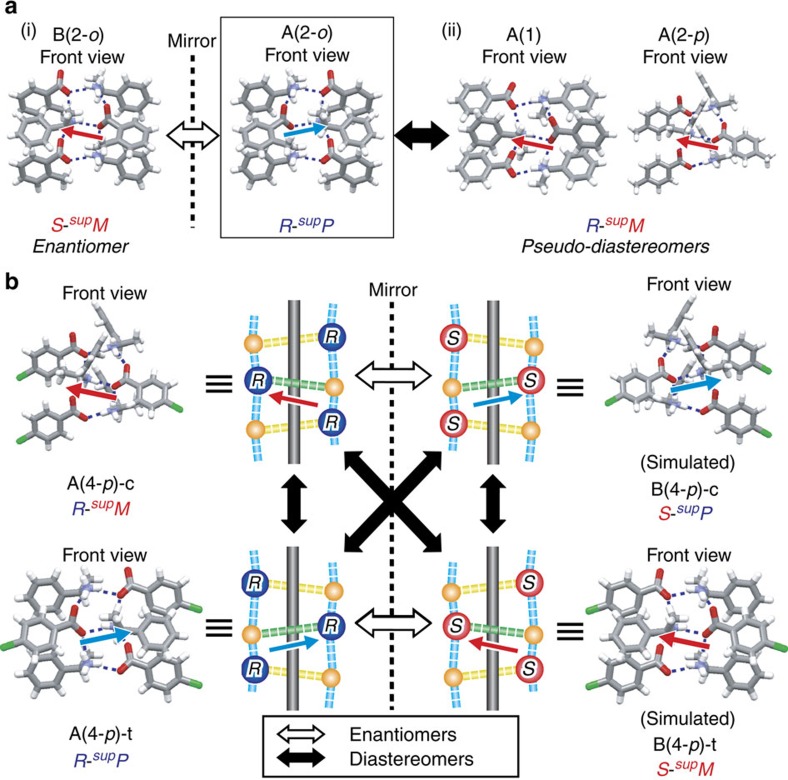
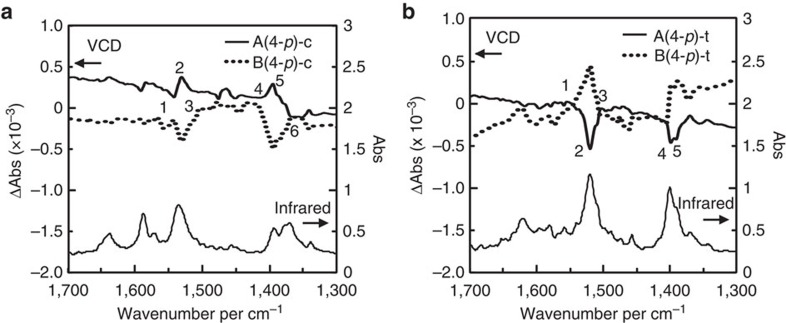
Chiral molecules preferentially form one-handed supramolecular assemblies that reflect the absolute configuration of the molecules. Under specific conditions, however, the opposite-handed supramolecular assemblies are also obtained because of flexibility in the bond length and reversibility of non-covalent interactions. The mechanism of the handedness selectivity or switching phenomenon remains ambiguous, and most phenomena are observed by chance. Here we demonstrate the construction of chiral hydrogen-bonded twofold helical assemblies with controlled handedness in the crystalline state based on crystallographic studies. Detailed investigation of the obtained crystal structures enabled us to clarify the mechanism, and the handedness of the supramolecular chirality was successfully controlled by exploiting achiral factors. This study clearly reveals a connection between molecular chirality and supramolecular chirality in the crystalline state.
手性分子优先形成反映分子绝对构型的单手超分子组装体。然而,在特定条件下,由于键长的灵活性和非共价相互作用的可逆性,也会得到相反手性的超分子组装体。手性选择性或切换现象的机制仍然不清楚,而且大多数现象都是偶然观察到的。在这里,我们通过晶体学研究证明了在晶态下基于氢键的手性二倍螺旋组装体的可控手性的构建。对所得到的晶体结构的详细研究使我们能够阐明其机制,并且通过利用非手性因素成功地控制了超分子手性的手性。这项研究清楚地揭示了晶体状态下分子手性和超分子手性之间的联系。