Vaccine and Infectious Disease Research Center, Translational Health Science and Technology Institute, Gurgaon, India.
Sci Rep. 2013;3:1813. doi: 10.1038/srep01813.
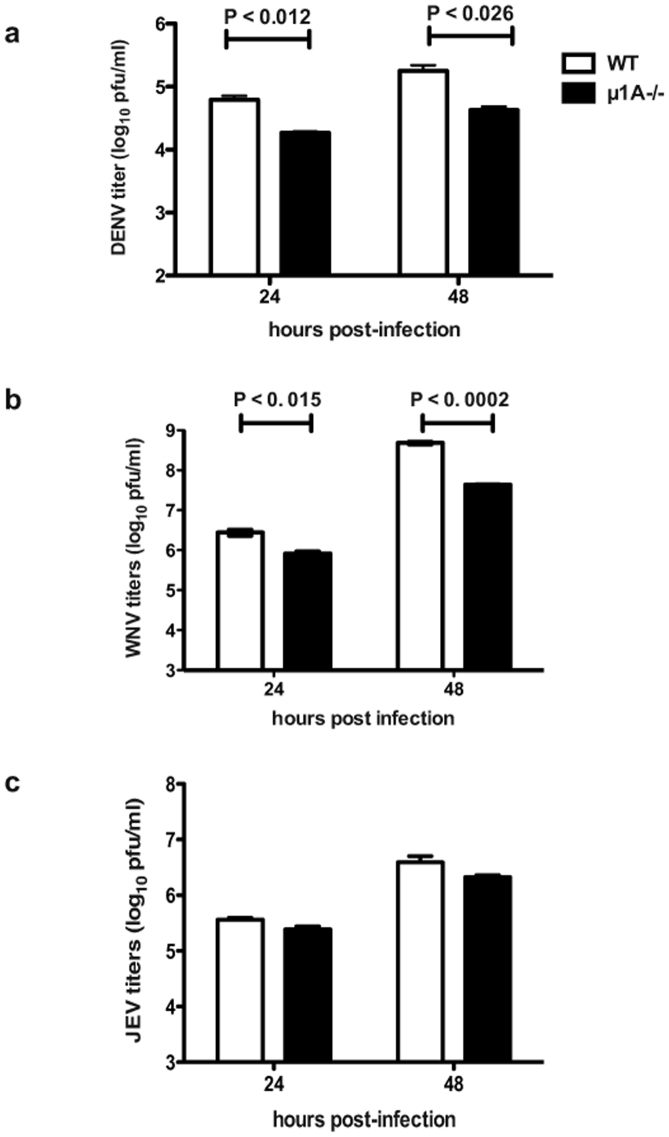
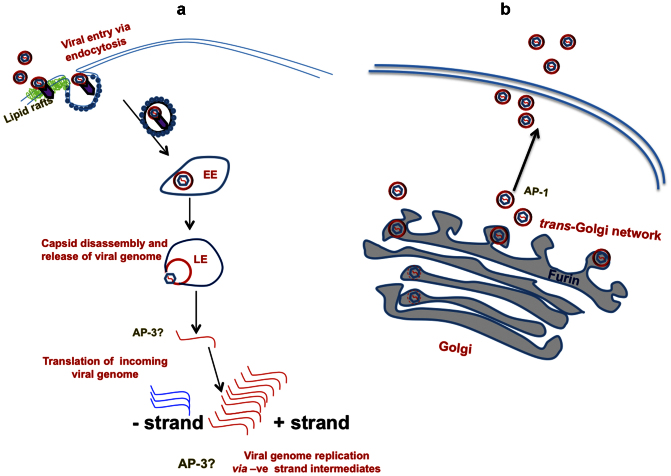
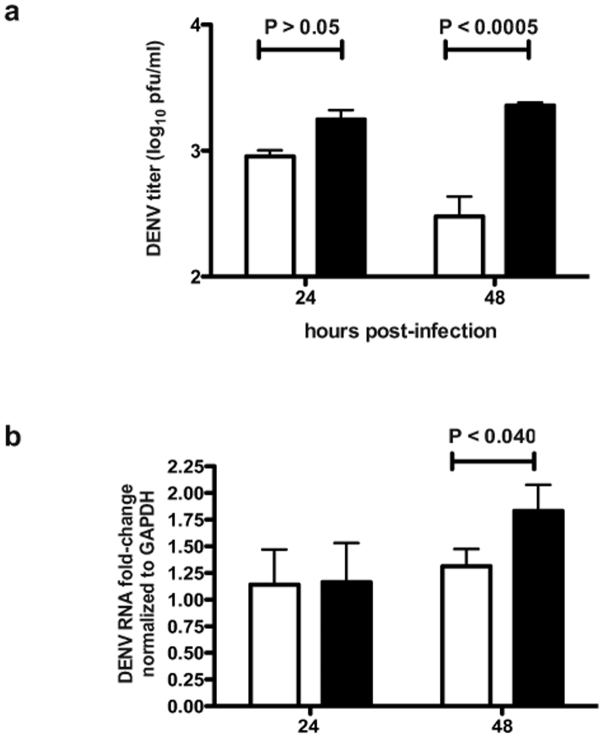
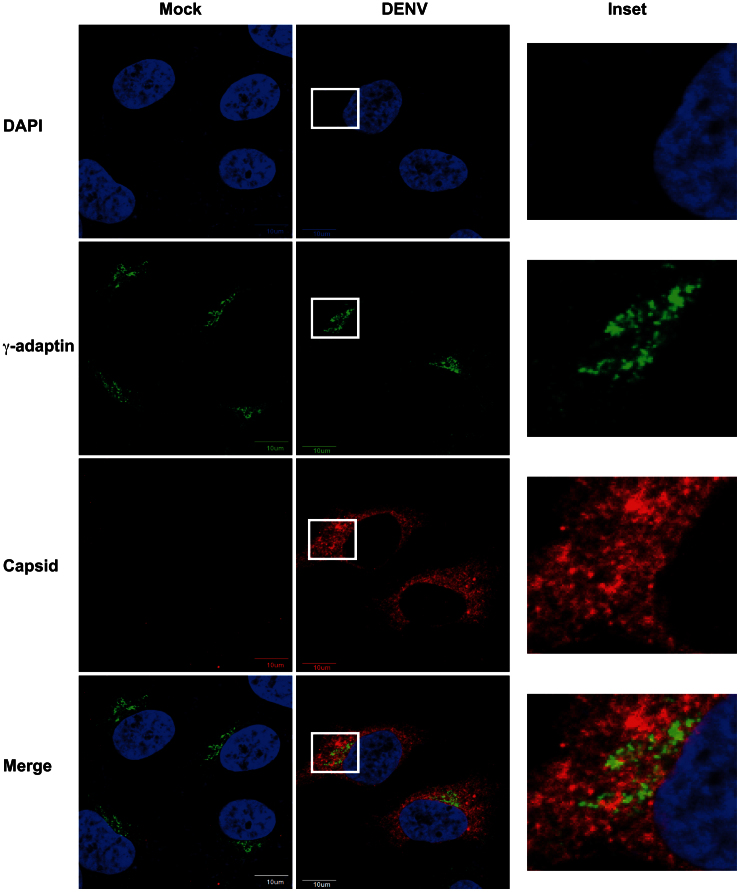
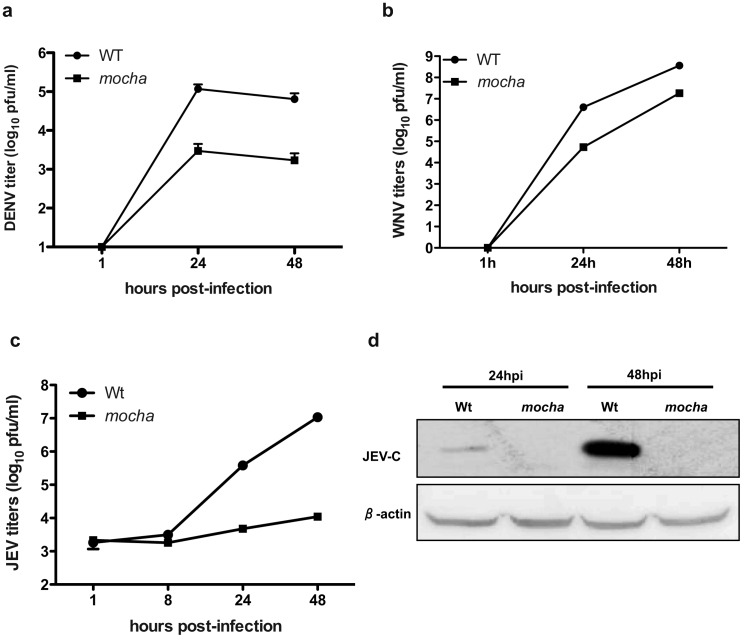
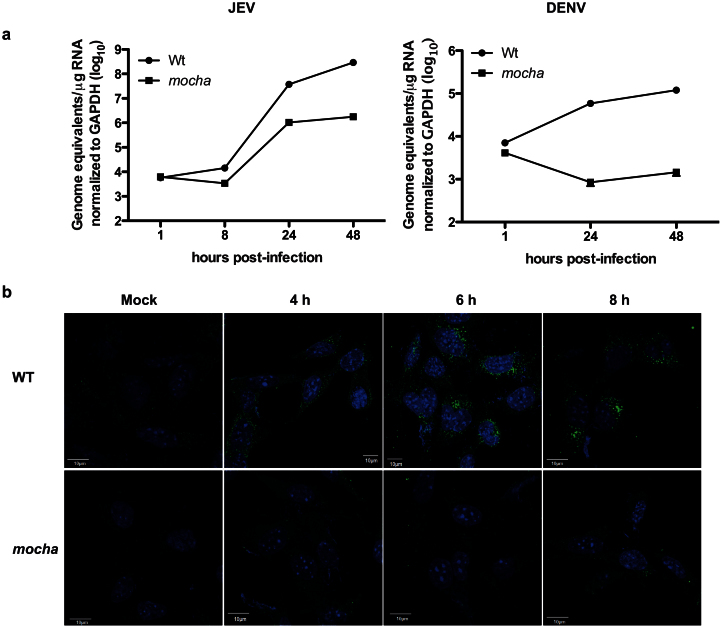
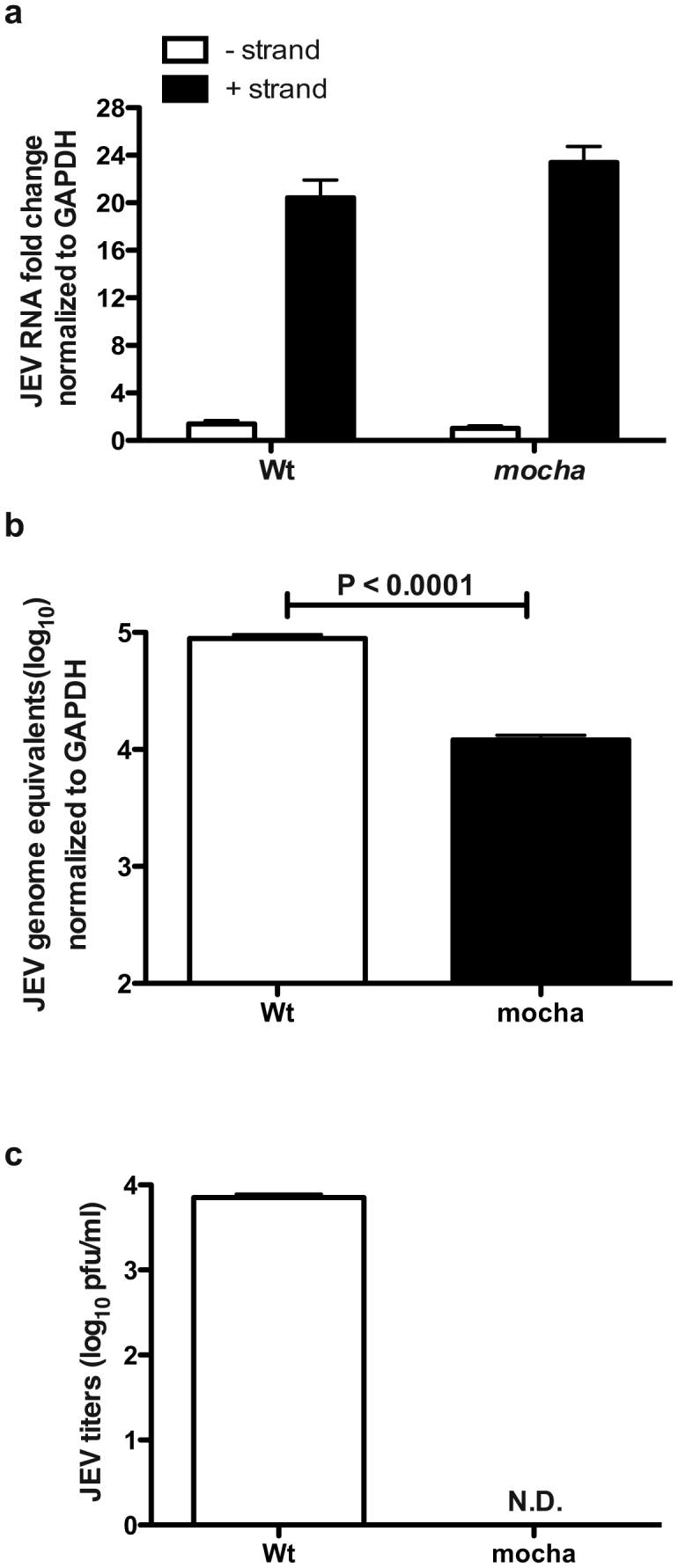
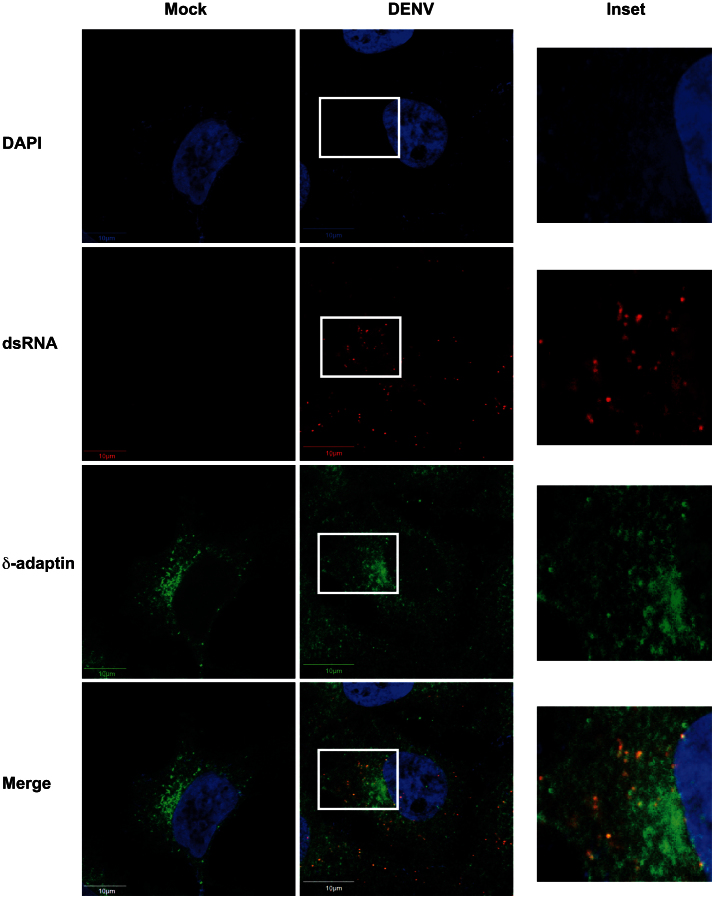
Intracellular protein trafficking pathways are hijacked by viruses at various stages of viral life-cycle. Heterotetrameric adaptor protein complexes (APs) mediate vesicular trafficking at distinct intracellular sites and are essential for maintaining the organellar homeostasis. In the present study, we studied the effect of AP-1 and AP-3 deficiency on flavivirus infection in cells functionally lacking these proteins. We show that AP-1 and AP-3 participate in flavivirus life-cycle at distinct stages. AP-3-deficient cells showed delay in initiation of Japanese encephalitis virus and dengue virus RNA replication, which resulted in reduction of infectious virus production. AP-3 was found to colocalize with RNA replication compartments in infected wild-type cells. AP-1 deficiency affected later stages of dengue virus infection where increased intracellular accumulation of infectious virus was observed. Therefore, our results propose a novel role for AP-1 and AP-3 at distinct stages of infection of some of the RNA viruses.
细胞内蛋白质运输途径在病毒生命周期的各个阶段被病毒劫持。异源四聚体衔接蛋白复合物 (APs) 在不同的细胞内位点介导囊泡运输,对于维持细胞器的稳态是必不可少的。在本研究中,我们研究了 AP-1 和 AP-3 缺陷对这些蛋白功能缺失的细胞中黄病毒感染的影响。我们表明,AP-1 和 AP-3 在黄病毒生命周期的不同阶段参与。AP-3 缺陷细胞中日本脑炎病毒和登革热病毒 RNA 复制的起始延迟,导致感染性病毒产量减少。发现在感染野生型细胞中,AP-3 与 RNA 复制隔室共定位。AP-1 缺陷影响登革热病毒感染的后期阶段,观察到感染性病毒在细胞内的积累增加。因此,我们的结果提出了 AP-1 和 AP-3 在一些 RNA 病毒感染的不同阶段的新作用。