Department of Pediatrics, Stanford University, Stanford, CA 94305, USA.
J Exp Med. 2013 Jun 3;210(6):1087-97. doi: 10.1084/jem.20121716. Epub 2013 May 13.
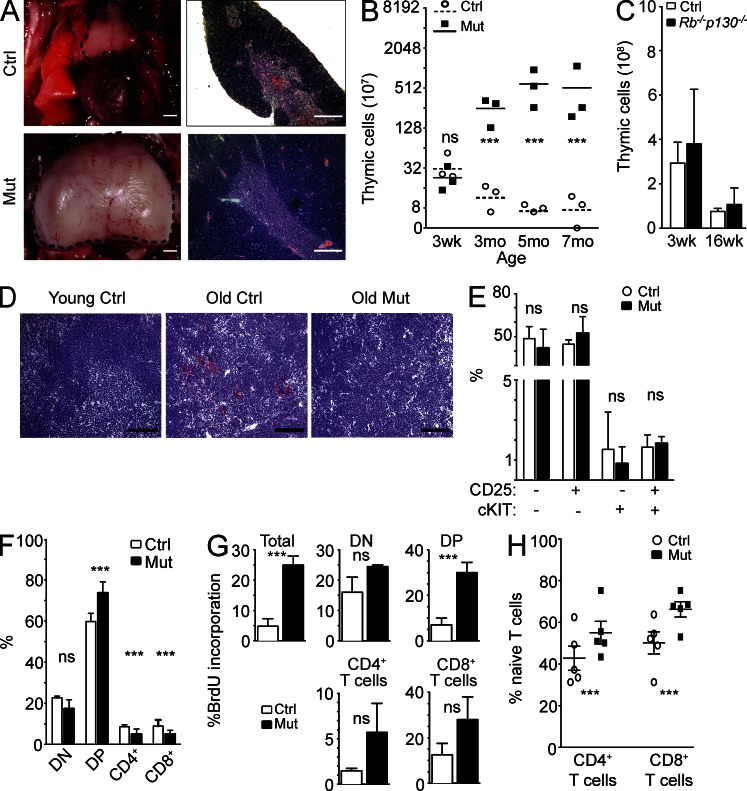
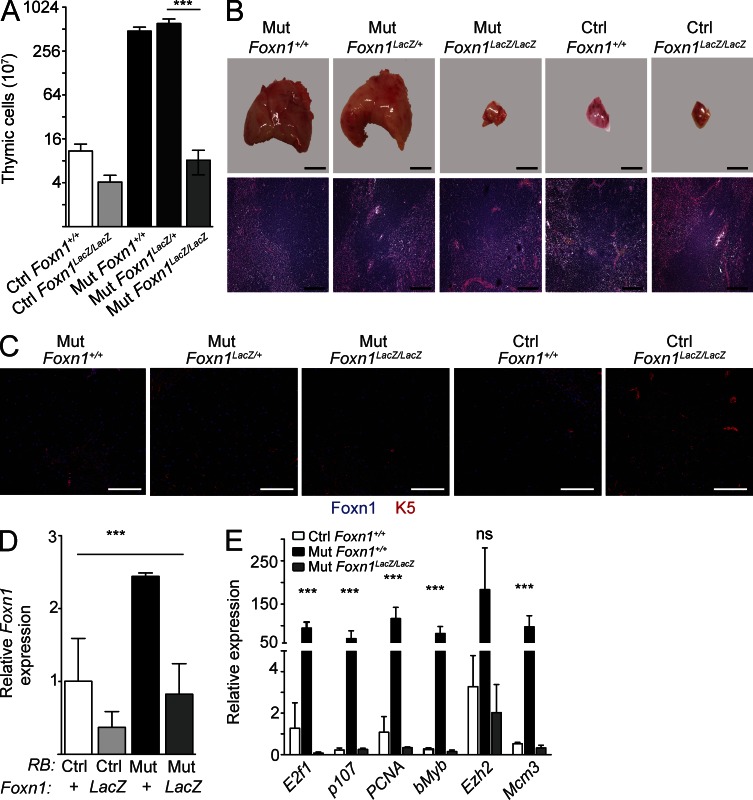
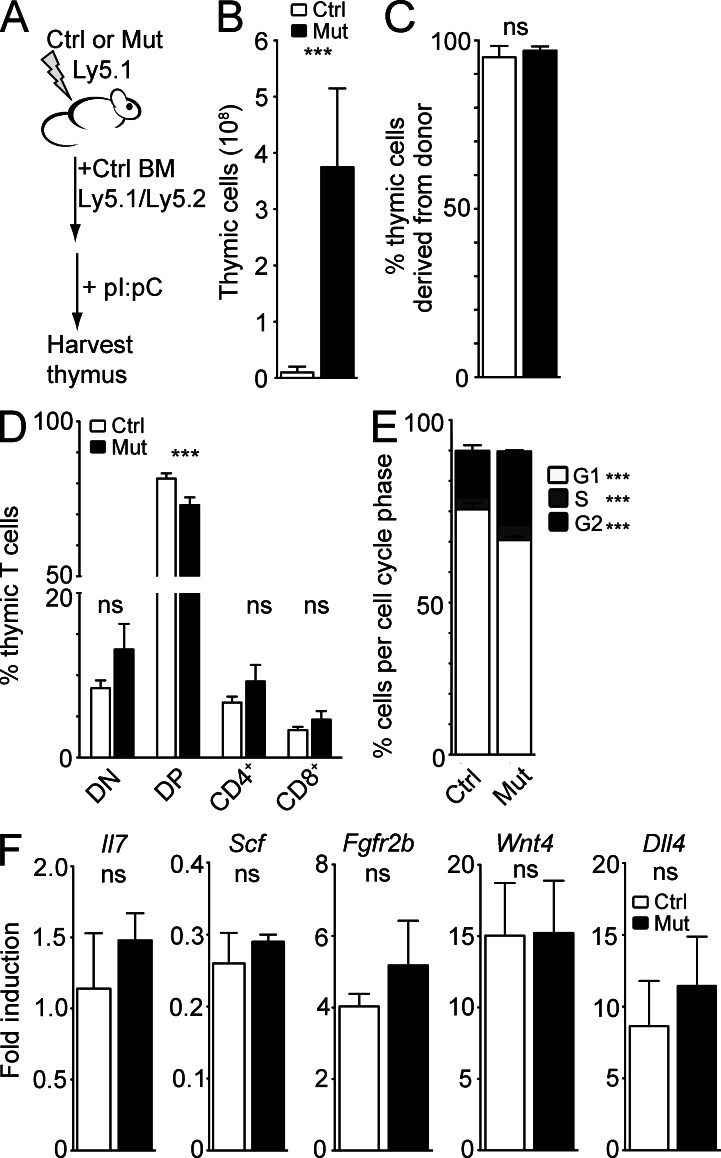
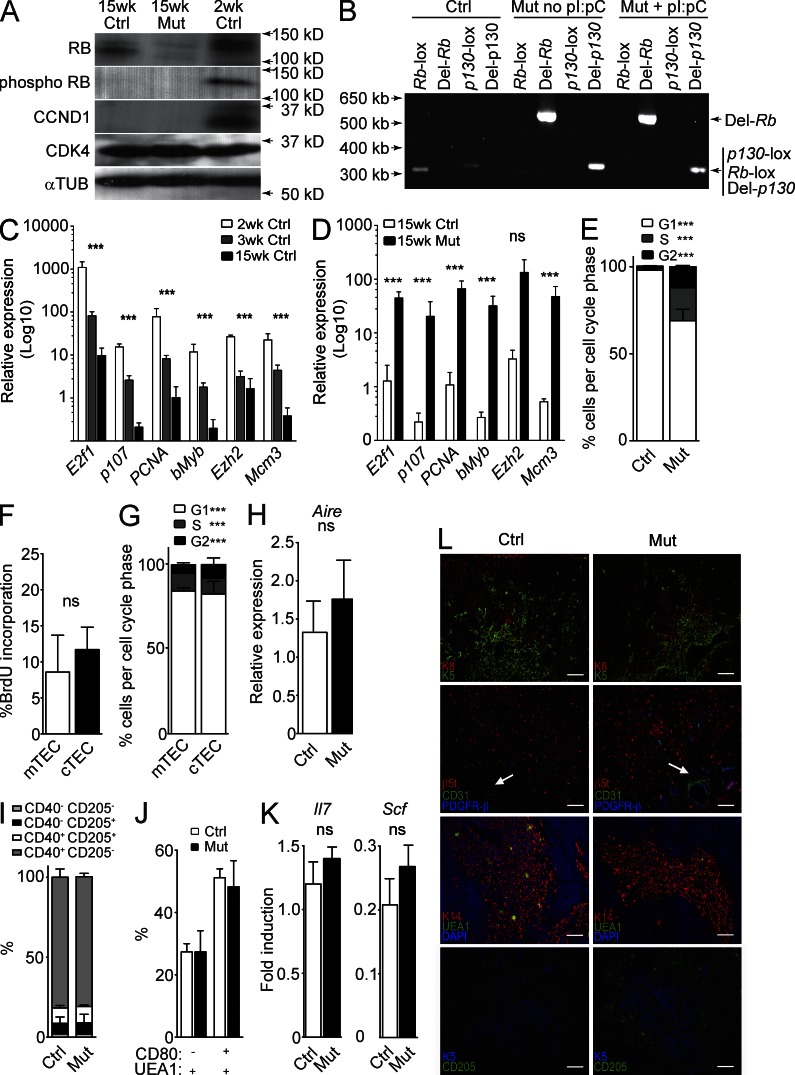
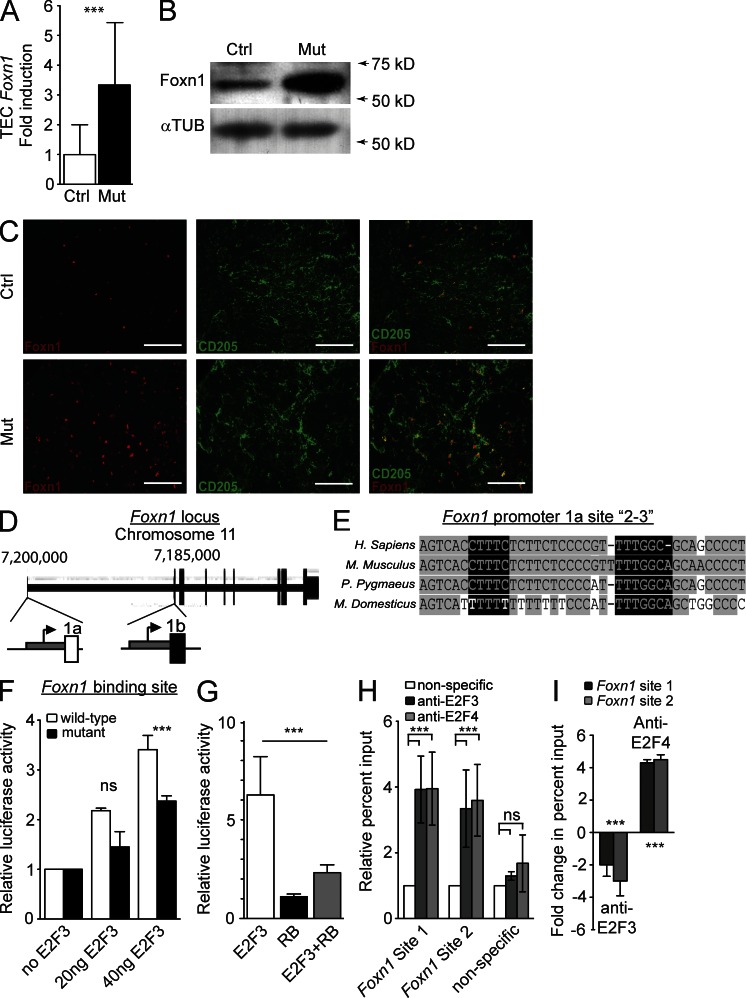
Thymic involution during aging is a major cause of decreased production of T cells and reduced immunity. Here we show that inactivation of Rb family genes in young mice prevents thymic involution and results in an enlarged thymus competent for increased production of naive T cells. This phenotype originates from the expansion of functional thymic epithelial cells (TECs). In RB family mutant TECs, increased activity of E2F transcription factors drives increased expression of Foxn1, a central regulator of the thymic epithelium. Increased Foxn1 expression is required for the thymic expansion observed in Rb family mutant mice. Thus, the RB family promotes thymic involution and controls T cell production via a bone marrow-independent mechanism, identifying a novel pathway to target to increase thymic function in patients.
衰老过程中的胸腺萎缩是 T 细胞生成减少和免疫功能下降的主要原因。在这里,我们发现年轻小鼠中 Rb 家族基因的失活可防止胸腺萎缩,并导致胸腺增大,从而增加初始 T 细胞的生成。这种表型源自功能性胸腺上皮细胞 (TEC) 的扩张。在 RB 家族突变的 TEC 中,E2F 转录因子活性的增加驱动 Foxn1 的表达增加,Foxn1 是胸腺上皮的核心调节因子。在 RB 家族突变小鼠中观察到的胸腺扩张需要增加的 Foxn1 表达。因此,RB 家族通过一种独立于骨髓的机制促进胸腺萎缩并控制 T 细胞生成,确定了一种新的途径,可用于增加患者的胸腺功能。