Centre for Human Development, Stem Cells and Regeneration, Faculty of Medicine, University of Southampton, Southampton, United Kingdom.
PLoS One. 2013 May 6;8(5):e62507. doi: 10.1371/journal.pone.0062507. Print 2013.
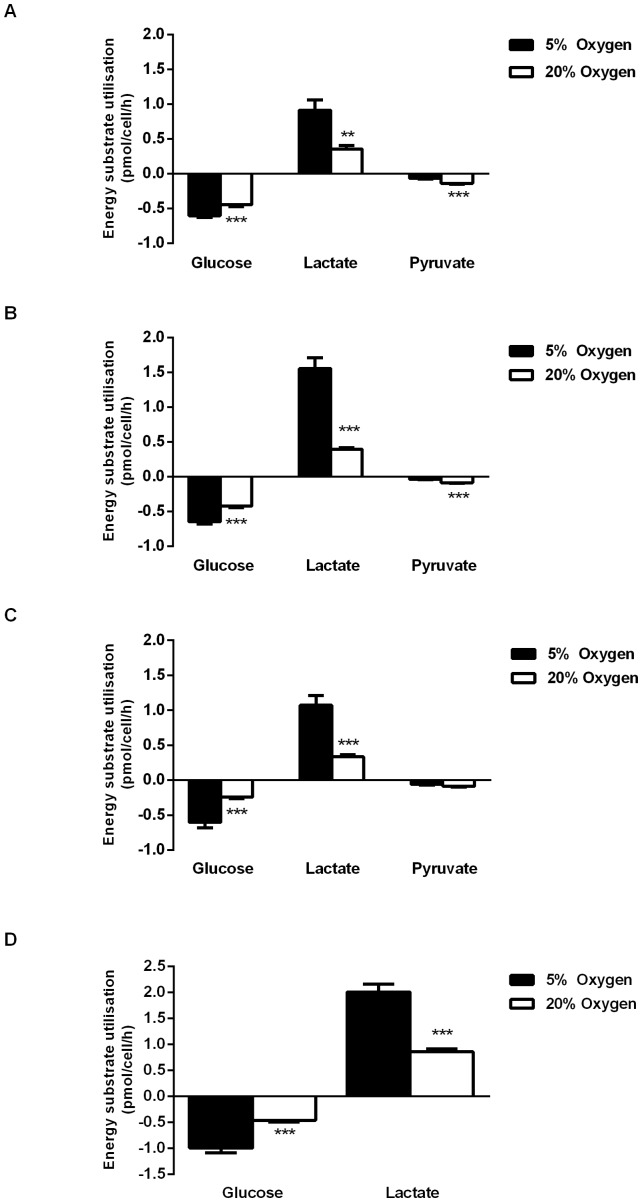
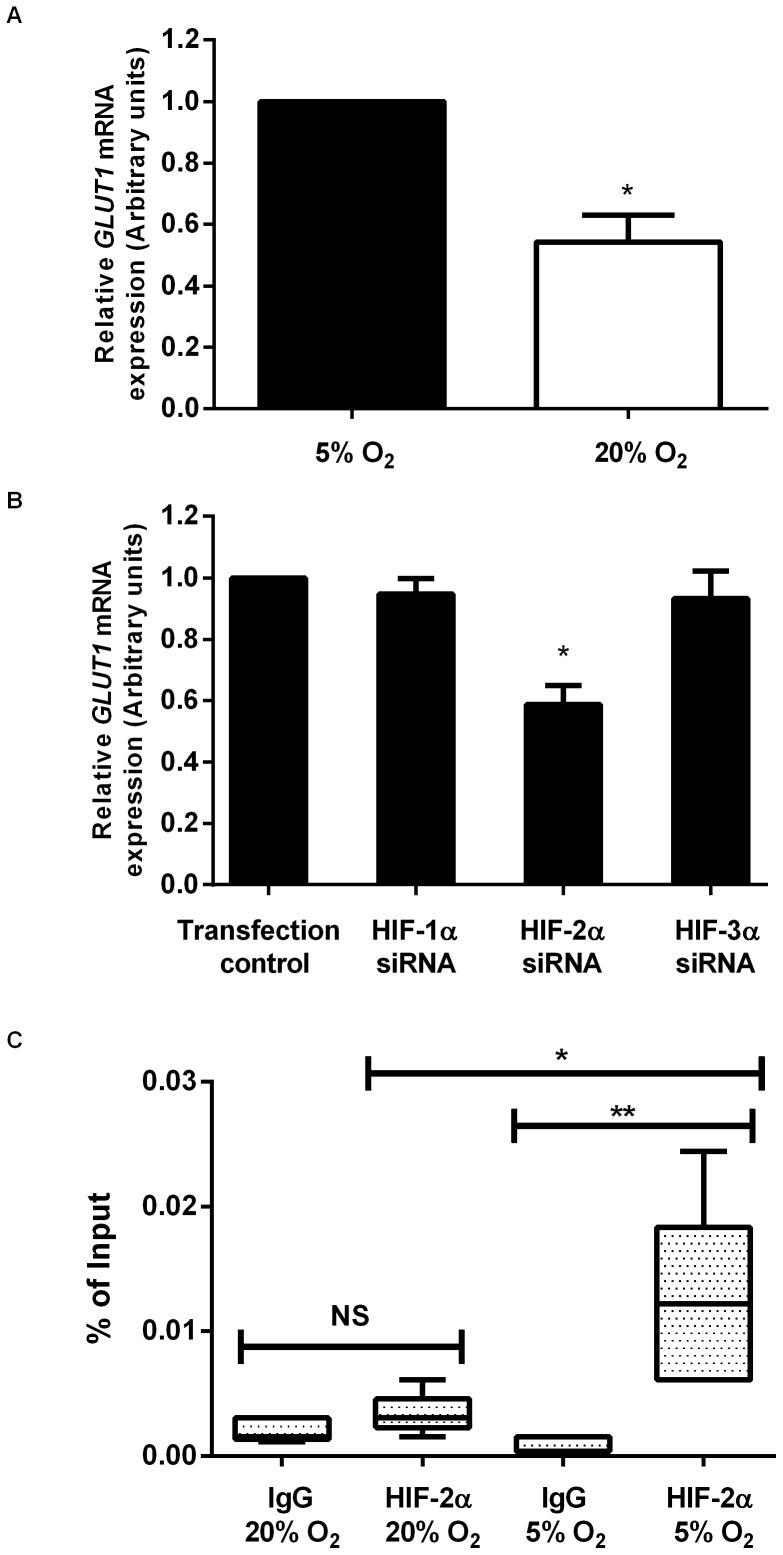
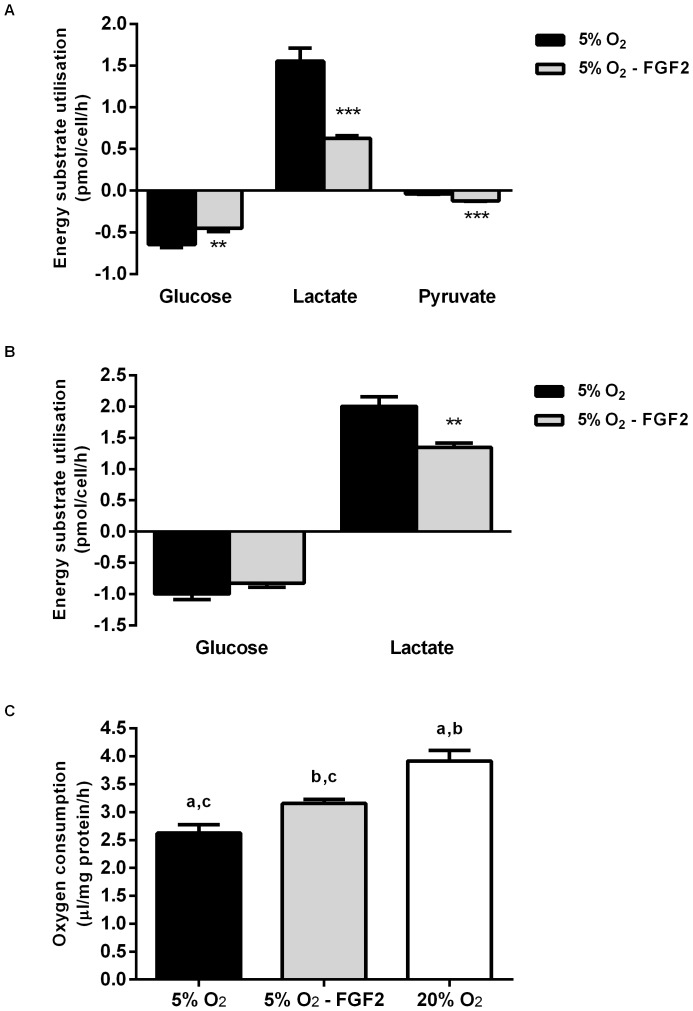
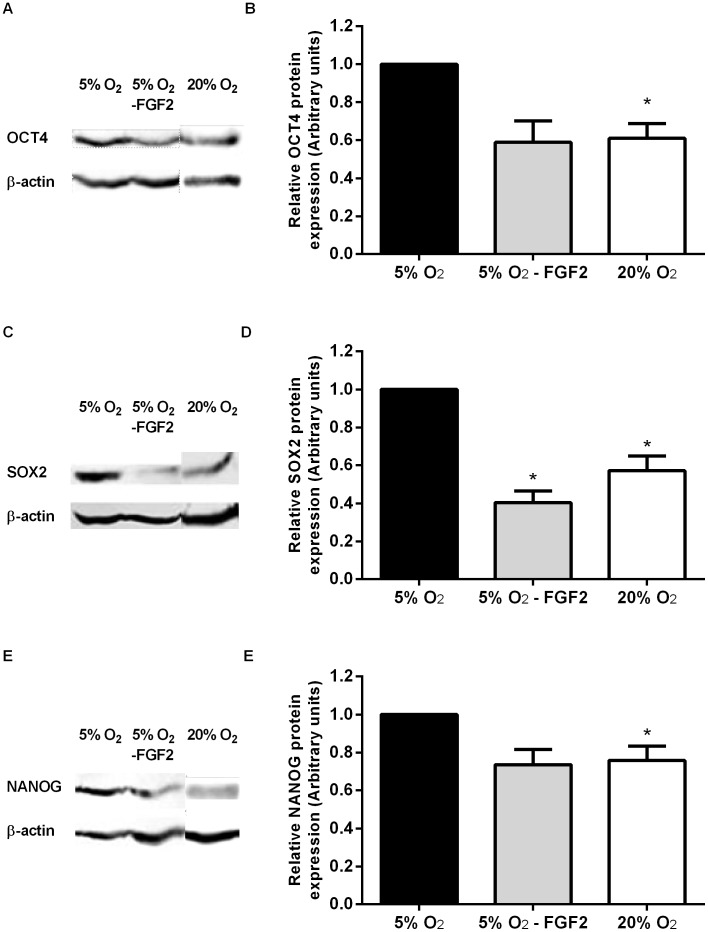
Energy metabolism is intrinsic to cell viability but surprisingly has been little studied in human embryonic stem cells (hESCs). The current study aims to investigate the effect of environmental O2 tension on carbohydrate utilisation of hESCs. Highly pluripotent hESCs cultured at 5% O2 consumed significantly more glucose, less pyruvate and produced more lactate compared to those maintained at 20% O2. Moreover, hESCs cultured at atmospheric O2 levels expressed significantly less OCT4, SOX2 and NANOG than those maintained at 5% O2. To determine whether this difference in metabolism was a reflection of the pluripotent state, hESCs were cultured at 5% O2 in the absence of FGF2 for 16 hours leading to a significant reduction in the expression of SOX2. In addition, these cells consumed less glucose and produced significantly less lactate compared to those cultured in the presence of FGF2. hESCs maintained at 5% O2 were found to consume significantly less O2 than those cultured in the absence of FGF2, or at 20% O2. GLUT1 expression correlated with glucose consumption and using siRNA and chromatin immunoprecipitation was found to be directly regulated by hypoxia inducible factor (HIF)-2α at 5% O2. In conclusion, highly pluripotent cells associated with hypoxic culture consume low levels of O2, high levels of glucose and produce large amounts of lactate, while at atmospheric conditions glucose consumption and lactate production are reduced and there is an increase in oxidative metabolism. These data suggest that environmental O2 regulates energy metabolism and is intrinsic to the self-renewal of hESCs.
能量代谢是细胞活力的固有特性,但出人意料的是,人类胚胎干细胞(hESC)中的能量代谢研究甚少。本研究旨在探讨环境氧张力对 hESC 碳水化合物利用的影响。与在 20%氧浓度下培养的细胞相比,在 5%氧浓度下培养的高多能性 hESC 消耗更多的葡萄糖,产生更少的丙酮酸,产生更多的乳酸。此外,在大气氧水平下培养的 hESC 表达的 OCT4、SOX2 和 NANOG 明显少于在 5%氧浓度下培养的细胞。为了确定这种代谢差异是否反映了多能状态,将 hESC 在 5%氧浓度下无 FGF2 培养 16 小时,导致 SOX2 的表达显著降低。此外,与在 FGF2 存在的情况下培养的细胞相比,这些细胞消耗的葡萄糖更少,产生的乳酸也明显更少。研究发现,与无 FGF2 培养或在 20%氧浓度下培养的细胞相比,在 5%氧浓度下培养的 hESC 消耗的 O2 明显减少。GLUT1 的表达与葡萄糖消耗相关,使用 siRNA 和染色质免疫沉淀法发现,在 5%氧浓度下,它直接受缺氧诱导因子(HIF)-2α调节。总之,与低氧培养相关的高多能细胞消耗低水平的 O2、高水平的葡萄糖并产生大量的乳酸,而在大气条件下,葡萄糖消耗和乳酸产生减少,氧化代谢增加。这些数据表明,环境氧调节能量代谢,是 hESC 自我更新的固有特性。