Institute for Cellular and Molecular Biology, University of Texas at Austin, Austin, Texas 78712, USA.
RNA. 2013 Jul;19(7):958-70. doi: 10.1261/rna.039743.113. Epub 2013 May 22.
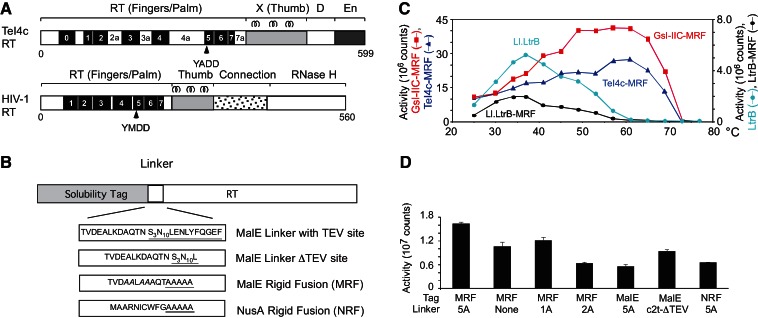
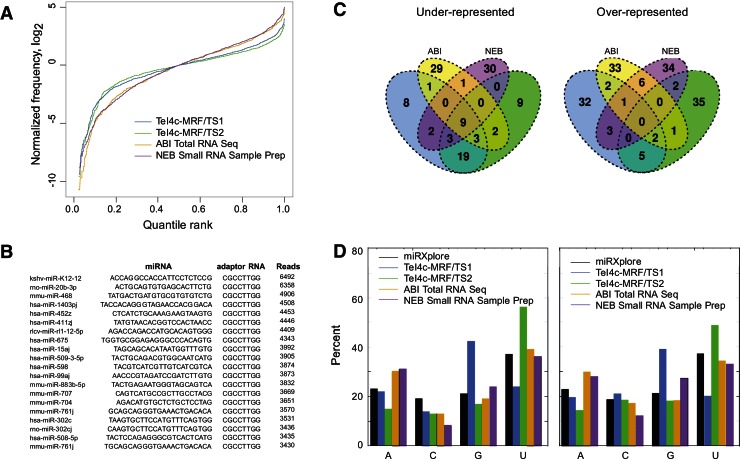
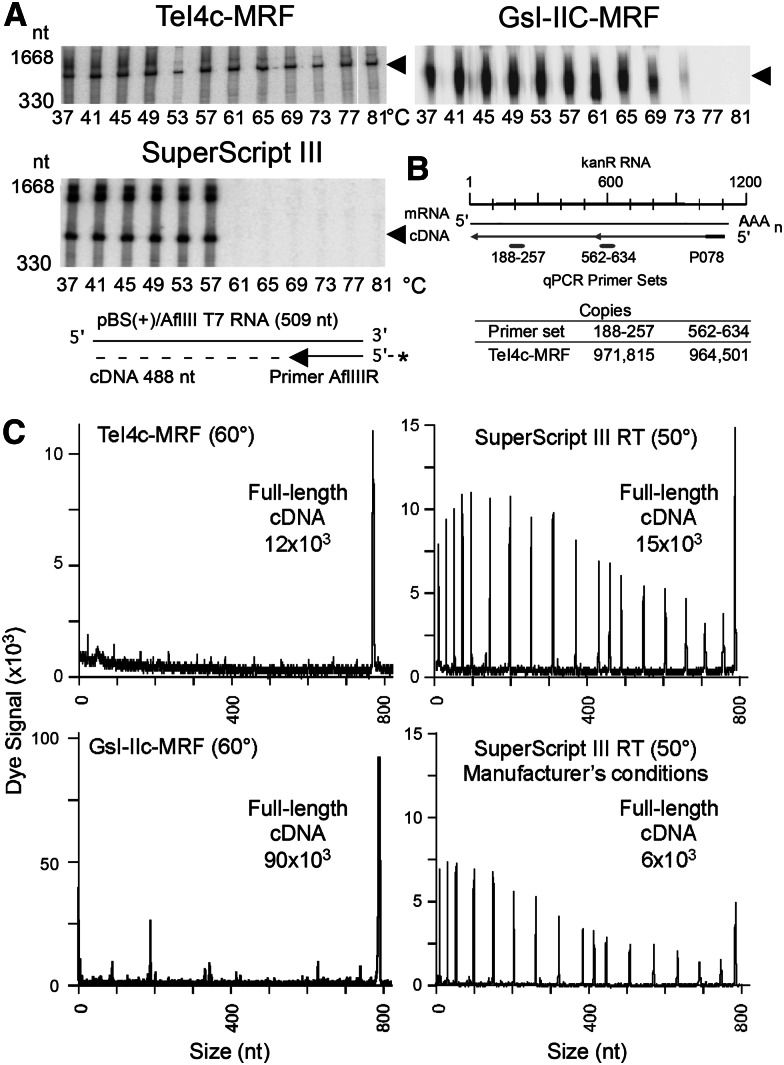
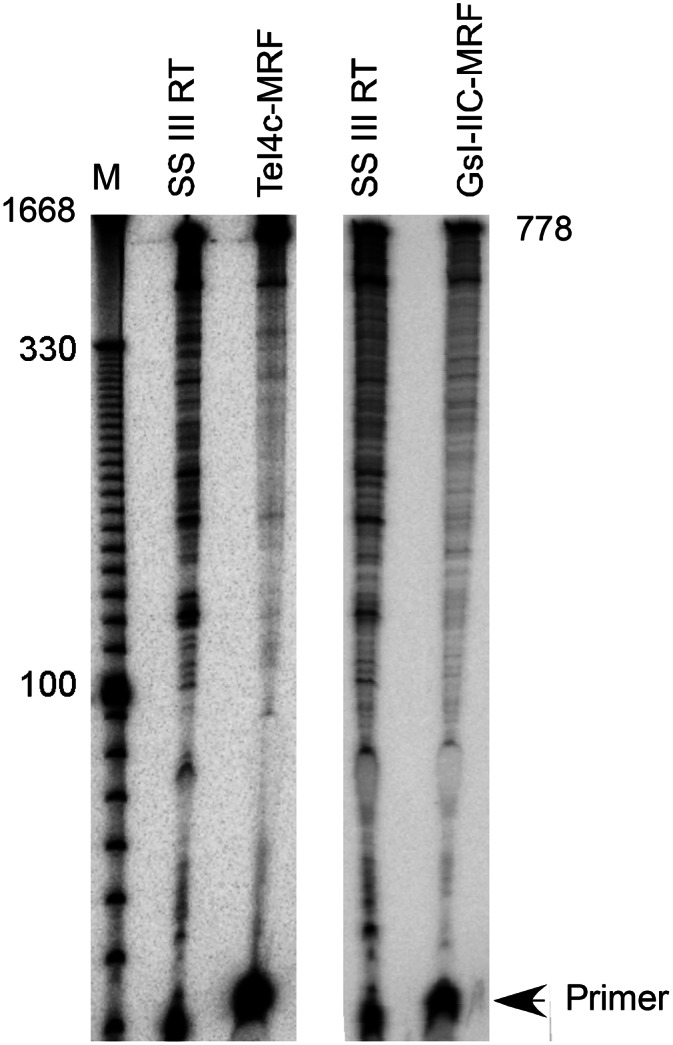
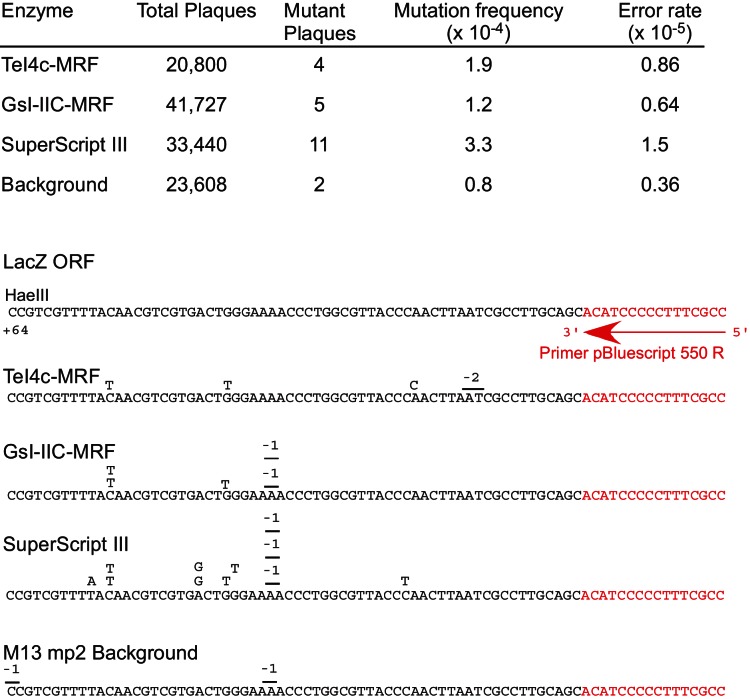
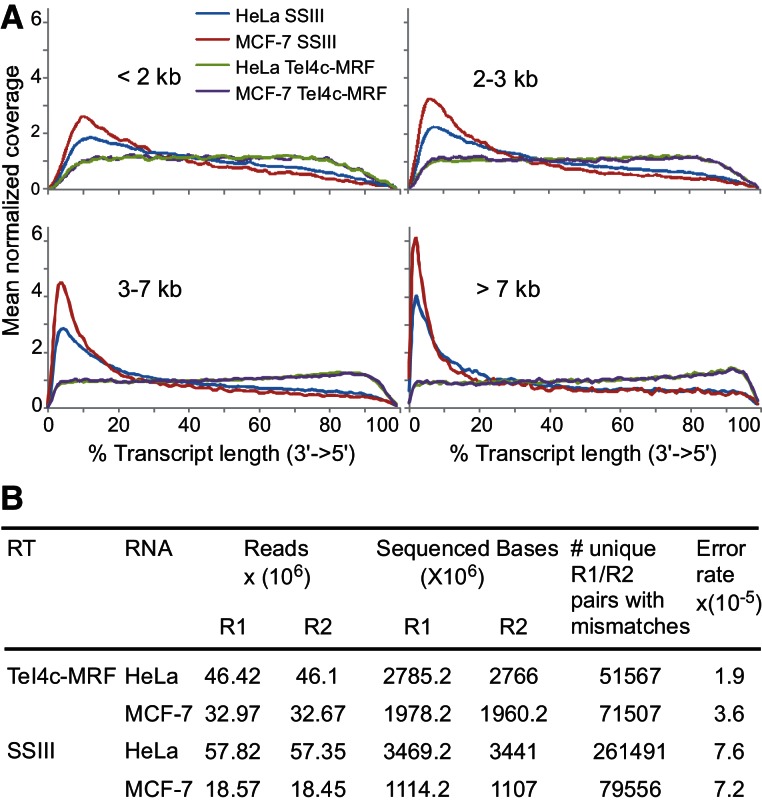
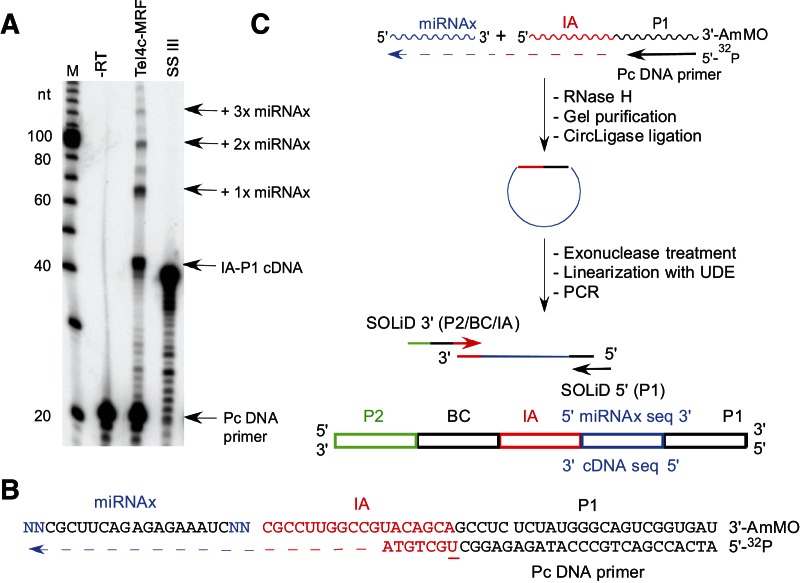
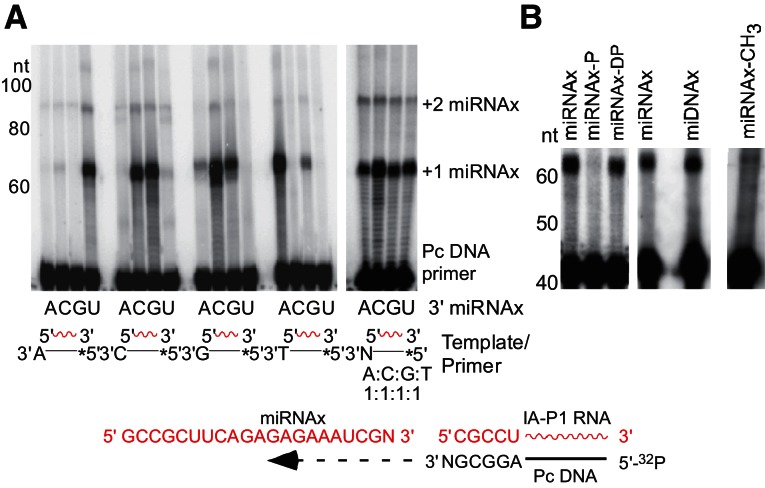
Mobile group II introns encode reverse transcriptases (RTs) that function in intron mobility ("retrohoming") by a process that requires reverse transcription of a highly structured, 2-2.5-kb intron RNA with high processivity and fidelity. Although the latter properties are potentially useful for applications in cDNA synthesis and next-generation RNA sequencing (RNA-seq), group II intron RTs have been difficult to purify free of the intron RNA, and their utility as research tools has not been investigated systematically. Here, we developed general methods for the high-level expression and purification of group II intron-encoded RTs as fusion proteins with a rigidly linked, noncleavable solubility tag, and we applied them to group II intron RTs from bacterial thermophiles. We thus obtained thermostable group II intron RT fusion proteins that have higher processivity, fidelity, and thermostability than retroviral RTs, synthesize cDNAs at temperatures up to 81°C, and have significant advantages for qRT-PCR, capillary electrophoresis for RNA-structure mapping, and next-generation RNA sequencing. Further, we find that group II intron RTs differ from the retroviral enzymes in template switching with minimal base-pairing to the 3' ends of new RNA templates, making it possible to efficiently and seamlessly link adaptors containing PCR-primer binding sites to cDNA ends without an RNA ligase step. This novel template-switching activity enables facile and less biased cloning of nonpolyadenylated RNAs, such as miRNAs or protein-bound RNA fragments. Our findings demonstrate novel biochemical activities and inherent advantages of group II intron RTs for research, biotechnological, and diagnostic methods, with potentially wide applications.
移动组 II 内含子编码逆转录酶 (RTs),这些 RTs 通过一个需要高度结构化的、2-2.5kb 内含子 RNA 的反转录过程来实现内含子的移动(“ retrohoming ”),该过程具有高的延伸性和保真度。虽然后者的特性对于 cDNA 合成和下一代 RNA 测序(RNA-seq)的应用具有潜在的用途,但组 II 内含子 RTs 很难在没有内含子 RNA 的情况下进行纯化,并且它们作为研究工具的用途尚未被系统地研究。在这里,我们开发了一般的方法,用于高水平表达和纯化与刚性连接、不可切割的可溶性标签融合的组 II 内含子编码 RTs,并将其应用于细菌嗜热菌的组 II 内含子 RTs。因此,我们获得了热稳定的组 II 内含子 RT 融合蛋白,与逆转录病毒 RT 相比,其具有更高的延伸性、保真度和热稳定性,可在高达 81°C 的温度下合成 cDNA,并且在 qRT-PCR、用于 RNA 结构映射的毛细管电泳和下一代 RNA 测序方面具有显著优势。此外,我们发现组 II 内含子 RTs 在模板转换方面与逆转录酶不同,与新 RNA 模板的 3' 末端有最小的碱基配对,这使得能够在没有 RNA 连接酶步骤的情况下,高效且无偏地将包含 PCR-引物结合位点的接头连接到 cDNA 末端。这种新的模板转换活性使得可以方便且无偏地克隆非多聚腺苷酸化的 RNA,例如 miRNA 或与蛋白质结合的 RNA 片段。我们的研究结果表明,组 II 内含子 RTs 具有新的生化活性和固有优势,可用于研究、生物技术和诊断方法,具有广泛的应用潜力。