Department of Chemistry, Chemical Biology, and Biomedical Engineering, Charles V. Schaefer School of Engineering and Sciences, Stevens Institute of Technology, Hoboken, New Jersey 07030, United States.
Biomacromolecules. 2013 Jul 8;14(7):2326-31. doi: 10.1021/bm400618m. Epub 2013 Jun 11.
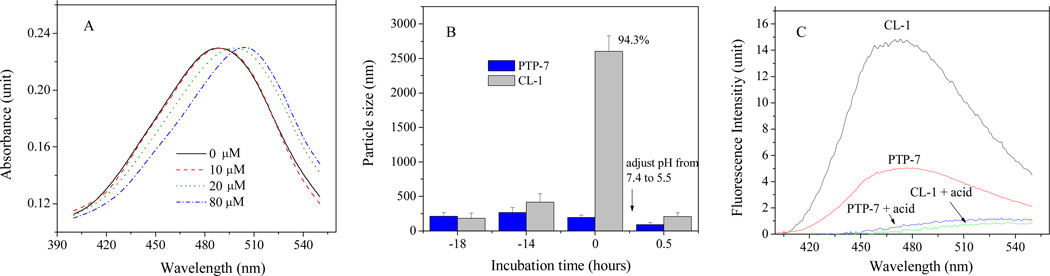
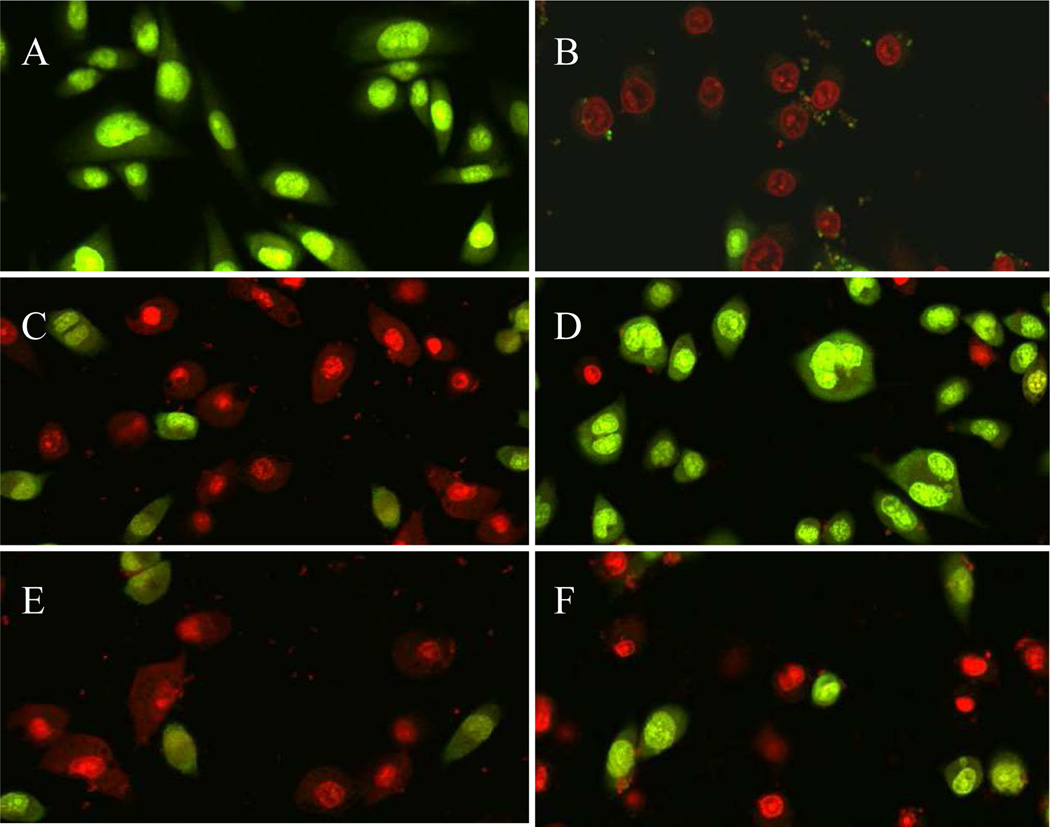
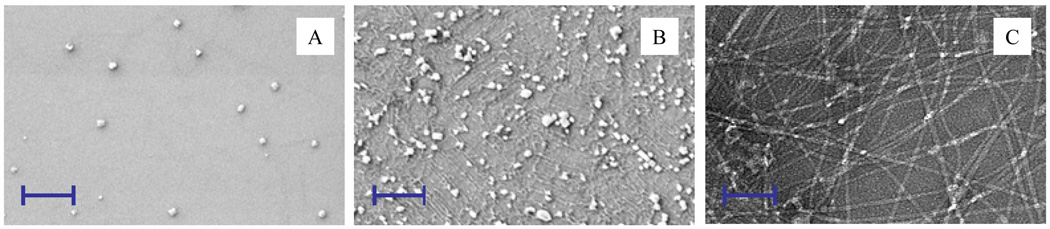
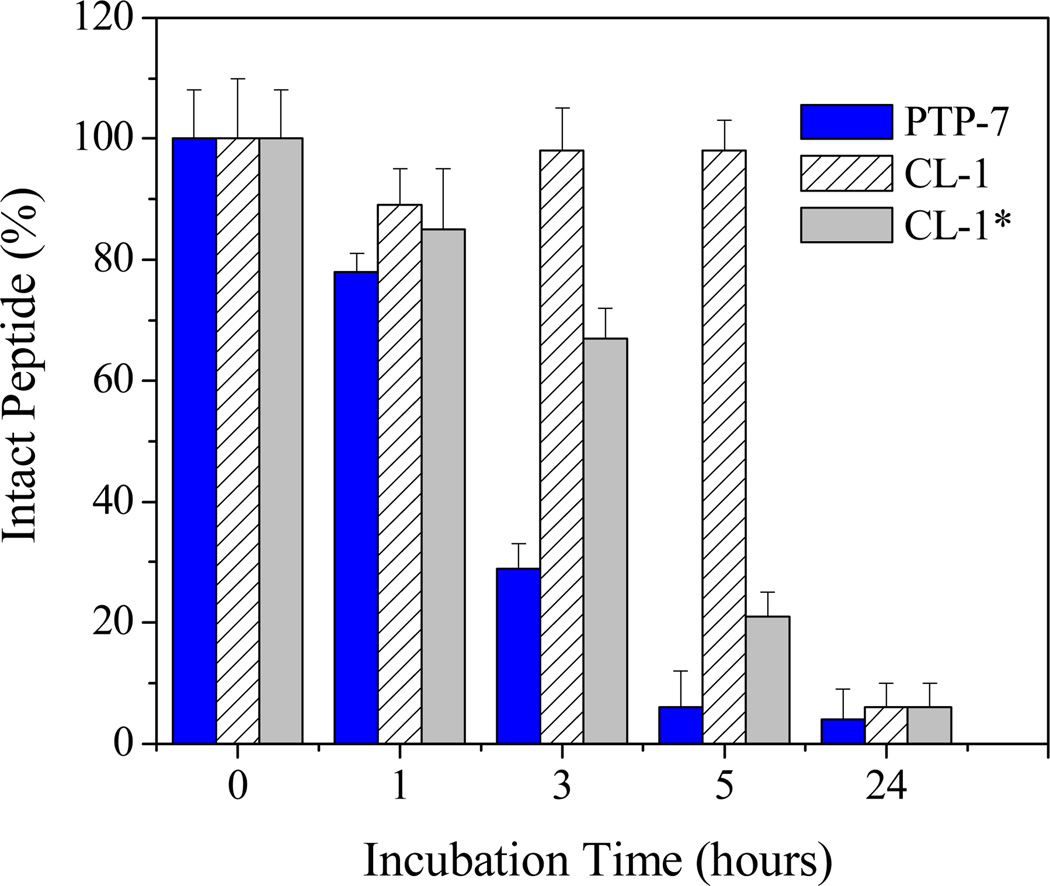
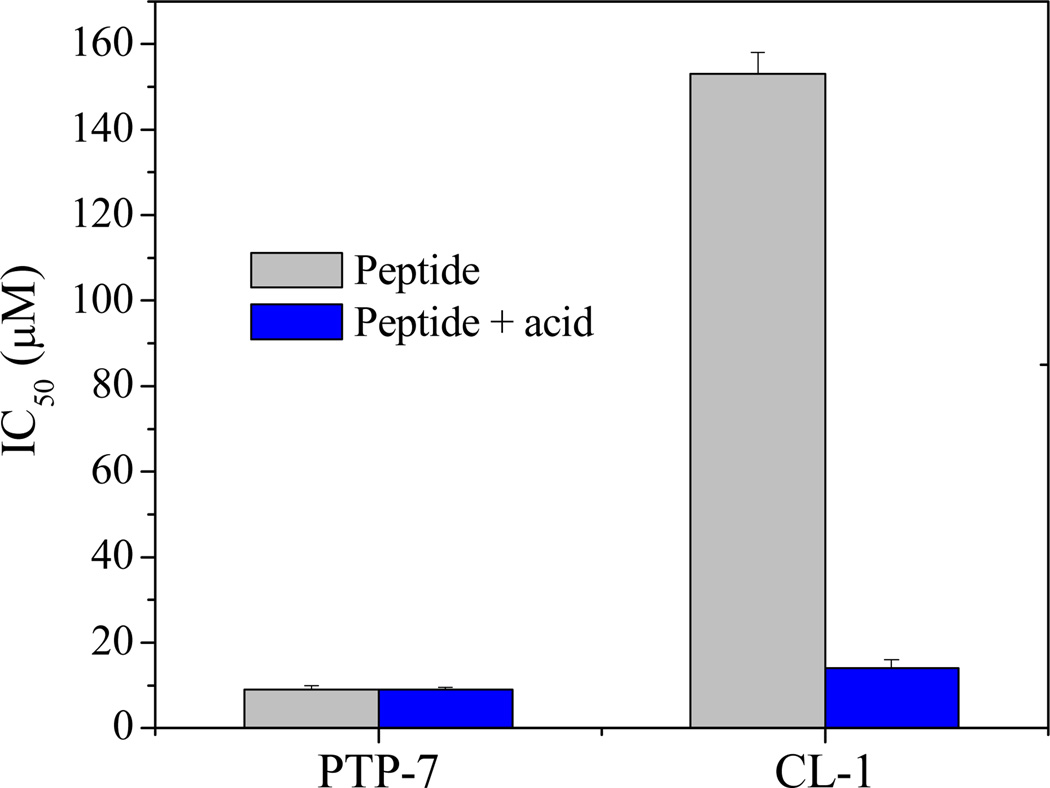
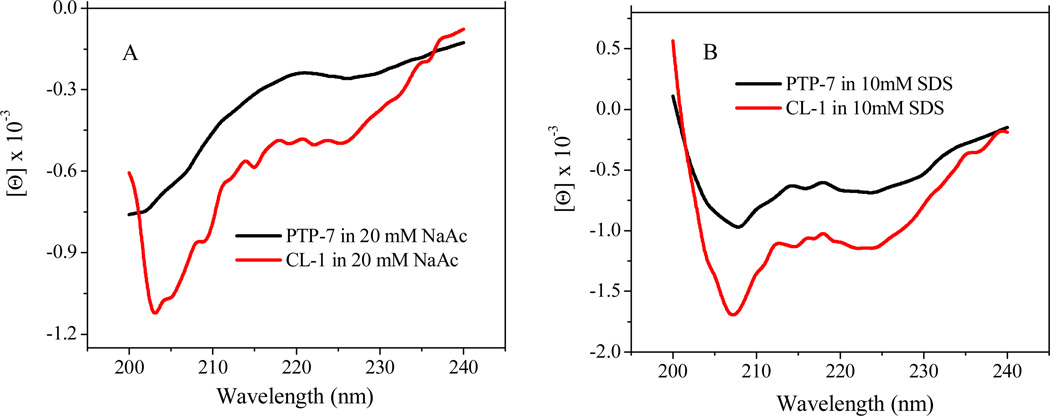
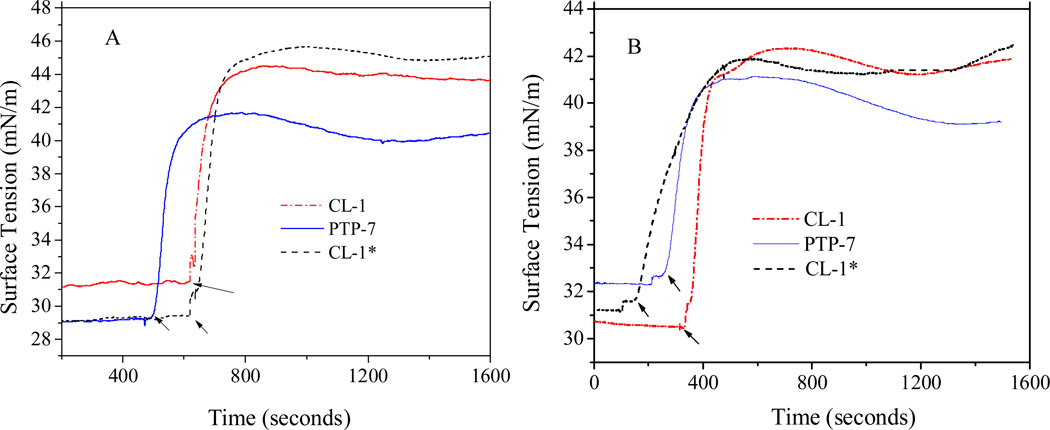
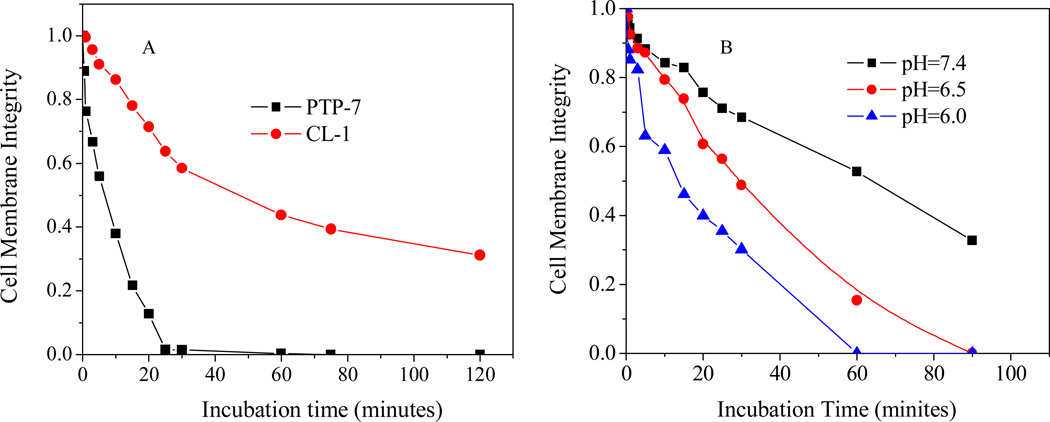
Peptides have some unique and superior features compared to proteins. However, the use of peptides as therapeutics is hampered by their low stability and cell selectivity. In this study, a new lytic peptide (CL-1, FLGALFRALSRLL) was constructed. Under the physiological condition, peptide CL-1 self-assembled into dynamically stable aggregates with fibrils-like structures. Aggregated CL-1 demonstrated dramatically altered activity and stability in comparison with single molecule CL-1 and other lytic peptides: when incubated with cocultured bacteria and tissue cells, CL-1 aggregates killed bacteria selectively but spared cocultured human cells; CL-1 aggregates were kept intact in human serum for more than five hours. Peptide-cell interaction studies performed on lipid monolayers and live human tissue cells revealed that in comparison with monomeric CL-1, aggregated CL-1 had decreased cell affinity and membrane insertion capability on tissue cells. A dynamic process involving aggregate dissociation and rearrangement seemed to be an essential step for membrane bound CL-1 aggregates to realize its cytotoxicity to tissue cells. Our study suggests that peptide aggregation could be as important as the charge and secondary structure of a peptide in affecting peptide-cell interactions. Controlling peptide self-assembly represents a new way to increase the stability and cell selectivity of bioactive peptides for wide biomedical applications.
与蛋白质相比,肽具有一些独特和优越的特性。然而,由于肽的稳定性和细胞选择性低,其作为治疗剂的应用受到了阻碍。在本研究中,构建了一种新的溶细胞肽(CL-1,FLGALFRALSRLL)。在生理条件下,肽 CL-1 自组装成具有纤维状结构的动态稳定聚集体。与单分子 CL-1 和其他溶细胞肽相比,聚集的 CL-1 表现出明显改变的活性和稳定性:当与共培养的细菌和组织细胞孵育时,CL-1 聚集体选择性地杀死细菌,但不伤害共培养的人细胞;CL-1 聚集体在人血清中保持完整超过五个小时。在脂质单层和活人体组织细胞上进行的肽-细胞相互作用研究表明,与单体 CL-1 相比,聚集的 CL-1 对组织细胞的细胞亲和力和膜插入能力降低。聚集体解离和重排的动态过程似乎是膜结合的 CL-1 聚集体实现其对组织细胞细胞毒性的必要步骤。我们的研究表明,肽聚集与肽的电荷和二级结构一样重要,会影响肽-细胞相互作用。控制肽自组装为提高生物活性肽的稳定性和细胞选择性提供了一种新方法,可广泛应用于生物医学领域。