Departamento de Farmacología, Facultad de Farmacia, Universitat de València, Valencia, Spain.
PLoS One. 2013 May 24;8(5):e64996. doi: 10.1371/journal.pone.0064996. Print 2013.
To compare the constitutive and agonist-dependent endosomal trafficking of α(1A)- and α(1B)-adrenoceptors (ARs) and to establish if the internalization pattern determines the signaling pathways of each subtype.
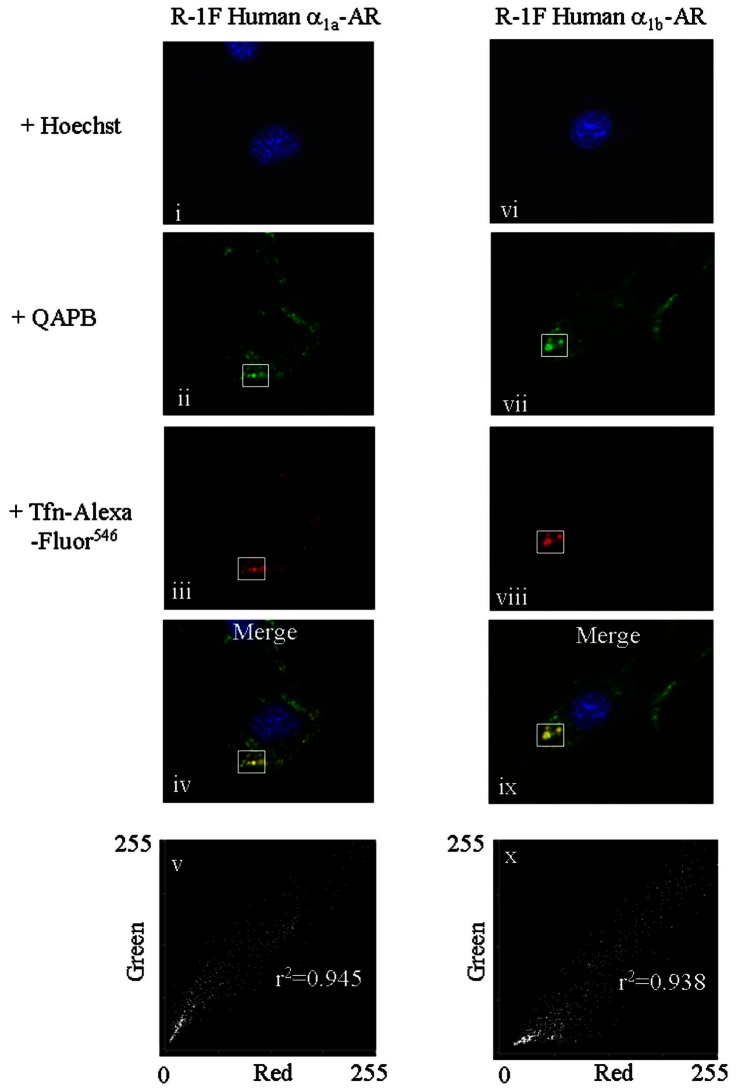
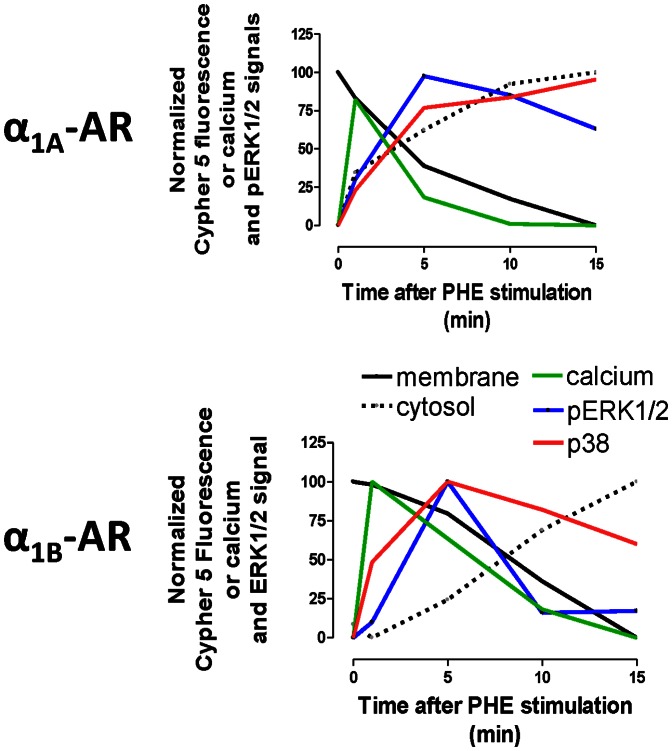
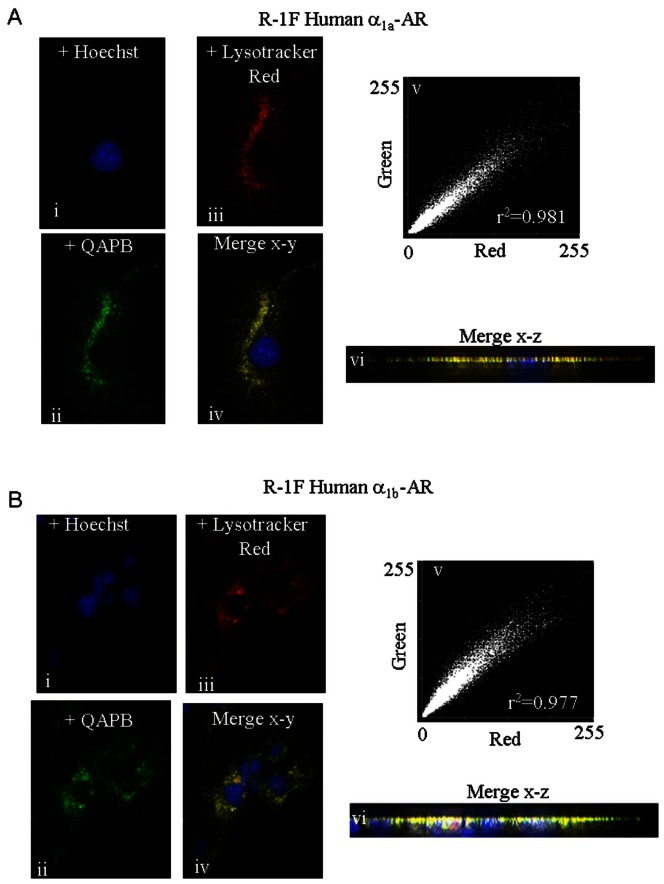
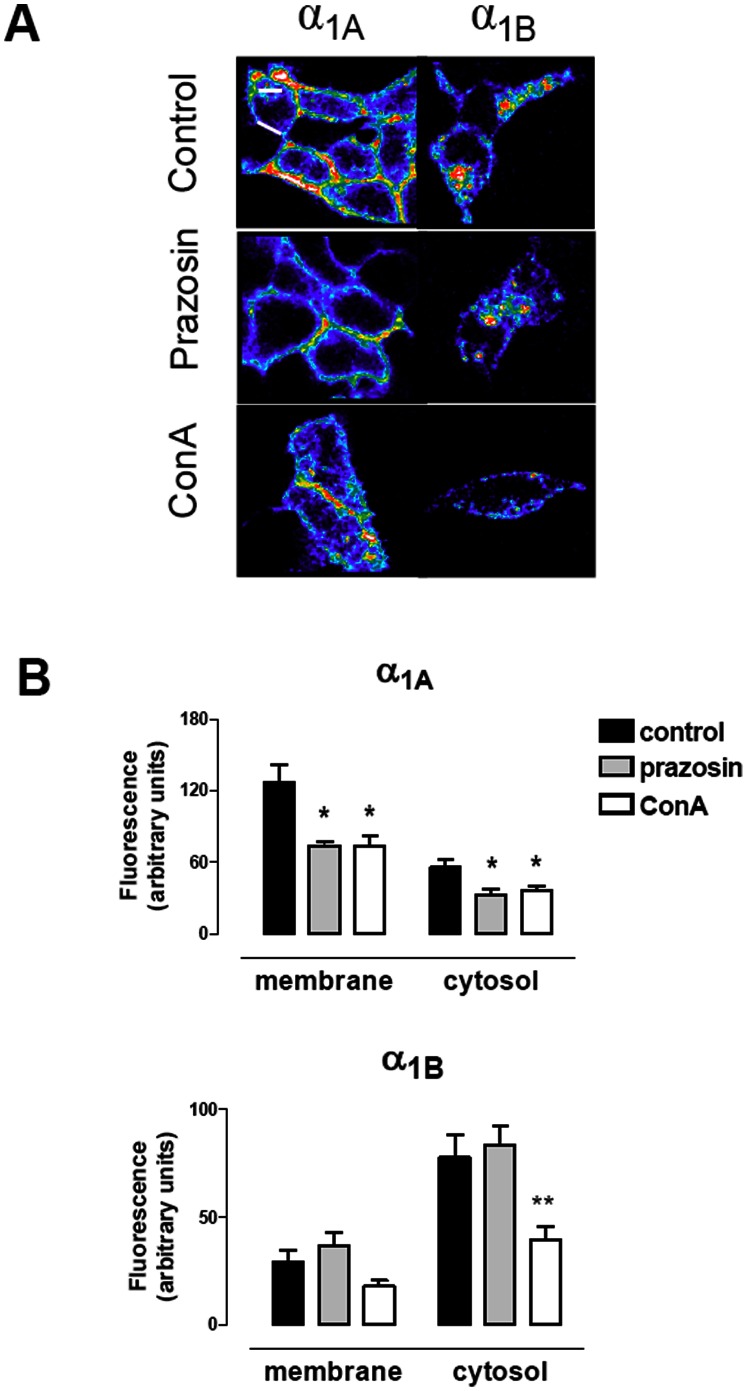
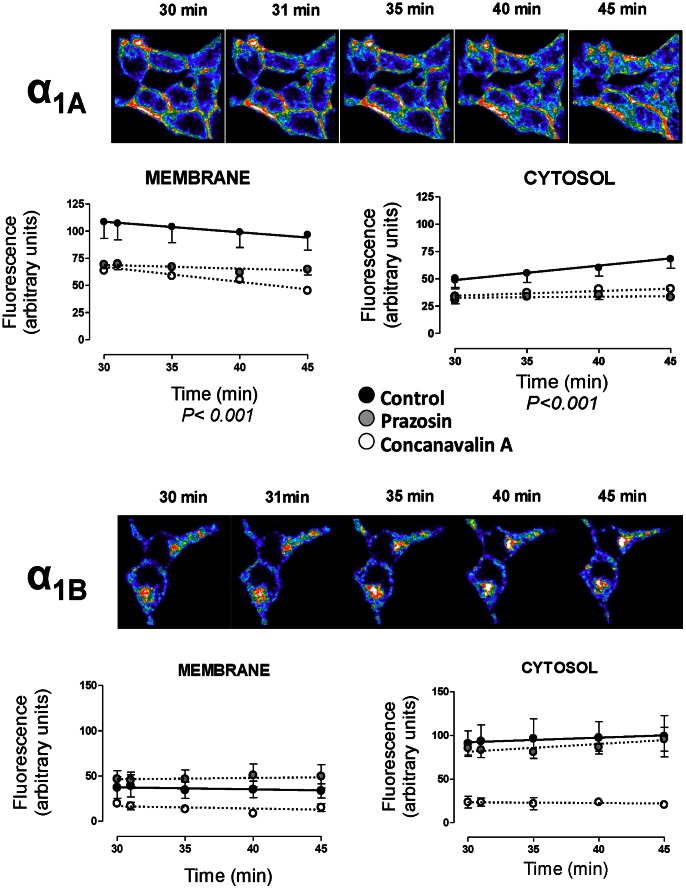
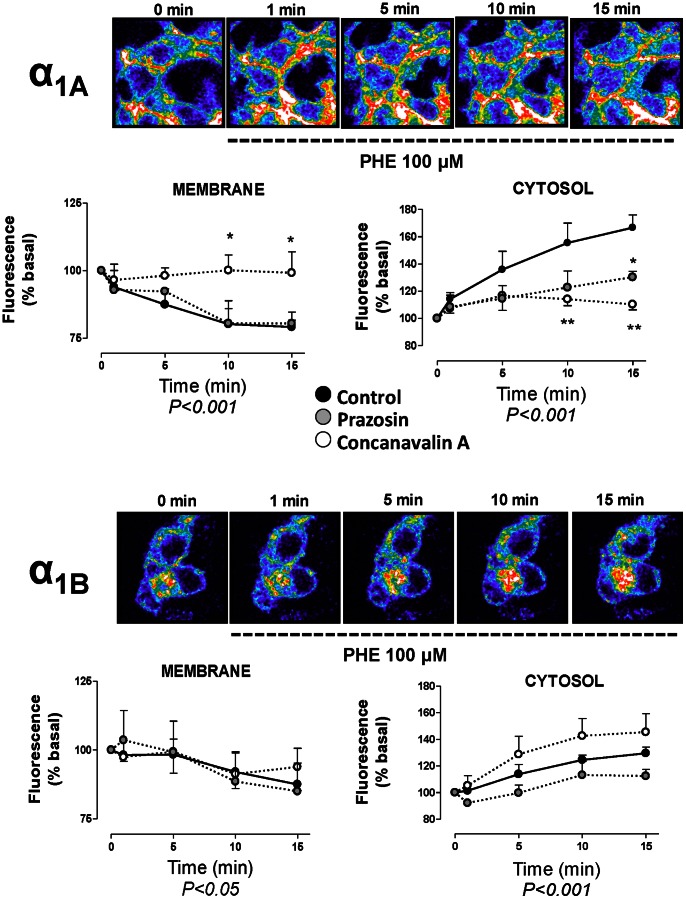
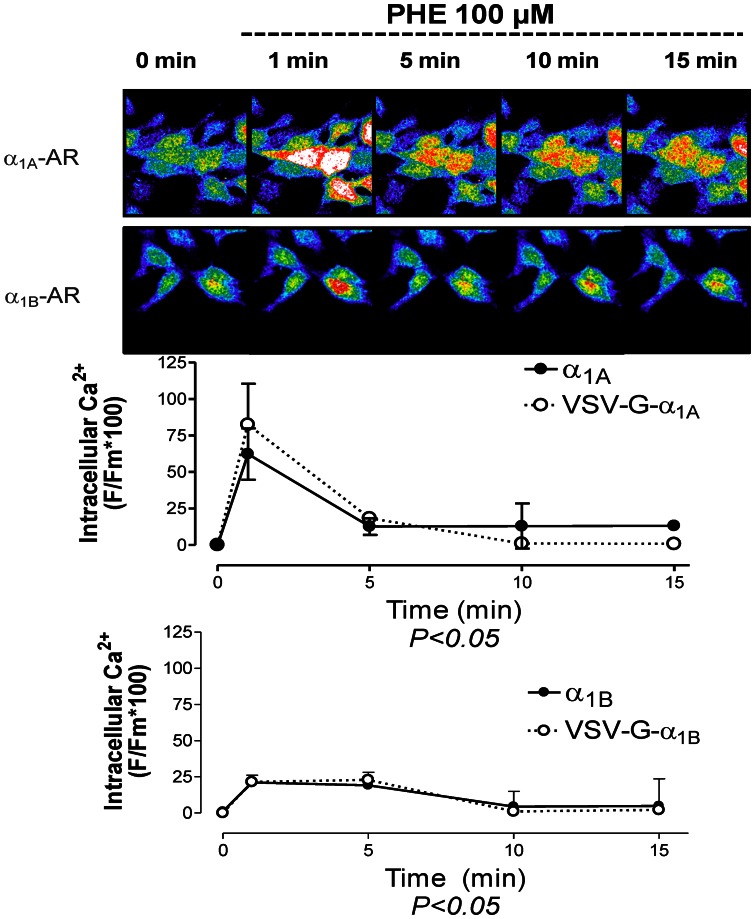
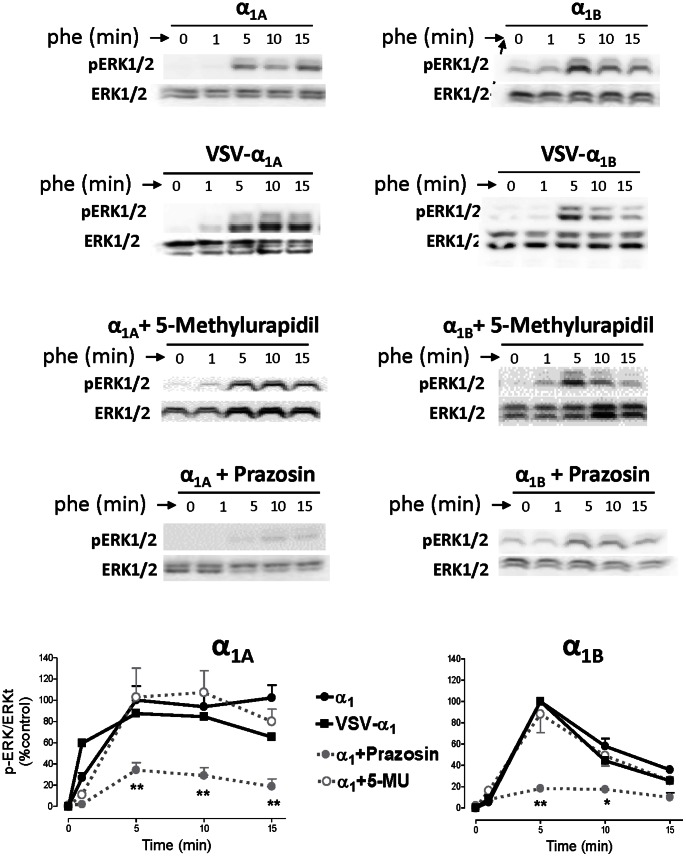
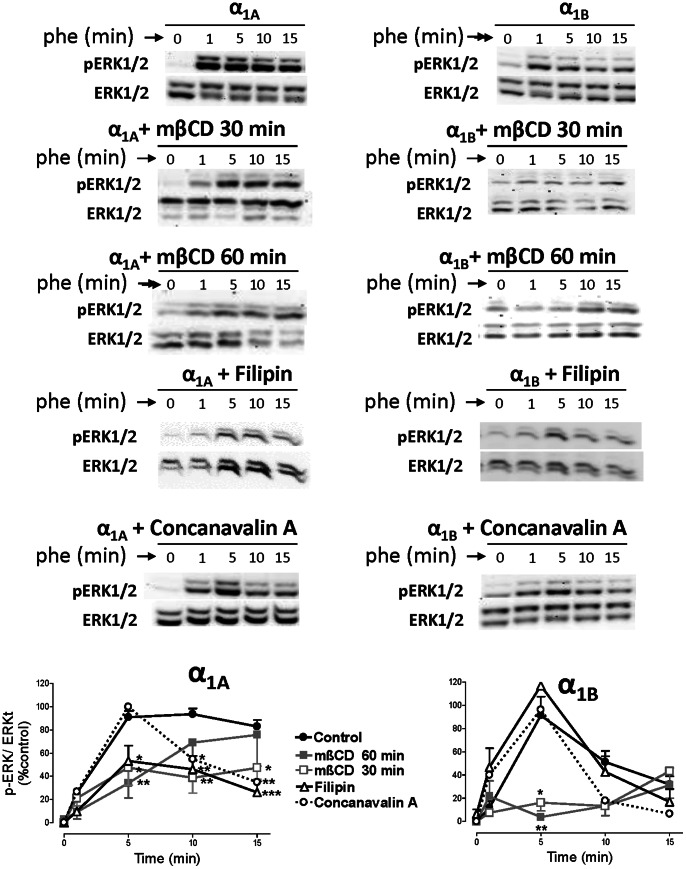
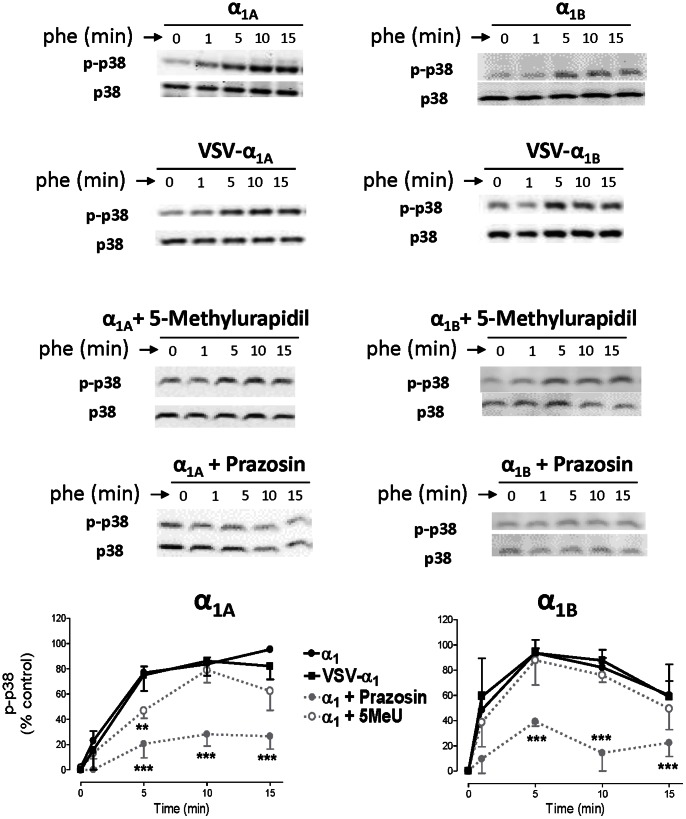
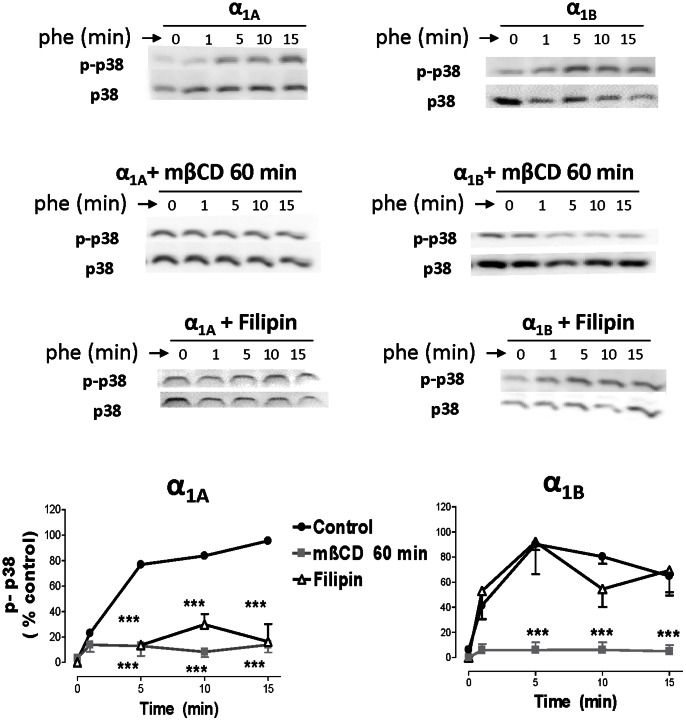
Using CypHer5 technology and VSV-G epitope tagged α(1A)- and α(1B)-ARs stably and transiently expressed in HEK 293 cells, we analyzed by confocal microscopy the constitutive and agonist-induced internalization of each subtype, and the temporal relationship between agonist induced internalization and the increase in intracellular calcium (determined by FLUO-3 flouorescence), or the phosphorylation of ERK1/2 and p38 MAP kinases (determined by Western blot).
Constitutive as well as agonist-induced trafficking of α(1A) and α(1B) ARs maintain two different endosomal pools of receptors: one located close to the plasma membrane and the other deeper into the cytosol. Each subtype exhibited specific characteristics of internalization and distribution between these pools that determines their signaling pathways: α(1A)-ARs, when located in the plasma membrane, signal through calcium and ERK1/2 pathways but, when translocated to deeper endosomes, through a mechanism sensitive to β-arrestin and concanavalin A, continue signaling through ERK1/2 and also activate the p38 pathway. α(1B)-ARs signal through calcium and ERK1/2 only when located in the membrane and the signals disappear after endocytosis and by disruption of the membrane lipid rafts by methyl-β-cyclodextrin.
比较α(1A)-和α(1B)-肾上腺素能受体(AR)的组成型和激动剂依赖性内体运输,并确定内化模式是否决定每种亚型的信号通路。
使用 CypHer5 技术和 VSV-G 表位标记的α(1A)-和α(1B)-AR,在 HEK 293 细胞中稳定和瞬时表达,我们通过共焦显微镜分析了每种亚型的组成型和激动剂诱导的内化,以及激动剂诱导的内化与细胞内钙增加之间的时间关系(通过 FLUO-3 荧光测定),或 ERK1/2 和 p38 MAP 激酶的磷酸化(通过 Western blot 测定)。
组成型和激动剂诱导的α(1A)和α(1B)AR 转运维持两种不同的受体内体池:一种位于靠近质膜,另一种位于细胞质深处。每种亚型都表现出内化和分布在这些池之间的特定特征,这些特征决定了它们的信号通路:α(1A)-AR 位于质膜时,通过钙和 ERK1/2 途径信号转导,但当易位到更深的内体时,通过一种对β-arrestin 和伴刀豆球蛋白 A 敏感的机制,通过 ERK1/2 继续信号转导,并且还激活 p38 途径。α(1B)-AR 仅在位于膜上时通过钙和 ERK1/2 信号转导,并且在内化后和通过甲基-β-环糊精破坏质膜脂筏后信号消失。