Institute of Liver Studies, Transplantation Immunology and Mucosal Biology, King's College London School of Medicine at King's College Hospital, London, UK.
Compr Physiol. 2013 Apr;3(2):567-98. doi: 10.1002/cphy.c120011.
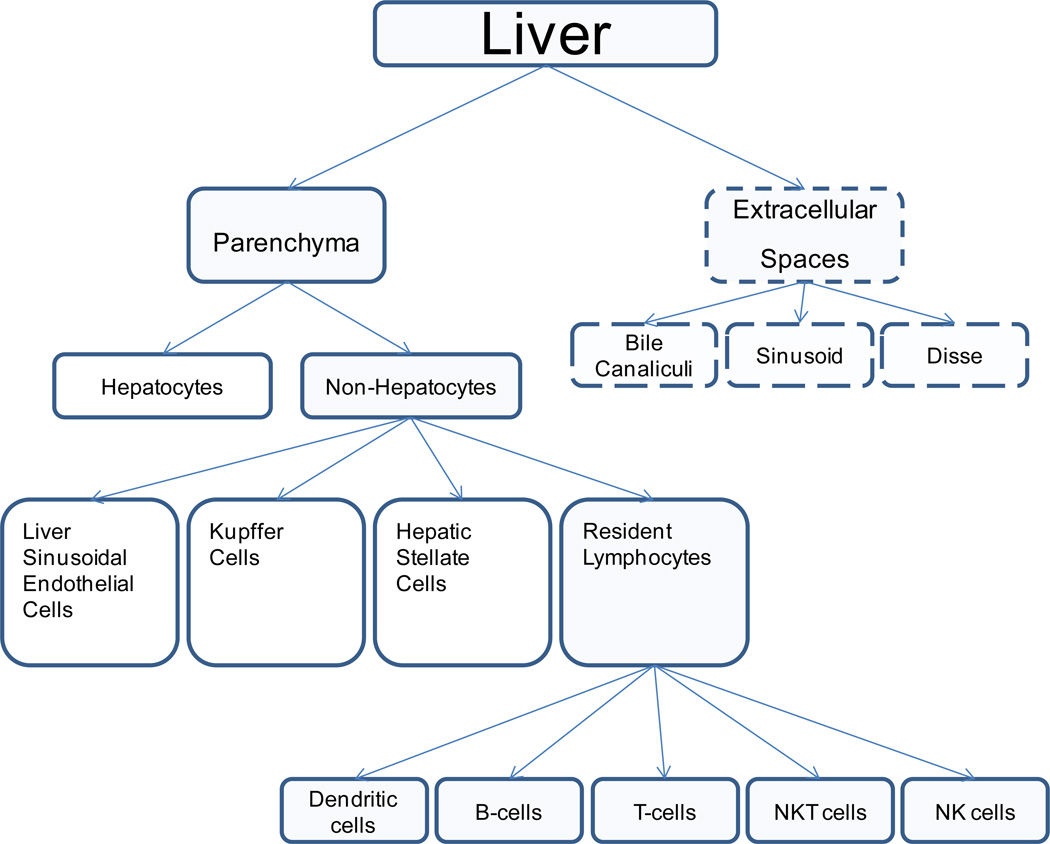
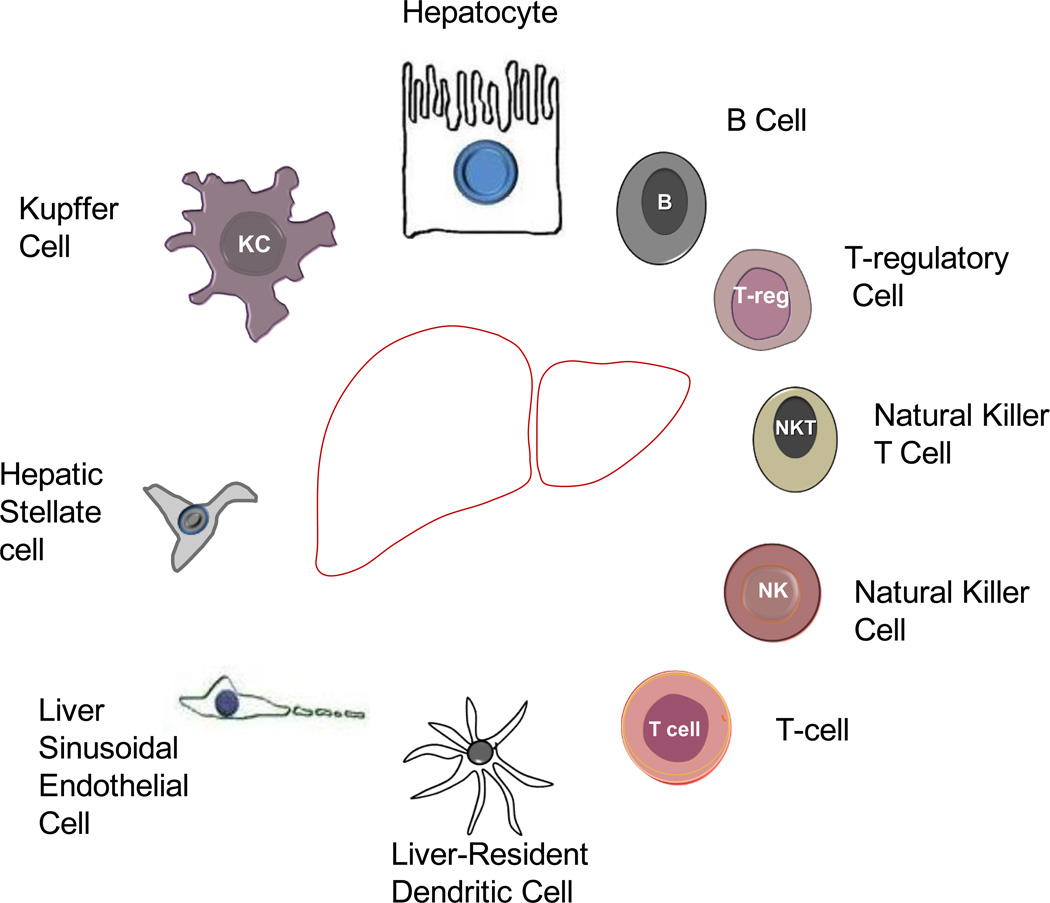
The liver is the largest organ in the body and is generally regarded by nonimmunologists as having little or no lymphoid function. However, such is far from accurate. This review highlights the importance of the liver as a lymphoid organ. Firstly, we discuss experimental data surrounding the role of liver as a lymphoid organ. The liver facilitates tolerance rather than immunoreactivity, which protects the host from antigenic overload of dietary components and drugs derived from the gut and it is instrumental to fetal immune tolerance. Loss of liver tolerance leads to autoaggressive phenomena, which if not controlled by regulatory lymphoid populations, may lead to the induction of autoimmune liver diseases. Liver-related lymphoid subpopulations also act as critical antigen-presenting cells. The study of the immunological properties of liver and delineation of the microenvironment of the intrahepatic milieu in normal and diseased livers provides a platform to understand the hierarchy of a series of detrimental events that lead to immune-mediated destruction of the liver and the rejection of liver allografts. The majority of emphasis within this review will be on the normal mononuclear cell composition of the liver. However, within this context, we will discuss selected, but not all, immune-mediated liver disease and attempt to place these data in the context of human autoimmunity.
肝脏是人体最大的器官,一般来说,非免疫学家认为它几乎没有或没有淋巴功能。然而,事实远非如此。这篇综述强调了肝脏作为淋巴器官的重要性。首先,我们讨论了围绕肝脏作为淋巴器官作用的实验数据。肝脏促进耐受而不是免疫反应,这可以保护宿主免受来自肠道的食物成分和药物的抗原过载,并且对胎儿免疫耐受至关重要。肝脏耐受的丧失导致自身攻击性现象,如果不受调节性淋巴群体的控制,可能导致自身免疫性肝病的诱导。与肝脏相关的淋巴亚群也充当关键的抗原呈递细胞。研究肝脏的免疫学特性,并描绘正常和患病肝脏的肝内环境的微环境,为理解一系列导致免疫介导的肝脏破坏和肝移植排斥的有害事件的层次结构提供了一个平台。本综述的大部分重点将放在肝脏的正常单核细胞组成上。然而,在这方面,我们将讨论一些但不是全部的免疫介导的肝脏疾病,并尝试将这些数据置于人类自身免疫的背景下。