Department of Public Health, Clinical and Molecular Medicine, University of Cagliari, Cagliari, Italy.
PLoS One. 2013 May 27;8(5):e64541. doi: 10.1371/journal.pone.0064541. Print 2013.
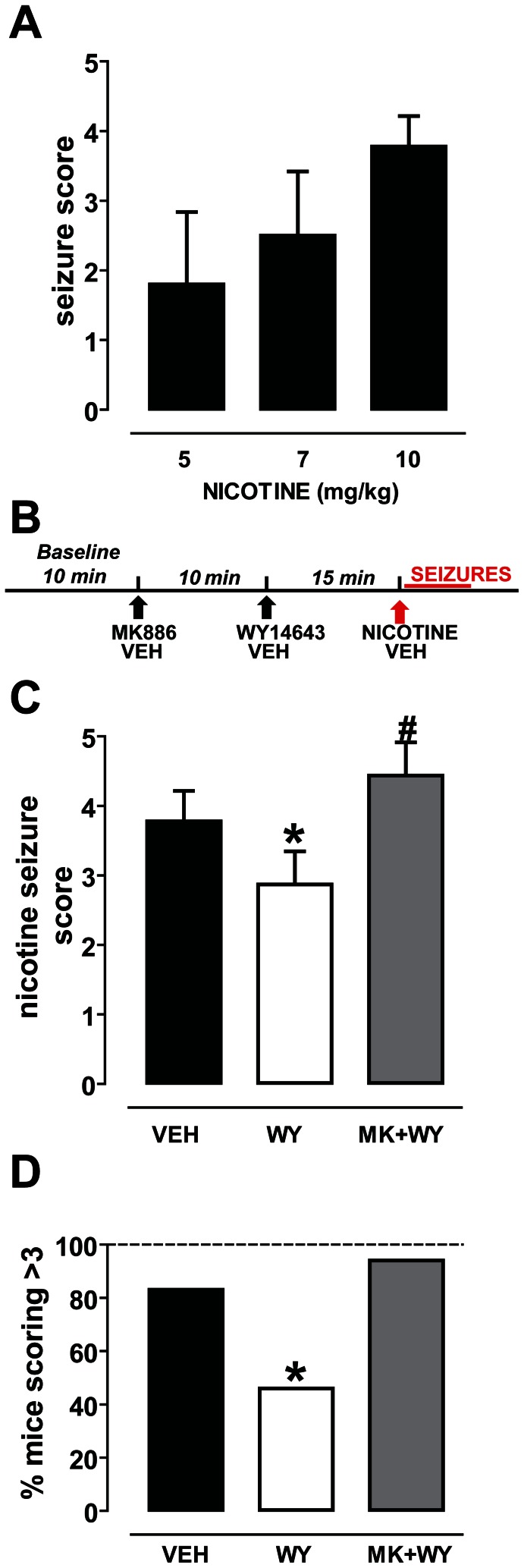
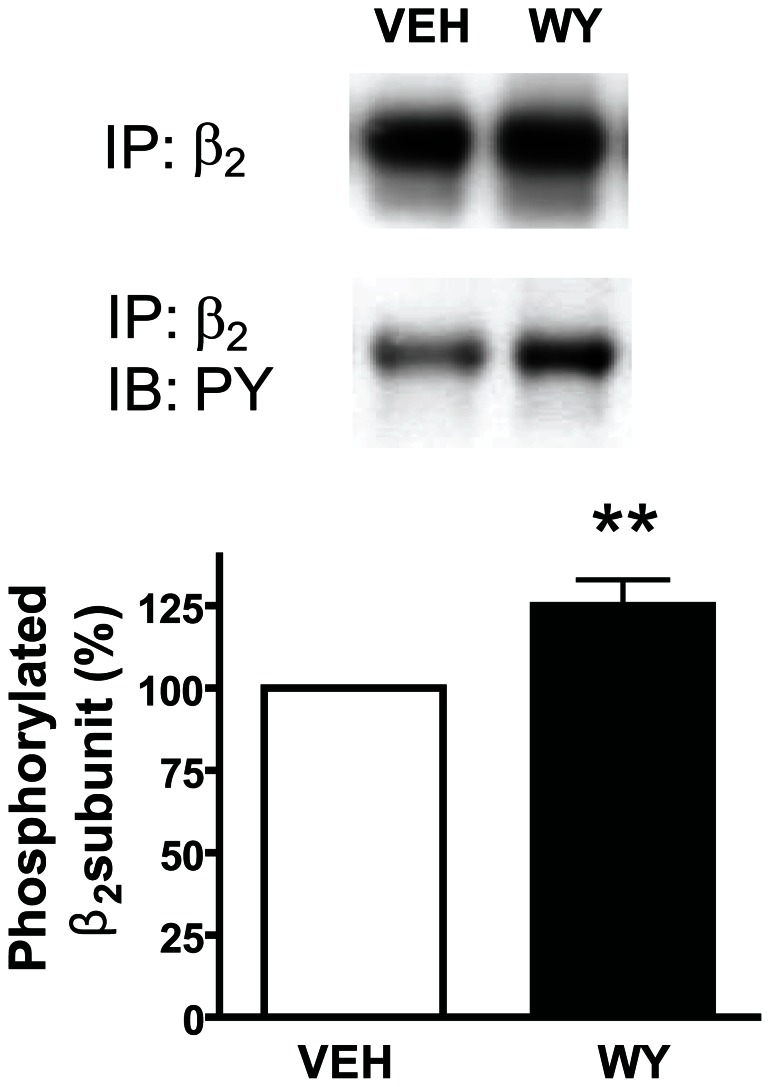
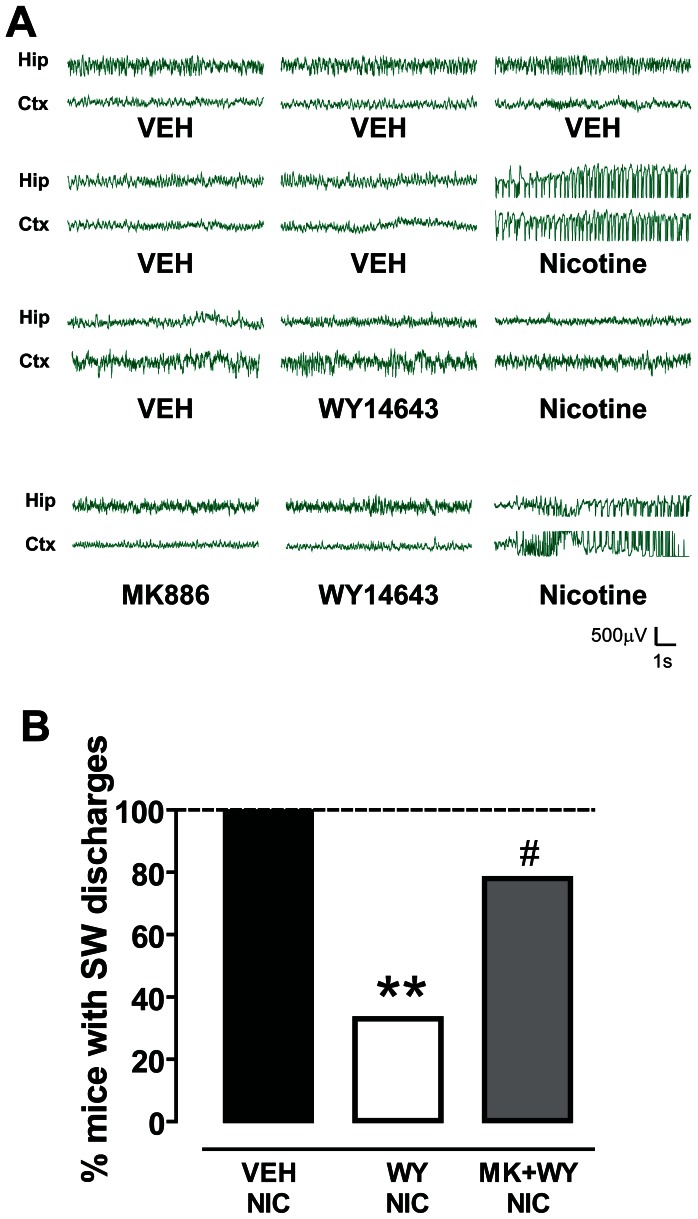
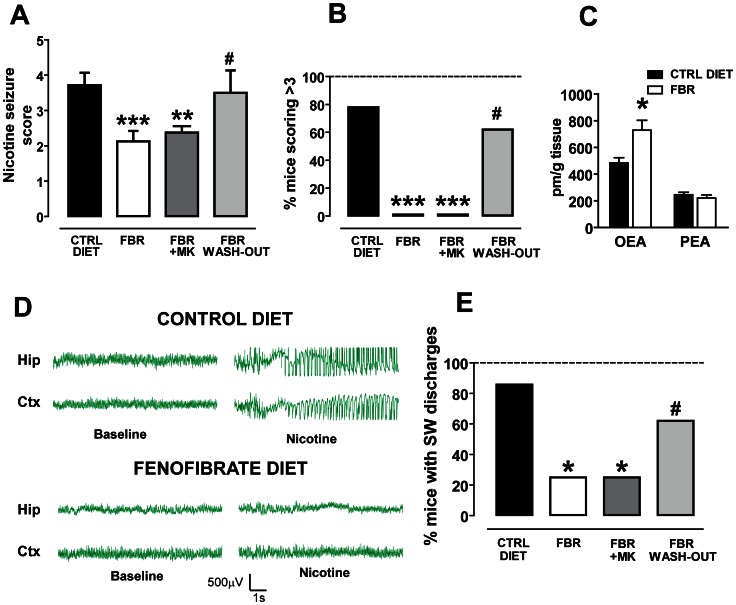
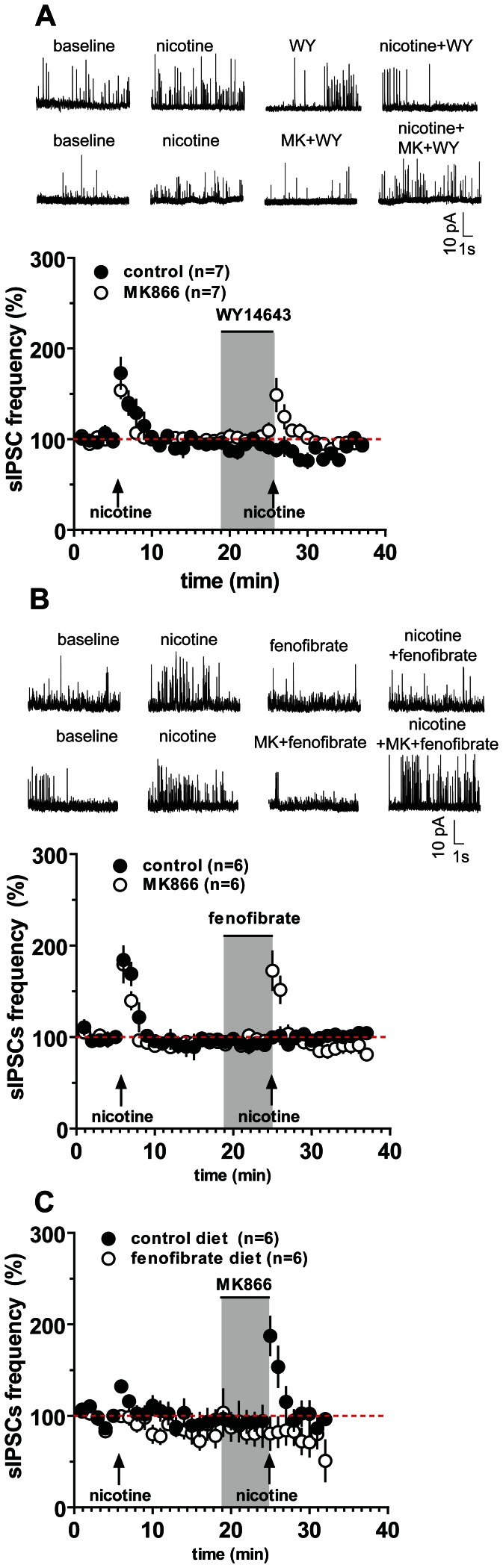
Nicotinic acetylcholine receptors (nAChRs) are involved in seizure mechanisms. Hence, nocturnal frontal lobe epilepsy was the first idiopathic epilepsy linked with specific mutations in α4 or β2 nAChR subunit genes. These mutations confer gain of function to nAChRs by increasing sensitivity toward acetylcholine. Consistently, nicotine elicits seizures through nAChRs and mimics the excessive nAChR activation observed in animal models of the disease. Treatments aimed at reducing nicotinic inputs are sought as therapies for epilepsies where these receptors contribute to neuronal excitation and synchronization. Previous studies demonstrated that peroxisome proliferator-activated receptors-α (PPARα), nuclear receptor transcription factors, suppress nicotine-induced behavioral and electrophysiological effects by modulating nAChRs containing β2 subunits. On these bases, we tested whether PPARα agonists were protective against nicotine-induced seizures. To this aim we utilized behavioral and electroencephalographic (EEG) experiments in C57BL/J6 mice and in vitro patch clamp recordings from mice and rats. Convulsive doses of nicotine evoked severe seizures and bursts of spike-waves discharges in ∼100% of mice. A single dose of the synthetic PPARα agonist WY14643 (WY, 80 mg/kg, i.p.) or chronic administration of fenofibrate, clinically available for lipid metabolism disorders, in the diet (0.2%) for 14 days significantly reduced or abolished behavioral and EEG expressions of nicotine-induced seizures. Acute WY effects were reverted by the PPARα antagonist MK886 (3 mg/kg, i.p.). Since neocortical networks are crucial in the generation of ictal activity and synchrony, we performed patch clamp recordings of spontaneous inhibitory postsynaptic currents (sIPSCs) from frontal cortex layer II/III pyramidal neurons. We found that both acute and chronic treatment with PPARα agonists abolished nicotine-induced sIPSC increases. PPARα within the CNS are key regulators of neuronal activity through modulation of nAChRs. These effects might be therapeutically exploited for idiopathic or genetically determined forms of epilepsy where nAChRs play a major role.
烟碱型乙酰胆碱受体(nAChRs)参与癫痫发作机制。因此,夜间额叶癫痫是第一种与α4 或β2 nAChR 亚基基因突变相关的特发性癫痫。这些突变通过增加对乙酰胆碱的敏感性,赋予 nAChRs 功能增益。一致地,尼古丁通过 nAChRs 引发癫痫发作,并模拟在疾病动物模型中观察到的过度 nAChR 激活。寻找旨在减少烟碱输入的治疗方法是因为这些受体有助于神经元兴奋和同步,这些受体在癫痫发作中起作用。先前的研究表明,过氧化物酶体增殖物激活受体-α(PPARα),核受体转录因子,通过调节含有β2 亚基的 nAChRs 来抑制尼古丁诱导的行为和电生理效应。在此基础上,我们测试了 PPARα 激动剂是否对尼古丁诱导的癫痫发作具有保护作用。为此,我们利用 C57BL/J6 小鼠的行为和脑电图(EEG)实验以及来自小鼠和大鼠的体外膜片钳记录来进行研究。惊厥剂量的尼古丁在约 100%的小鼠中引起严重的癫痫发作和尖峰波放电爆发。单次给予合成的 PPARα 激动剂 WY14643(WY,80mg/kg,ip)或在饮食中(0.2%)给予临床用于脂质代谢紊乱的非诺贝特(fenofibrate)14 天,可显著减少或消除尼古丁诱导的癫痫发作的行为和 EEG 表达。急性 WY 作用被 PPARα 拮抗剂 MK886(3mg/kg,ip)逆转。由于新皮质网络在癫痫发作活动和同步性的产生中至关重要,因此我们对额皮质 II/III 层锥体神经元进行了自发性抑制性突触后电流(sIPSCs)的膜片钳记录。我们发现,急性和慢性给予 PPARα 激动剂均可消除尼古丁诱导的 sIPSC 增加。中枢神经系统内的 PPARα 是通过调节 nAChRs 调节神经元活动的关键调节剂。这些作用可能在 nAChRs 起主要作用的特发性或遗传性癫痫中具有治疗潜力。