Nuffield Department of Orthopaedics, Rheumatology and Musculoskeletal Sciences, Botnar Research Centre, University of Oxford, Oxford, UK.
Ann Rheum Dis. 2014 Jul;73(7):1405-13. doi: 10.1136/annrheumdis-2012-203146. Epub 2013 Jun 1.
Cellular senescence is an irreversible side effect of some pharmaceuticals which can contribute to tissue degeneration.
To determine whether pharmaceutical glucocorticoids induce senescence in tenocytes.
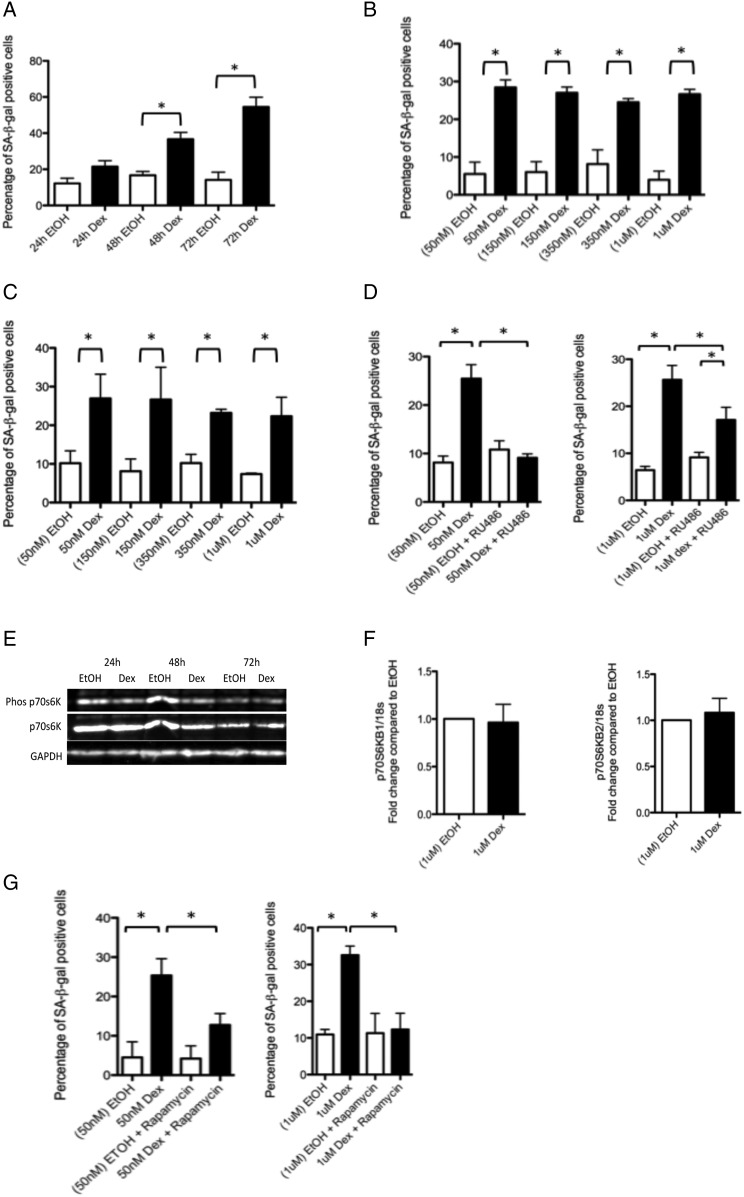
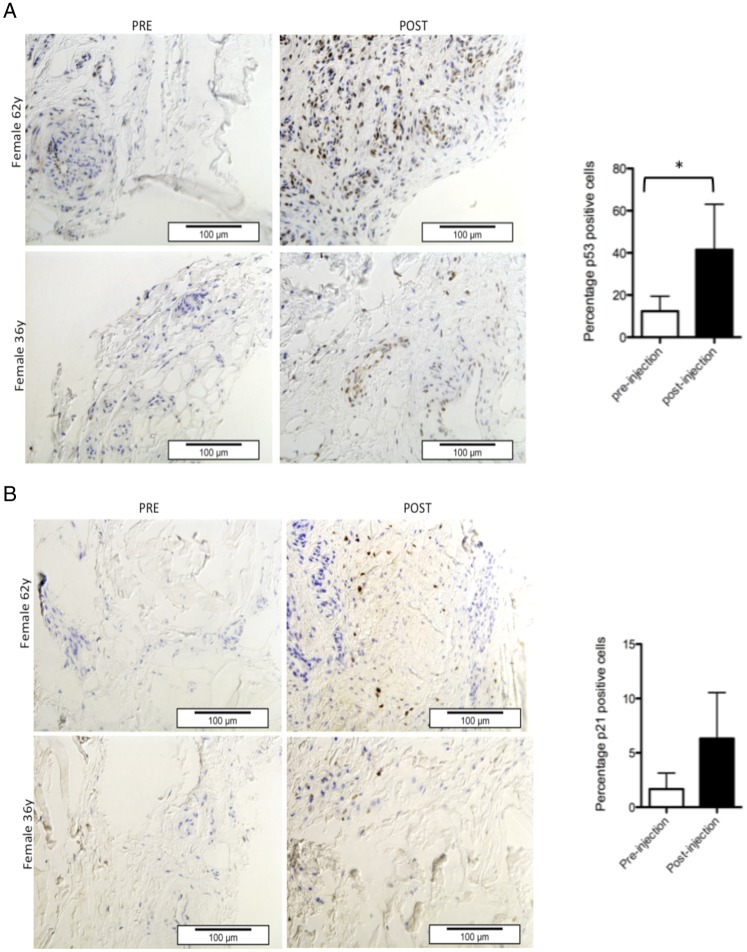
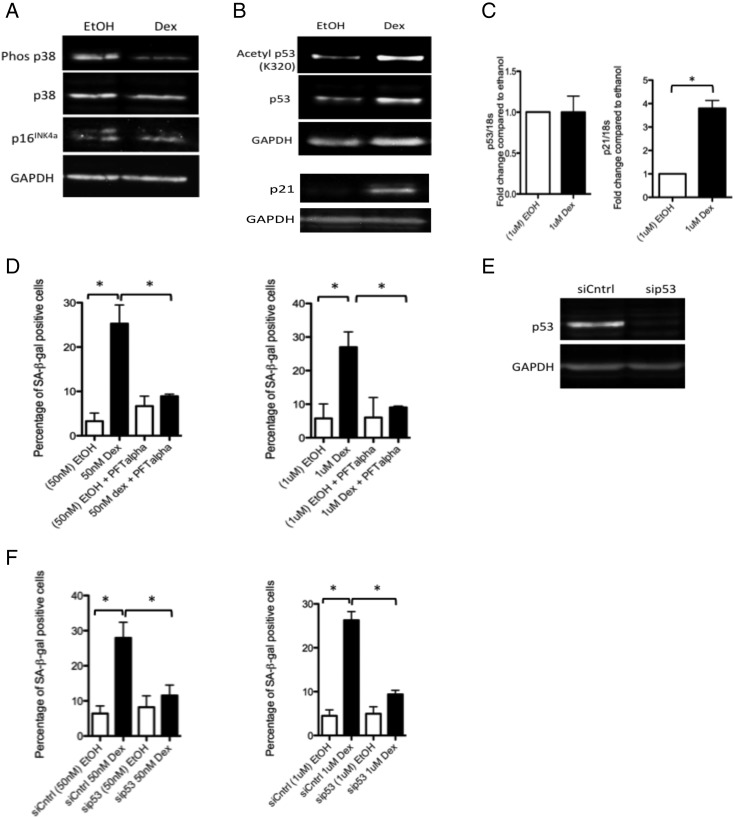
Features of senescence (β-galactosidase activity at pH 6 (SA-β-gal) and active mammalian/mechanistic target of rapamycin (mTOR) in cell cycle arrest) as well as the activity of the two main pathways leading to cell senescence were examined in glucocorticoid-treated primary human tenocytes. Evidence of senescence-inducing pathway induction in vivo was obtained using immunohistochemistry on tendon biopsy specimens taken before and 7 weeks after subacromial Depo-Medrone injection.
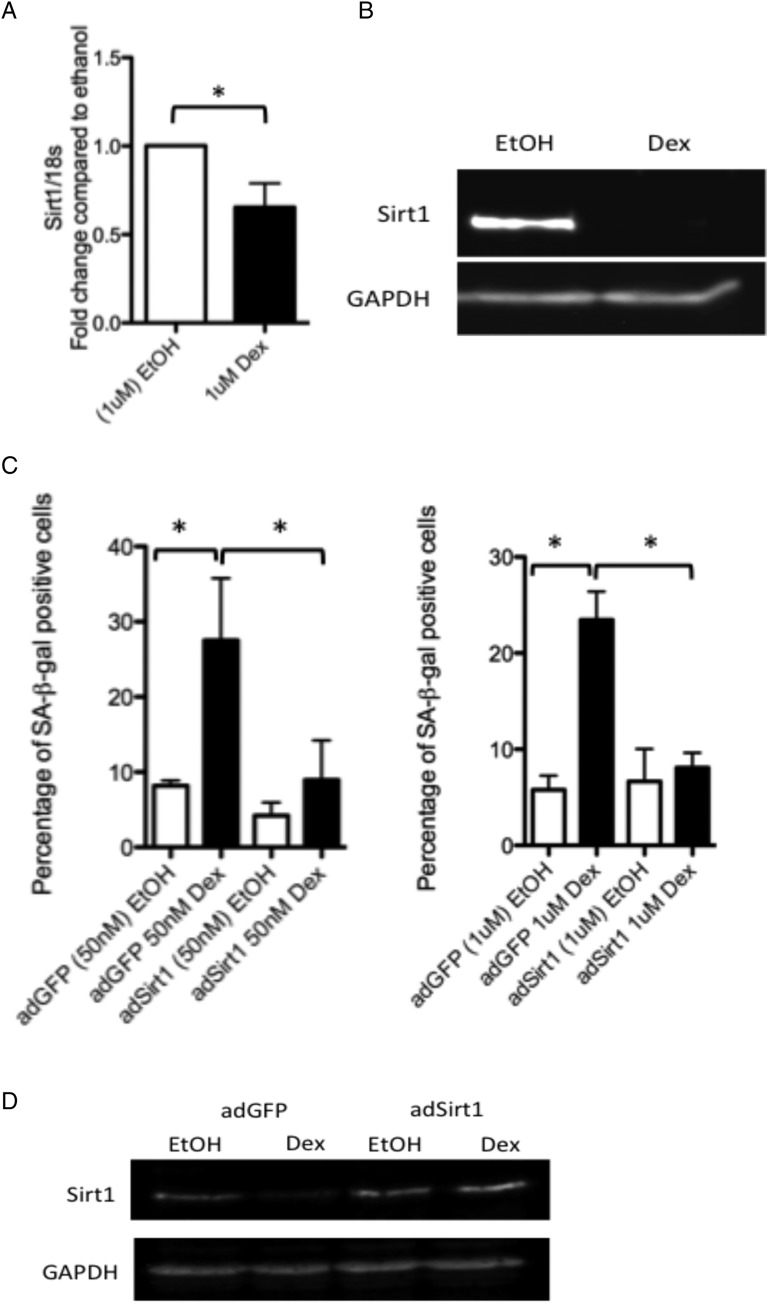
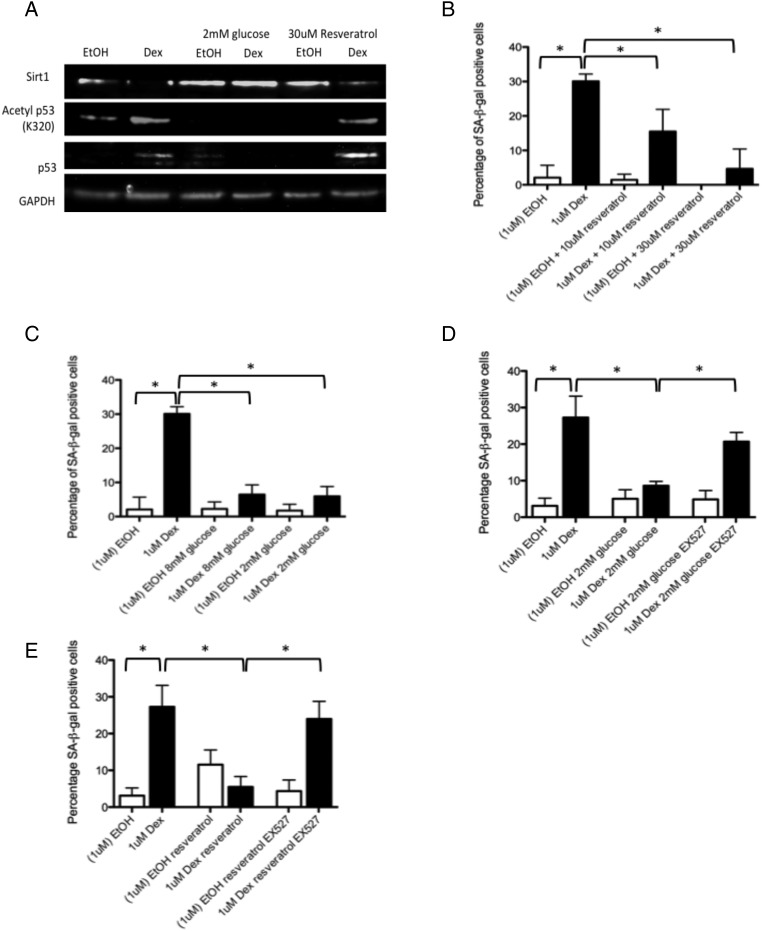
Dexamethasone treatment of tenocytes resulted in an increased percentage of SA-βgal-positive cells. Levels of phosphorylated p70S6K did not decrease with glucocorticoid treatment indicating mTOR remained active. Increased levels of acetylated p53 as well as increased RNA levels of its pro-senescence effector p21 were evident in dexamethasone-treated tenocytes. Levels of the p53 deacetylase sirtuin 1 were lower in dexamethasone-treated cells compared with controls. Knockdown of p53 or inhibition of p53 activity prevented dexamethasone-induced senescence. Activation of sirtuin 1 either by exogenous overexpression or by treatment with resveratrol or low glucose prevented dexamethasone-induced senescence. Immunohistochemical analysis of tendon biopsies taken before and after glucocorticoid injection revealed a significant increase in the percentage of p53-positive cells (p=0.03). The percentage of p21-positive cells also tended to be higher post-injection (p=0.06) suggesting glucocorticoids activate the p53/p21 senescence-inducing pathway in vivo as well as in vitro.
As cell senescence is irreversible in vivo, glucocorticoid-induced senescence may result in long-term degenerative changes in tendon tissue.
细胞衰老(cellular senescence)是某些药物的一种不可逆的副作用,可能导致组织退化。
确定药物性糖皮质激素是否会诱导肌腱细胞衰老。
在糖皮质激素处理的原代人肌腱细胞中,检测衰老的特征(pH6 时β-半乳糖苷酶活性(SA-β-gal)和细胞周期阻滞中的活性哺乳动物/机械靶标雷帕霉素(mTOR))以及导致细胞衰老的两条主要途径的活性。使用肩峰下 Depo-Medrone 注射前和 7 周后取的肌腱活检标本进行免疫组织化学染色,获得体内诱导衰老诱导途径的证据。
地塞米松处理肌腱细胞导致 SA-βgal 阳性细胞的百分比增加。与糖皮质激素处理相比,磷酸化 p70S6K 水平没有下降,表明 mTOR 仍然活跃。在地塞米松处理的肌腱细胞中,乙酰化 p53 水平升高,其促衰老效应物 p21 的 RNA 水平升高。与对照组相比,地塞米松处理细胞中的 p53 去乙酰化酶 Sirtuin 1 水平较低。p53 敲低或抑制 p53 活性可防止地塞米松诱导的衰老。通过外源性过表达或用白藜芦醇或低糖处理激活 Sirtuin 1 可防止地塞米松诱导的衰老。糖皮质激素注射前后取的肌腱活检的免疫组织化学分析显示,p53 阳性细胞的百分比显著增加(p=0.03)。注射后 p21 阳性细胞的百分比也有升高的趋势(p=0.06),表明糖皮质激素在体内和体外均激活 p53/p21 衰老诱导途径。
由于细胞衰老在体内是不可逆的,糖皮质激素诱导的衰老可能导致肌腱组织的长期退行性变化。