Bioprocess Sciences, ImClone Systems, a Wholly-Owned Subsidiary of Eli Lilly and Company, 450 East 29th Street, New York, New York, 10016.
Biotechnol Bioeng. 2013 Nov;110(11):2928-37. doi: 10.1002/bit.24969. Epub 2013 Jun 29.
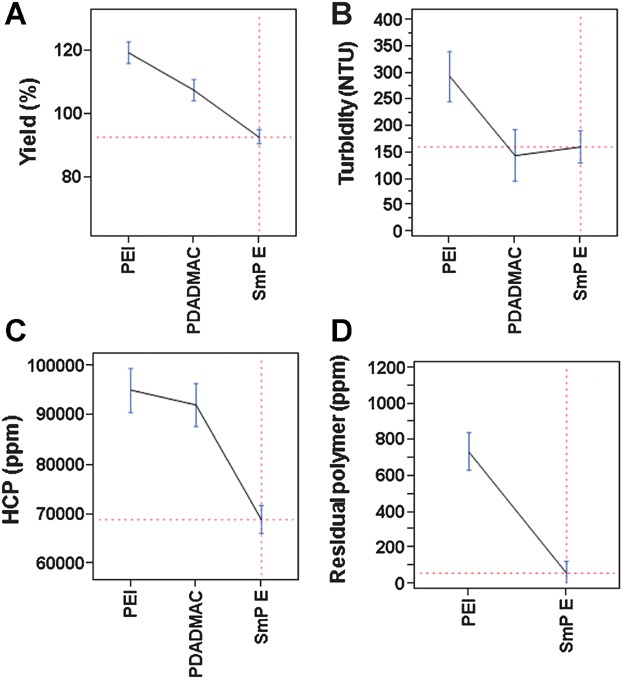
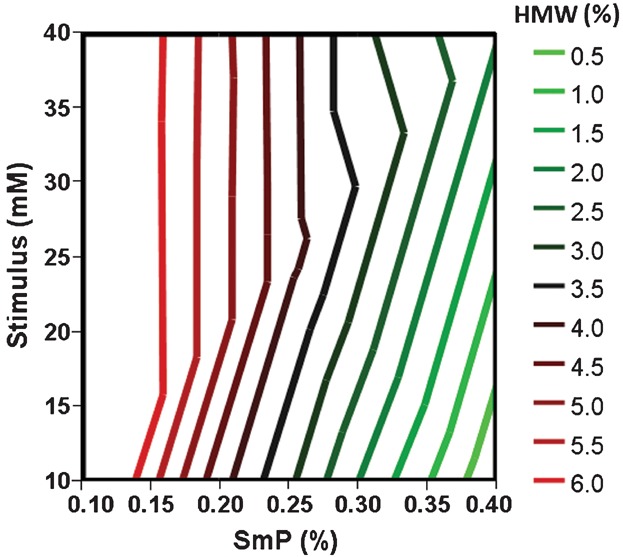
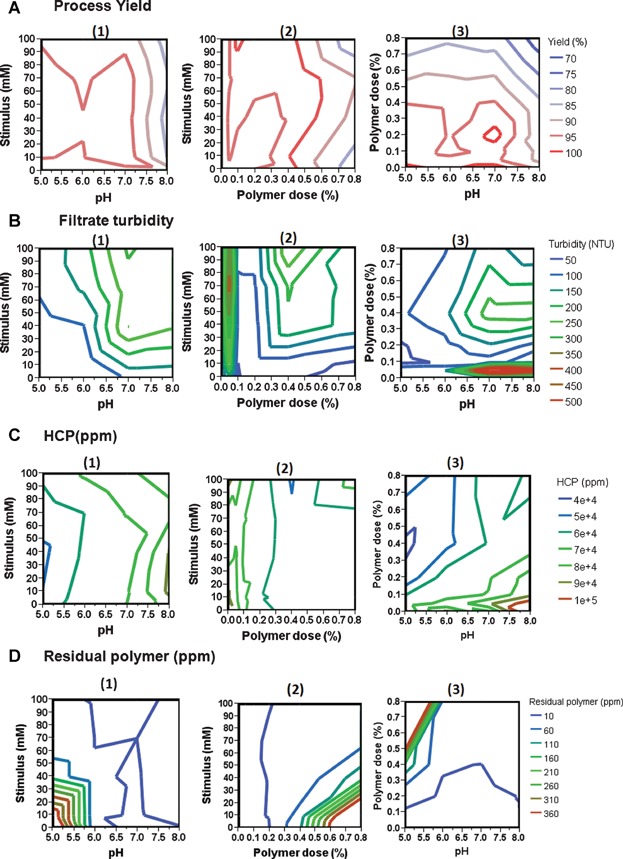
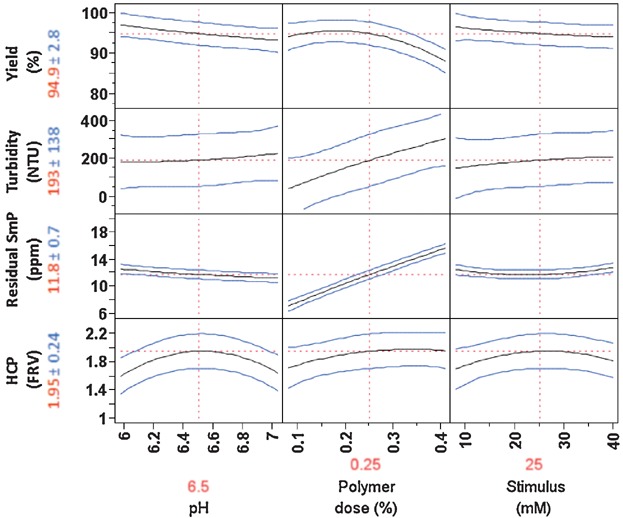
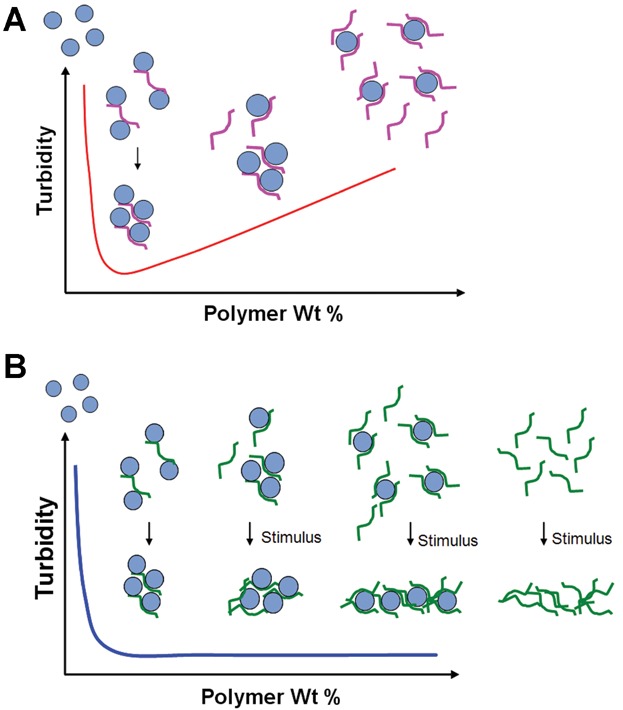
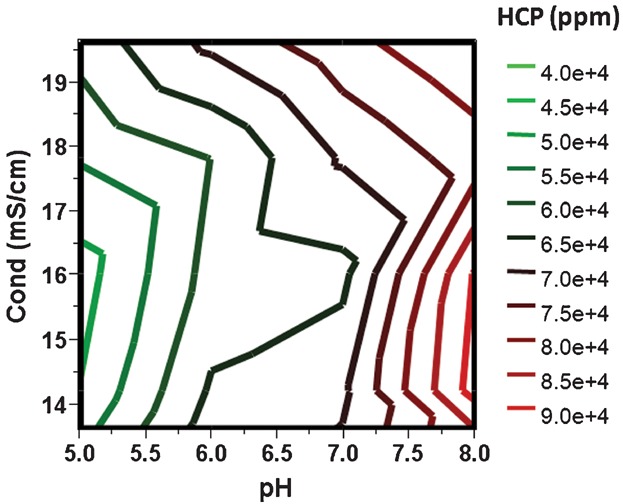
Recent advances in mammalian cell culture processes have significantly increased product titers, but have also resulted in substantial increases in cell density and cellular debris as well as process and product related impurities. As such, with improvements in titer, corresponding improvements in downstream processing are essential. In this study we have developed an alternative antibody harvest process that incorporates flocculation using a novel stimulus responsive polymer, benzylated poly(allylamine), followed by depth filtration. As tested on multiple antibodies, this process demonstrates high process yield, improved clearance of cells and cell debris, and efficient reduction of aggregates, host cell proteins (HCP) and DNA. A wide operating window was established for this novel flocculation process through design of experiments condition screening and optimization. Residual levels of impurities in the Protein A eluate were achieved that potentially meet requirements of drug substance and thus alleviate the burden for further impurities removal in subsequent chromatography steps. In addition, efficient clearance of residual polymer was demonstrated using a fluorescence tagged polymer in the presence of a stimulus reagent. The mechanism of HCP and aggregates removal during flocculation was also explored. This novel and efficient process can be easily integrated into current mAb purification platforms, and may overcome downstream processing challenges.
近年来哺乳动物细胞培养工艺的进步显著提高了产物滴度,但也导致细胞密度和细胞碎片以及与工艺和产物相关的杂质大量增加。因此,随着滴度的提高,下游处理的相应改进是必不可少的。在这项研究中,我们开发了一种替代的抗体收获工艺,该工艺使用新型刺激响应聚合物苄基聚(烯丙胺)进行絮凝,然后进行深度过滤。在对多种抗体的测试中,该工艺表现出高的工艺收率、提高了细胞和细胞碎片的清除率、以及有效地减少了聚集物、宿主细胞蛋白(HCP)和 DNA。通过实验设计条件筛选和优化,为这种新型絮凝工艺建立了一个较宽的操作窗口。在 Protein A 洗脱液中达到了杂质的残留水平,这些水平可能满足药物物质的要求,从而减轻了后续色谱步骤中进一步去除杂质的负担。此外,在存在刺激试剂的情况下,使用荧光标记的聚合物证明了残留聚合物的有效清除。还探索了絮凝过程中 HCP 和聚集物去除的机制。这种新颖且高效的工艺可以很容易地集成到现有的单抗纯化平台中,并可能克服下游处理的挑战。