Kierys A, Zaleski R, Buda W, Pikus S, Dziadosz M, Goworek J
Department of Adsorption, Faculty of Chemistry, M. Curie-Sklodowska University, M. Curie-Sklodowska sq. 3, 20-031 Lublin, Poland.
Colloid Polym Sci. 2013 Jun;291(6):1463-1470. doi: 10.1007/s00396-012-2881-x. Epub 2012 Dec 27.
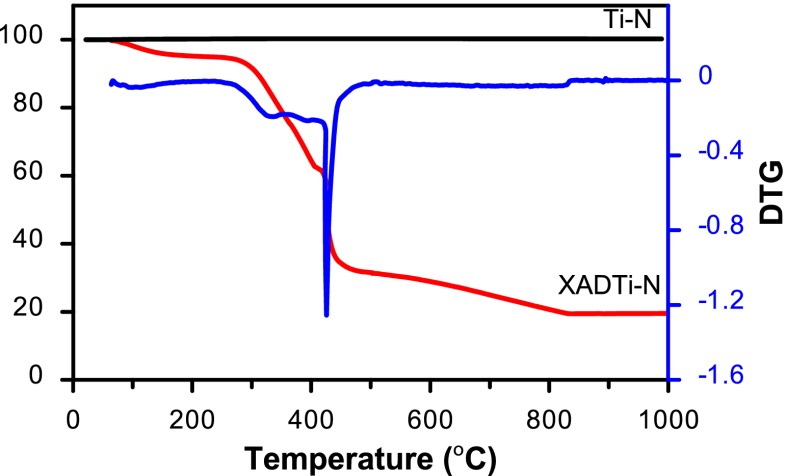
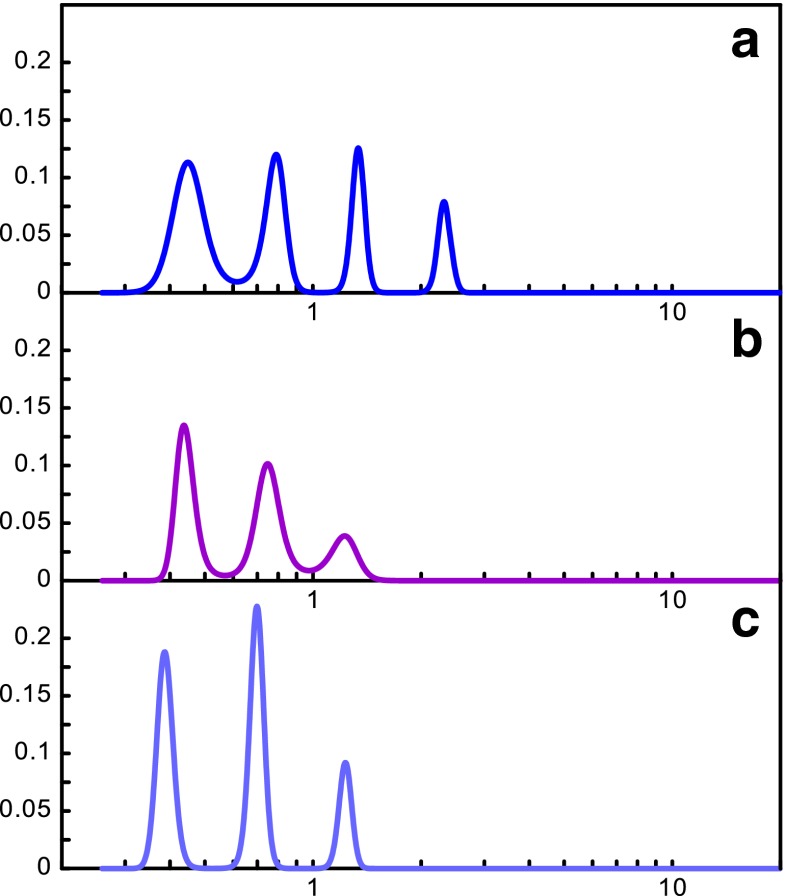
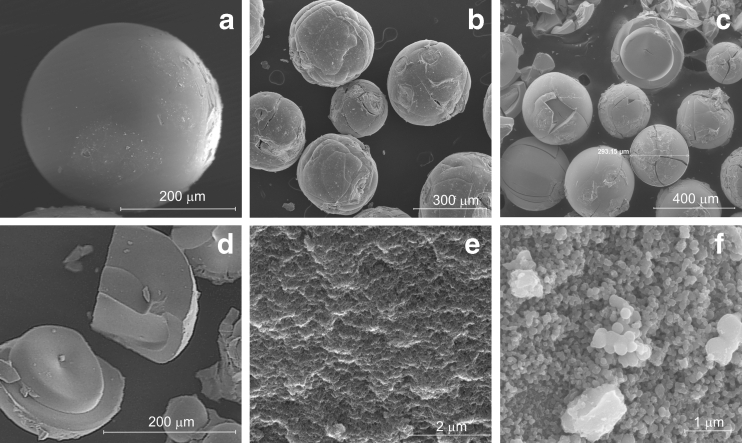
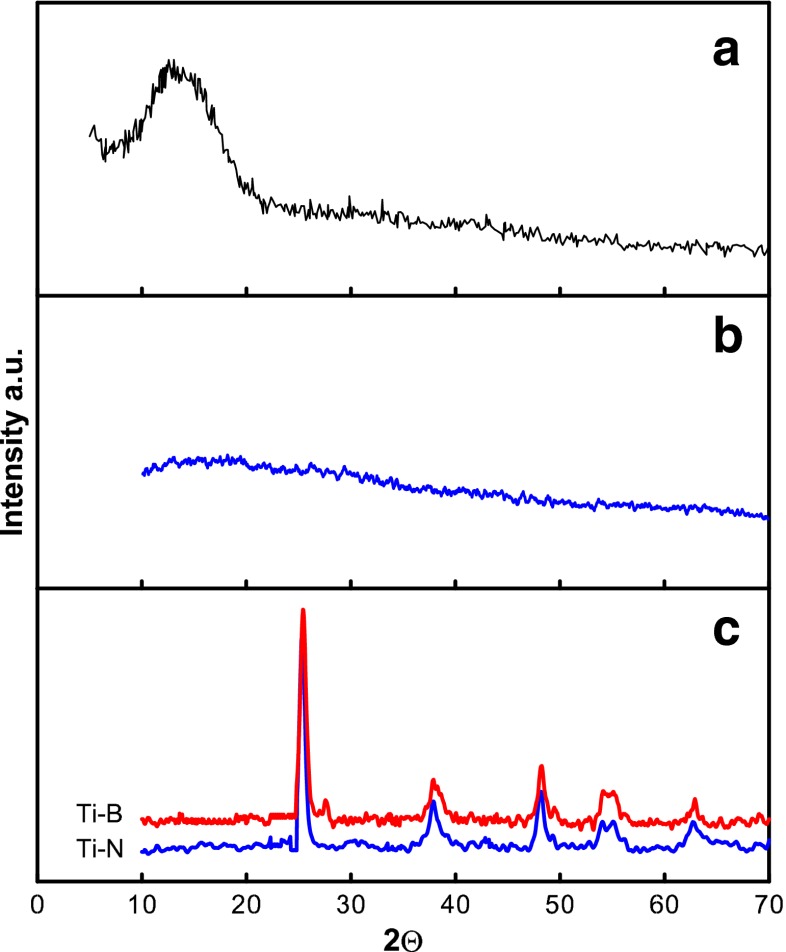
Polymer (XAD7HP)/Ti nanocomposites were prepared through the swelling of polymer in titanium (IV) ethoxide as a titanium dioxide precursor. The nanocomposite beads exhibit relatively high porosity different than the porosity of the initial polymer. Thermal treatment of composite particles up to 200 °C in vacuum causes the change of their internal structure. At higher temperature, the components of composite become more tightly packed. Calcination at 600 °C and total removal of polymer produce spherically shaped TiO condensed phase as determined by XRD. Thermally treated composites show the substantial change of pore dimensions within micro- and mesopores. The presence of micropores and their transformation during thermal processing was studied successfully by positron annihilation lifetime spectroscopy (PALS). The results derived from PALS experiment were compared with those obtaining from low-temperature nitrogen adsorption data.
聚合物(XAD7HP)/钛纳米复合材料是通过聚合物在作为二氧化钛前驱体的乙醇钛(IV)中溶胀来制备的。纳米复合珠粒表现出与初始聚合物孔隙率不同的相对较高的孔隙率。在真空中将复合颗粒热处理至200°C会导致其内部结构发生变化。在较高温度下,复合材料的组分堆积得更紧密。通过X射线衍射确定,在600°C下煅烧并完全去除聚合物会产生球形TiO凝聚相。热处理后的复合材料在微孔和介孔内显示出孔隙尺寸的显著变化。通过正电子湮没寿命谱(PALS)成功研究了微孔的存在及其在热加工过程中的转变。将PALS实验得到的结果与低温氮吸附数据得到的结果进行了比较。