• 文献检索
  • 文档翻译
  • 深度研究
  • 学术资讯
  • Suppr Zotero 插件Zotero 插件
  • 邀请有礼
  • 套餐&价格
  • 历史记录
应用&插件
Suppr Zotero 插件Zotero 插件浏览器插件Mac 客户端Windows 客户端微信小程序
定价
高级版会员购买积分包购买API积分包
服务
文献检索文档翻译深度研究API 文档MCP 服务
关于我们
关于 Suppr公司介绍联系我们用户协议隐私条款
关注我们

Suppr 超能文献

核心技术专利:CN118964589B侵权必究
粤ICP备2023148730 号-1Suppr @ 2026

文献检索

告别复杂PubMed语法,用中文像聊天一样搜索,搜遍4000万医学文献。AI智能推荐,让科研检索更轻松。

立即免费搜索

文件翻译

保留排版,准确专业,支持PDF/Word/PPT等文件格式,支持 12+语言互译。

免费翻译文档

深度研究

AI帮你快速写综述,25分钟生成高质量综述,智能提取关键信息,辅助科研写作。

立即免费体验

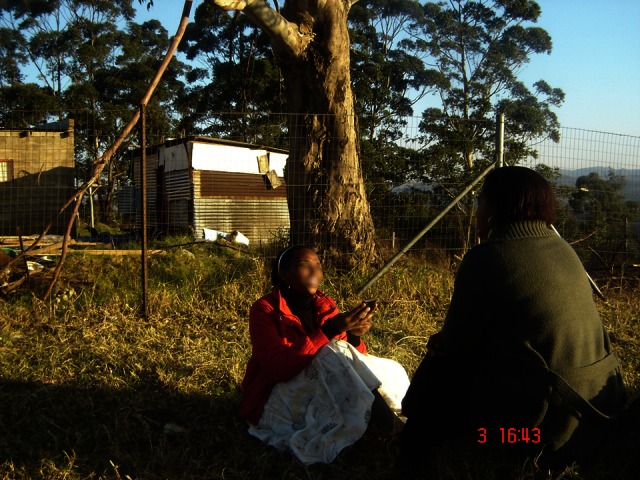
在非洲南部,通过手机辅助面对面访谈收集感染艾滋病毒的孕妇的孕产妇健康信息。

Collecting maternal health information from HIV-positive pregnant women using mobile phone-assisted face-to-face interviews in Southern Africa.

作者信息

van Heerden Alastair, Norris Shane, Tollman Stephen, Richter Linda, Rotheram-Borus Mary Jane

机构信息

Human Sciences Research Council, Pietermaritzburg, South Africa.

出版信息

J Med Internet Res. 2013 Jun 10;15(6):e116. doi: 10.2196/jmir.2207.

DOI:10.2196/jmir.2207
PMID:23748182
原文链接:https://pmc.ncbi.nlm.nih.gov/articles/PMC3713928/
Abstract

BACKGROUND

Most of the world's women living with human immunodeficiency virus (HIV) reside in sub-Saharan Africa. Although efforts to reduce mother-to-child transmission are underway, obtaining complete and accurate data from rural clinical sites to track progress presents a major challenge.

OBJECTIVE

To describe the acceptability and feasibility of mobile phones as a tool for clinic-based face-to-face data collection with pregnant women living with HIV in South Africa.

METHODS

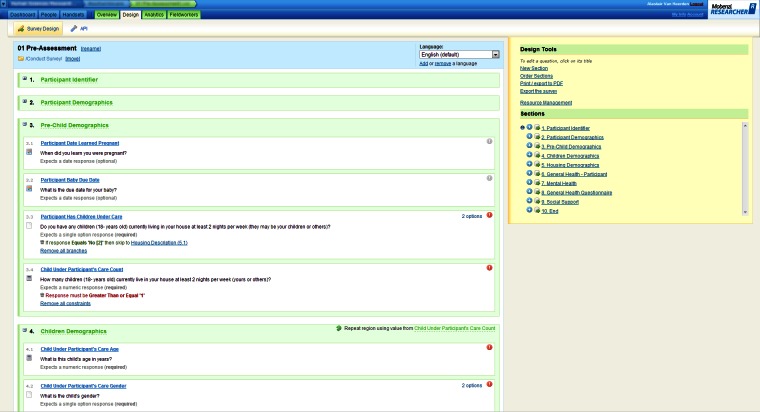
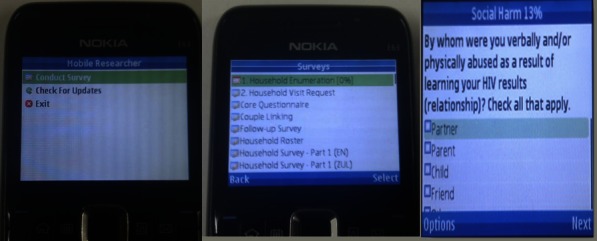
As part of a larger clinic-based trial, 16 interviewers were trained to conduct mobile phone-assisted personal interviews (MPAPI). These interviewers (participant group 1) completed the same short questionnaire based on items from the Technology Acceptance Model at 3 different time points. Questions were asked before training, after training, and 3 months after deployment to clinic facilities. In addition, before the start of the primary intervention trial in which this substudy was undertaken, 12 mothers living with HIV (MLH) took part in a focus group discussion exploring the acceptability of MPAPI (participant group 2). Finally, a sample of MLH (n=512) enrolled in the primary trial were asked to assess their experience of being interviewed by MPAPI (participant group 3).

RESULTS

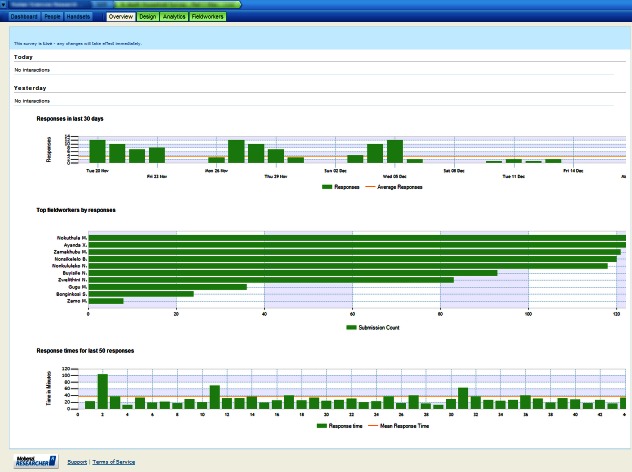
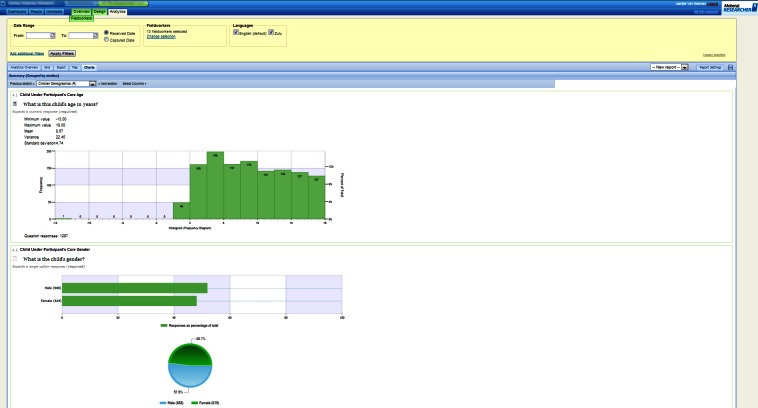
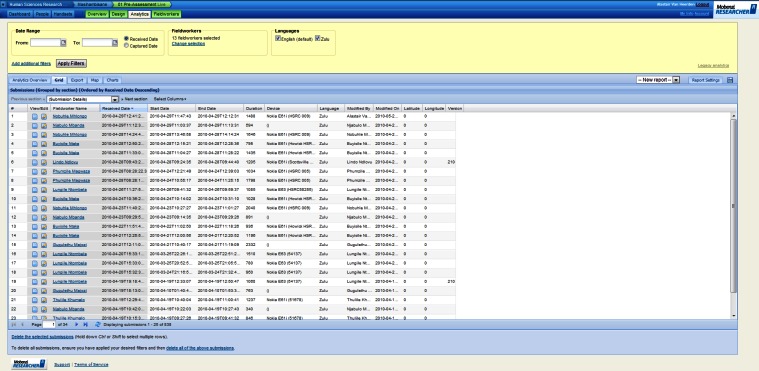
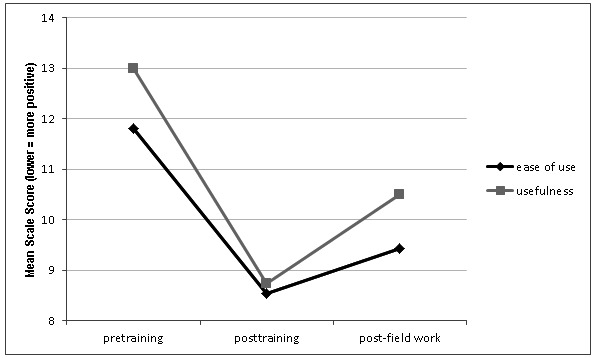
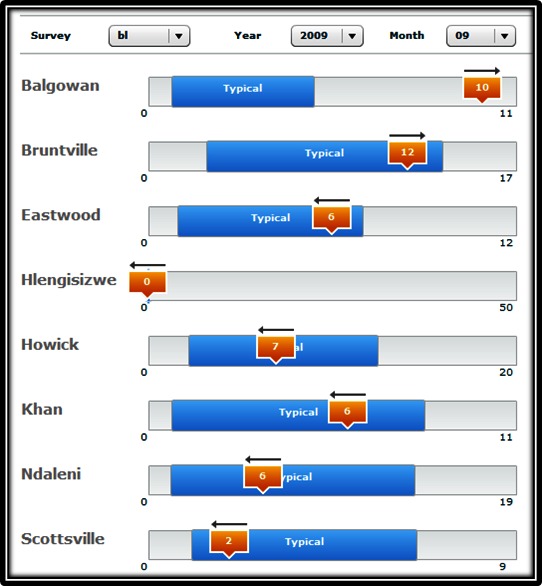
Acceptability of the method was found to be high among the 16 interviewers in group 1. Perceived usefulness was reported to be slightly higher than perceived ease of use across the 3 time points. After 3 months of field use, interviewer perceptions of both perceived ease of use and perceived usefulness were found to be higher than before training. The feasibility of conducting MPAPI interviews in this setting was found to be high. Network coverage was available in all clinics and hardware, software, cost, and secure transmission to the data center presented no significant challenges over the 21-month period. For the 12 MHL participants in group 2, anxiety about the multimedia capabilities of the phone was evident. Their concern centered on the possibility that their privacy may be invaded by interviewers using the mobile phone camera to photograph them. For participants in group 3, having the interviewer sit beside vs across from the interviewee during the MPAPI interview was received positively by 94.7% of MHL. Privacy (6.3%) and confidentiality (5.3%) concerns were low for group 3 MHL.

CONCLUSIONS

Mobile phones were found both to be acceptable and feasible in the collection of maternal and child health data from women living with HIV in South Africa.

TRIAL REGISTRATION

Clinicaltrials.gov NCT00972699; http://clinicaltrials.gov/ct2/show/NCT00972699 (Archived by WebCite at http://clinicaltrials.gov/ct2/show/NCT00972699).
https://cdn.ncbi.nlm.nih.gov/pmc/blobs/65aa/3713928/2af32daf4457/jmir_v15i6e116_fig8.jpg
https://cdn.ncbi.nlm.nih.gov/pmc/blobs/65aa/3713928/7fce93d91b73/jmir_v15i6e116_fig1.jpg
https://cdn.ncbi.nlm.nih.gov/pmc/blobs/65aa/3713928/b9eb0aa0b7d3/jmir_v15i6e116_fig2.jpg
https://cdn.ncbi.nlm.nih.gov/pmc/blobs/65aa/3713928/db728f9e7692/jmir_v15i6e116_fig3.jpg
https://cdn.ncbi.nlm.nih.gov/pmc/blobs/65aa/3713928/b5b618152192/jmir_v15i6e116_fig4.jpg
https://cdn.ncbi.nlm.nih.gov/pmc/blobs/65aa/3713928/fd1323e14855/jmir_v15i6e116_fig5.jpg
https://cdn.ncbi.nlm.nih.gov/pmc/blobs/65aa/3713928/76f2f17adfef/jmir_v15i6e116_fig6.jpg
https://cdn.ncbi.nlm.nih.gov/pmc/blobs/65aa/3713928/e87285f51d68/jmir_v15i6e116_fig7.jpg
https://cdn.ncbi.nlm.nih.gov/pmc/blobs/65aa/3713928/2af32daf4457/jmir_v15i6e116_fig8.jpg
https://cdn.ncbi.nlm.nih.gov/pmc/blobs/65aa/3713928/7fce93d91b73/jmir_v15i6e116_fig1.jpg
https://cdn.ncbi.nlm.nih.gov/pmc/blobs/65aa/3713928/b9eb0aa0b7d3/jmir_v15i6e116_fig2.jpg
https://cdn.ncbi.nlm.nih.gov/pmc/blobs/65aa/3713928/db728f9e7692/jmir_v15i6e116_fig3.jpg
https://cdn.ncbi.nlm.nih.gov/pmc/blobs/65aa/3713928/b5b618152192/jmir_v15i6e116_fig4.jpg
https://cdn.ncbi.nlm.nih.gov/pmc/blobs/65aa/3713928/fd1323e14855/jmir_v15i6e116_fig5.jpg
https://cdn.ncbi.nlm.nih.gov/pmc/blobs/65aa/3713928/76f2f17adfef/jmir_v15i6e116_fig6.jpg
https://cdn.ncbi.nlm.nih.gov/pmc/blobs/65aa/3713928/e87285f51d68/jmir_v15i6e116_fig7.jpg
https://cdn.ncbi.nlm.nih.gov/pmc/blobs/65aa/3713928/2af32daf4457/jmir_v15i6e116_fig8.jpg
摘要

背景

世界上大多数感染人类免疫缺陷病毒(HIV)的女性居住在撒哈拉以南非洲地区。尽管减少母婴传播的工作正在进行,但从农村临床机构获取完整准确的数据以跟踪进展仍面临重大挑战。

目的

描述在南非使用手机作为工具对感染HIV的孕妇进行基于诊所的面对面数据收集的可接受性和可行性。

方法

作为一项更大规模的基于诊所的试验的一部分,16名访谈员接受了手机辅助个人访谈(MPAPI)的培训。这些访谈员(参与组1)在3个不同时间点根据技术接受模型的项目完成了相同的简短问卷。在培训前、培训后以及部署到诊所设施3个月后进行提问。此外,在开展本子研究的主要干预试验开始前,12名感染HIV的母亲(MLH)参加了焦点小组讨论,探讨MPAPI的可接受性(参与组2)。最后,对参与主要试验的MLH样本(n = 512)进行询问,以评估他们接受MPAPI访谈的体验(参与组3)。

结果

在参与组1的16名访谈员中,该方法的可接受性较高。在3个时间点上,感知有用性被报告略高于感知易用性。经过3个月的实地使用,访谈员对感知易用性和感知有用性的看法均高于培训前。发现在这种情况下进行MPAPI访谈的可行性较高。在21个月期间,所有诊所均有网络覆盖,硬件、软件、成本以及向数据中心的安全传输均未构成重大挑战。对于参与组2的12名MLH参与者,对手机多媒体功能的焦虑明显。他们的担忧集中在访谈员可能使用手机摄像头拍摄他们从而侵犯其隐私的可能性上。对于参与组3的参与者,在MPAPI访谈期间,访谈员坐在受访者旁边而非对面得到了94.7%的MLH的肯定。参与组3的MLH对隐私(6.3%)和保密性(5.3%)的担忧较低。

结论

在南非,发现手机在从感染HIV的女性中收集母婴健康数据方面既具有可接受性又具有可行性。

试验注册

Clinicaltrials.gov NCT00972699;http://clinicaltrials.gov/ct2/show/NCT00972699(由WebCite存档于http://clinicaltrials.gov/ct2/show/NCT00972699)。

相似文献

1
Collecting maternal health information from HIV-positive pregnant women using mobile phone-assisted face-to-face interviews in Southern Africa.在非洲南部,通过手机辅助面对面访谈收集感染艾滋病毒的孕妇的孕产妇健康信息。
J Med Internet Res. 2013 Jun 10;15(6):e116. doi: 10.2196/jmir.2207.
2
Project Masihambisane: a cluster randomised controlled trial with peer mentors to improve outcomes for pregnant mothers living with HIV.马西哈姆比萨内项目:一项采用同伴导师的整群随机对照试验,旨在改善感染艾滋病毒的孕妇的结局。
Trials. 2011 Jan 4;12:2. doi: 10.1186/1745-6215-12-2.
3
The Implementation of a GPS-Based Location-Tracking Smartphone App in South Africa to Improve Engagement in HIV Care: Randomized Controlled Trial.基于 GPS 的位置追踪智能手机应用在南非改善 HIV 护理参与度的实施:随机对照试验。
JMIR Mhealth Uhealth. 2023 May 19;11:e44945. doi: 10.2196/44945.
4
Acceptability of a Mobile Phone Support Tool (Call for Life Uganda) for Promoting Adherence to Antiretroviral Therapy Among Young Adults in a Randomized Controlled Trial: Exploratory Qualitative Study.接受度的移动电话支持工具(呼吁生命乌干达)促进坚持抗逆转录病毒治疗的年轻人在一项随机对照试验:探索性定性研究。
JMIR Mhealth Uhealth. 2021 Jun 14;9(6):e17418. doi: 10.2196/17418.
5
Use of mobile phones and text messaging to decrease the turnaround time for early infant HIV diagnosis and notification in rural Zambia: an observational study.使用手机和短信减少赞比亚农村地区早期婴儿艾滋病毒诊断和通报的周转时间:一项观察性研究。
BMC Pediatr. 2017 Mar 8;17(1):66. doi: 10.1186/s12887-017-0822-z.
6
Acceptability and Feasibility of a Mobile Phone-Based Case Management Intervention to Retain Mothers and Infants from an Option B+ Program in Postpartum HIV Care.基于手机的病例管理干预措施在产后艾滋病毒护理中保留“B+方案”母婴的可接受性和可行性。
Matern Child Health J. 2015 Sep;19(9):2029-37. doi: 10.1007/s10995-015-1715-0.
7
Integrating mobile phones into medical abortion provision: intervention development, use, and lessons learned from a randomized controlled trial.将手机整合到医疗流产服务中:一项随机对照试验中的干预措施的制定、使用和经验教训。
JMIR Mhealth Uhealth. 2014 Feb 14;2(1):e5. doi: 10.2196/mhealth.3165.
8
Insaka: mobile phone support groups for adolescent pregnant women living with HIV.因萨卡:为感染艾滋病毒的青少年孕妇提供手机支持小组。
BMC Pregnancy Childbirth. 2021 Sep 30;21(1):663. doi: 10.1186/s12884-021-04140-6.
9
A mixed methods investigation of implementation barriers and facilitators to a daily mobile phone sexual risk assessment for young women in Soweto, South Africa.一项混合方法研究,调查在南非索韦托对年轻女性进行日常手机性风险评估的实施障碍和促进因素。
PLoS One. 2020 Apr 23;15(4):e0231086. doi: 10.1371/journal.pone.0231086. eCollection 2020.
10
Effect of a multicomponent behavioural PMTCT cluster randomised controlled trial on HIV stigma reduction among perinatal HIV positive women in Mpumalanga province, South Africa.多组分行为 PMTCT 整群随机对照试验对南非姆普马兰加省围产期 HIV 阳性妇女中 HIV 耻辱感的影响。
SAHARA J. 2018 Dec;15(1):80-88. doi: 10.1080/17290376.2018.1510787.

引用本文的文献

1
Health worker acceptability of an HIV testing mobile health application within a rural Zambian HIV treatment programme.赞比亚农村地区艾滋病毒治疗项目中卫生工作者对一款艾滋病毒检测移动健康应用程序的接受度
PLoS One. 2025 Jun 5;20(6):e0312646. doi: 10.1371/journal.pone.0312646. eCollection 2025.
2
The maternal and newborn health eCohort to track longitudinal care quality: study protocol and survey development.孕产妇和新生儿健康电子队列追踪纵向护理质量:研究方案和调查制定。
Glob Health Action. 2024 Dec 31;17(1):2392352. doi: 10.1080/16549716.2024.2392352. Epub 2024 Aug 20.
3
Acceptability and use of the electronic community health information system and its determinants among health extension workers in Ethiopia: a retrospective cross-sectional observational study.

本文引用的文献

1
Smartphone versus pen-and-paper data collection of infant feeding practices in rural China.中国农村地区婴儿喂养方式的智能手机与纸笔数据收集比较
J Med Internet Res. 2012 Sep 18;14(5):e119. doi: 10.2196/jmir.2183.
2
Pregnant women's access to PMTCT and ART services in South Africa and implications for universal antiretroviral treatment.南非孕妇获得 PMTCT 和 ART 服务的途径及其对普遍抗逆转录病毒治疗的影响。
PLoS One. 2011;6(12):e27907. doi: 10.1371/journal.pone.0027907. Epub 2011 Dec 5.
3
Mobile phone tools for field-based health care workers in low-income countries.
接受度和使用情况电子社区卫生信息系统及其决定因素在埃塞俄比亚的卫生工作者中:一项回顾性横断面观察研究。
BMC Med Inform Decis Mak. 2023 Dec 18;23(1):290. doi: 10.1186/s12911-023-02385-z.
4
Barriers and facilitators of using health information technologies by women: a scoping review.利用健康信息技术的障碍和促进因素:范围综述。
BMC Med Inform Decis Mak. 2023 Sep 5;23(1):176. doi: 10.1186/s12911-023-02280-7.
5
Digital Health Technologies for Maternal and Child Health in Africa and Other Low- and Middle-Income Countries: Cross-disciplinary Scoping Review With Stakeholder Consultation.数字健康技术在非洲和其他中低收入国家母婴健康中的应用:跨学科范围界定综述与利益相关者磋商。
J Med Internet Res. 2023 Apr 7;25:e42161. doi: 10.2196/42161.
6
Scoping review of health information technology usability methods leveraged in Africa.在非洲利用的卫生信息技术可用性方法的范围综述。
J Am Med Inform Assoc. 2023 Mar 16;30(4):726-737. doi: 10.1093/jamia/ocac236.
7
Factors Affecting the Transition from Paper to Digital Data Collection for Mobile Tuberculosis Active Case Finding in Low Internet Access Settings in Pakistan.影响巴基斯坦低互联网接入地区移动结核病主动病例发现从纸质数据收集向数字数据收集转变的因素
Trop Med Infect Dis. 2022 Aug 22;7(8):201. doi: 10.3390/tropicalmed7080201.
8
Feasibility and Acceptability of a Ugandan Telehealth Engagement Platform for Informational Messaging on Modern Contraception: Pilot Cross-sectional Study.乌干达远程医疗参与平台用于现代避孕信息传递的可行性和可接受性:试点横断面研究
JMIR Form Res. 2022 Jun 28;6(6):e34424. doi: 10.2196/34424.
9
Leaving no woman or girl behind? Inclusion and participation in digital maternal health programs in sub-Saharan Africa.不落一人?撒哈拉以南非洲数字母婴健康项目中的包容与参与。
Reprod Health. 2022 Feb 28;19(1):54. doi: 10.1186/s12978-022-01358-1.
10
Leveraging mobile health applications to improve sexual and reproductive health services in Nigeria: implications for practice and policy.利用移动健康应用程序改善尼日利亚的性健康和生殖健康服务:对实践和政策的影响。
Reprod Health. 2021 Jan 23;18(1):21. doi: 10.1186/s12978-021-01069-z.
面向低收入国家现场医护人员的手机工具。
Mt Sinai J Med. 2011 May-Jun;78(3):406-18. doi: 10.1002/msj.20256.
4
Implications of the new WHO guidelines on HIV and infant feeding for child survival in South Africa.新的世卫组织艾滋病毒和婴儿喂养指南对南非儿童生存的影响。
Bull World Health Organ. 2011 Jan 1;89(1):62-7. doi: 10.2471/BLT.10.079798. Epub 2010 Nov 22.
5
Project Masihambisane: a cluster randomised controlled trial with peer mentors to improve outcomes for pregnant mothers living with HIV.马西哈姆比萨内项目:一项采用同伴导师的整群随机对照试验,旨在改善感染艾滋病毒的孕妇的结局。
Trials. 2011 Jan 4;12:2. doi: 10.1186/1745-6215-12-2.
6
Universal antiretroviral treatment: the challenge of human resources.普及抗逆转录病毒治疗:人力资源的挑战。
Bull World Health Organ. 2010 Dec 1;88(12):951-2. doi: 10.2471/BLT.09.073890.
7
Stabilizing HIV prevalence masks high HIV incidence rates amongst rural and urban women in KwaZulu-Natal, South Africa.在南非夸祖鲁-纳塔尔省,HIV 流行率的稳定掩盖了城乡女性 HIV 发病率的高增长率。
Int J Epidemiol. 2011 Aug;40(4):922-30. doi: 10.1093/ije/dyq176. Epub 2010 Nov 3.
8
Exploring the patterns of use and the feasibility of using cellular phones for clinic appointment reminders and adherence messages in an antiretroviral treatment clinic, Durban, South Africa.探索在南非德班的一个抗逆转录病毒治疗诊所中使用手机进行门诊预约提醒和依从性信息的使用模式和可行性。
AIDS Patient Care STDS. 2010 Nov;24(11):729-34. doi: 10.1089/apc.2010.0146. Epub 2010 Nov 1.
9
Sub-Saharan Africa's mothers, newborns, and children: where and why do they die?撒哈拉以南非洲的母亲、新生儿和儿童:他们在哪里以及为什么死亡?
PLoS Med. 2010 Jun 21;7(6):e1000294. doi: 10.1371/journal.pmed.1000294.
10
Delivering comprehensive home-based care programmes for HIV: a review of lessons learned and challenges ahead in the era of antiretroviral therapy.为艾滋病毒患者提供全面的家庭护理方案:在抗逆转录病毒疗法时代总结经验教训和面临的挑战。
Health Policy Plan. 2010 Sep;25(5):352-62. doi: 10.1093/heapol/czq005. Epub 2010 Feb 8.