Basic Science Program, Basic Research Laboratory, Frederick National Laboratory for Cancer Research Frederick, MD, USA.
Front Immunol. 2013 May 27;4:118. doi: 10.3389/fimmu.2013.00118. eCollection 2013.
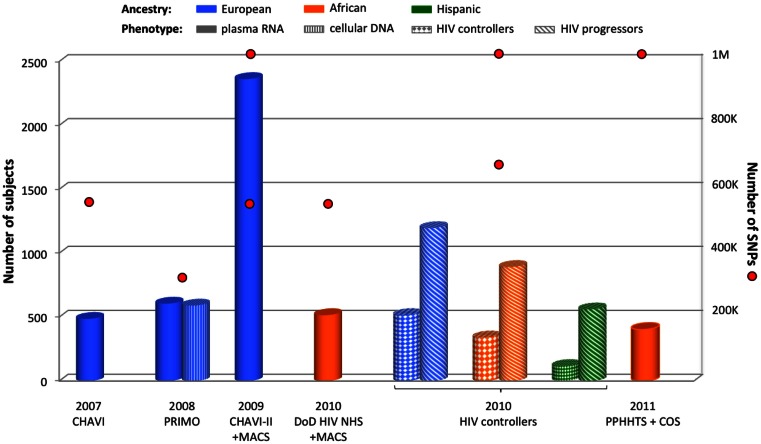
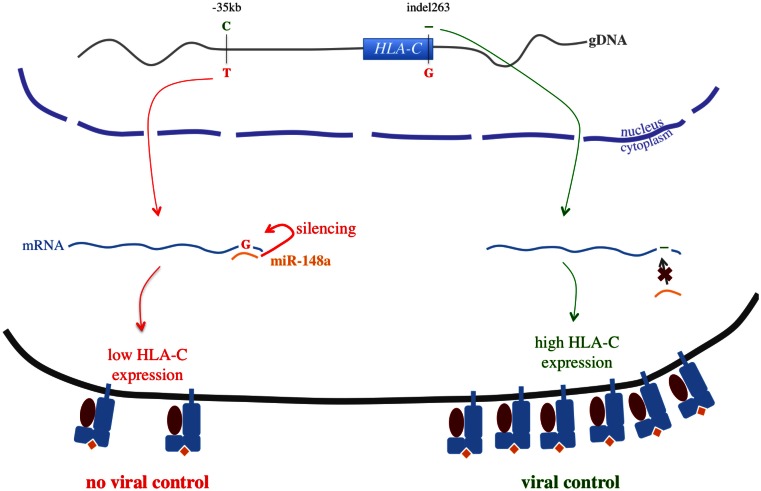
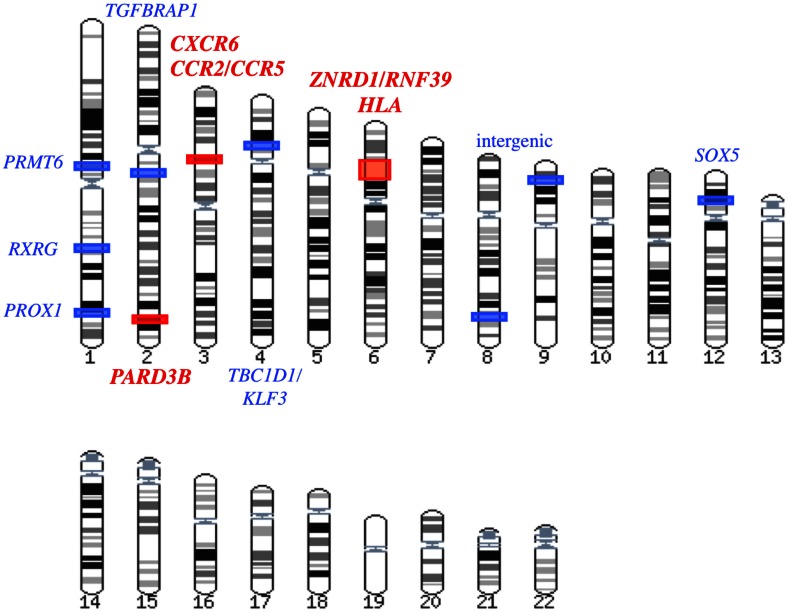
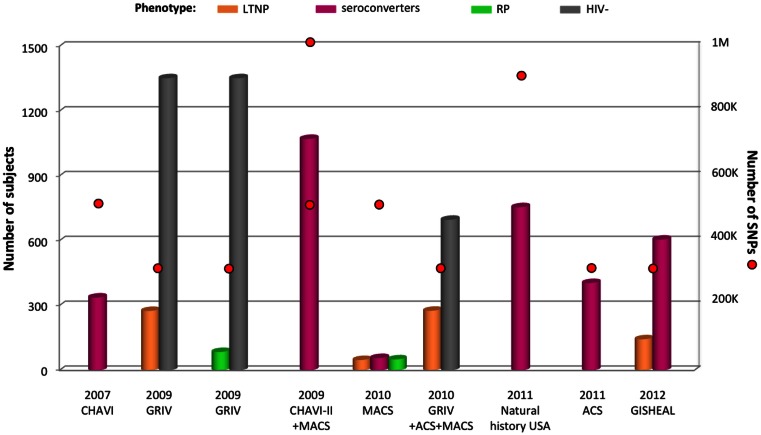
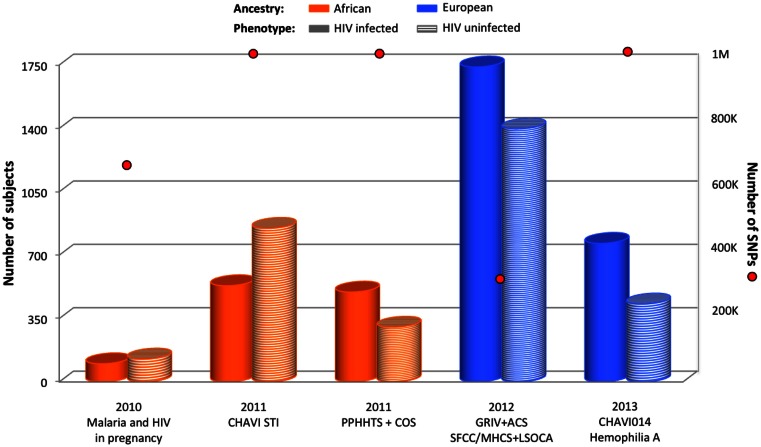
Very early after the identification of the human immunodeficiency virus (HIV), host genetics factors were anticipated to play a role in viral control and disease progression. As early as the mid-1990s, candidate gene studies demonstrated a central role for the chemokine co-receptor/ligand (e.g., CCR5) and human leukocyte antigen (HLA) systems. In the last decade, the advent of genome-wide arrays opened a new era for unbiased genetic exploration of the genome and brought big expectations for the identification of new unexpected genes and pathways involved in HIV/AIDS. More than 15 genome-wide association studies targeting various HIV-linked phenotypes have been published since 2007. Surprisingly, only the two HIV-chemokine co-receptors and HLA loci have exhibited consistent and reproducible statistically significant genetic associations. In this chapter, we will review the findings from the genome-wide studies focusing especially on non-progressive and HIV control phenotypes, and discuss the current perspectives.
早在人类免疫缺陷病毒 (HIV) 被发现后,人们就预计宿主遗传因素将在病毒控制和疾病进展中发挥作用。早在 20 世纪 90 年代中期,候选基因研究就表明趋化因子共受体/配体(例如 CCR5)和人类白细胞抗原(HLA)系统起着核心作用。在过去的十年中,基因组芯片的出现为对基因组进行无偏遗传探索开辟了一个新时代,并为鉴定参与 HIV/AIDS 的新的意想不到的基因和途径带来了巨大的期望。自 2007 年以来,已经发表了超过 15 项针对各种与 HIV 相关表型的全基因组关联研究。令人惊讶的是,只有 HIV-趋化因子共受体和 HLA 两个位点表现出一致且可重复的统计学上显著的遗传关联。在本章中,我们将重点介绍全基因组研究的结果,特别是针对非进展性和 HIV 控制表型,并讨论当前的观点。