Anyanwu Cynthia, Langenhan Jamie, Werth Victoria P
Philadelphia VA Medical CenterPhiladelphia, PA.
Department of Dermatology, University of Pennsylvania School of MedicinePhiladelphia, PA.
F1000Prime Rep. 2013 Jun 3;5:19. doi: 10.12703/P5-19. Print 2013.
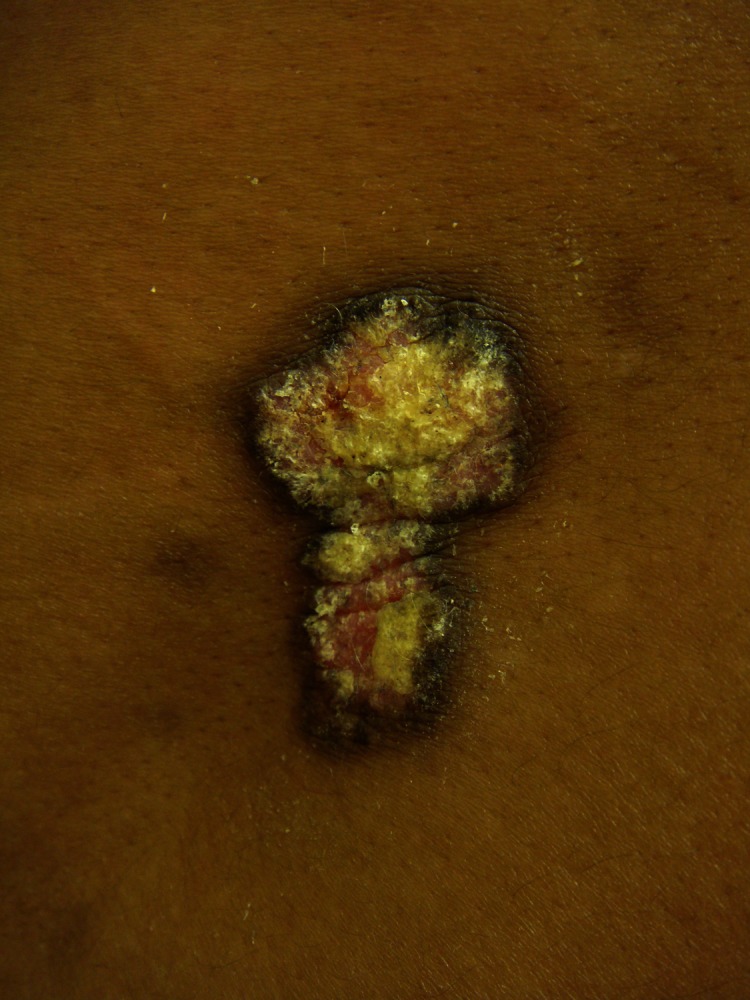
The development of disease-specific outcome instruments for several autoimmune skin diseases including cutaneous lupus erythematosus (CLE), dermatomyositis, vitiligo, pemphigus and alopecia areata has facilitated the objective assessment of disease in clinical trials. Validation of these instruments provides reliable tools to measure disease severity and therapeutic effect in clinical studies. However, the existence of multiple outcome measures for each disease and the lack of uniformity between studies has created a challenge in comparing results across trials. Efforts to address this issue include the Core Outcome Measures in Effectiveness Trials (COMET) initiative and international meetings directed at reaching a consensus. Other challenges with the use of outcome measures include difficulties measuring change in mild disease, measuring response in topical studies, and capturing disease activity in skin with extensive post-inflammatory hyperpigmentation.
针对几种自身免疫性皮肤病,包括皮肤红斑狼疮(CLE)、皮肌炎、白癜风、天疱疮和斑秃,开发疾病特异性结局指标有助于在临床试验中对疾病进行客观评估。这些指标的验证为临床研究中测量疾病严重程度和治疗效果提供了可靠工具。然而,每种疾病存在多种结局测量方法,且研究之间缺乏一致性,这给跨试验比较结果带来了挑战。解决这一问题的努力包括有效性试验核心结局指标(COMET)倡议以及旨在达成共识的国际会议。使用结局指标的其他挑战包括测量轻度疾病变化的困难、在局部治疗研究中测量反应的困难,以及在有广泛炎症后色素沉着的皮肤中捕捉疾病活动的困难。