Gupta Sachin, Mends Francine, Hagiwara Mari, Fatterpekar Girish, Roehm Pamela C
Department of Otolaryngology, New York University School of Medicine, New York, NY 10016, USA.
Radiol Res Pract. 2013;2013:248039. doi: 10.1155/2013/248039. Epub 2013 May 23.
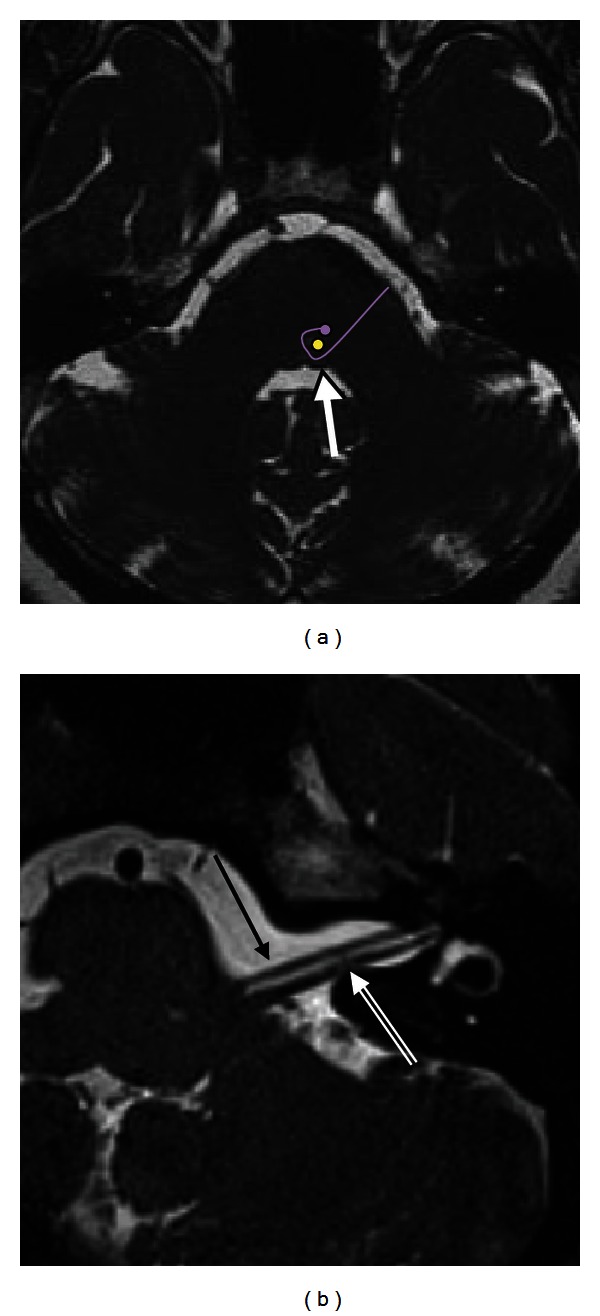
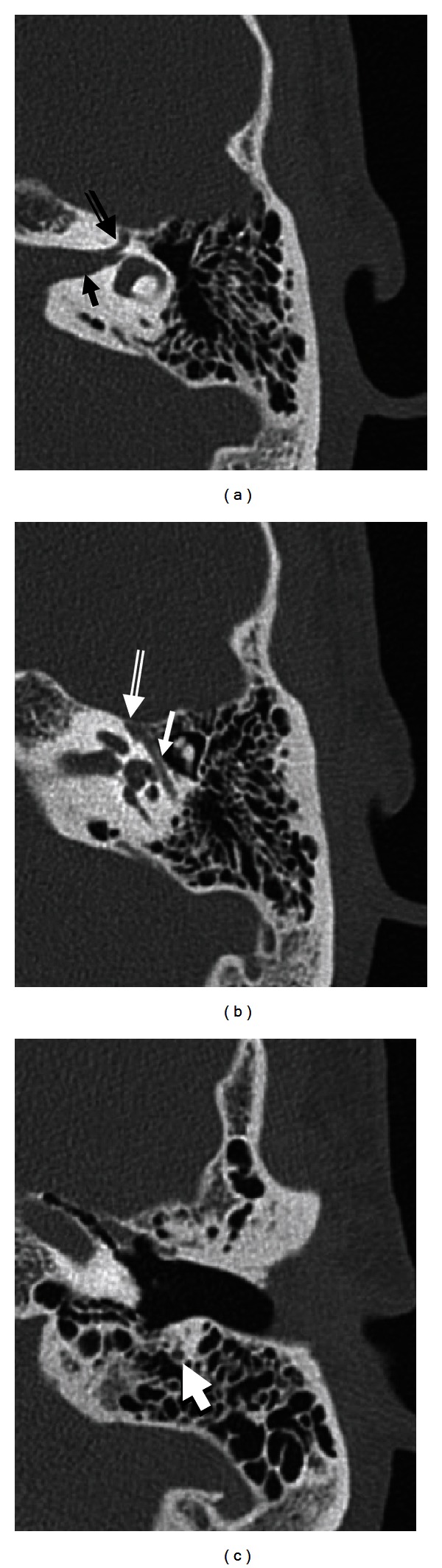
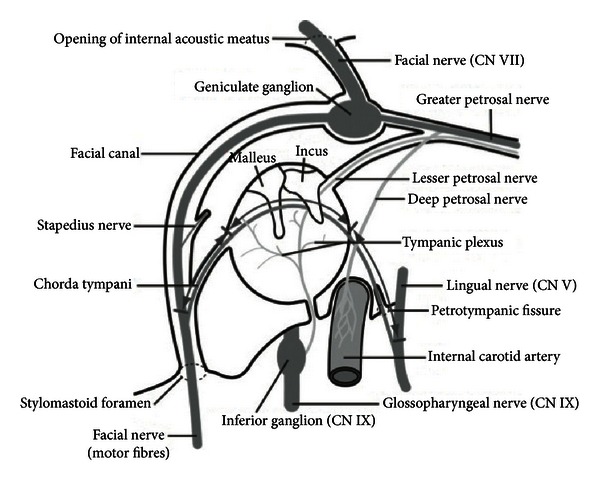
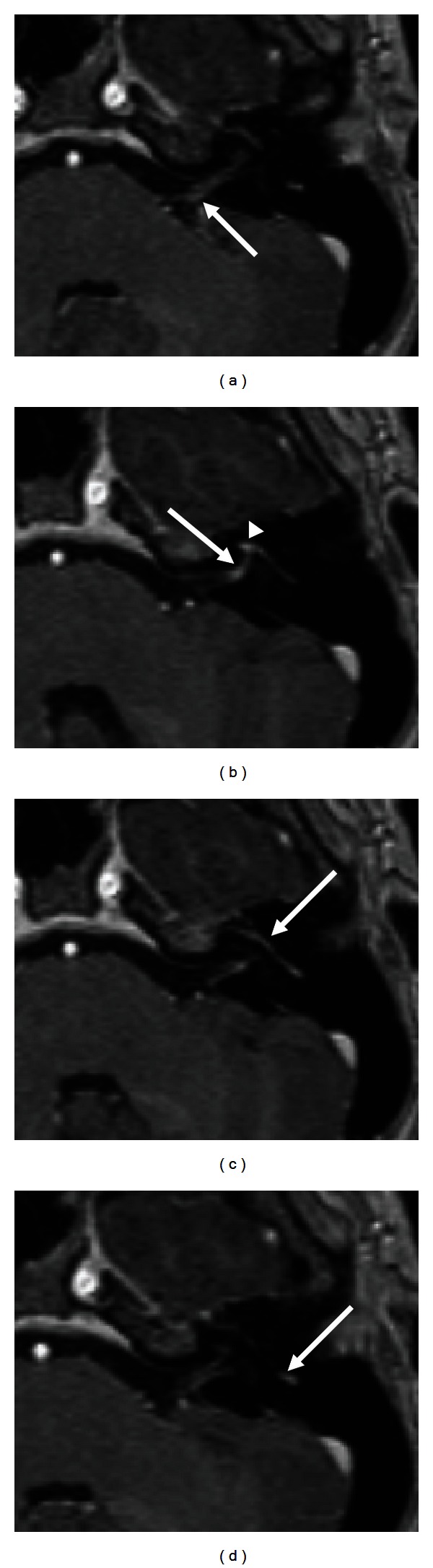
Imaging plays a critical role in the evaluation of a number of facial nerve disorders. The facial nerve has a complex anatomical course; thus, a thorough understanding of the course of the facial nerve is essential to localize the sites of pathology. Facial nerve dysfunction can occur from a variety of causes, which can often be identified on imaging. Computed tomography and magnetic resonance imaging are helpful for identifying bony facial canal and soft tissue abnormalities, respectively. Ultrasound of the facial nerve has been used to predict functional outcomes in patients with Bell's palsy. More recently, diffusion tensor tractography has appeared as a new modality which allows three-dimensional display of facial nerve fibers.
影像学在多种面神经疾病的评估中起着关键作用。面神经具有复杂的解剖走行;因此,对面神经走行的透彻理解对于定位病变部位至关重要。面神经功能障碍可由多种原因引起,这些原因通常可通过影像学检查识别。计算机断层扫描和磁共振成像分别有助于识别面神经骨管和软组织异常。面神经超声已被用于预测贝尔面瘫患者的功能预后。最近,扩散张量纤维束成像作为一种新的检查方法出现,它能够三维显示面神经纤维。