Pfizer Oncology, San Diego, California 92121, USA.
Genome Res. 2013 Sep;23(9):1422-33. doi: 10.1101/gr.154492.113. Epub 2013 Jun 20.
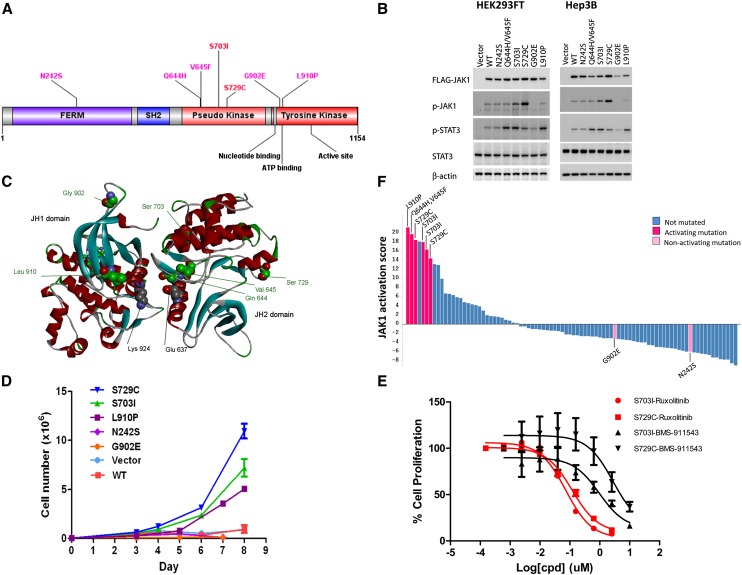
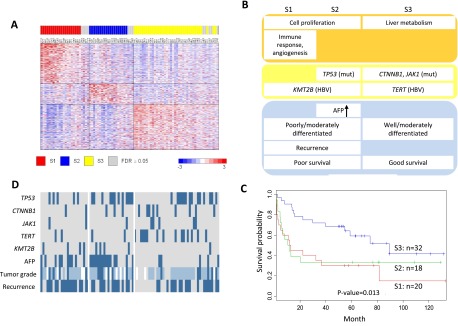
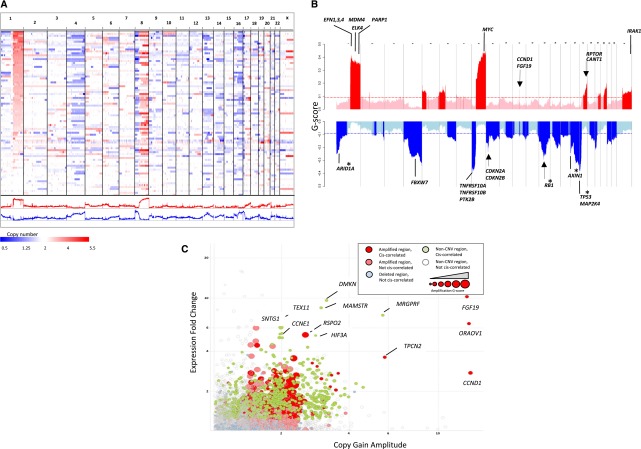
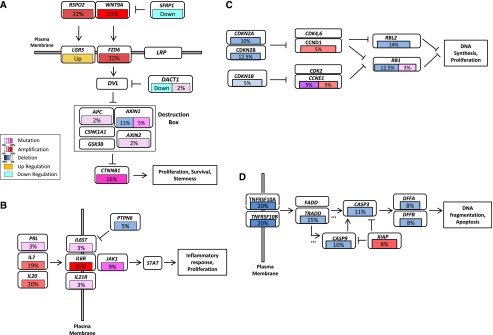
Hepatocellular carcinoma (HCC) is one of the most deadly cancers worldwide and has no effective treatment, yet the molecular basis of hepatocarcinogenesis remains largely unknown. Here we report findings from a whole-genome sequencing (WGS) study of 88 matched HCC tumor/normal pairs, 81 of which are Hepatitis B virus (HBV) positive, seeking to identify genetically altered genes and pathways implicated in HBV-associated HCC. We find beta-catenin to be the most frequently mutated oncogene (15.9%) and TP53 the most frequently mutated tumor suppressor (35.2%). The Wnt/beta-catenin and JAK/STAT pathways, altered in 62.5% and 45.5% of cases, respectively, are likely to act as two major oncogenic drivers in HCC. This study also identifies several prevalent and potentially actionable mutations, including activating mutations of Janus kinase 1 (JAK1), in 9.1% of patients and provides a path toward therapeutic intervention of the disease.
肝细胞癌 (HCC) 是全球最致命的癌症之一,目前尚无有效治疗方法,但肝癌发生的分子基础在很大程度上仍不清楚。在这里,我们报告了对 88 对匹配的 HCC 肿瘤/正常组织进行全基因组测序 (WGS) 研究的结果,其中 81 例为乙型肝炎病毒 (HBV) 阳性,旨在鉴定与 HBV 相关 HCC 相关的基因和途径中发生遗传改变的基因。我们发现β-连环蛋白是最常发生突变的癌基因 (15.9%),TP53 是最常发生突变的肿瘤抑制基因 (35.2%)。Wnt/β-连环蛋白和 JAK/STAT 途径分别在 62.5%和 45.5%的病例中发生改变,可能是 HCC 中的两个主要致癌驱动因素。这项研究还鉴定了一些常见且具有潜在可操作性的突变,包括 9.1%的患者存在 Janus 激酶 1 (JAK1) 的激活突变,并为该疾病的治疗干预提供了途径。