Nonclinical Safety Evaluation, Elan Pharmaceuticals Inc., South San Francisco, California, United States of America.
PLoS One. 2013 Jun 14;8(6):e66164. doi: 10.1371/journal.pone.0066164. Print 2013.
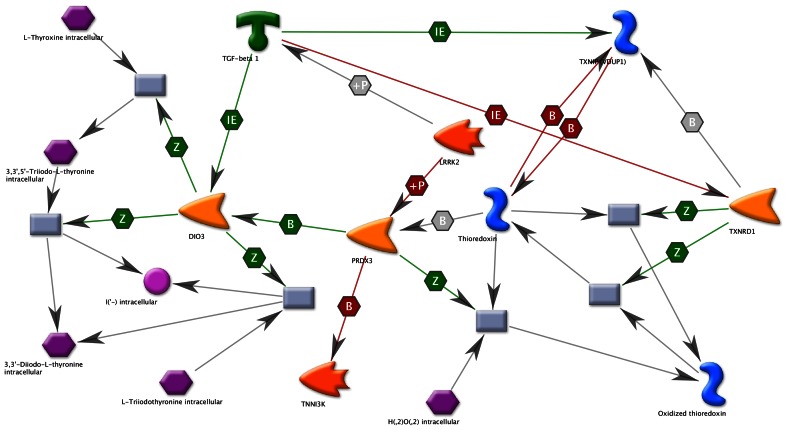
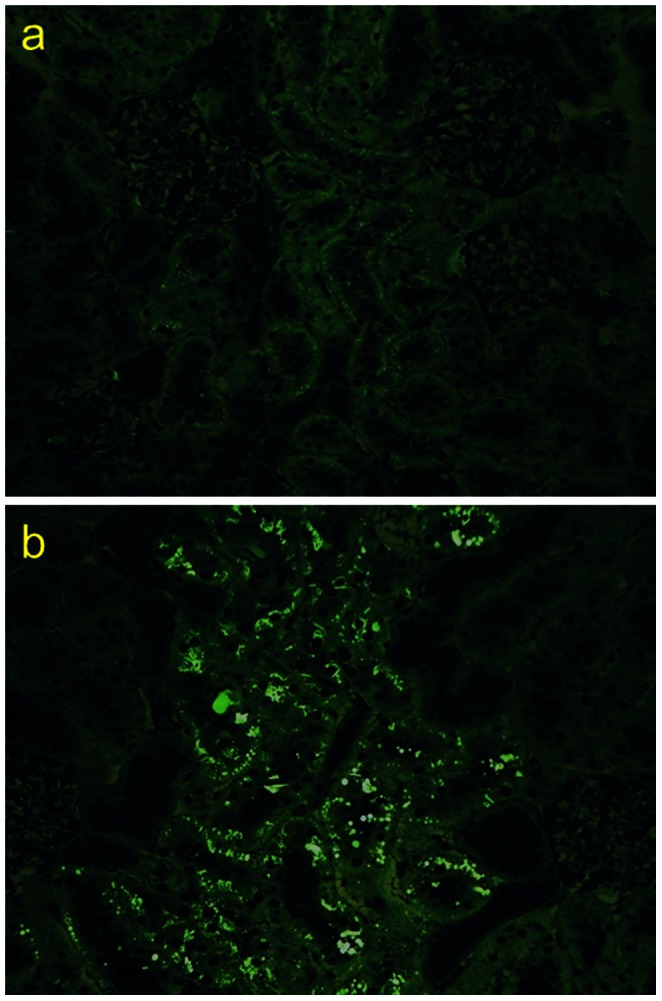
Genetic evidence links mutations in the LRRK2 gene with an increased risk of Parkinson's disease, for which no neuroprotective or neurorestorative therapies currently exist. While the role of LRRK2 in normal cellular function has yet to be fully described, evidence suggests involvement with immune and kidney functions. A comparative study of LRRK2-deficient and wild type rats investigated the influence that this gene has on the phenotype of these rats. Significant weight gain in the LRRK2 null rats was observed and was accompanied by significant increases in insulin and insulin-like growth factors. Additionally, LRRK2-deficient rats displayed kidney morphological and histopathological alterations in the renal tubule epithelial cells of all animals assessed. These perturbations in renal morphology were accompanied by significant decreases of lipocalin-2, in both the urine and plasma of knockout animals. Significant alterations in the cellular composition of the spleen between LRRK2 knockout and wild type animals were identified by immunophenotyping and were associated with subtle differences in response to dual infection with rat-adapted influenza virus (RAIV) and Streptococcus pneumoniae. Ontological pathway analysis of LRRK2 across metabolic and kidney processes and pathological categories suggested that the thioredoxin network may play a role in perturbing these organ systems. The phenotype of the LRRK2 null rat is suggestive of a complex biology influencing metabolism, immune function and kidney homeostasis. These data need to be extended to better understand the role of the kinase domain or other biological functions of the gene to better inform the development of pharmacological inhibitors.
遗传证据将 LRRK2 基因突变与帕金森病的风险增加联系起来,而目前尚无针对这种疾病的神经保护或神经修复疗法。虽然 LRRK2 在正常细胞功能中的作用尚未得到充分描述,但有证据表明它与免疫和肾脏功能有关。一项对 LRRK2 缺陷型和野生型大鼠的比较研究调查了该基因对这些大鼠表型的影响。LRRK2 基因缺失型大鼠体重显著增加,同时胰岛素和胰岛素样生长因子显著增加。此外,在所有评估的动物中,LRRK2 基因缺失型大鼠的肾小管上皮细胞均出现肾脏形态和组织病理学改变。这种肾脏形态的改变伴随着尿中和血浆中亲脂素-2 的显著减少。通过免疫表型鉴定,发现 LRRK2 基因敲除和野生型动物之间的脾脏细胞组成有显著改变,并且与大鼠适应性流感病毒 (RAIV) 和肺炎链球菌双重感染的反应存在细微差异有关。对代谢和肾脏过程以及病理分类中的 LRRK2 进行的本体论途径分析表明,硫氧还蛋白网络可能在扰乱这些器官系统中发挥作用。LRRK2 基因敲除大鼠的表型提示复杂的生物学影响代谢、免疫功能和肾脏稳态。需要进一步扩展这些数据,以更好地了解激酶结构域或该基因的其他生物学功能的作用,从而为药理学抑制剂的开发提供更好的信息。