Duggal Rohit, Geissinger Ulrike, Zhang Qian, Aguilar Jason, Chen Nanhai G, Binda Elena, Vescovi Angelo L, Szalay Aladar A
J Transl Med. 2013 Jun 24;11:155. doi: 10.1186/1479-5876-11-155.
Glioblastoma multiforme (GBM) is one of the most aggressive forms of cancer with a high rate of recurrence. We propose a novel oncolytic vaccinia virus (VACV)-based therapy using expression of the bone morphogenetic protein (BMP)-4 for treating GBM and preventing recurrence.
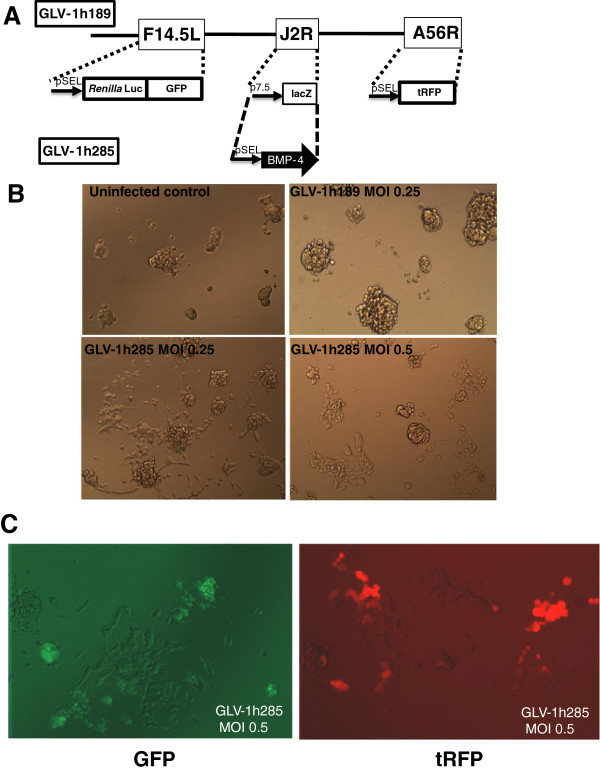
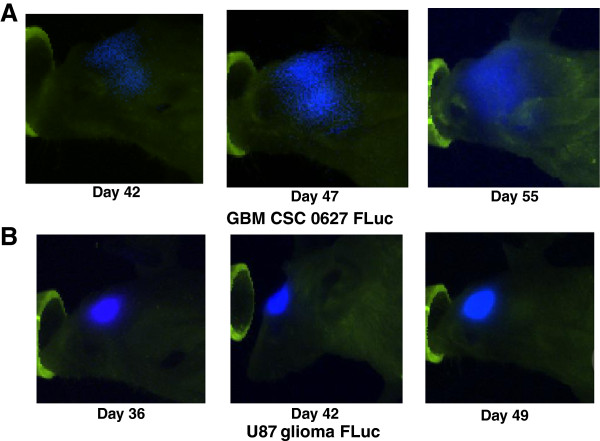
We have utilized clinically relevant, orthotopic xenograft models of GBM based on tumor-biopsy derived, primary cancer stem cell (CSC) lines. One of the cell lines, after being transduced with a cDNA encoding firefly luciferase, could be used for real time tumor imaging. A VACV that expresses BMP-4 was constructed and utilized for infecting several primary glioma cultures besides conventional serum-grown glioma cell lines. This virus was also delivered intracranially upon implantation of the GBM CSCs in mice to determine effects on tumor growth.
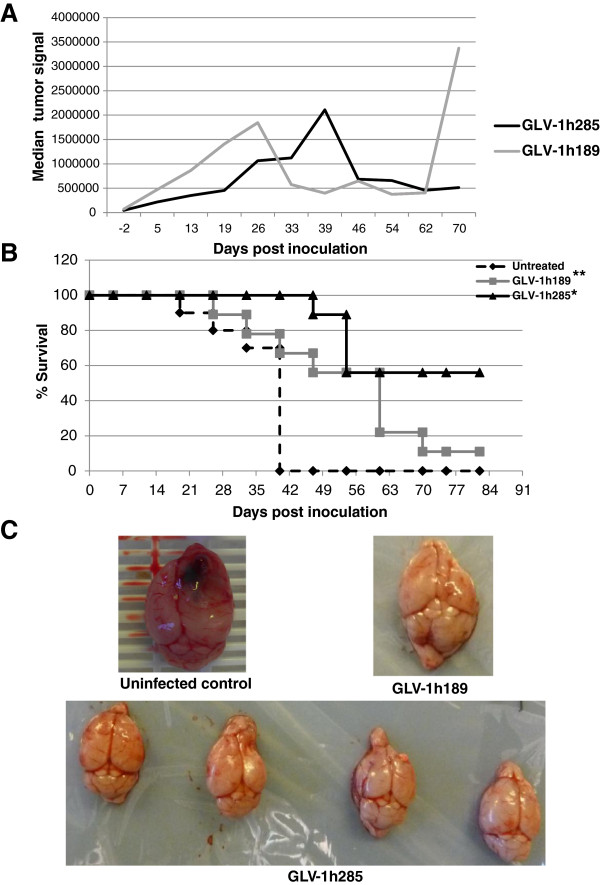
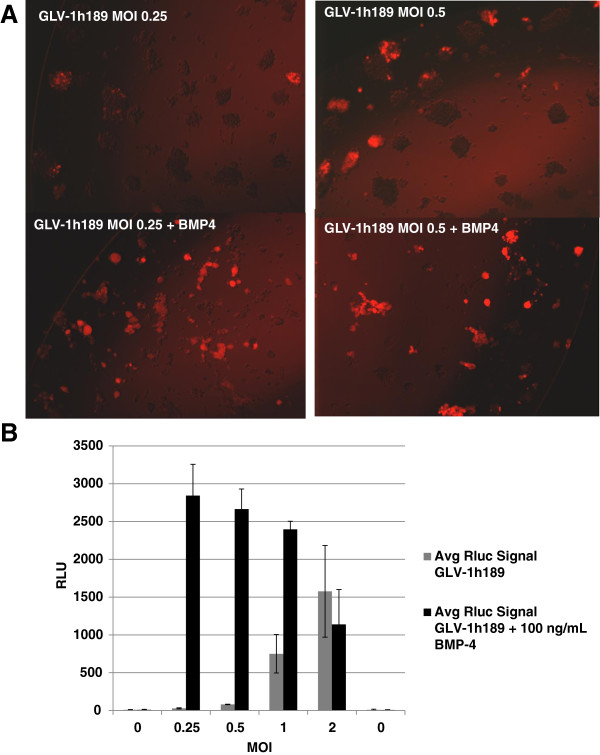
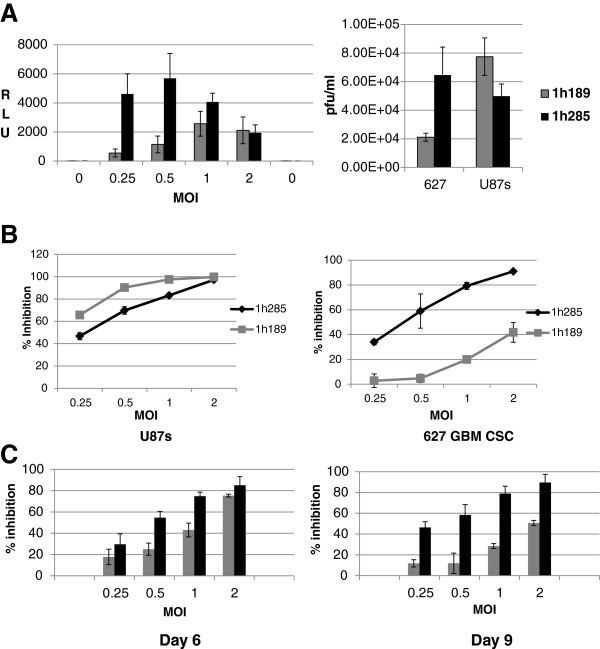
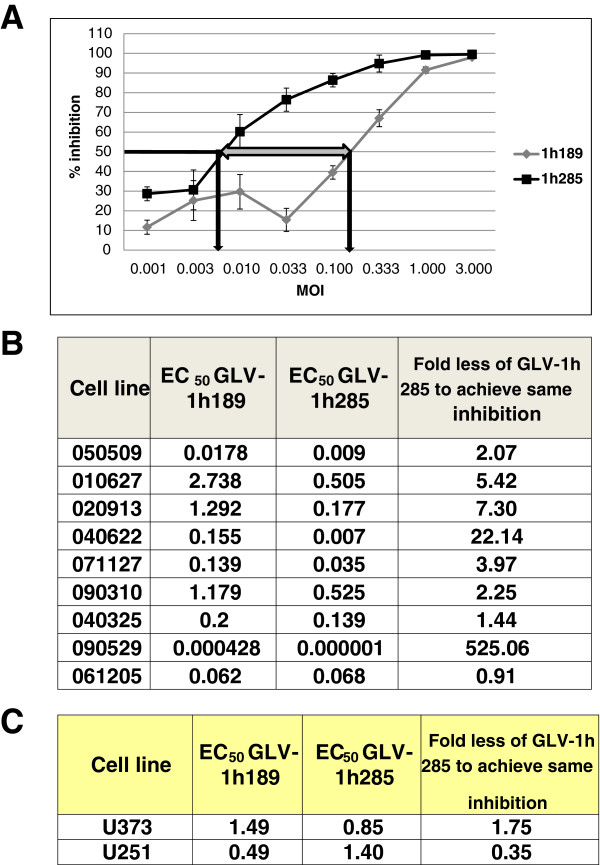
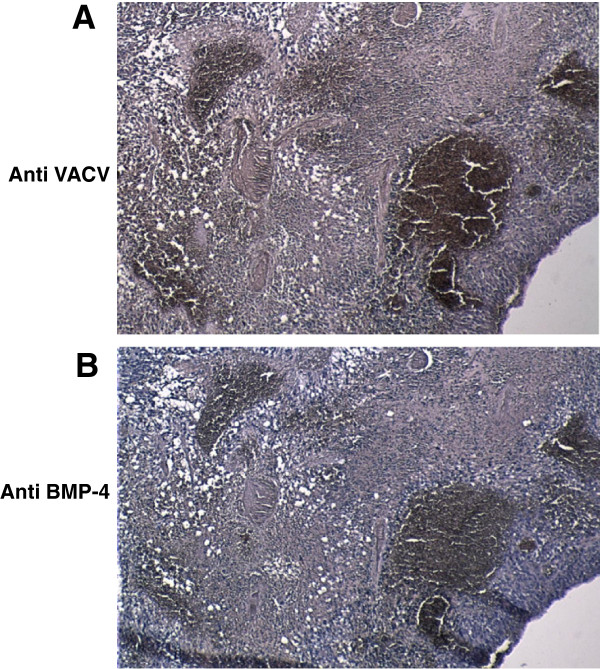
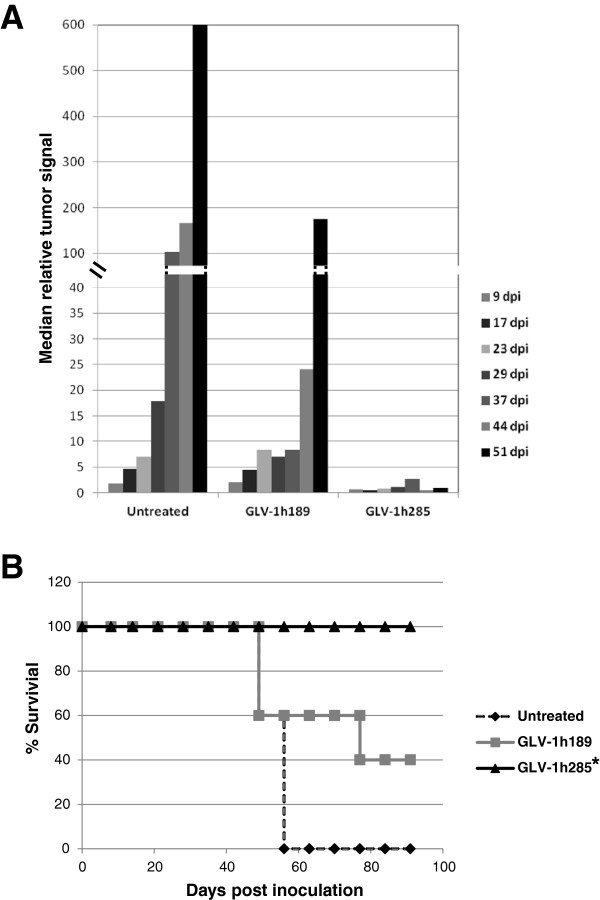
We found that the VACV that overexpresses BMP-4 demonstrated heightened replication and cytotoxic activity in GBM CSC cultures with a broad spectrum of activity across several different patient-biopsy cultures. Intracranial inoculation of mice with this virus resulted in a tumor size equal to or below that at the time of injection. This resulted in survival of 100% of the treated mice up to 84 days post inoculation, significantly superior to that of a VACV lacking BMP-4 expression. When mice with a higher tumor burden were injected with the VACV lacking BMP-4, 80% of the mice showed tumor recurrence. In contrast, no recurrence was seen when mice were injected with the VACV expressing BMP-4, possibly due to induction of differentiation in the CSC population and subsequently serving as a better host for VACV infection and oncolysis. This lack of recurrence resulted in superior survival in the BMP-4 VACV treated group.
Based on these findings we propose a novel VACV therapy for treating GBM, which would allow tumor specific production of drugs in the future in combination with BMPs which would simultaneously control tumor maintenance and facilitate CSC differentiation, respectively, thereby causing sustained tumor regression without recurrence.
多形性胶质母细胞瘤(GBM)是最具侵袭性的癌症形式之一,复发率很高。我们提出了一种基于溶瘤痘苗病毒(VACV)的新型疗法,利用骨形态发生蛋白(BMP)-4的表达来治疗GBM并预防复发。
我们利用了基于肿瘤活检衍生的原发性癌症干细胞(CSC)系的GBM临床相关原位异种移植模型。其中一个细胞系在用编码萤火虫荧光素酶的cDNA转导后,可用于实时肿瘤成像。构建了一种表达BMP-4的VACV,并用于感染几种原发性胶质瘤培养物以及传统血清培养的胶质瘤细胞系。在将GBM CSCs植入小鼠体内时,也将这种病毒颅内给药,以确定对肿瘤生长的影响。
我们发现,过表达BMP-4的VACV在GBM CSC培养物中表现出增强的复制和细胞毒性活性,在几种不同的患者活检培养物中具有广泛的活性。用这种病毒对小鼠进行颅内接种后,肿瘤大小等于或低于注射时的大小。这导致100%的治疗小鼠在接种后84天内存活,明显优于缺乏BMP-4表达的VACV。当给肿瘤负荷较高的小鼠注射缺乏BMP-4的VACV时,80%的小鼠出现肿瘤复发。相比之下,给小鼠注射表达BMP-4的VACV时未观察到复发,这可能是由于CSC群体中分化的诱导,随后成为VACV感染和溶瘤的更好宿主。这种无复发情况导致BMP-4 VACV治疗组的存活率更高。
基于这些发现,我们提出了一种治疗GBM的新型VACV疗法,该疗法未来将允许在肿瘤中特异性产生药物,并与BMP联合使用,分别同时控制肿瘤维持和促进CSC分化,从而导致持续的肿瘤消退且无复发。