Ball Simon T, Kelly Michelle L, Robson Joan E, Turner Martin D, Harrison Jackie, Jones Lynn, Napper Diane, Beechey Colin V, Hough Tertius, Plagge Antonius, Cattanach Bruce M, Cox Roger D, Peters Jo
Medical Research Council Mammalian Genetics Unit, Harwell Science and Innovation Campus, Harwell, Oxfordshire, United Kingdom.
PLoS One. 2013 Jun 18;8(6):e65639. doi: 10.1371/journal.pone.0065639. Print 2013.
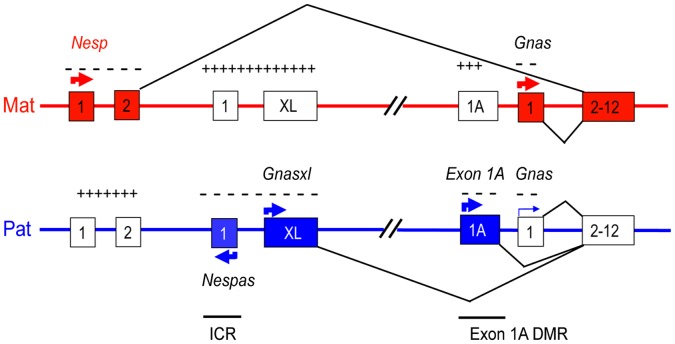
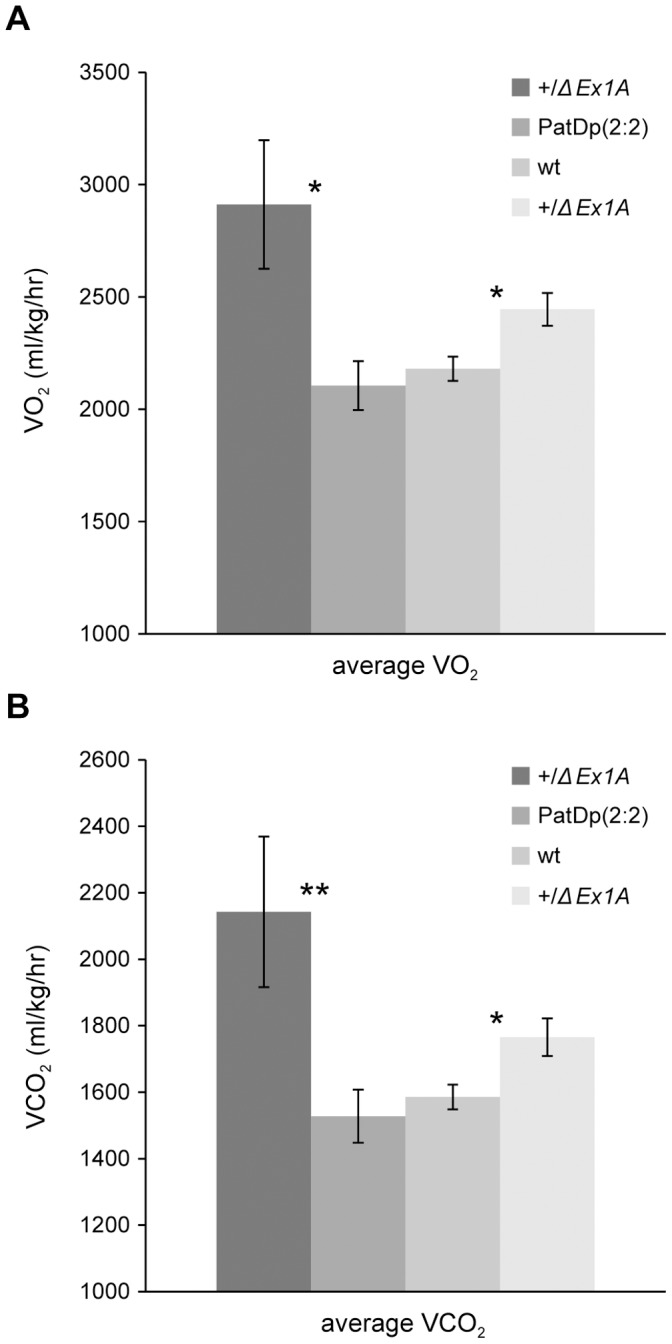
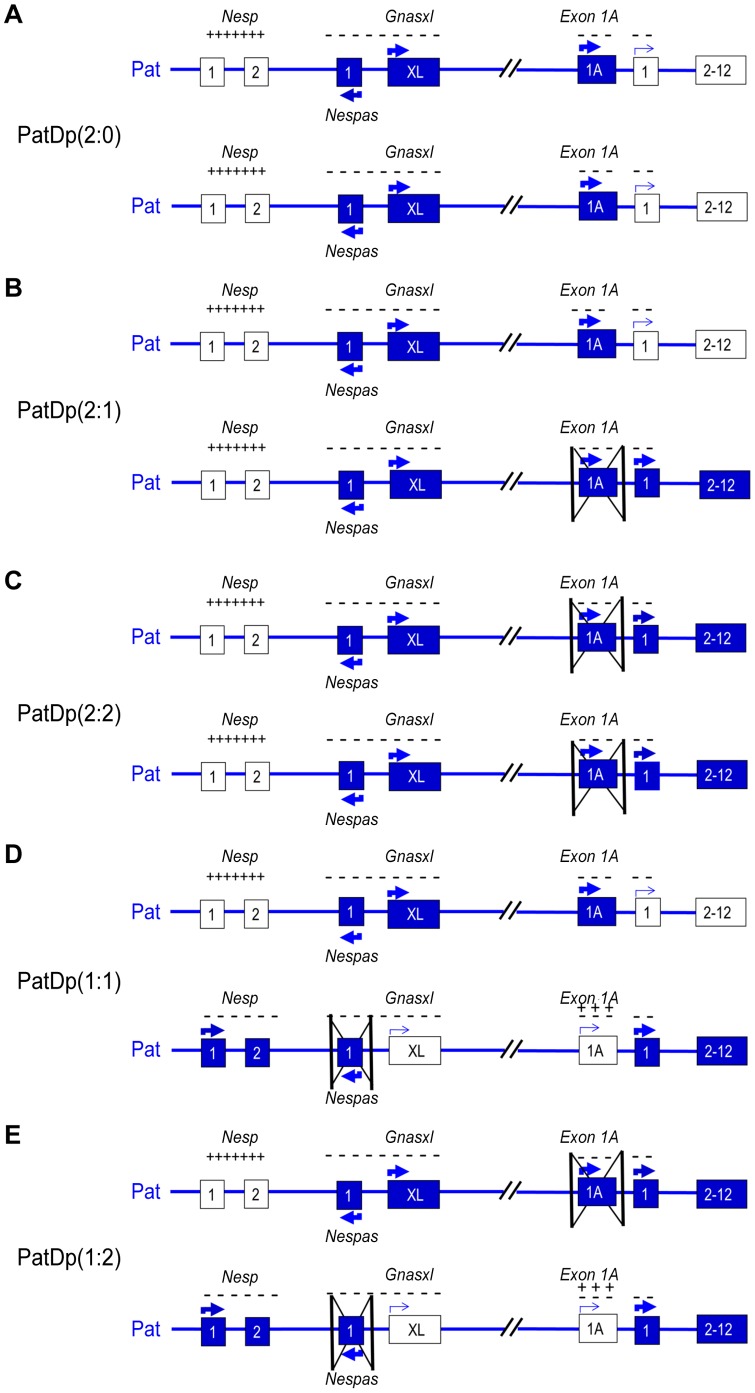
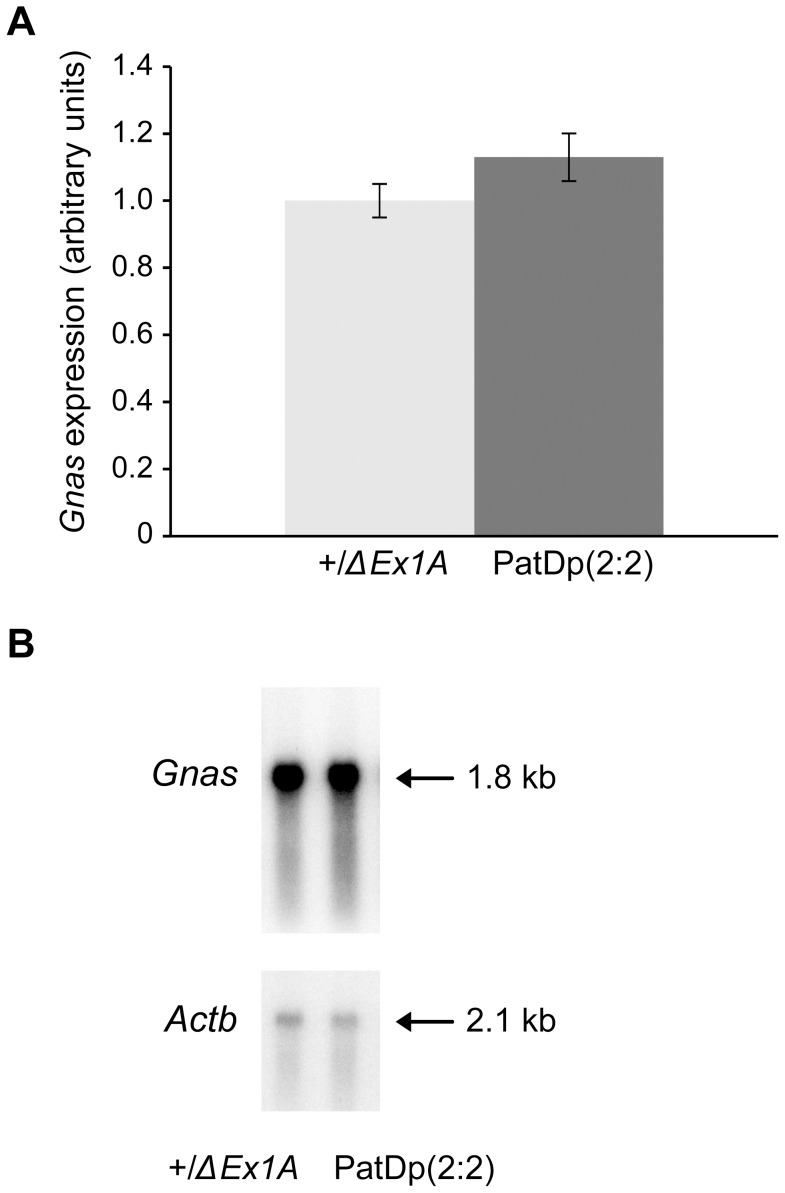
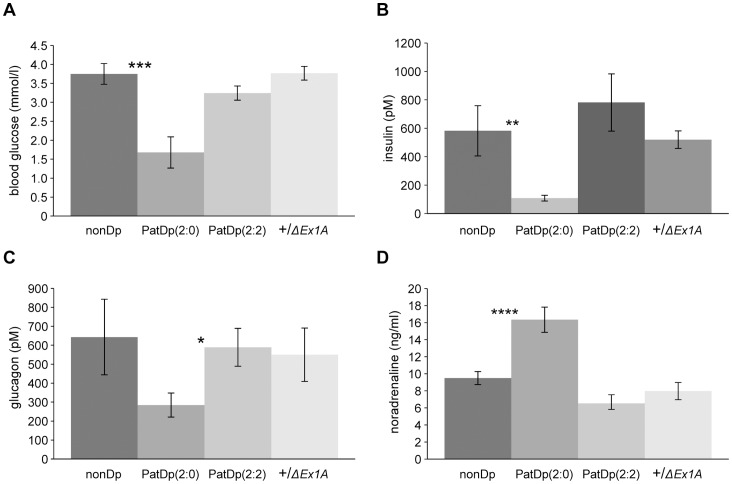
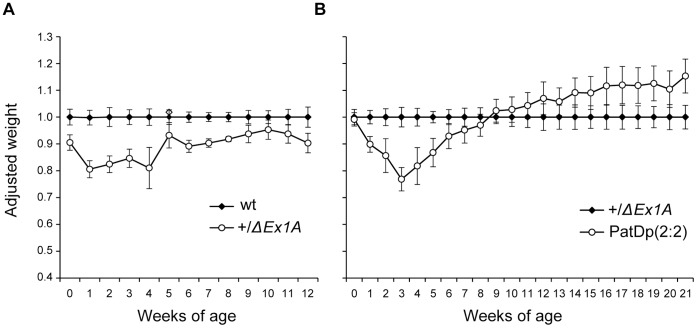
Genomic imprinting results in parent-of-origin-dependent monoallelic gene expression. Early work showed that distal mouse chromosome 2 is imprinted, as maternal and paternal duplications of the region (with corresponding paternal and maternal deficiencies) give rise to different anomalous phenotypes with early postnatal lethalities. Newborns with maternal duplication (MatDp(dist2)) are long, thin and hypoactive whereas those with paternal duplication (PatDp(dist2)) are chunky, oedematous, and hyperactive. Here we focus on PatDp(dist2). Loss of expression of the maternally expressed Gnas transcript at the Gnas cluster has been thought to account for the PatDp(dist2) phenotype. But PatDp(dist2) also have two expressed doses of the paternally expressed Gnasxl transcript. Through the use of targeted mutations, we have generated PatDp(dist2) mice predicted to have 1 or 2 expressed doses of Gnasxl, and 0, 1 or 2 expressed doses of Gnas. We confirm that oedema is due to lack of expression of imprinted Gnas alone. We show that it is the combination of a double dose of Gnasxl, with no dose of imprinted Gnas, that gives rise to the characteristic hyperactive, chunky, oedematous, lethal PatDp(dist2) phenotype, which is also hypoglycaemic. However PatDp(dist2) mice in which the dosage of the Gnasxl and Gnas is balanced (either 2∶2 or 1∶1) are neither dysmorphic nor hyperactive, have normal glucose levels, and are fully viable. But PatDp(dist2) with biallelic expression of both Gnasxl and Gnas show a marked postnatal growth retardation. Our results show that most of the PatDp(dist2) phenotype is due to overexpression of Gnasxl combined with loss of expression of Gnas, and suggest that Gnasxl and Gnas may act antagonistically in a number of tissues and to cause a wide range of phenotypic effects. It can be concluded that monoallelic expression of both Gnasxl and Gnas is a requirement for normal postnatal growth and development.
基因组印记导致基因的单等位基因表达依赖于亲本来源。早期研究表明,小鼠2号染色体远端是印记的,因为该区域的母本和父本重复(以及相应的父本和母本缺失)会导致不同的异常表型,并在出生后早期致死。具有母本重复的新生儿(MatDp(dist2))体型瘦长且活动减少,而具有父本重复的新生儿(PatDp(dist2))体型矮胖、水肿且活动过度。在此我们聚焦于PatDp(dist2)。一直以来认为,Gnas基因座上母本表达的Gnas转录本的表达缺失是造成PatDp(dist2)表型的原因。但PatDp(dist2)也有两份父本表达的Gnasxl转录本的表达剂量。通过使用靶向突变,我们培育出了预计具有1或2份Gnasxl表达剂量以及0、1或2份Gnas表达剂量的PatDp(dist2)小鼠。我们证实水肿仅是由于印记的Gnas表达缺失所致。我们发现,两份Gnasxl剂量且无印记Gnas剂量的组合导致了典型的活动过度、矮胖、水肿、致死的PatDp(dist2)表型,该表型还伴有低血糖。然而,Gnasxl和Gnas剂量平衡(2∶2或1∶1)的PatDp(dist2)小鼠既无畸形也无活动过度,血糖水平正常,且完全存活。但Gnasxl和Gnas均双等位基因表达的PatDp(dist2)表现出明显的出生后生长迟缓。我们的结果表明,PatDp(dist2)的大多数表型是由于Gnasxl过表达与Gnas表达缺失共同作用所致,并提示Gnasxl和Gnas可能在许多组织中起拮抗作用,从而导致广泛的表型效应。可以得出结论,Gnasxl和Gnas的单等位基因表达是出生后正常生长发育的必要条件。