Jia Yifei, Jiao Shengwu, Zhang Yamian, Zhou Yan, Lei Guangchun, Liu Guanhua
Beijing Forestry University, Beijing, China.
PLoS One. 2013 Jun 18;8(6):e65843. doi: 10.1371/journal.pone.0065843. Print 2013.
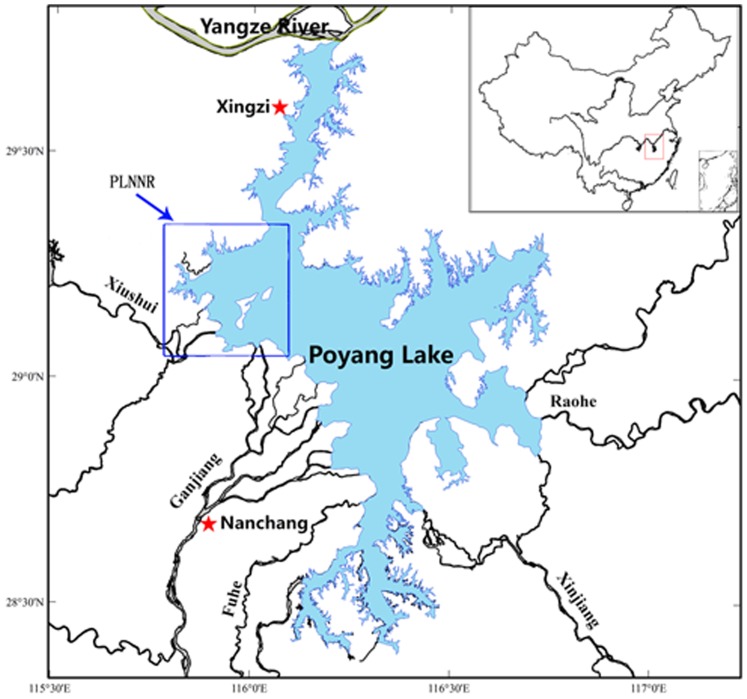
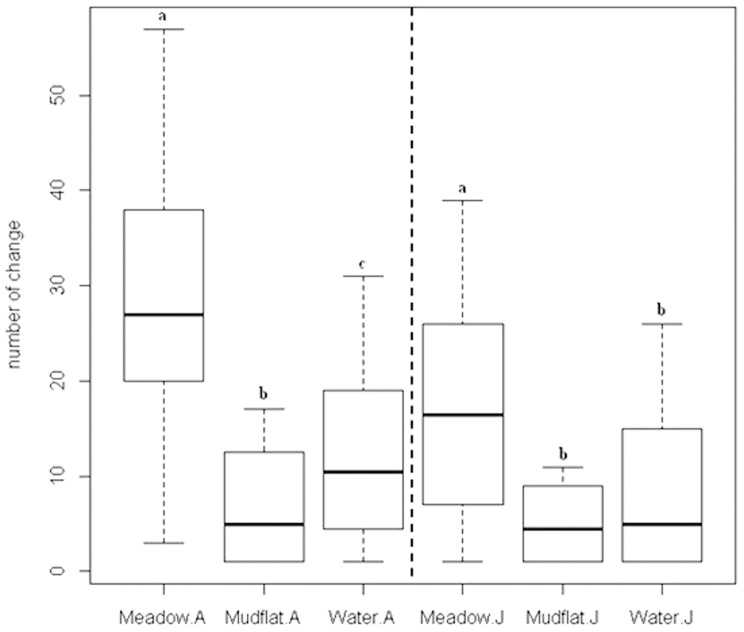
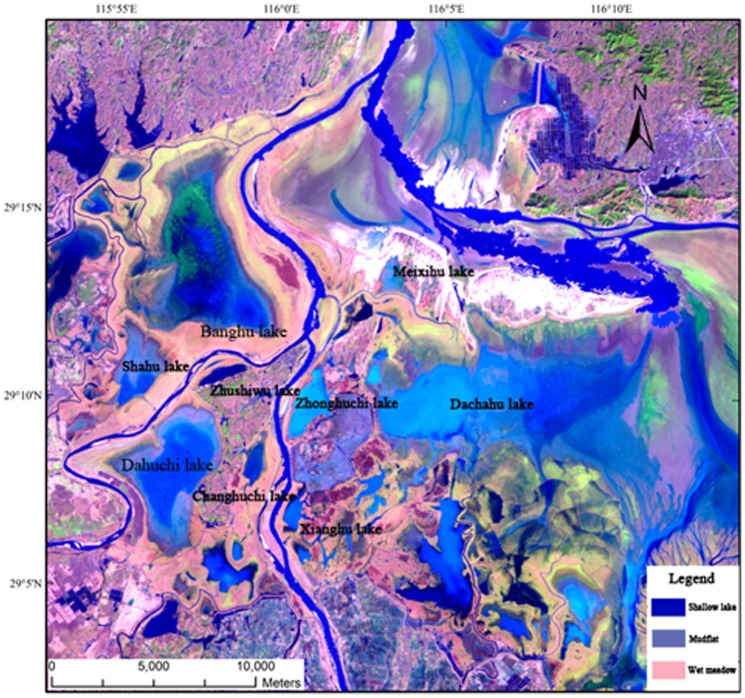
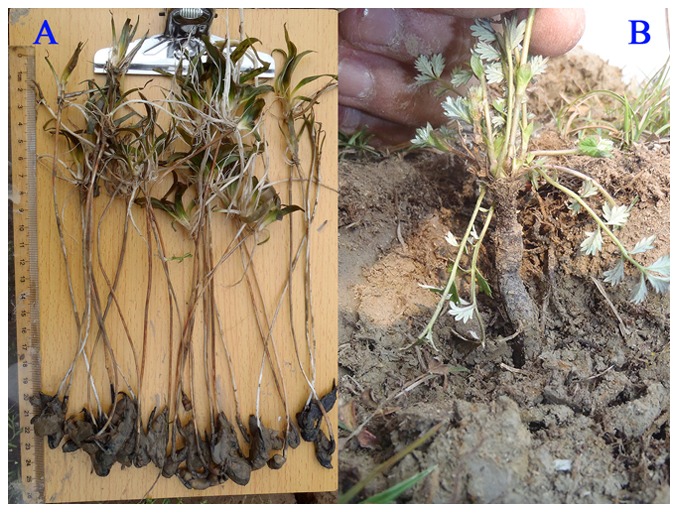
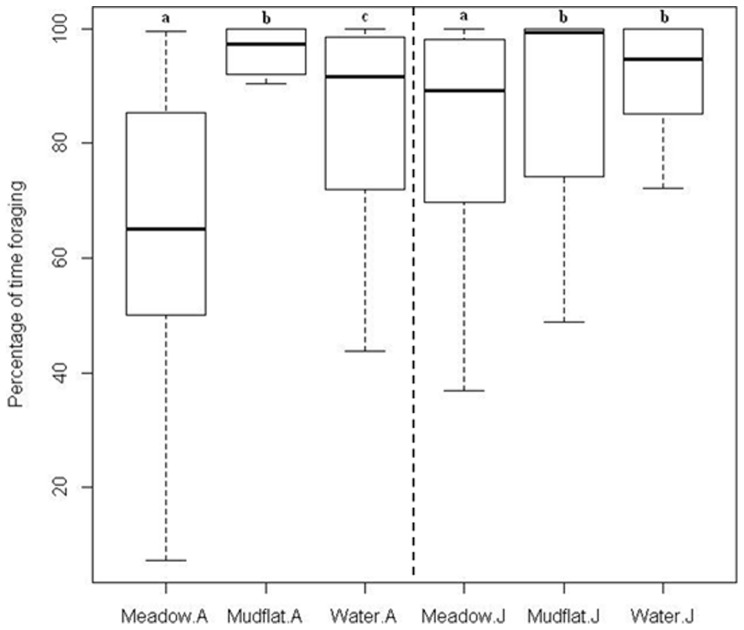
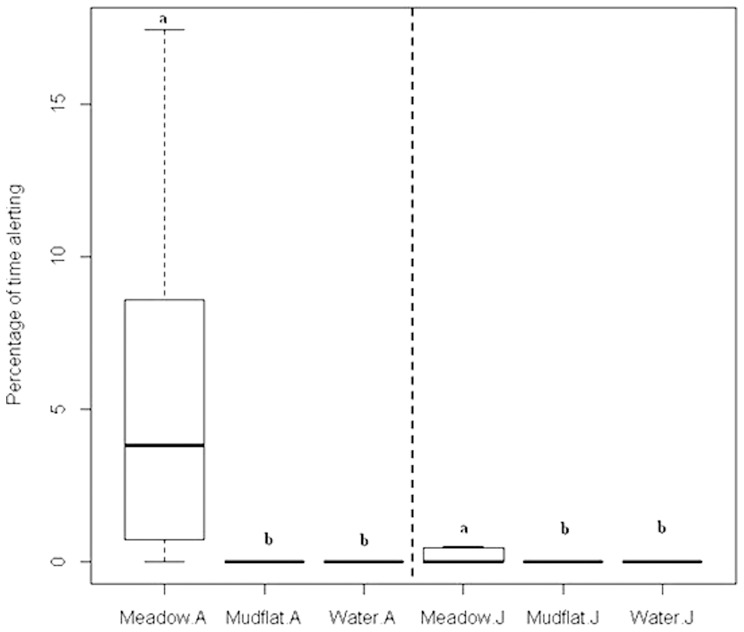
The study of habitat selection and diet has a long history in ecology. This is often used to assess the functional roles of wetland in biodiversity conservation. Shifting habitat and diet may be one of the survival strategies during extremely adverse conditions. Therefore, sudden changes in habitat selection may indicate the deterioration of the habitat quality, and management interventions are necessary. Siberian crane (Grus leucogeranus) became critically endangered due to loss of habitat, and is currently a global conservation focus. Every winter, more than 95% of the species' global population congregates at Poyang Lake, and feeds on tubers of Vallisneria spiralis in shallow water and mudflat habitat. In this study, we reported the first sighting of large numbers of Siberian cranes foraging at wet meadows, where they fed on a different plant, Potentilla limprichtii due to extreme scarcity of their preferred tuber. To understand how well the cranes adapted to such unusual habitat, field surveys to assess the distribution of cranes across different habitats, and food availability in each habitat were carried out in the winter of 2011. Field observations on crane behaviors at different habitats were also conducted. Results show that cranes displayed significantly different behavior patterns when using the wet meadow, compared to the crane's optimal habitat - shallow water and mudflat. Both juveniles and adults spent significantly less time foraging, and more time alerting in meadows than in shallow waters and mudflats. These results indicated that the meadow might be a suboptimal wintering ground for Siberian crane, which helped the cranes survive from extreme unfavorable conditions. To some degree, this finding alleviates the general concern over the fluctuating of its food resources which was caused by hydrological disturbances. However, more studies are needed to assess the consequences of such diet and habitat shift for crane survival.
栖息地选择和饮食研究在生态学领域有着悠久的历史。这一研究常被用于评估湿地在生物多样性保护中的功能作用。栖息地和饮食的改变可能是极端不利条件下的生存策略之一。因此,栖息地选择的突然变化可能表明栖息地质量的恶化,此时管理干预就很有必要。西伯利亚鹤(Grus leucogeranus)因栖息地丧失而成为极度濒危物种,目前是全球保护的重点对象。每年冬天,该物种全球种群的95%以上聚集在鄱阳湖,以浅水和泥滩栖息地的苦草块茎为食。在本研究中,我们首次报道了大量西伯利亚鹤在湿草甸觅食的情况,由于它们偏好的块茎极度稀缺,它们在那里以另一种植物——绢毛委陵菜为食。为了解这些鹤对这种不寻常栖息地的适应程度,我们在2011年冬季进行了实地调查,以评估鹤在不同栖息地的分布情况以及每个栖息地的食物可利用性。同时还对鹤在不同栖息地的行为进行了实地观察。结果表明,与鹤的最佳栖息地——浅水和泥滩相比,鹤在使用湿草甸时表现出显著不同的行为模式。幼鹤和成鹤在草甸中觅食的时间明显减少,警戒的时间比在浅水和泥滩中更多。这些结果表明,草甸可能是西伯利亚鹤的次优越冬地,这有助于鹤在极端不利的条件下生存。在某种程度上,这一发现缓解了人们对其食物资源因水文干扰而波动的普遍担忧。然而,还需要更多的研究来评估这种饮食和栖息地转变对鹤生存的影响。