Atmospheric Sciences Program, Michigan Technological University, Houghton, Michigan, USA.
Nat Commun. 2013;4:2122. doi: 10.1038/ncomms3122.
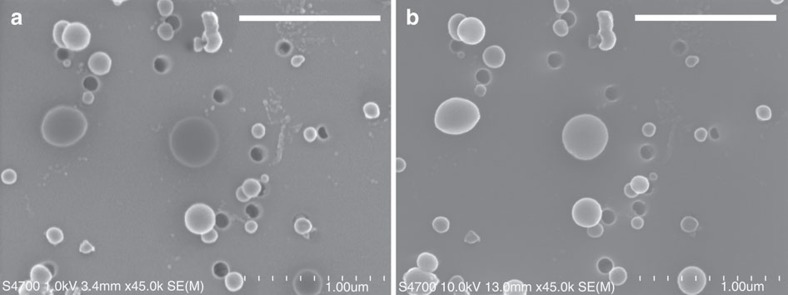
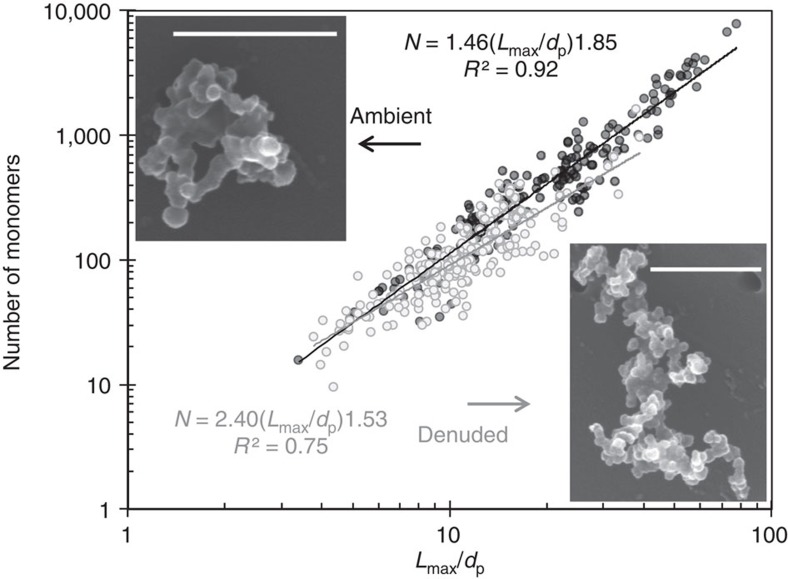
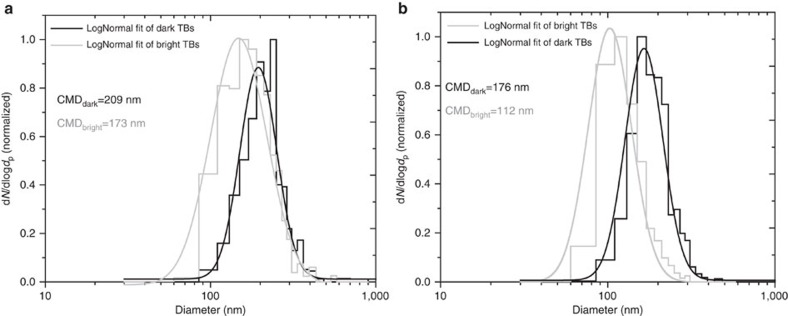
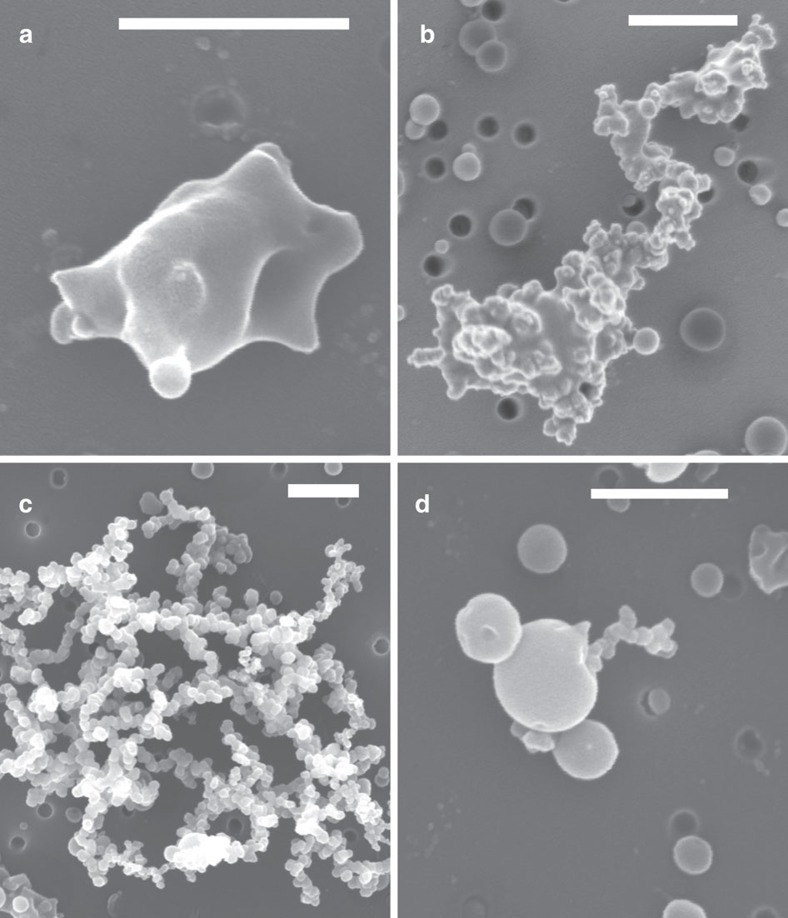
Biomass burning is one of the largest sources of carbonaceous aerosols in the atmosphere, significantly affecting earth's radiation budget and climate. Tar balls, abundant in biomass burning smoke, absorb sunlight and have highly variable optical properties, typically not accounted for in climate models. Here we analyse single biomass burning particles from the Las Conchas fire (New Mexico, 2011) using electron microscopy. We show that the relative abundance of tar balls (80%) is 10 times greater than soot particles (8%). We also report two distinct types of tar balls; one less oxidized than the other. Furthermore, the mixing of soot particles with other material affects their optical, chemical and physical properties. We quantify the morphology of soot particles and classify them into four categories: 50% are embedded (heavily coated), ~34% are partly coated, ~12% have inclusions and4% are bare. Inclusion of these observations should improve climate model performances.
生物质燃烧是大气中碳质气溶胶的最大来源之一,显著影响地球的辐射平衡和气候。焦油球在生物质燃烧烟雾中大量存在,它们吸收阳光,具有高度可变的光学性质,而这些性质在气候模型中通常没有被考虑到。在这里,我们使用电子显微镜分析了来自新墨西哥州拉斯孔查斯火灾的单个生物质燃烧颗粒。我们表明,焦油球(80%)的相对丰度比烟尘颗粒(8%)高出 10 倍。我们还报告了两种不同类型的焦油球;一种比另一种氧化程度低。此外,烟尘颗粒与其他物质混合会影响它们的光学、化学和物理性质。我们量化了烟尘颗粒的形态,并将其分为四类:约 50%的颗粒被嵌入(严重包裹),约 34%的颗粒部分包裹,约 12%的颗粒有包裹物,约 4%的颗粒裸露。包含这些观测结果应该可以提高气候模型的性能。