Experimental Hematology Laboratory, Department of Physiology, School of Basic Medical Sciences, Central South University, Changsha, China.
Cytotherapy. 2013 Aug;15(8):986-98. doi: 10.1016/j.jcyt.2013.04.003.
Although recombinant adeno-associated virus serotype 2 (AAV2) vectors have gained attention because of their safety and efficacy in numerous phase I/II clinical trials, their transduction efficiency in hematopoietic stem cells (HSCs) has been reported to be low. Only a few additional AAV serotype vectors have been evaluated, and comparative analyses of their transduction efficiency in HSCs from different species have not been performed.
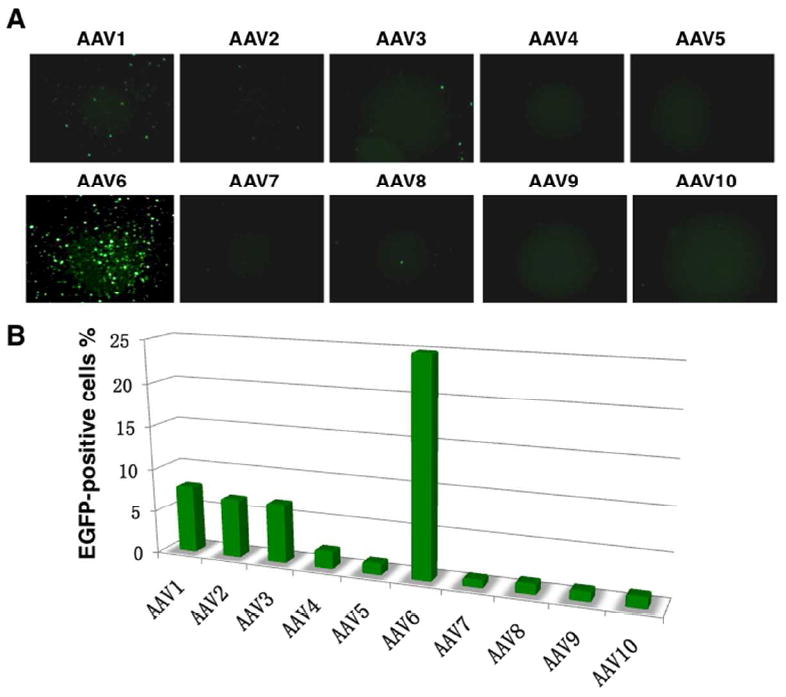
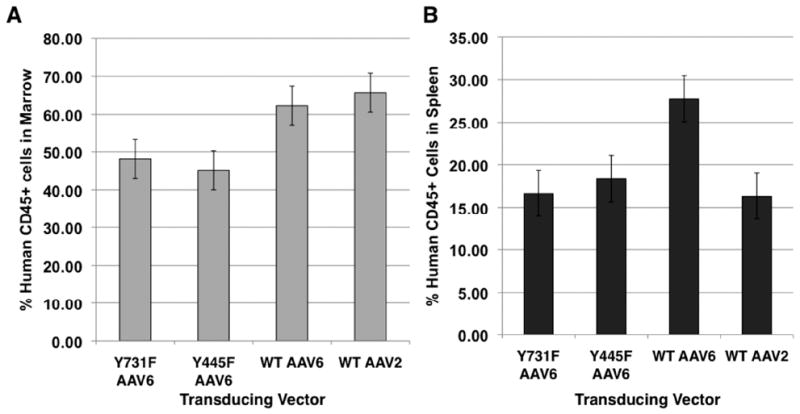
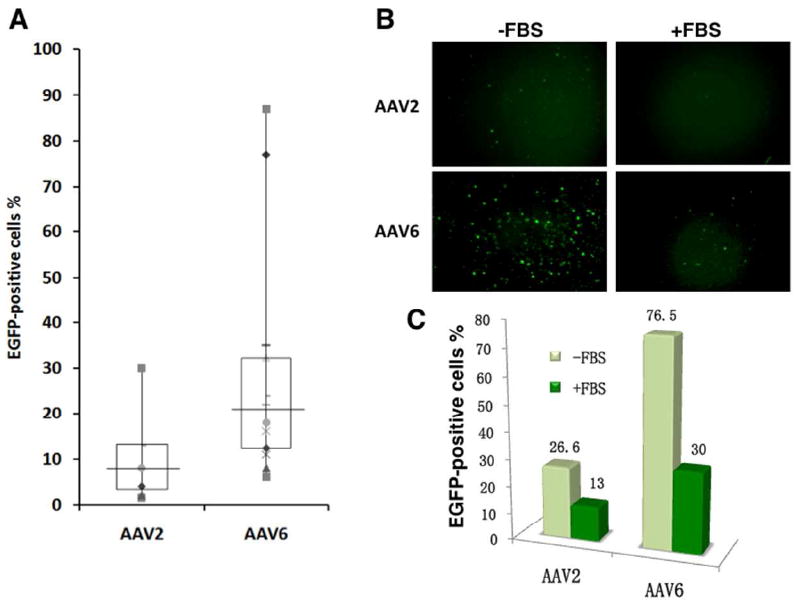
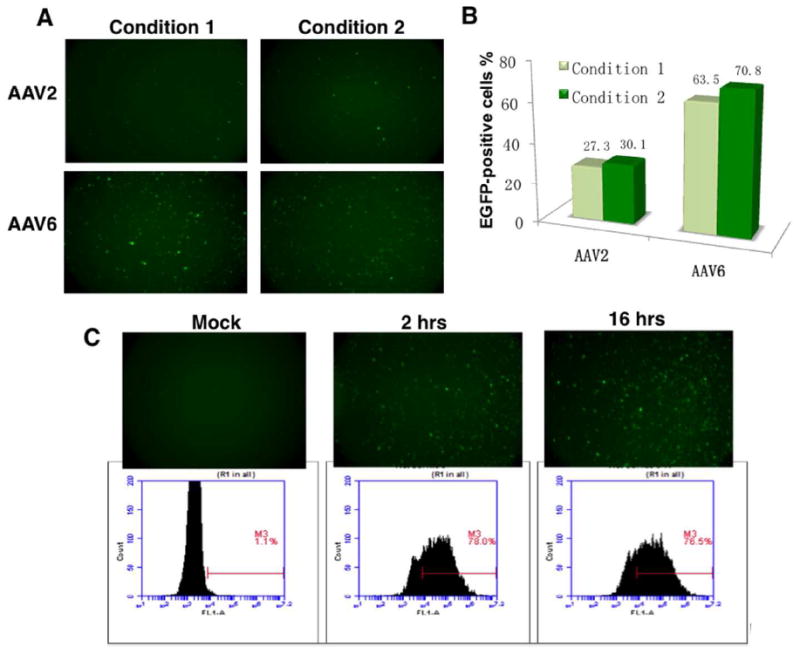
We evaluated the transduction efficiency of all available AAV serotype vectors (AAV1 through AAV10) in primary mouse, cynomolgus monkey and human HSCs. The transduction efficiency of the optimized AAV vectors was also evaluated in human HSCs in a murine xenograft model in vivo.
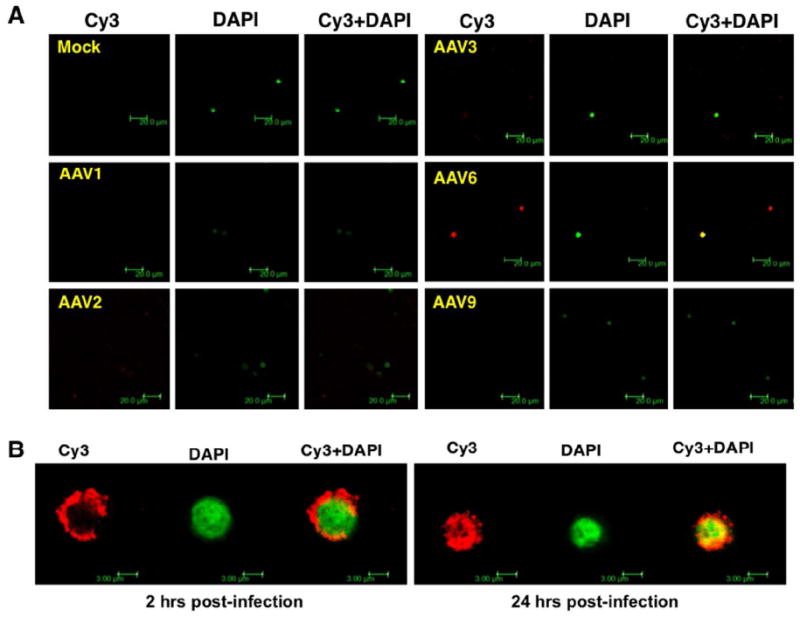
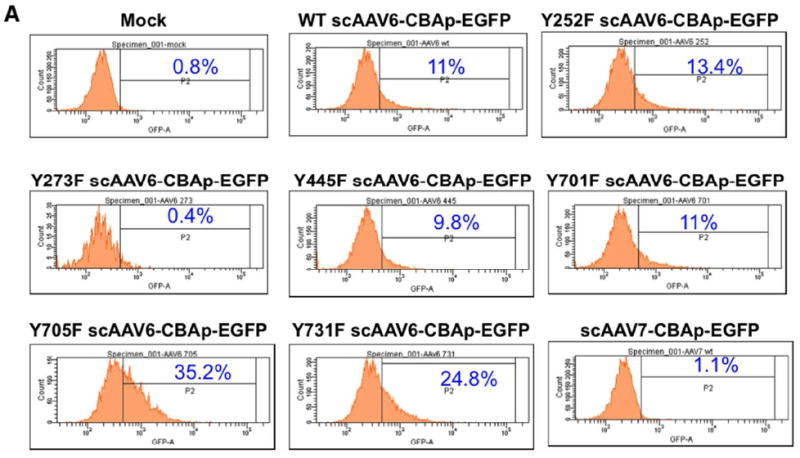
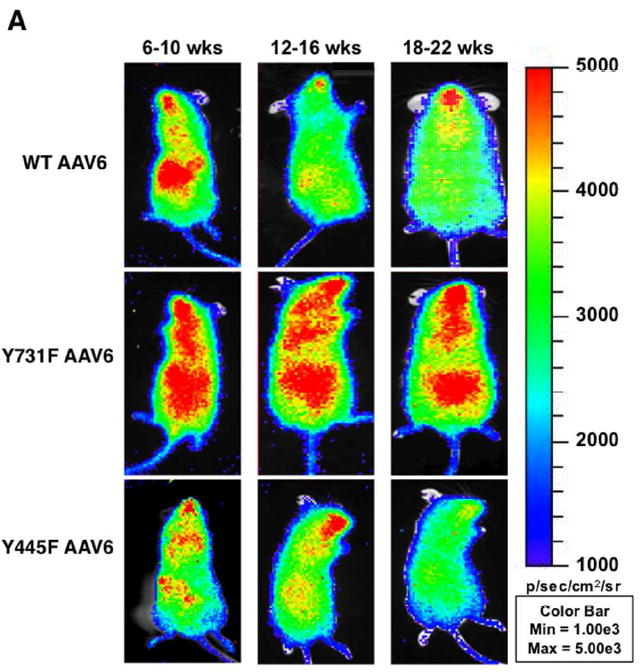
We observed that although there are only six amino acid differences between AAV1 and AAV6, AAV1, but not AAV6, transduced mouse HSCs well, whereas AAV6, but not AAV1, transduced human HSCs well. None of the 10 serotypes transduced cynomolgus monkey HSCs in vitro. We also evaluated the transduction efficiency of AAV6 vectors containing mutations in surface-exposed tyrosine residues. We observed that tyrosine (Y) to phenylalanine (F) point mutations in residues 445, 705 and 731 led to a significant increase in transgene expression in human HSCs in vitro and in a mouse xenograft model in vivo.
These studies suggest that the tyrosine-mutant AAV6 serotype vectors are the most promising vectors for transducing human HSCs and that it is possible to increase further the transduction efficiency of these vectors for their potential use in HSC-based gene therapy in humans.
尽管重组腺相关病毒血清型 2(AAV2)载体因其在许多 I/II 期临床试验中的安全性和有效性而受到关注,但它们在造血干细胞(HSCs)中的转导效率较低。仅评估了少数其他 AAV 血清型载体,并且尚未对不同物种的 HSCs 中它们的转导效率进行比较分析。
我们评估了所有可用的 AAV 血清型载体(AAV1 至 AAV10)在原代小鼠、食蟹猴和人 HSCs 中的转导效率。还在体内小鼠异种移植模型中评估了优化的 AAV 载体在人 HSCs 中的转导效率。
我们观察到,尽管 AAV1 和 AAV6 之间只有六个氨基酸差异,但 AAV1 而不是 AAV6 很好地转导了小鼠 HSCs,而 AAV6 而不是 AAV1 很好地转导了人 HSCs。10 种血清型均未在体外转导食蟹猴 HSCs。我们还评估了含有表面暴露的酪氨酸残基突变的 AAV6 载体的转导效率。我们观察到,残基 445、705 和 731 处的酪氨酸(Y)到苯丙氨酸(F)点突变导致体外人 HSCs 和体内小鼠异种移植模型中转基因表达显著增加。
这些研究表明,酪氨酸突变的 AAV6 血清型载体是转导人 HSCs 最有前途的载体,并且有可能进一步提高这些载体的转导效率,以将其用于人类基于 HSC 的基因治疗。