Department of Pharmacology, Faculty of Medicine, University of Malaya, Kuala Lumpur, Malaysia.
BMC Complement Altern Med. 2013 Jul 10;13:166. doi: 10.1186/1472-6882-13-166.
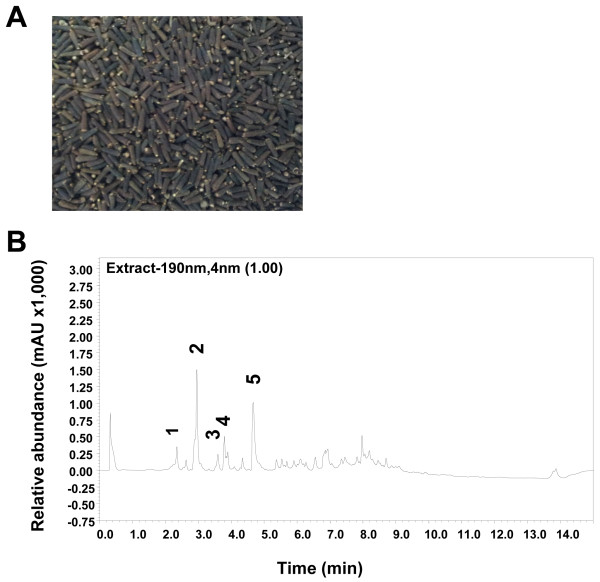
Centratherum anthelminticum (L.) Kuntze (scientific synonyms: Vernonia anthelmintica; black cumin) is one of the ingredients of an Ayurvedic preparation, called "Kayakalp", commonly applied to treat skin disorders in India and Southeast Asia. Despite its well known anti-inflammatory property on skin diseases, the anti-cancer effect of C. anthelminticum seeds on skin cancer is less documented. The present study aims to investigate the anti-cancer effect of Centratherum anthelminticum (L.) seeds chloroform fraction (CACF) on human melanoma cells and to elucidate the molecular mechanism involved.
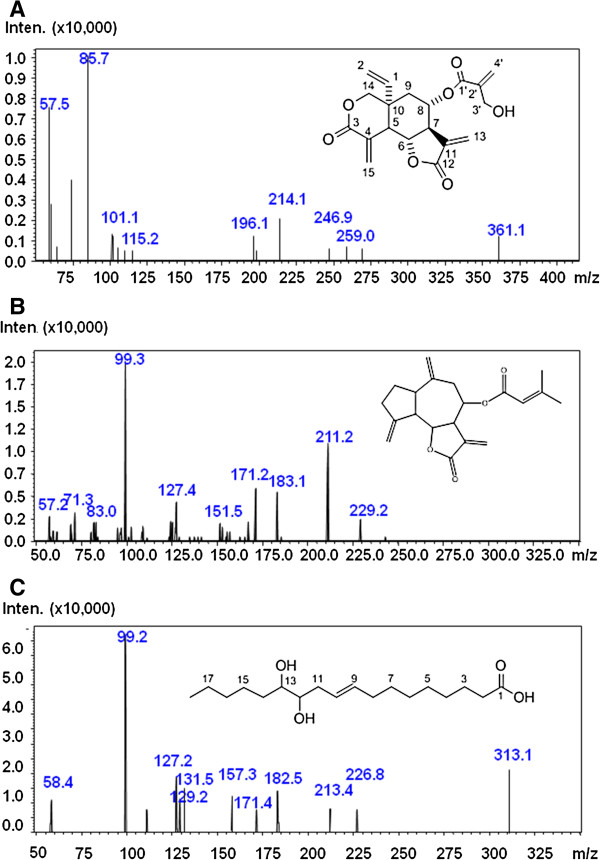
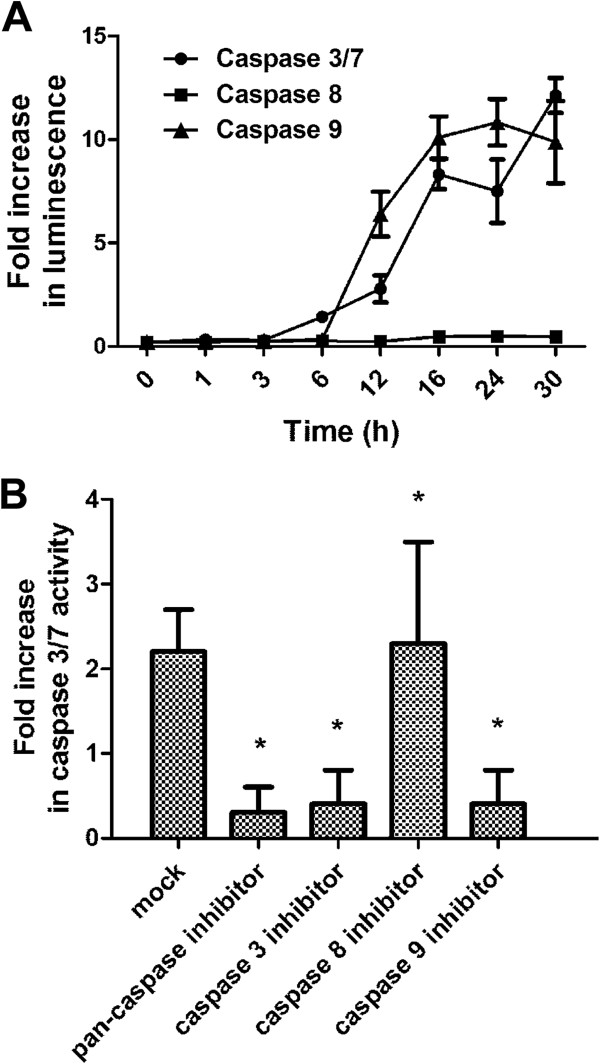
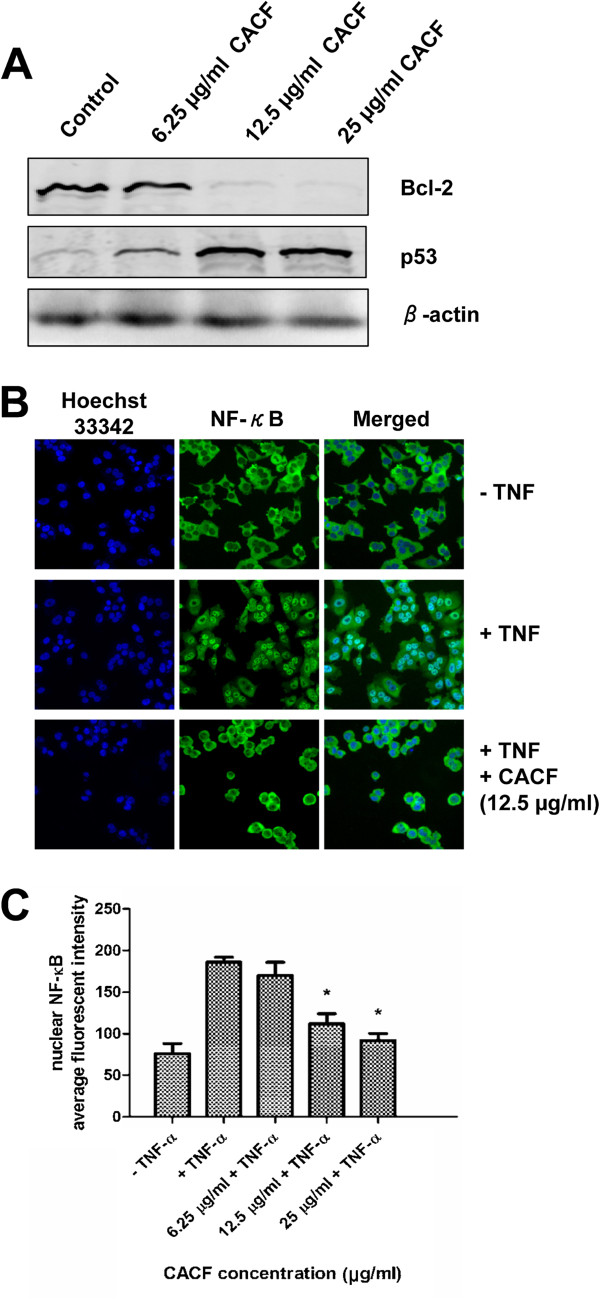
A chloroform fraction was extracted from C. anthelminticum (CACF). Bioactive compounds of the CACF were analyzed by liquid chromatography-tandem mass spectrometry (LC-MS/MS). Human melanoma cell line A375 was treated with CACF in vitro. Effects of CACF on growth inhibition, morphology, stress and survival of the cell were examined with MTT, high content screening (HSC) array scan and flow cytometry analyses. Involvement of intrinsic or extrinsic pathways in the CACF-induced A375 cell death mechanism was examined using a caspase luminescence assay. The results were further verified with different caspase inhibitors. In addition, Western blot analysis was performed to elucidate the changes in apoptosis-associated molecules. Finally, the effect of CACF on the NF-κB nuclear translocation ability was assayed.
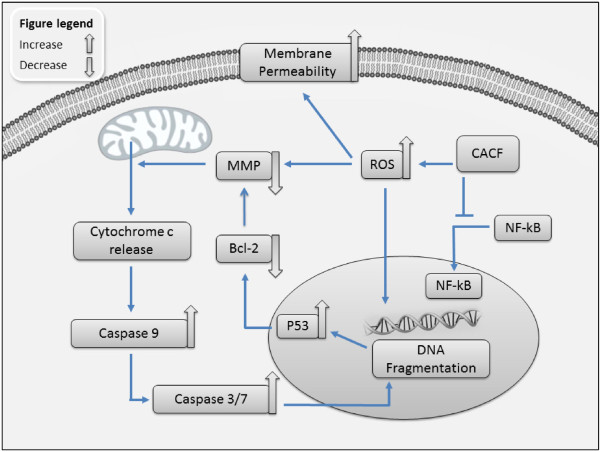
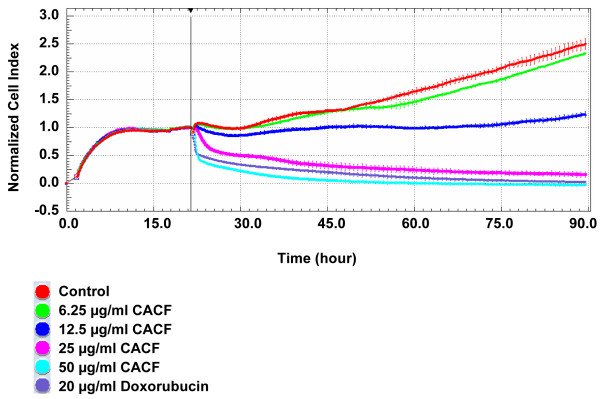
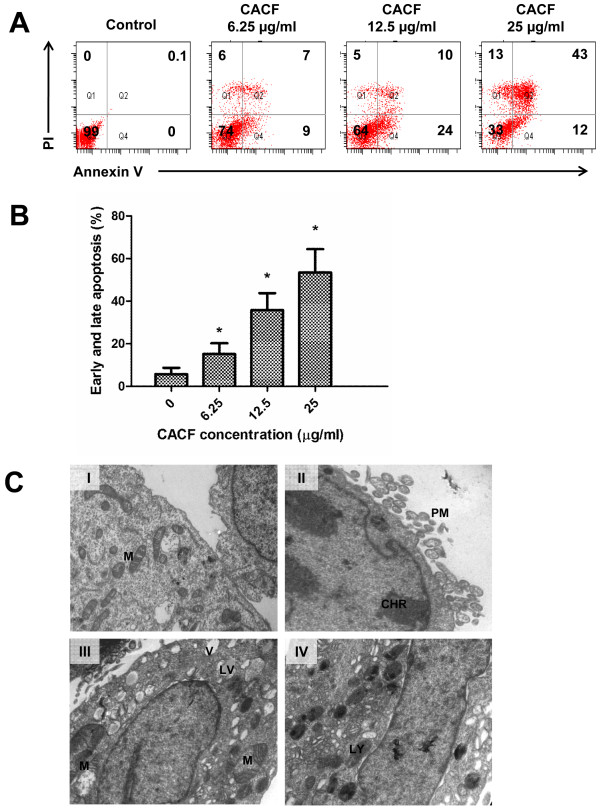
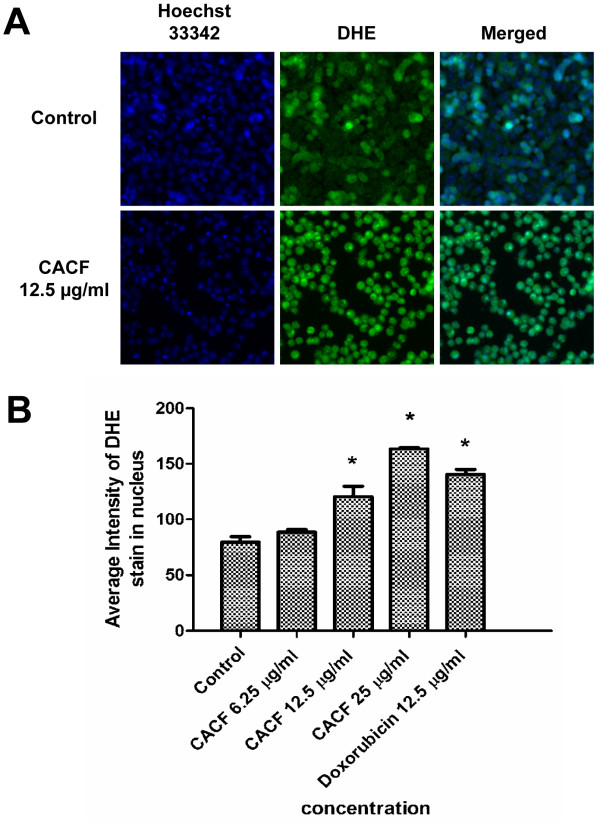
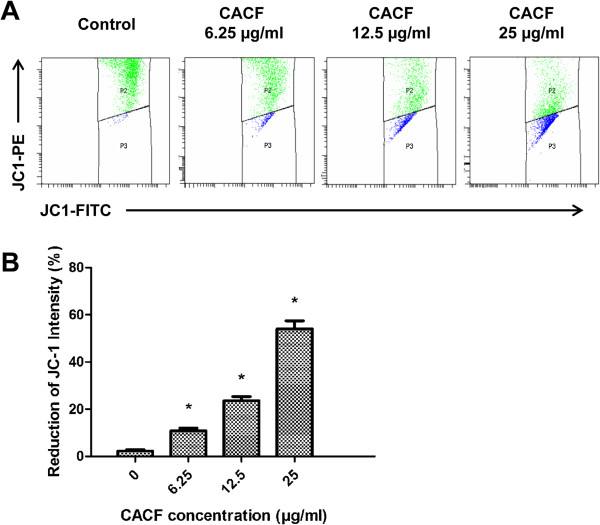
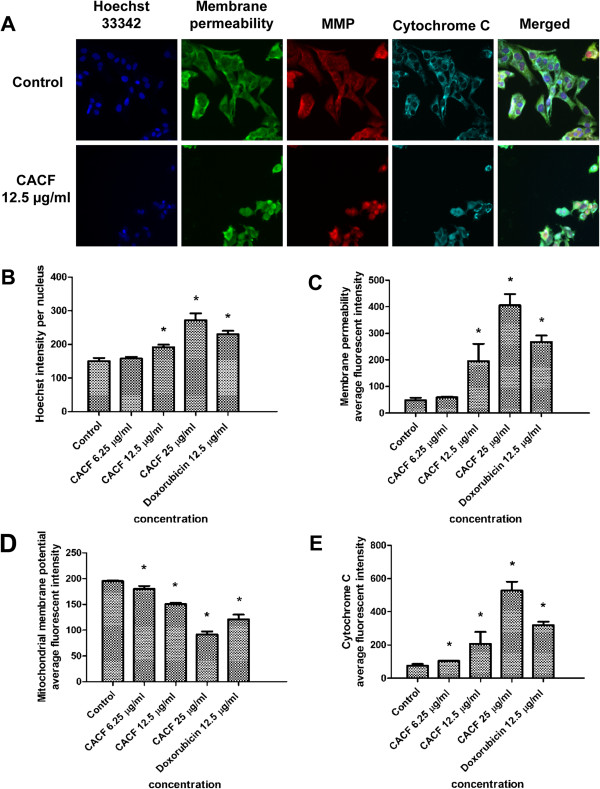
The MTT assay showed that CACF dose-dependently inhibited cell growth of A375, while exerted less cytotoxic effect on normal primary epithelial melanocytes. We demonstrated that CACF induced cell growth inhibition through apoptosis, as evidenced by cell shrinkage, increased annexin V staining and formation of membrane blebs. CACF treatment also resulted in higher reactive oxygen species (ROS) production and lower Bcl-2 expression, leading to decrease mitochondrial membrane potential (MMP). Disruption of the MMP facilitated the release of mitochondrial cytochrome c, which activates caspase-9 and downstream caspase-3/7, resulting in DNA fragmentation and up-regulation of p53 in melanoma cells. Moreover, CACF prevented TNF-α-induced NF-κB nuclear translocation, which further committed A375 cells toward apoptosis.
Together, our findings suggest CACF as a potential therapeutic agent against human melanoma malignancy.
Centratherum anthelminticum(L.)Kuntze(科学同义词: Vernonia anthelmintica;黑孜然)是一种印度草医学制剂“Kayakalp”的成分之一,常用于治疗印度和东南亚的皮肤疾病。尽管它在皮肤病方面具有众所周知的抗炎特性,但 Centratherum anthelminticum 种子对皮肤癌的抗癌作用的记录较少。本研究旨在探讨 Centratherum anthelminticum(L.)种子氯仿部分(CACF)对人黑色素瘤细胞的抗癌作用,并阐明所涉及的分子机制。
从 Centratherum anthelminticum(CACF)中提取氯仿部分。通过液相色谱-串联质谱(LC-MS/MS)分析 CACF 的生物活性化合物。体外用人黑色素瘤细胞系 A375 处理 CACF。通过 MTT、高内涵筛选(HSC)阵列扫描和流式细胞术分析检测 CACF 对细胞生长抑制、形态、应激和存活的影响。使用半胱天冬酶发光测定法检查 CACF 诱导的 A375 细胞死亡机制中内在或外在途径的参与情况。并用不同的半胱天冬酶抑制剂进一步验证结果。此外,进行 Western blot 分析以阐明与细胞凋亡相关的分子变化。最后,测定 CACF 对 NF-κB 核易位能力的影响。
MTT 测定表明,CACF 剂量依赖性地抑制 A375 的细胞生长,而对正常原代上皮黑色素细胞的细胞毒性作用较小。我们证明 CACF 通过细胞凋亡诱导细胞生长抑制,这表现在细胞收缩、增加膜联蛋白 V 染色和质膜起泡形成。CACF 处理还导致更高的活性氧(ROS)产生和更低的 Bcl-2 表达,导致线粒体膜电位(MMP)降低。MMP 的破坏促进了线粒体细胞色素 c 的释放,从而激活了半胱天冬酶-9 和下游的半胱天冬酶-3/7,导致黑色素瘤细胞中的 DNA 片段化和 p53 的上调。此外,CACF 阻止了 TNF-α诱导的 NF-κB 核易位,这进一步促使 A375 细胞走向凋亡。
总之,我们的研究结果表明 CACF 是一种潜在的治疗人黑色素瘤恶性肿瘤的治疗剂。