MRC National Institute for Medical Research, The Ridgeway, London NW7 1AA, United Kingdom.
J Biol Chem. 2013 Aug 23;288(34):24777-87. doi: 10.1074/jbc.M113.480327. Epub 2013 Jul 9.
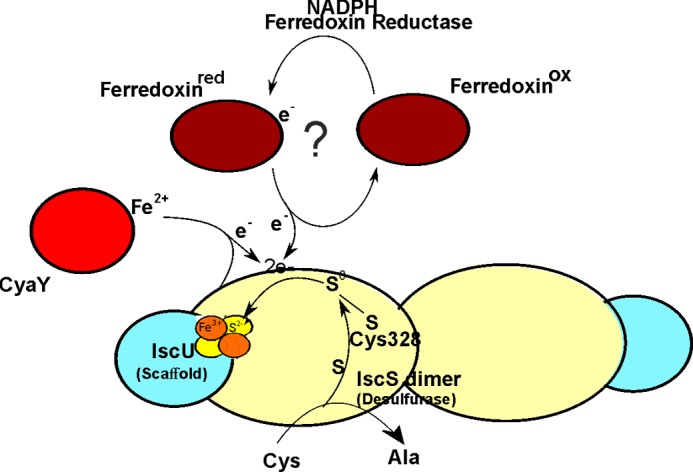
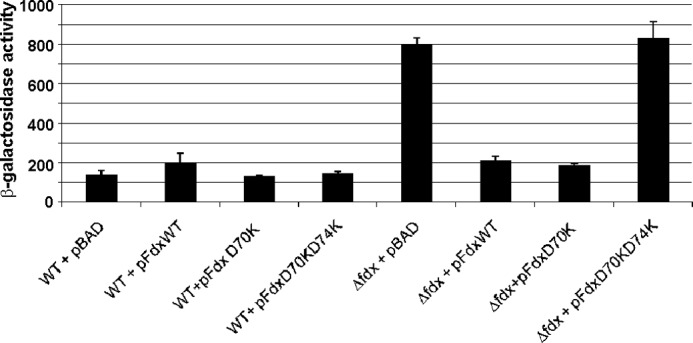
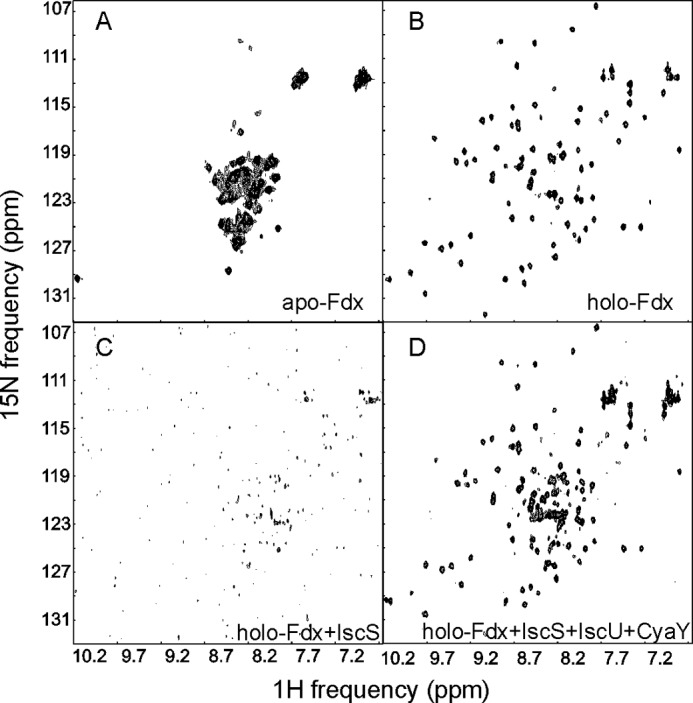
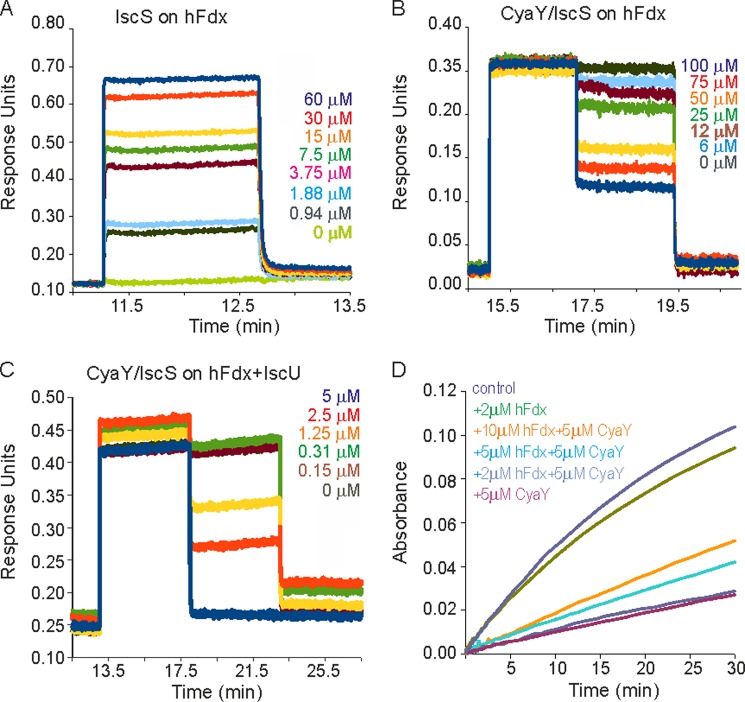
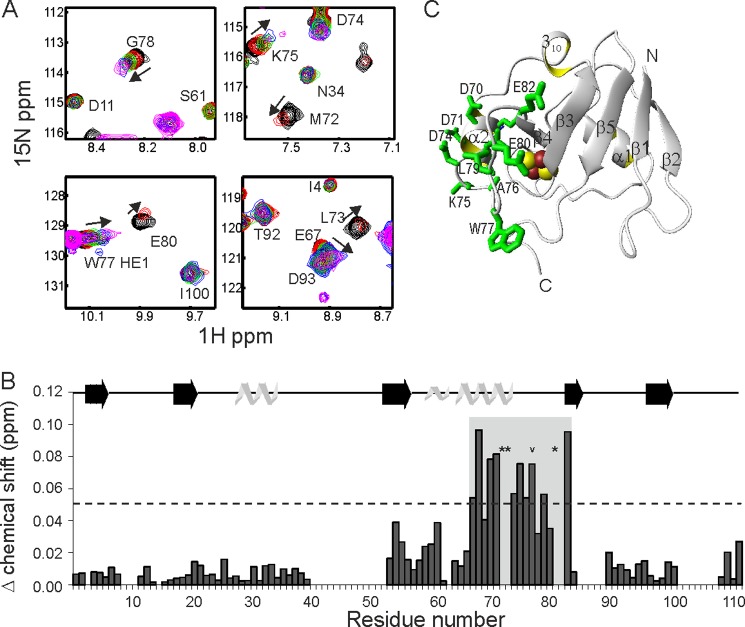
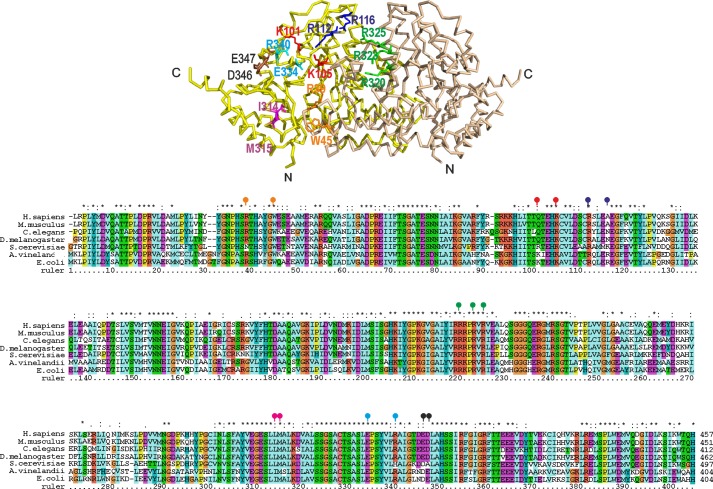
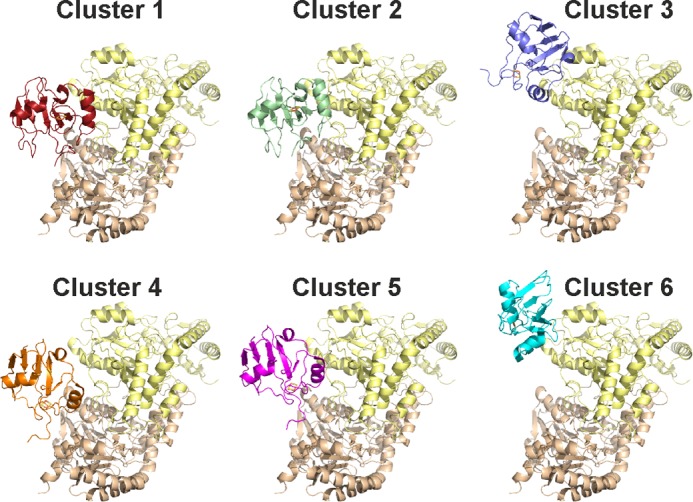
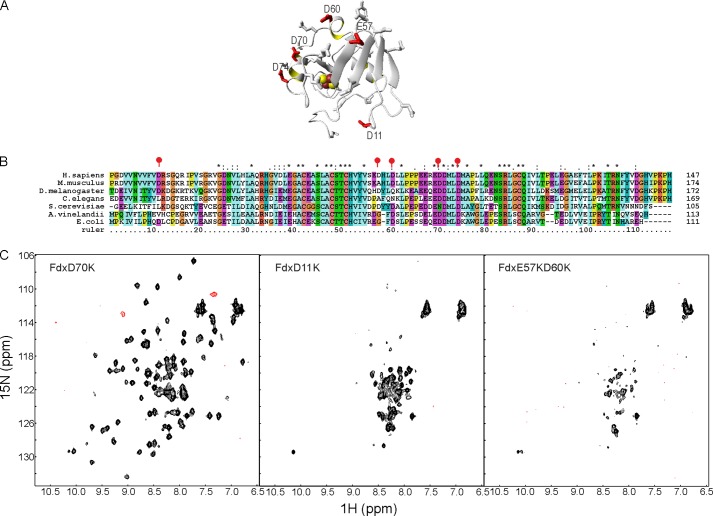
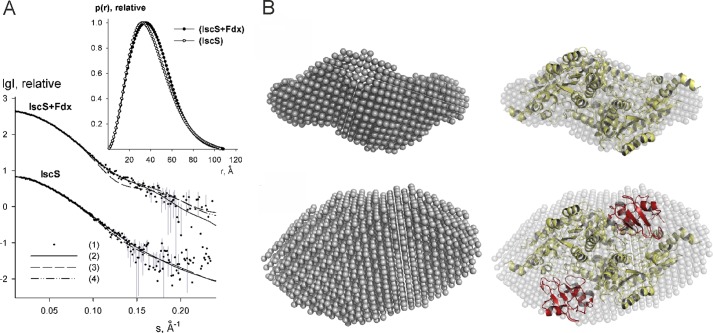
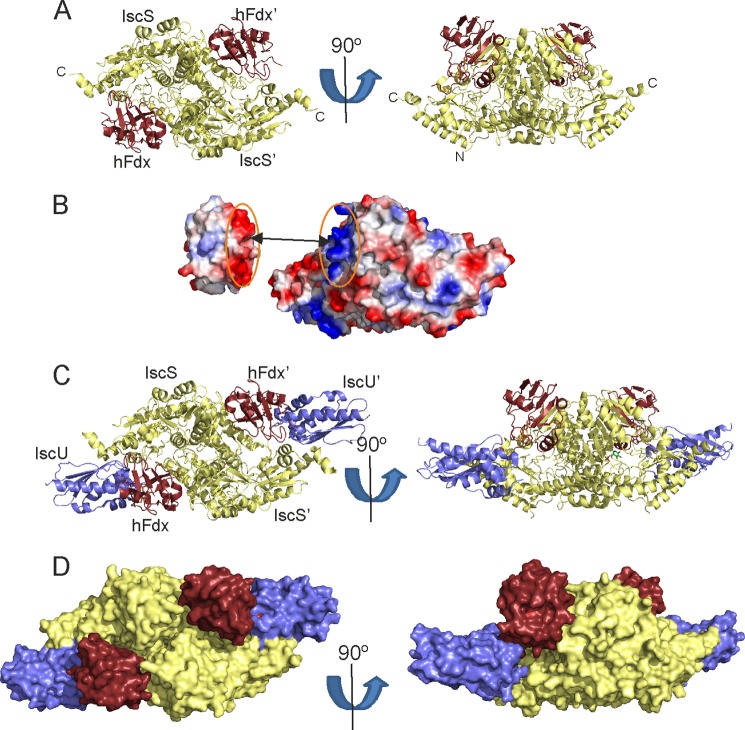
The bacterial iron-sulfur cluster (isc) operon is an essential machine that is highly conserved from bacteria to primates and responsible for iron-sulfur cluster biogenesis. Among its components are the genes for the desulfurase IscS that provides sulfur for cluster formation, and a specialized ferredoxin (Fdx) whose role is still unknown. Preliminary evidence suggests that IscS and Fdx interact but nothing is known about the binding site and the role of the interaction. Here, we have characterized the interaction using a combination of biophysical tools and mutagenesis. By modeling the Fdx·IscS complex based on experimental restraints we show that Fdx competes for the binding site of CyaY, the bacterial ortholog of frataxin and sits in a cavity close to the enzyme active site. By in vivo mutagenesis in bacteria we prove the importance of the surface of interaction for cluster formation. Our data provide the first structural insights into the role of Fdx in cluster assembly.
细菌铁硫簇(isc)操纵子是一种从细菌到灵长类动物都高度保守的必需机器,负责铁硫簇的生物发生。其组成部分包括为簇形成提供硫的脱硫酶 IscS 的基因,以及一种专门的铁氧还蛋白(Fdx),其作用尚不清楚。初步证据表明 IscS 和 Fdx 相互作用,但关于结合位点和相互作用的作用知之甚少。在这里,我们使用一系列生物物理工具和诱变技术对相互作用进行了表征。通过基于实验约束的 Fdx·IscS 复合物建模,我们表明 Fdx 竞争 CyaY 的结合位点,CyaY 是细菌 frataxin 的同源物,位于靠近酶活性位点的腔中。通过在细菌中的体内诱变,我们证明了相互作用表面对于簇形成的重要性。我们的数据为 Fdx 在簇组装中的作用提供了第一个结构见解。