Israel Yedy, Rivera-Meza Mario, Karahanian Eduardo, Quintanilla María E, Tampier Lutske, Morales Paola, Herrera-Marschitz Mario
Faculty of Medicine, Molecular and Clinical Pharmacology Program, University of Chile Santiago, Chile ; Department of Pharmacological and Toxicological Chemistry, University of Chile Santiago, Chile.
Front Behav Neurosci. 2013 Jul 8;7:80. doi: 10.3389/fnbeh.2013.00080. eCollection 2013.
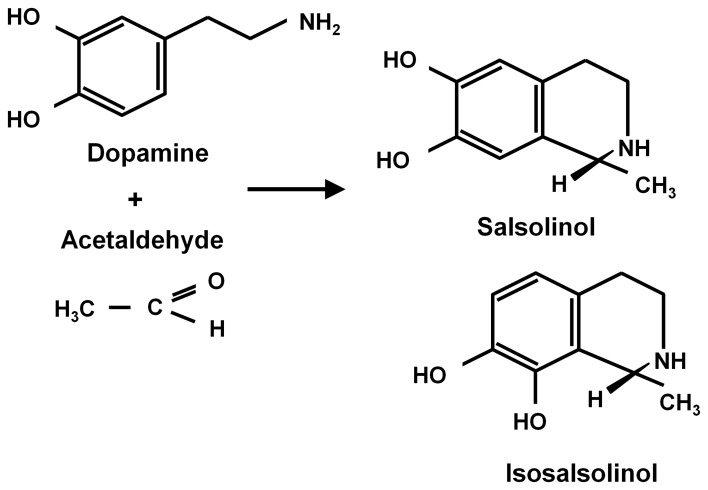
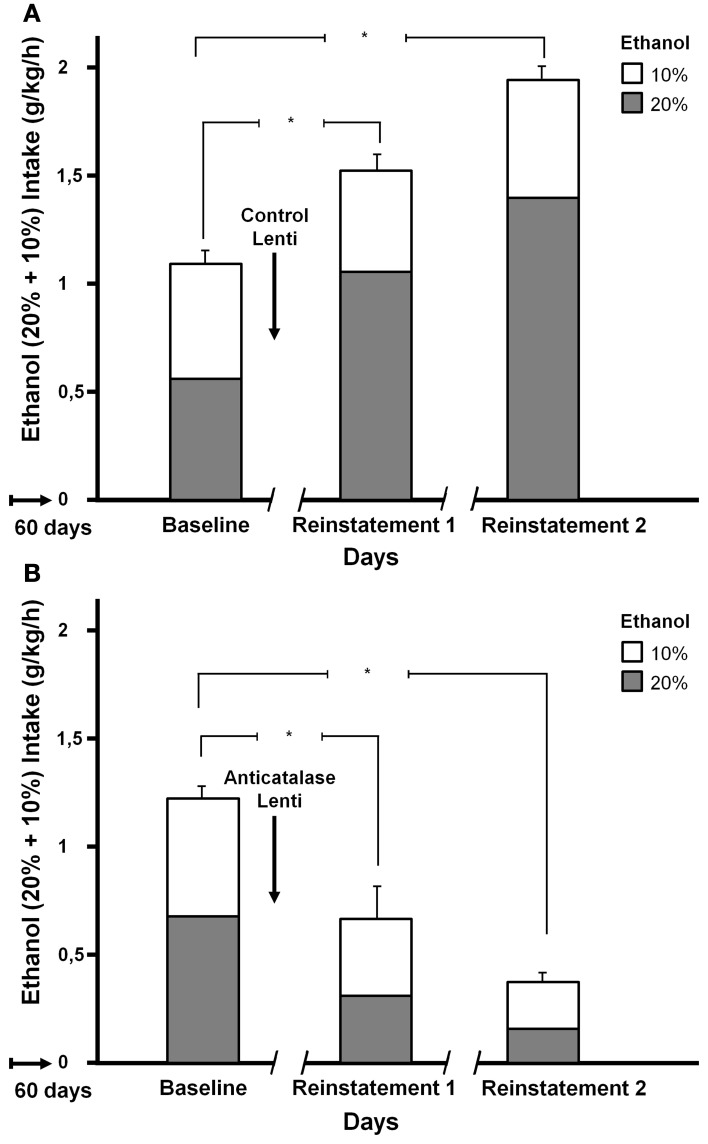
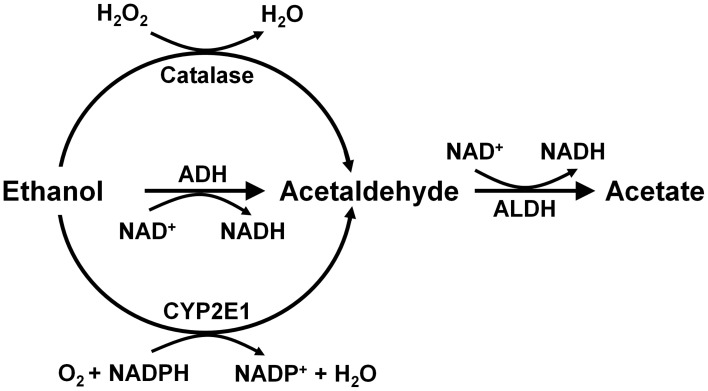
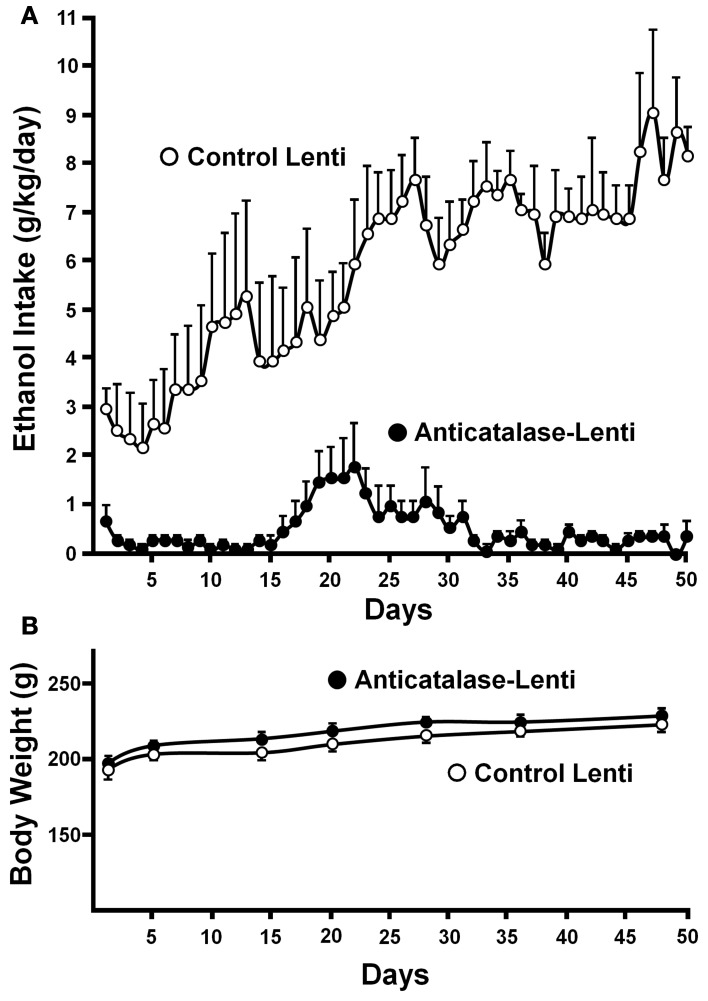
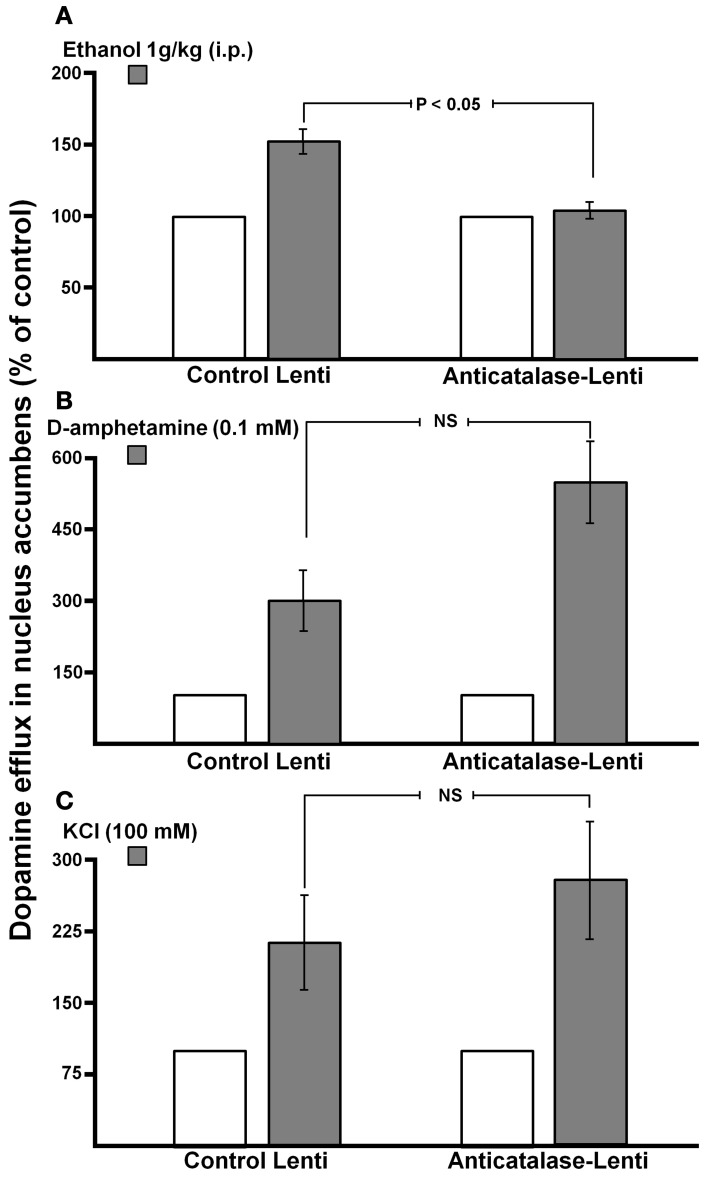
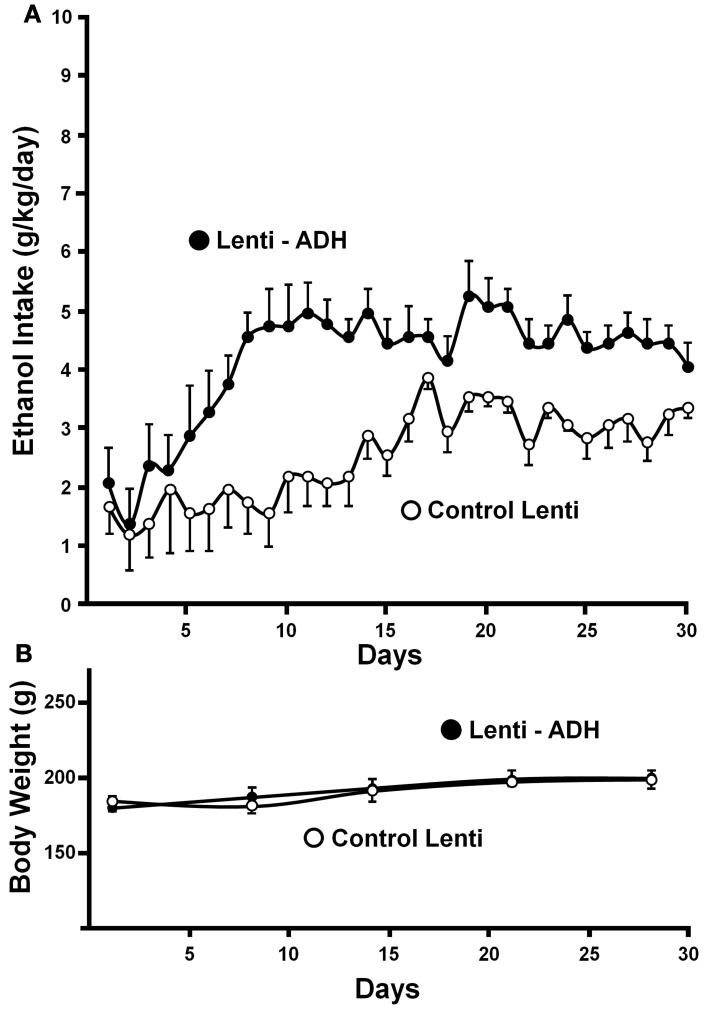
Ethanol is metabolized into acetaldehyde mainly by the action of alcohol dehydrogenase in the liver, while mainly by the action of catalase in the brain. Aldehyde dehydrogenase-2 metabolizes acetaldehyde into acetate in both organs. Gene specific modifications reviewed here show that an increased liver generation of acetaldehyde (by transduction of a gene coding for a high-activity liver alcohol dehydrogenase ADH1(*)B2) leads to increased blood acetaldehyde levels and aversion to ethanol in animals. Similarly aversive is an increased acetaldehyde level resulting from the inhibition of liver aldehyde dehydrogenase-2 (ALDH2) synthesis (by an antisense coding gene against aldh2 mRNA). The situation is diametrically different when acetaldehyde is generated in the brain. When the brain ventral tegmental area (VTA) is endowed with an increased ability to generate acetaldehyde (by transfection of liver rADH) the reinforcing effects of ethanol are increased, while a highly specific inhibition of catalase synthesis (by transduction of a shRNA anti catalase mRNA) virtually abolishes the reinforcing effects of ethanol as seen by a complete abolition of ethanol intake in rats bred for generations as high ethanol drinkers. Data shows two divergent effects of increases in acetaldehyde generation: aversive in the periphery but reinforcing in the brain.
乙醇主要通过肝脏中乙醇脱氢酶的作用代谢为乙醛,而在大脑中主要通过过氧化氢酶的作用进行代谢。乙醛脱氢酶2在这两个器官中都将乙醛代谢为乙酸盐。本文综述的基因特异性修饰表明,肝脏中乙醛生成增加(通过转导编码高活性肝脏乙醇脱氢酶ADH1(*)B2的基因)会导致动物血液中乙醛水平升高以及对乙醇产生厌恶。同样,由于抑制肝脏乙醛脱氢酶2(ALDH2)的合成(通过针对aldh2 mRNA的反义编码基因)导致乙醛水平升高也会产生类似的厌恶反应。当乙醛在大脑中生成时,情况则截然不同。当大脑腹侧被盖区(VTA)生成乙醛的能力增强(通过转染肝脏rADH)时,乙醇的强化作用会增强,而对过氧化氢酶合成的高度特异性抑制(通过转导针对过氧化氢酶mRNA的短发夹RNA)实际上会消除乙醇的强化作用,这在经过多代培育的高乙醇摄入大鼠中表现为乙醇摄入量完全消失。数据显示乙醛生成增加有两种不同的作用:在外周产生厌恶,但在大脑中具有强化作用。