Scottish Association for Marine Science, Scottish Marine Institute, Oban, Argyll, United Kingdom.
PLoS One. 2013 Jul 12;8(7):e68313. doi: 10.1371/journal.pone.0068313. Print 2013.
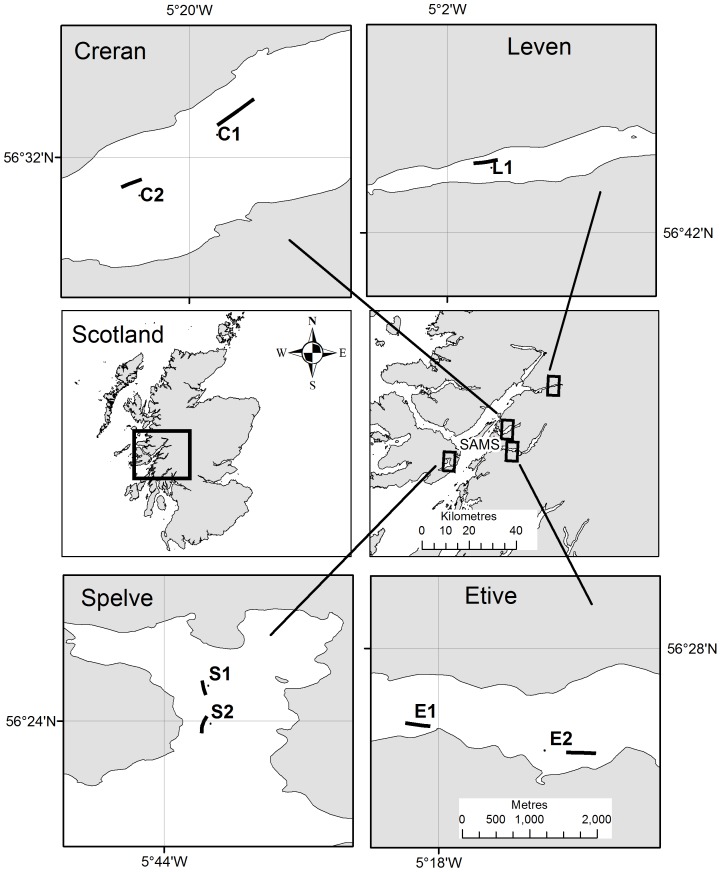
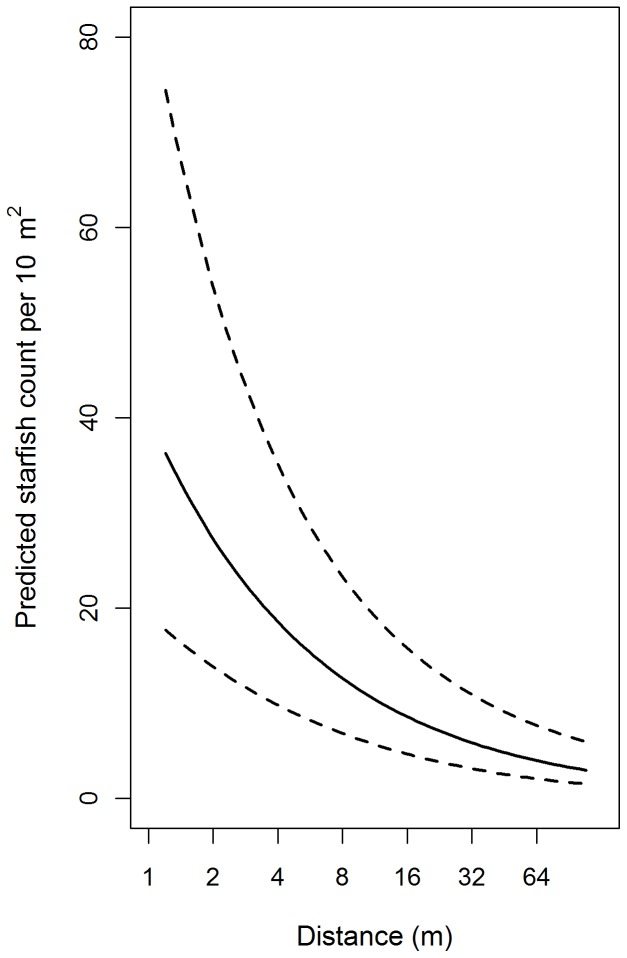
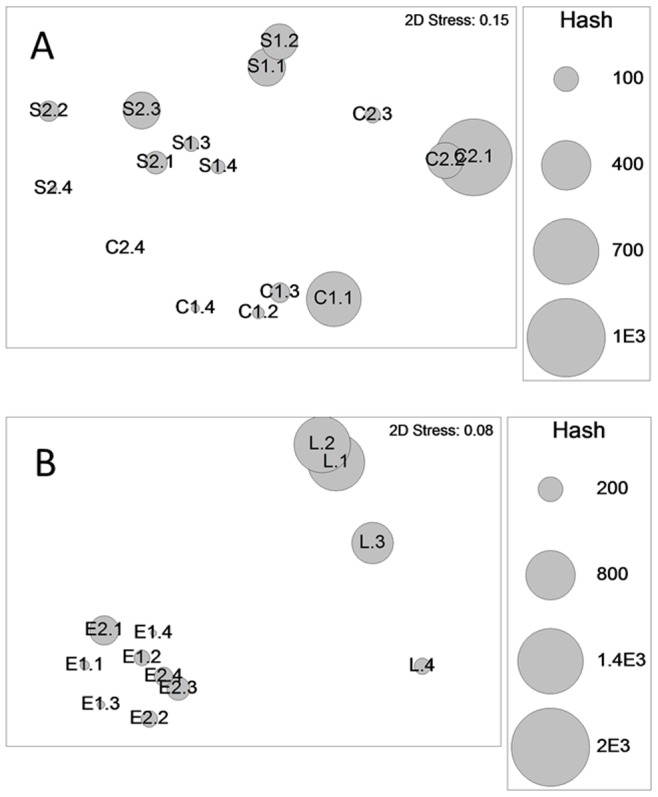
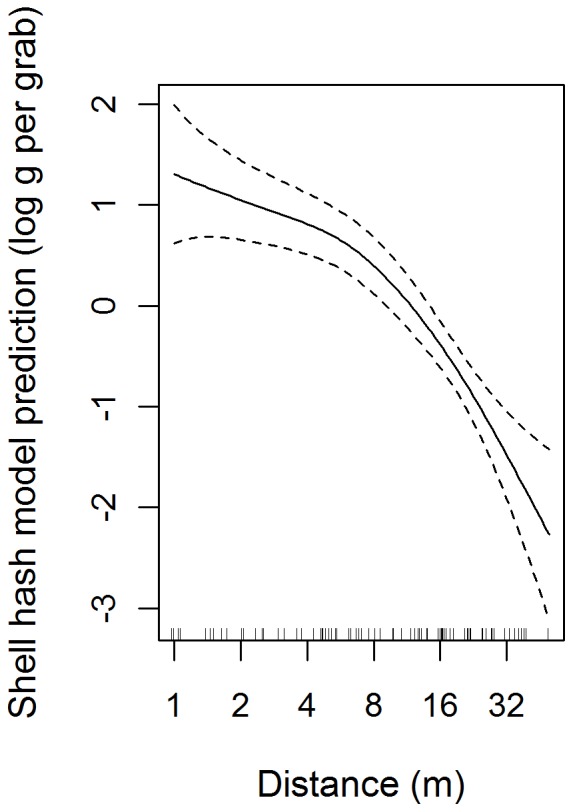
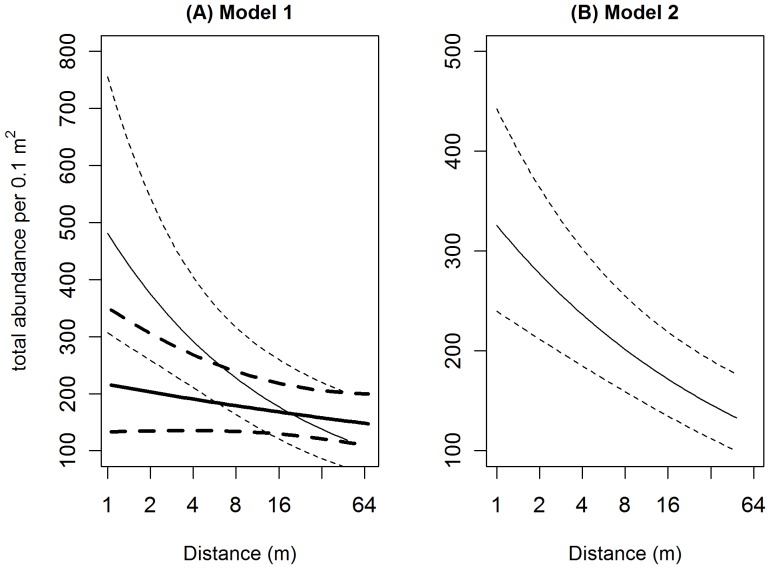
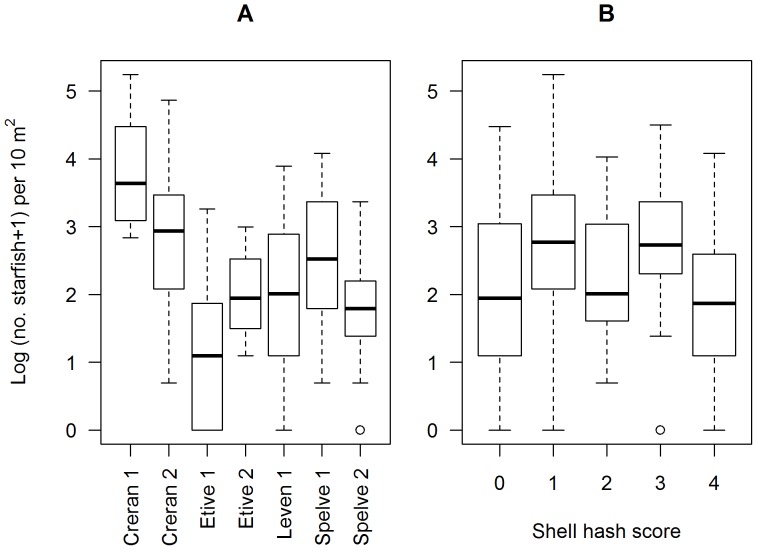
Aquaculture, as a means of food production, is growing rapidly in response to an increasing demand for protein and the over-exploitation of wild fisheries. This expansion includes mussels (family Mytilidae) where production currently stands at 1.5 million tonnes per annum. Mussel culture is frequently perceived as having little environmental impact yet mussel biodeposits and shell debris accumulate around the production site and are linked to changes in the benthos. To assess the extent and nature of changes in benthos associated with mussel farming grab and video sampling around seven mussel farms was conducted. Grab samples were analysed for macrofauna and shell-hash content whilst starfish were counted and the shell-hash cover estimated from video imaging. Shell-hash was patchily distributed and occasionally dominated sediments (maximum of 2116 g per 0.1 m(2) grab). Mean shell-hash content decreased rapidly at distances >5 m from the line and, over the distance 1-64 m, decreased by three orders of magnitude. The presence of shell-hash and the distance-from-line influenced macrofaunal assemblages but this effect differed between sites. There was no evidence that mussel farming was associated with changes in macrobenthic diversity, species count or feeding strategy. However, total macrofaunal count was estimated to be 2.5 times higher in close proximity to the lines, compared with 64 m distance, and there was evidence that this effect was conditional on the presence of shell-hash. Starfish density varied considerably between sites but, overall, they were approximately 10 times as abundant close to the mussel-lines compared with 64 m distance. There was no evidence that starfish were more abundant in the presence of shell-hash visible on the sediment surface. In terms of farm-scale benthic impacts these data suggest that mussel farming is a relatively benign way of producing food, compared with intensive fish-farming, in similar environments.
水产养殖作为一种食物生产方式,随着人们对蛋白质的需求不断增加和过度捕捞野生鱼类,其发展迅速。其中贝类(贻贝类)的产量目前达到每年 150 万吨。贝类养殖通常被认为对环境的影响很小,但贝类生物沉积物和贝壳碎片在养殖场周围堆积,并与底栖生物的变化有关。为了评估与贝类养殖相关的底栖生物变化的程度和性质,在七个贝类养殖场周围进行了抓斗和视频采样。抓斗样本用于分析大型底栖动物和贝壳碎屑含量,同时统计海星数量,并通过视频成像估计贝壳碎屑覆盖范围。贝壳碎屑呈斑块状分布,偶尔会主导沉积物(抓斗中最大含量为每 0.1 平方米 2116 克)。从线开始,距离超过 5 米处的贝壳碎屑含量迅速减少,在 1 至 64 米的距离内,减少了三个数量级。贝壳碎屑的存在和距离对线内的大型底栖动物群落有影响,但这种影响因地点而异。没有证据表明贝类养殖与底栖生物多样性、物种数量或摄食策略的变化有关。然而,与 64 米距离相比,靠近养殖线的地方大型底栖动物总数量估计要高出 2.5 倍,而且有证据表明这种影响取决于贝壳碎屑的存在。海星密度在不同地点之间差异很大,但总体而言,它们在靠近贻贝养殖线的地方比在 64 米距离处要丰富 10 倍左右。没有证据表明在沉积物表面可见贝壳碎屑的情况下,海星更丰富。就农场规模的底栖生物影响而言,与类似环境中的集约化鱼类养殖相比,这些数据表明贝类养殖是一种相对良性的食物生产方式。