Department of Life Science, College of Natural Sciences, Ewha Womans University, Seoul, South Korea.
PLoS One. 2013 Jul 11;8(7):e69030. doi: 10.1371/journal.pone.0069030. Print 2013.
Recent findings suggest that NADH-dependent enzymes of the plasma membrane redox system (PMRS) play roles in the maintenance of cell bioenergetics and oxidative state. Neurons and tumor cells exhibit differential vulnerability to oxidative and metabolic stress, with important implications for the development of therapeutic interventions that promote either cell survival (neurons) or death (cancer cells).
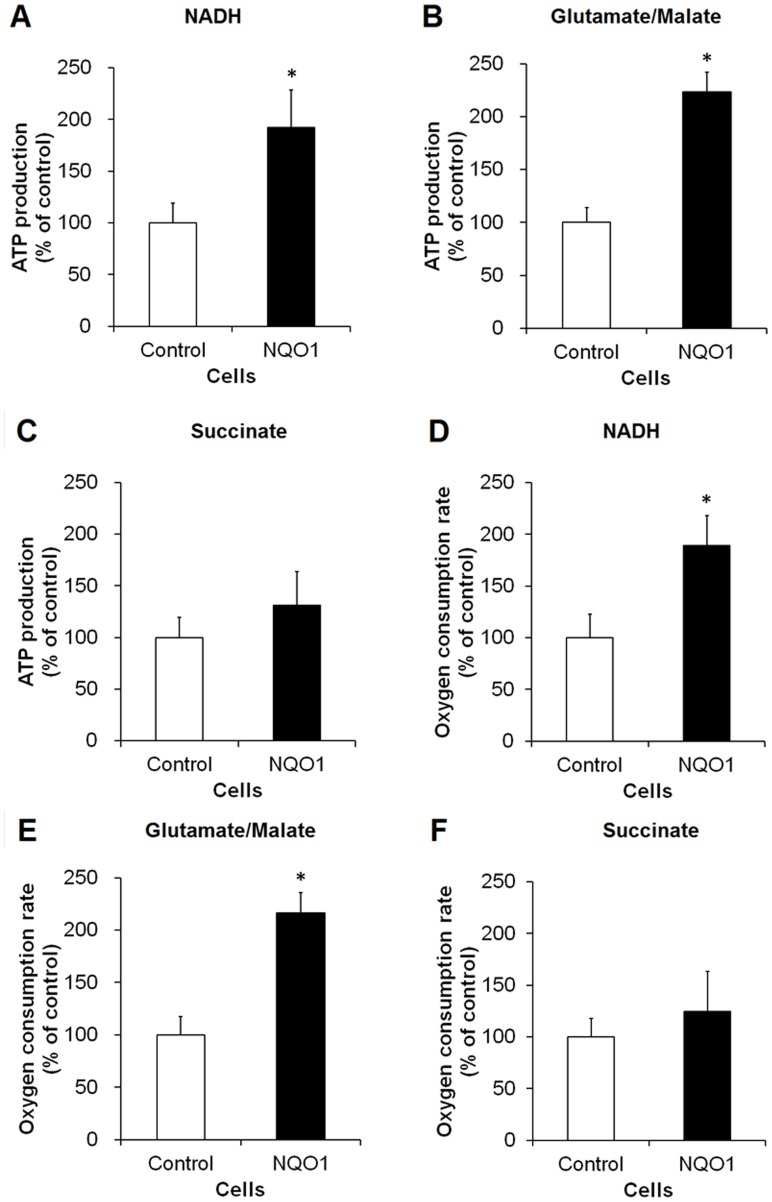
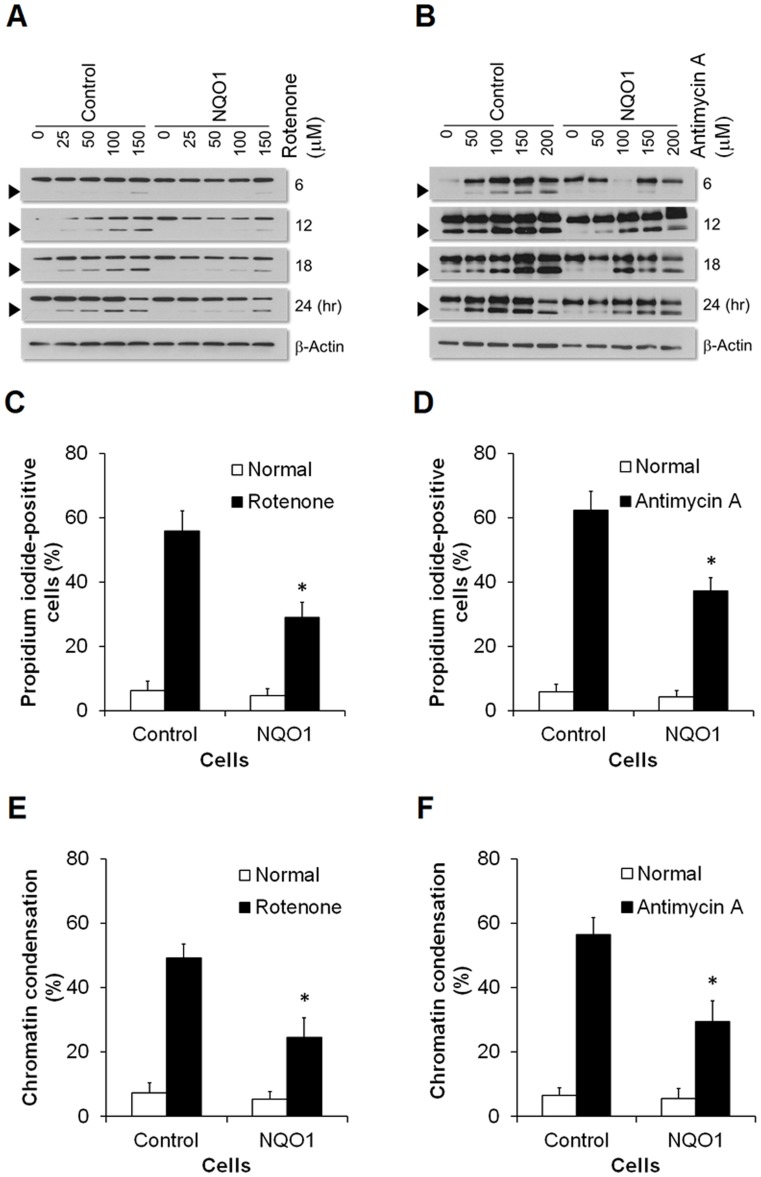
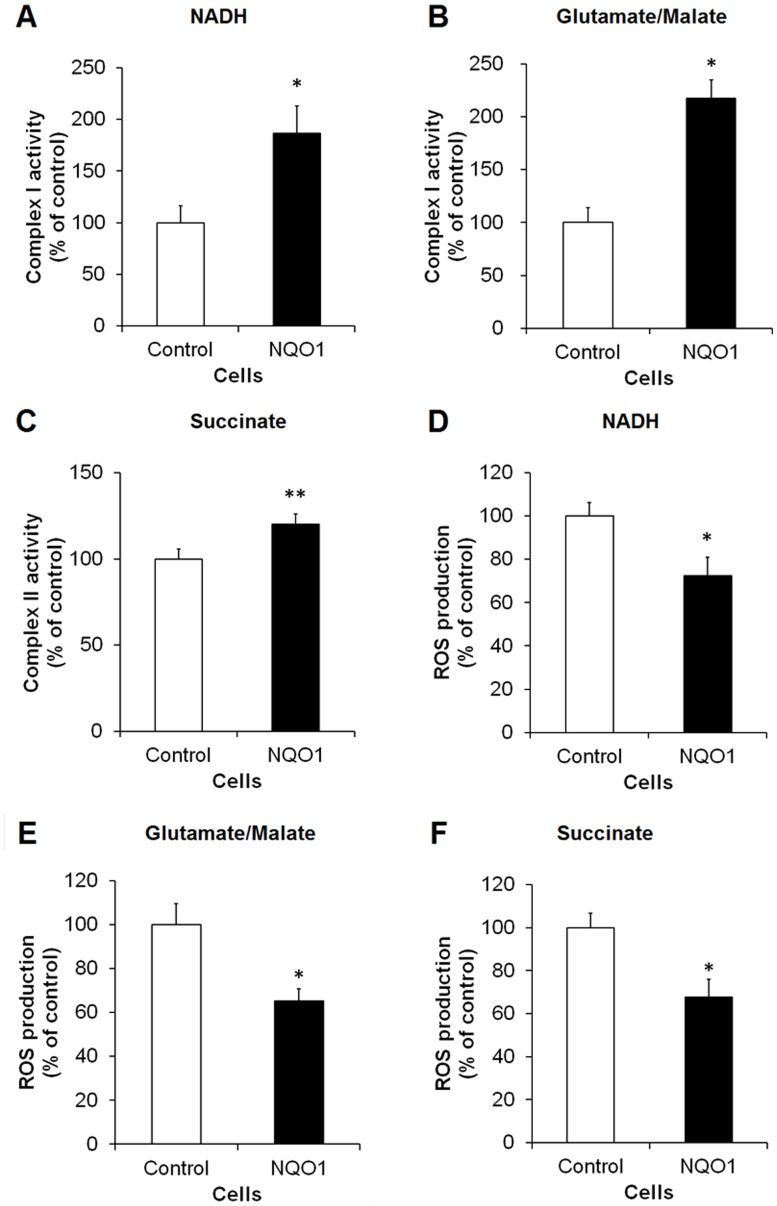
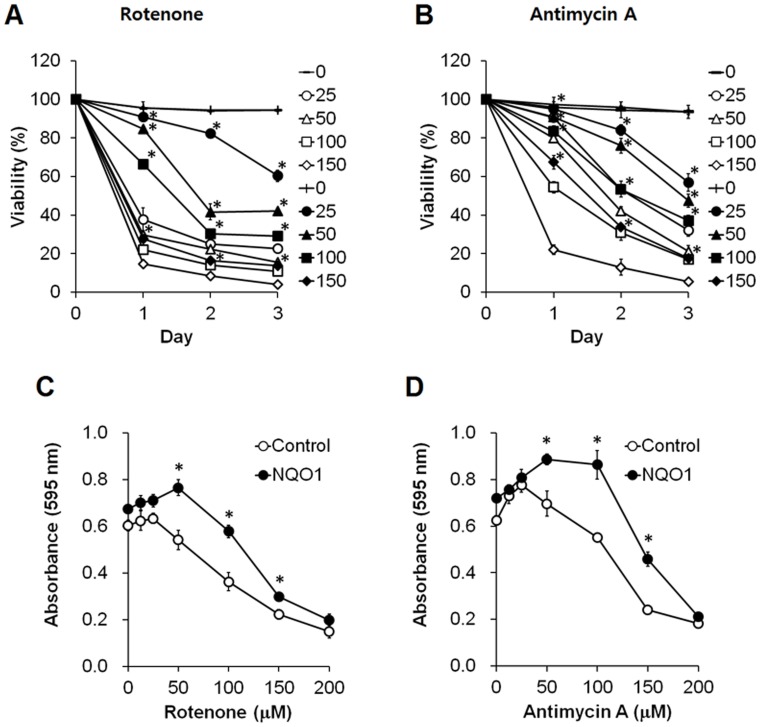
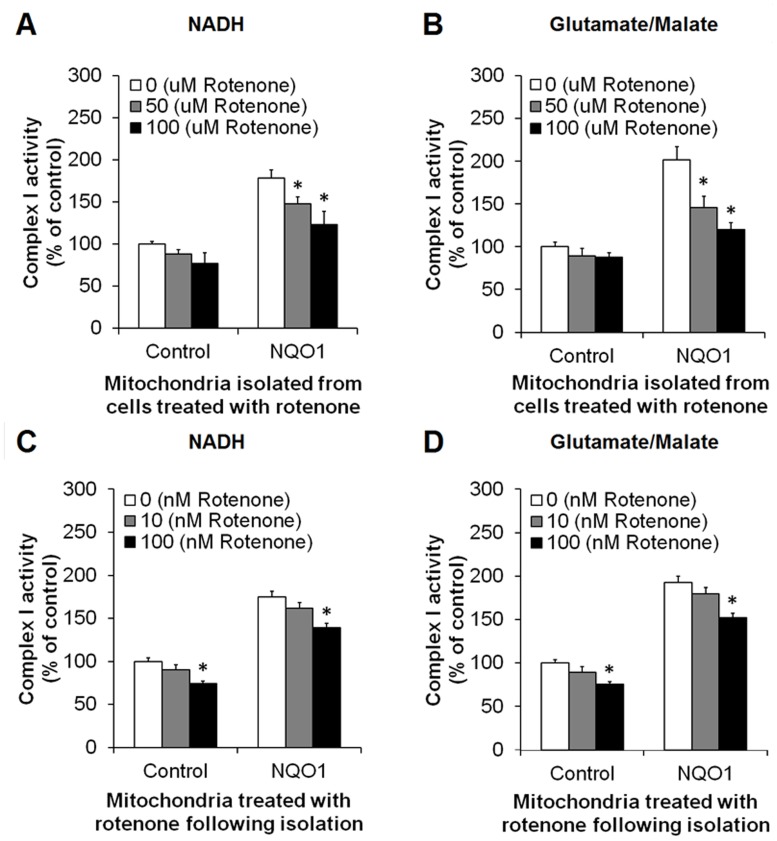
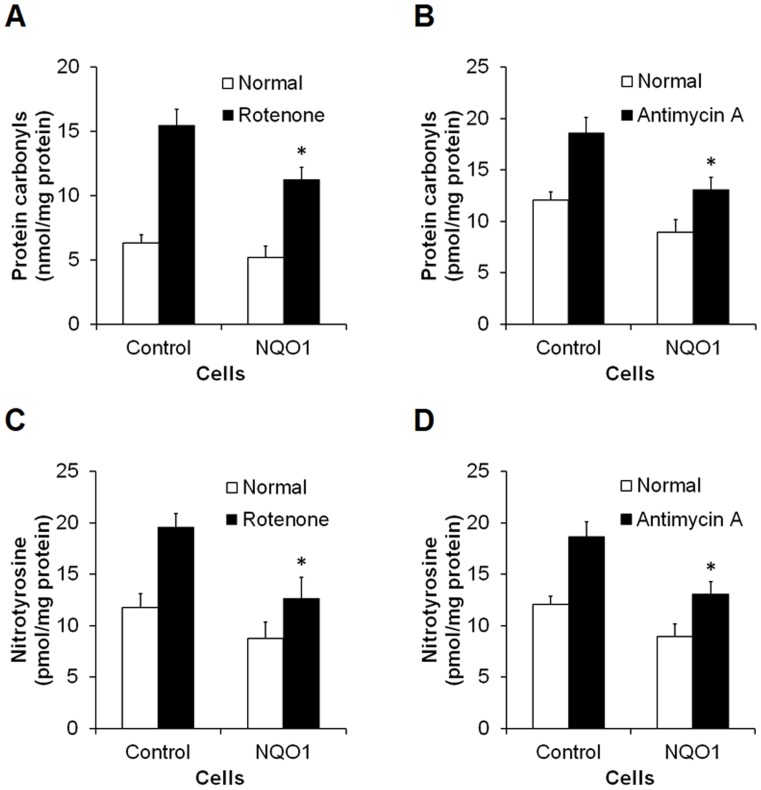
Here we used human neuroblastoma cells with low or high levels of the PMRS enzyme NADH-quinone oxidoreductase 1 (NQO1) to investigate how the PMRS modulates mitochondrial functions and cell survival. Cells with elevated NQO1 levels exhibited higher levels of oxygen consumption and ATP production, and lower production of reactive oxygen species. Cells overexpressing NQO1 were more resistant to being damaged by the mitochondrial toxins rotenone and antimycin A, and exhibited less oxidative/nitrative damage and less apoptotic cell death. Cells with basal levels of NQO1 resulted in increased oxidative damage to proteins and cellular vulnerability to mitochondrial toxins. Thus, mitochondrial functions are enhanced and oxidative stress is reduced as a result of elevated PMRS activity, enabling cells to maintain redox homeostasis under conditions of metabolic and energetic stress.
These findings suggest that NQO1 is a potential target for the development of therapeutic agents for either preventing neuronal degeneration or promoting the death of neural tumor cells.
最近的研究结果表明,质膜还原系统(PMRS)中的 NADH 依赖性酶在维持细胞生物能量和氧化状态方面发挥作用。神经元和肿瘤细胞对氧化和代谢应激表现出不同的易感性,这对开发促进细胞存活(神经元)或死亡(癌细胞)的治疗干预措施具有重要意义。
在这里,我们使用人神经母细胞瘤细胞,其质膜还原系统酶 NADH-醌氧化还原酶 1(NQO1)水平较低或较高,以研究 PMRS 如何调节线粒体功能和细胞存活。NQO1 水平升高的细胞表现出更高的耗氧量和 ATP 产生量,以及更低的活性氧产生量。过表达 NQO1 的细胞对线粒体毒素鱼藤酮和抗霉素 A 的损伤更具抗性,并且表现出较少的氧化/硝化损伤和较少的细胞凋亡死亡。NQO1 基础水平的细胞导致蛋白质氧化损伤增加,并且对线粒体毒素的细胞易感性增加。因此,由于 PMRS 活性的提高,线粒体功能增强,氧化应激减少,使细胞能够在代谢和能量应激条件下维持氧化还原平衡。
这些发现表明,NQO1 是开发治疗剂的潜在靶点,既可预防神经元变性,又可促进神经肿瘤细胞死亡。