Bates Steven, Hall Rebecca A, Cheetham Jill, Netea Mihai G, MacCallum Donna M, Brown Alistair J P, Odds Frank C, Gow Neil A R
College of Life and Environmental Sciences, University of Exeter, Exeter, EX4 4QD, UK.
BMC Res Notes. 2013 Jul 26;6:294. doi: 10.1186/1756-0500-6-294.
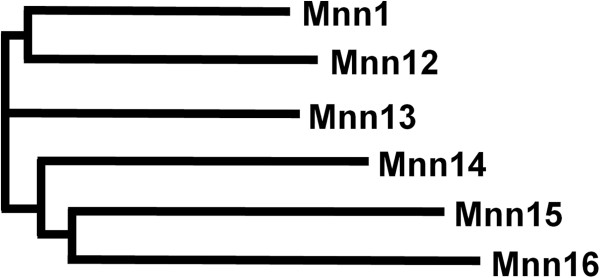
The Candida albicans cell wall is the first point of contact with the host, and its outer surface is heavily enriched in mannoproteins modified through the addition of N- and O-mannan. Previous work, using mutants with gross defects in glycosylation, has clearly identified the importance of mannan in the host-pathogen interaction, immune recognition and virulence. Here we report the first analysis of the MNN1 gene family, which contains six members predicted to act as α-1,3 mannosyltransferases in the terminal stages of glycosylation.
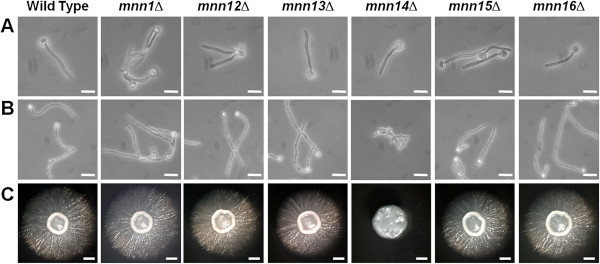
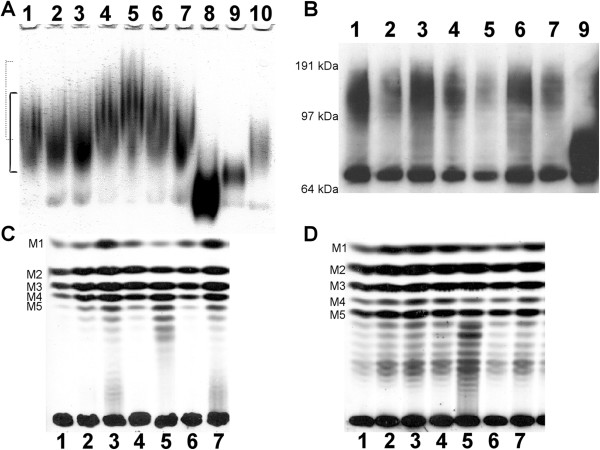
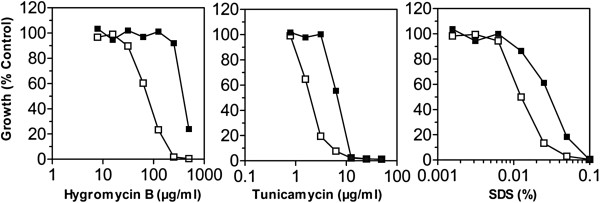
We generated single null mutants in all members of the C. albicans MNN1 gene family, and disruption of MNN14 led to both in vitro and in vivo defects. Null mutants in other members of the family demonstrated no phenotypic defects, suggesting that these members may display functional redundancy. The mnn14Δ null mutant displayed hypersensitivity to agents associated with cell wall and glycosylation defects, suggesting an altered cell wall structure. However, no gross changes in cell wall composition or N-glycosylation were identified in this mutant, although an extension of phosphomannan chain length was apparent. Although the cell wall defects associated with the mnn14Δ mutant were subtle, this mutant displayed a severe attenuation of virulence in a murine infection model.
Mnn14 plays a distinct role from other members of the MNN1 family, demonstrating that specific N-glycan outer chain epitopes are required in the host-pathogen interaction and virulence.
白色念珠菌的细胞壁是与宿主接触的首个位点,其外表面富含通过添加N - 甘露聚糖和O - 甘露聚糖修饰的甘露糖蛋白。先前利用糖基化存在严重缺陷的突变体进行的研究,已明确证实甘露聚糖在宿主 - 病原体相互作用、免疫识别及毒力方面的重要性。在此,我们报告对MNN1基因家族的首次分析,该家族包含六个成员,预计在糖基化的终末阶段作为α - 1,3甘露糖基转移酶发挥作用。
我们构建了白色念珠菌MNN1基因家族所有成员的单基因敲除突变体,MNN14的缺失导致了体外和体内的缺陷。该家族其他成员的基因敲除突变体未表现出明显的表型缺陷,这表明这些成员可能存在功能冗余。mnn14Δ基因敲除突变体对与细胞壁和糖基化缺陷相关的试剂表现出超敏反应,提示细胞壁结构发生了改变。然而,尽管该突变体中磷酸甘露聚糖链长度明显延长,但未发现细胞壁组成或N - 糖基化有明显变化。尽管与mnn14Δ突变体相关的细胞壁缺陷较为细微,但在小鼠感染模型中该突变体的毒力严重减弱。
Mnn14与MNN1家族的其他成员发挥着不同的作用,表明在宿主 - 病原体相互作用及毒力方面需要特定的N - 聚糖外链表位。