Gregg Chelsea L, Butcher Jonathan T
Department of Biomedical Engineering, Cornell University, Ithaca, NY 14853, USA.
Birth Defects Res C Embryo Today. 2013 Jun;99(2):106-20. doi: 10.1002/bdrc.21034.
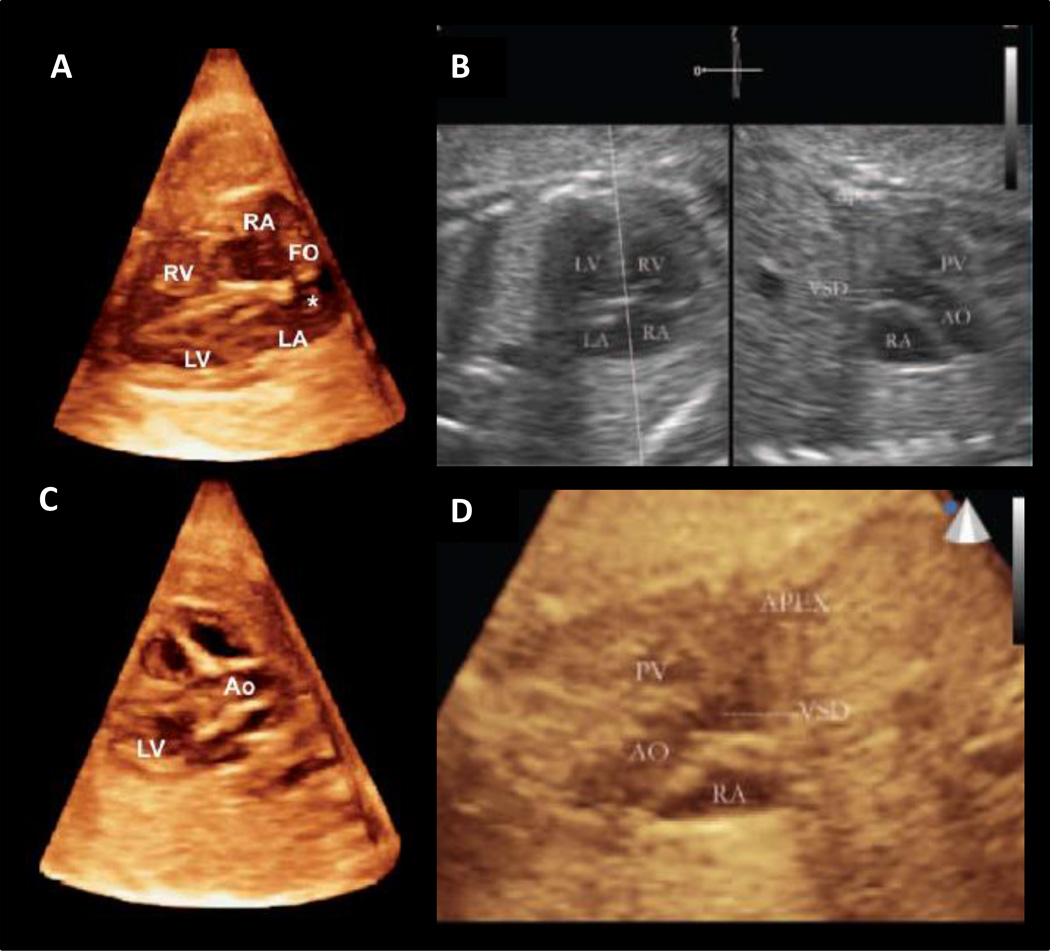
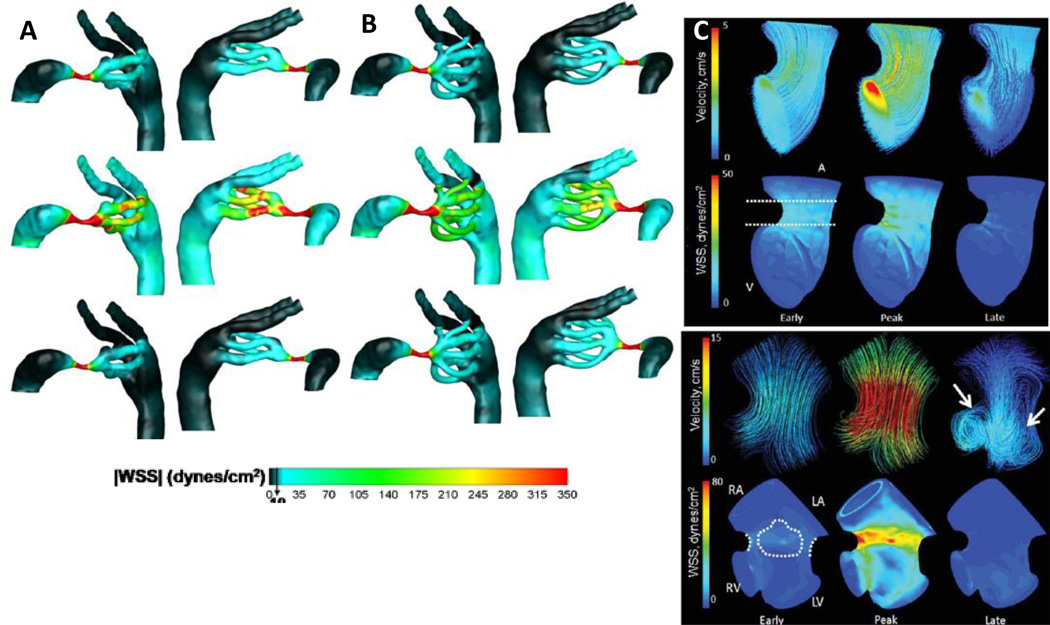
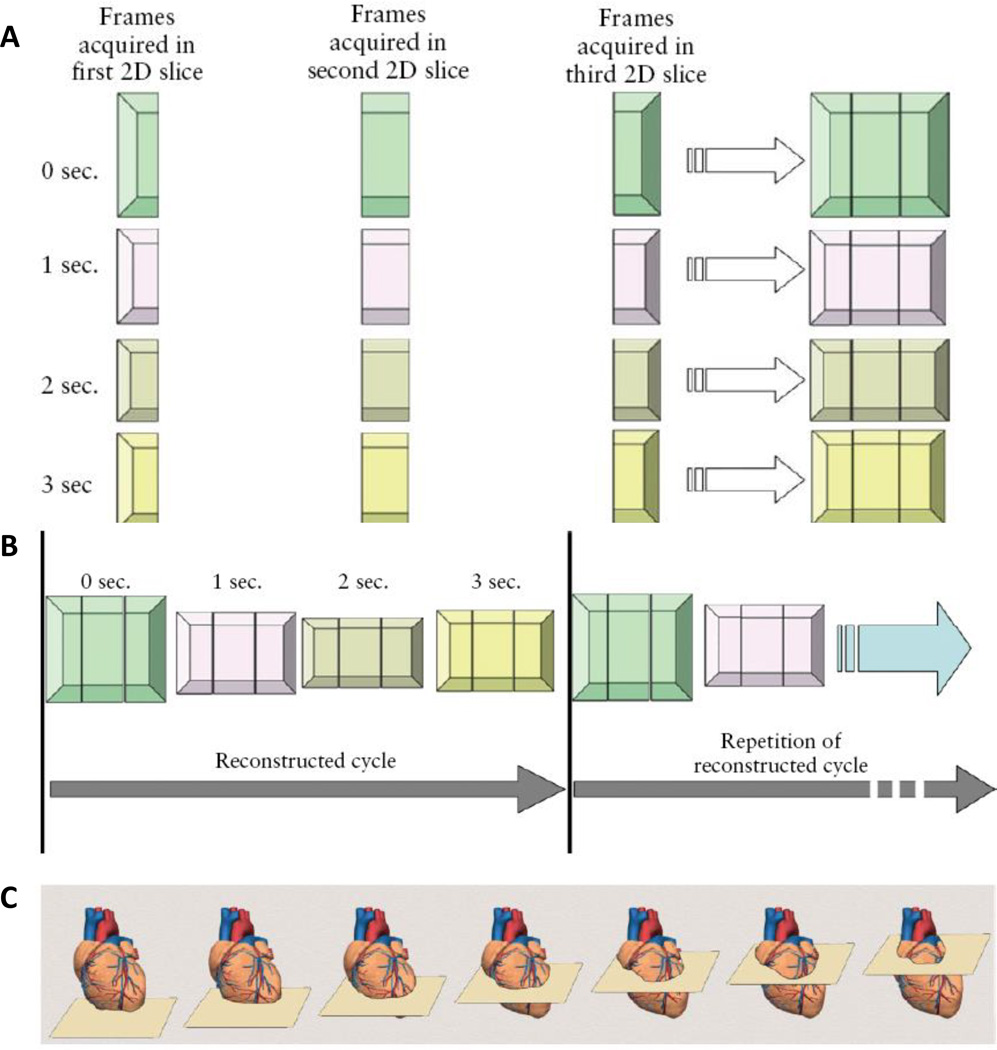
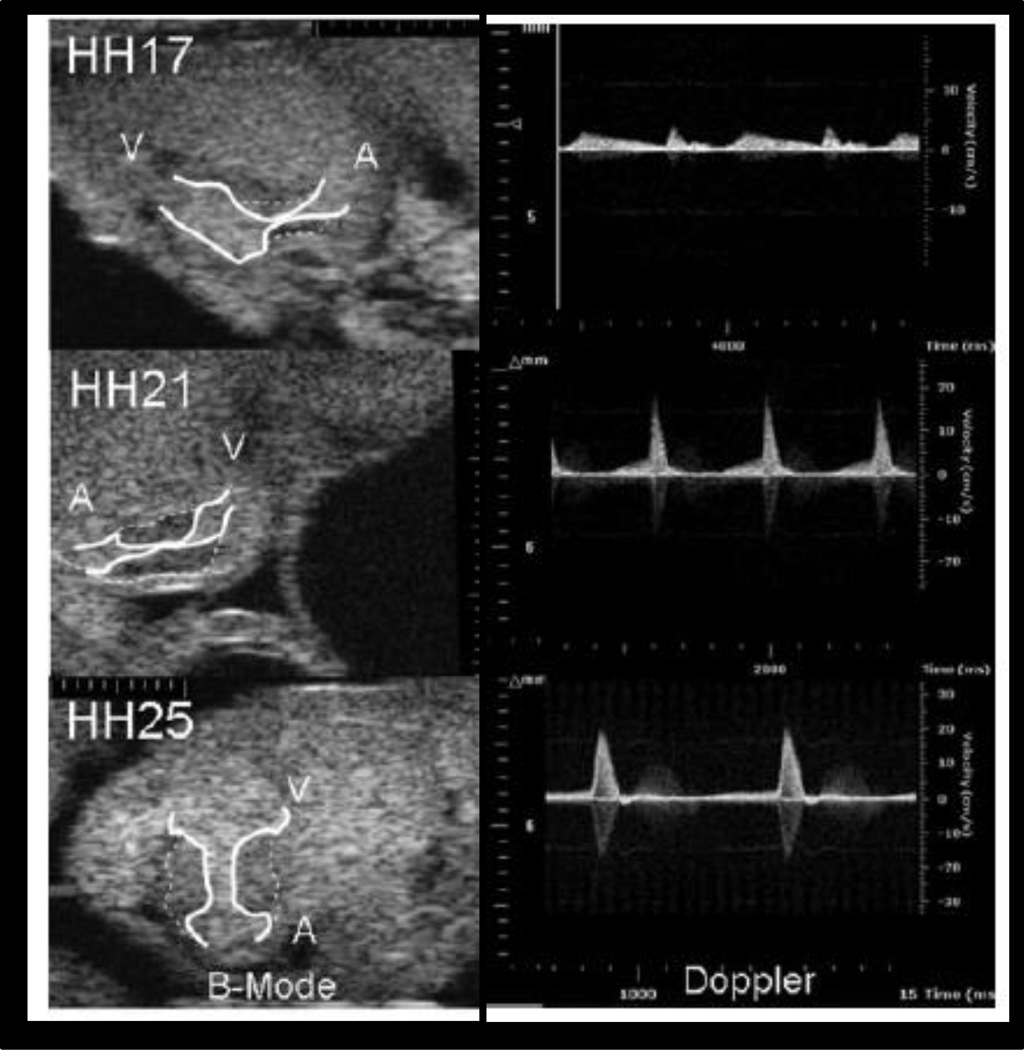
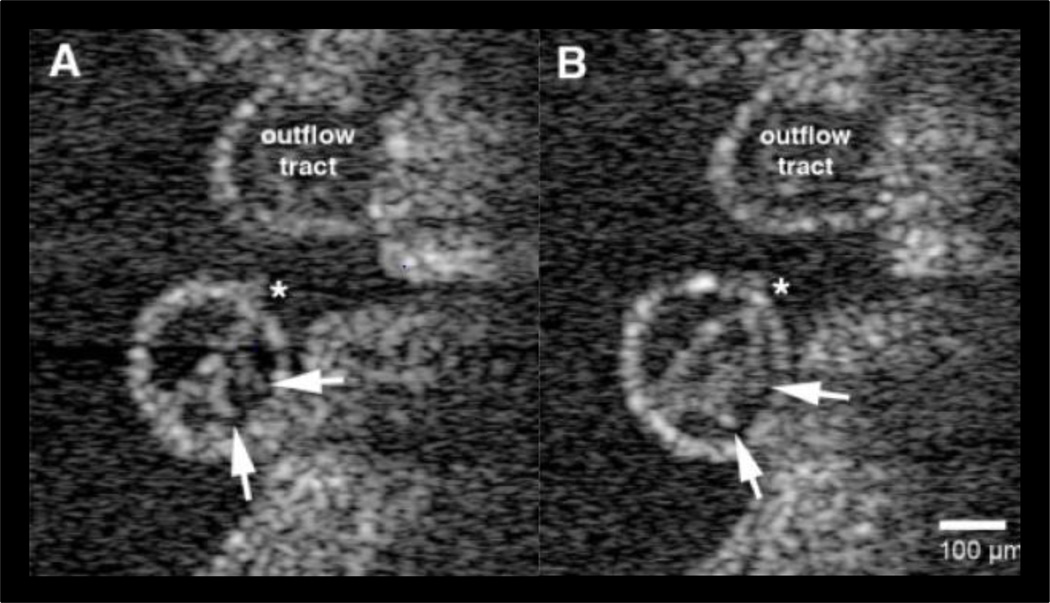
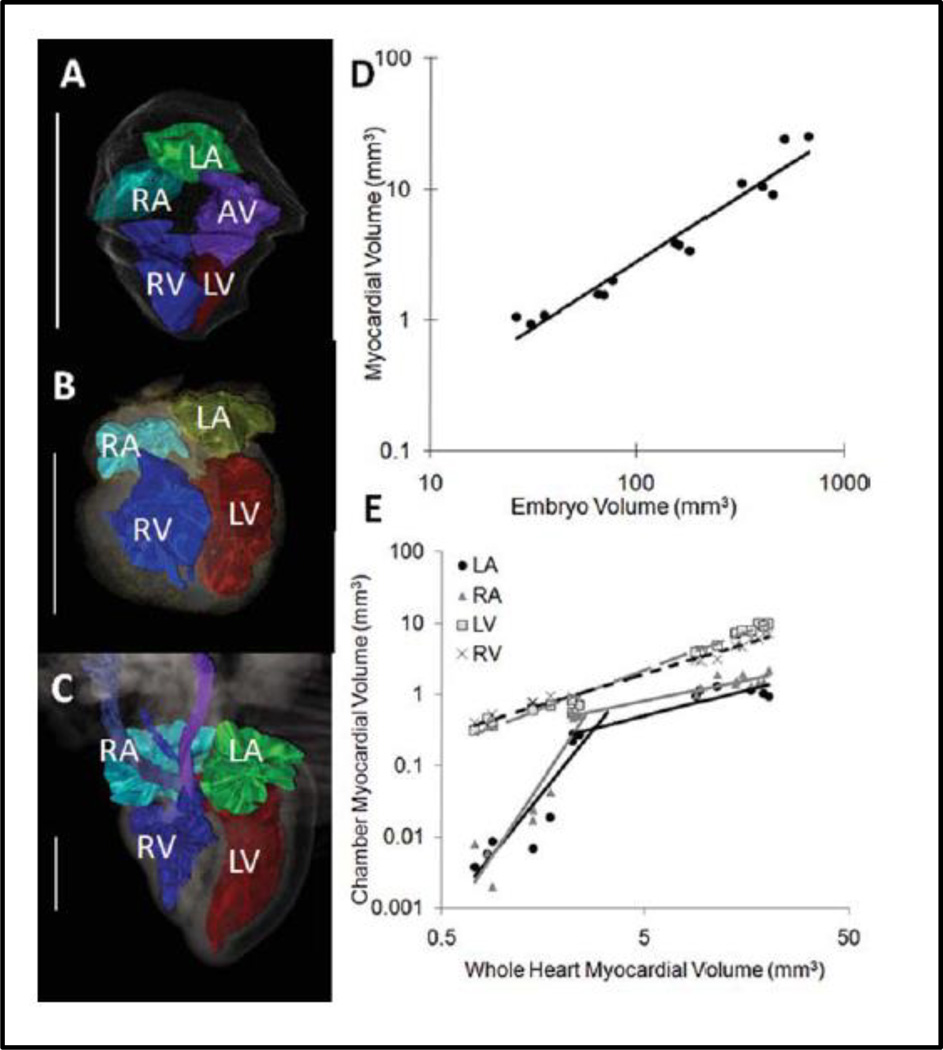
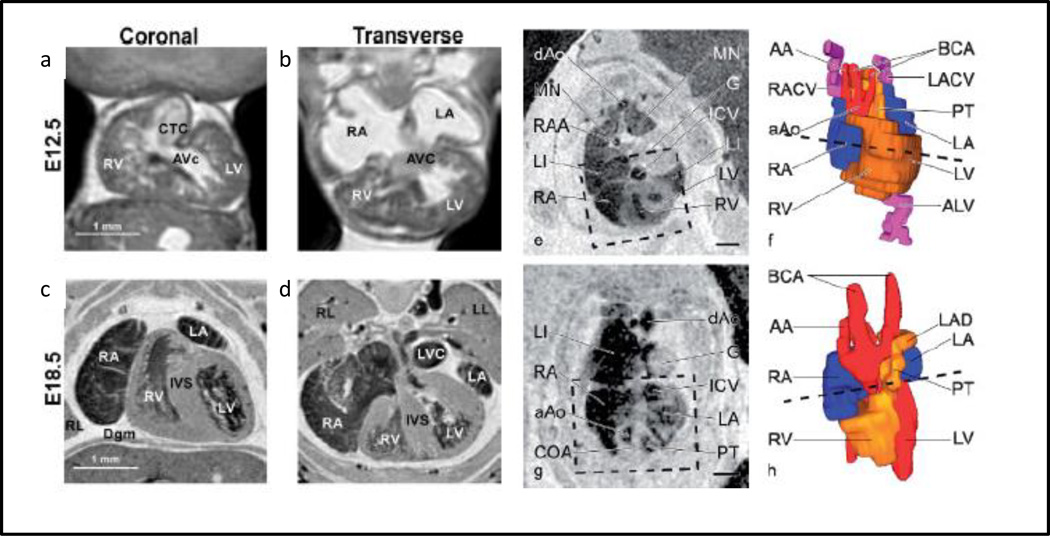
Congenital heart defects (CHD) are the most prevalent congenital disease, with 45% of deaths resulting from a congenital defect due to a cardiac malformation. Clinically significant CHD permit survival upon birth, but may become immediately life threatening. Advances in surgical intervention have significantly reduced perinatal mortality, but the outcome for many malformations is bleak. Furthermore, patients living while tolerating a CHD often acquire additional complications due to the long-term systemic blood flow changes caused by even subtle anatomical abnormalities. Accurate diagnosis of defects during fetal development is critical for interventional planning and improving patient outcomes. Advances in quantitative, multidimensional imaging are necessary to uncover the basic scientific and clinically relevant morphogenetic changes and associated hemodynamic consequences influencing normal and abnormal heart development. Ultrasound is the most widely used clinical imaging technology for assessing fetal cardiac development. Ultrasound-based fetal assessment modalities include motion mode (M-mode), two dimensional (2D), and 3D/4D imaging. These datasets can be combined with computational fluid dynamics analysis to yield quantitative, volumetric, and physiological data. Additional imaging modalities, however, are available to study basic mechanisms of cardiogenesis, including optical coherence tomography, microcomputed tomography, and magnetic resonance imaging. Each imaging technology has its advantages and disadvantages regarding resolution, depth of penetration, soft tissue contrast considerations, and cost. In this review, we analyze the current clinical and scientific imaging technologies, research studies utilizing them, and appropriate animal models reflecting clinically relevant cardiogenesis and cardiac malformations. We conclude with discussing the translational impact and future opportunities for cardiovascular development imaging research.
先天性心脏病(CHD)是最常见的先天性疾病,45%的先天性缺陷导致的死亡是由心脏畸形引起的。具有临床意义的CHD患儿出生后可存活,但可能立即危及生命。外科手术干预的进展显著降低了围产期死亡率,但许多畸形的预后仍然不容乐观。此外,患有CHD并存活下来的患者,由于即使是细微的解剖异常所导致的长期全身血流变化,往往会出现其他并发症。在胎儿发育期间准确诊断缺陷对于干预计划和改善患者预后至关重要。定量、多维成像技术的进步对于揭示影响正常和异常心脏发育的基本科学及临床相关形态发生变化以及相关血流动力学后果是必要的。超声是评估胎儿心脏发育最广泛使用的临床成像技术。基于超声的胎儿评估方式包括运动模式(M型)、二维(2D)和三维/四维成像。这些数据集可以与计算流体动力学分析相结合,以产生定量、容积和生理数据。然而,还有其他成像方式可用于研究心脏发生的基本机制,包括光学相干断层扫描、微型计算机断层扫描和磁共振成像。每种成像技术在分辨率、穿透深度、软组织对比度考量和成本方面都有其优缺点。在本综述中,我们分析了当前的临床和科学成像技术、利用这些技术的研究以及反映临床相关心脏发生和心脏畸形的合适动物模型。我们最后讨论了心血管发育成像研究的转化影响和未来机遇。