Department of Microbiology and Immunology, Sandler Asthma Basic Research Center, University of California, San Francisco, California 94143, USA.
Nat Rev Immunol. 2013 Sep;13(9):666-78. doi: 10.1038/nri3494. Epub 2013 Aug 2.
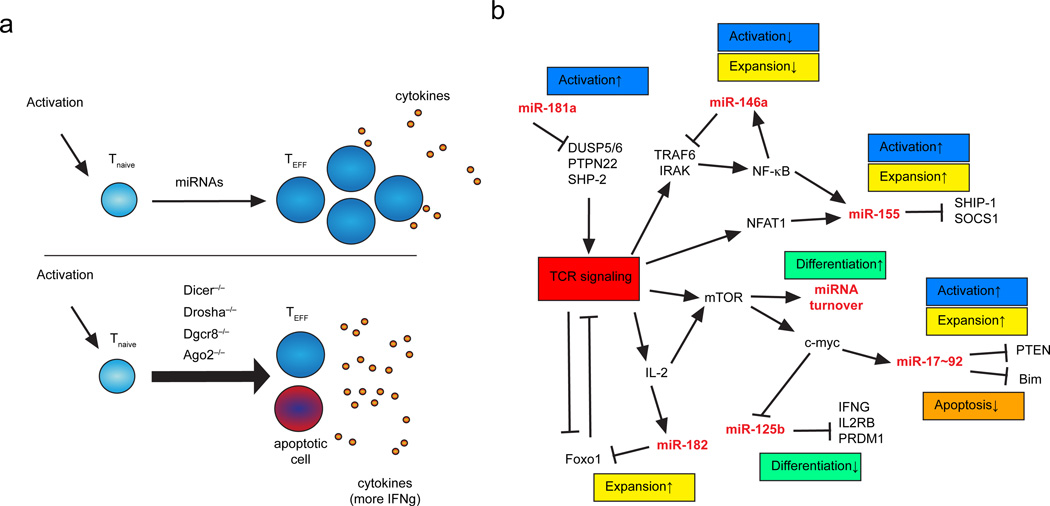
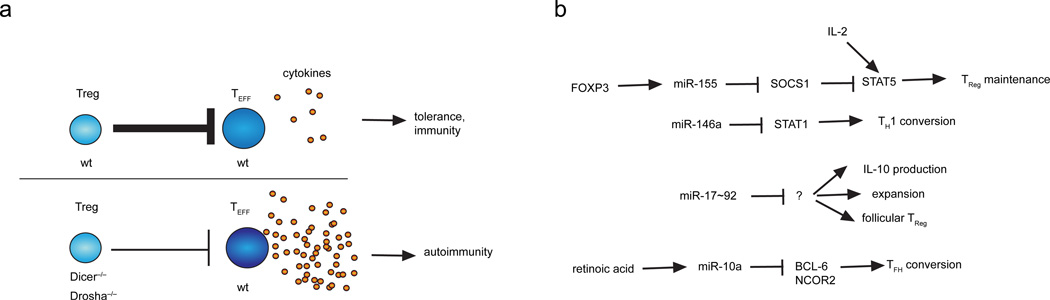
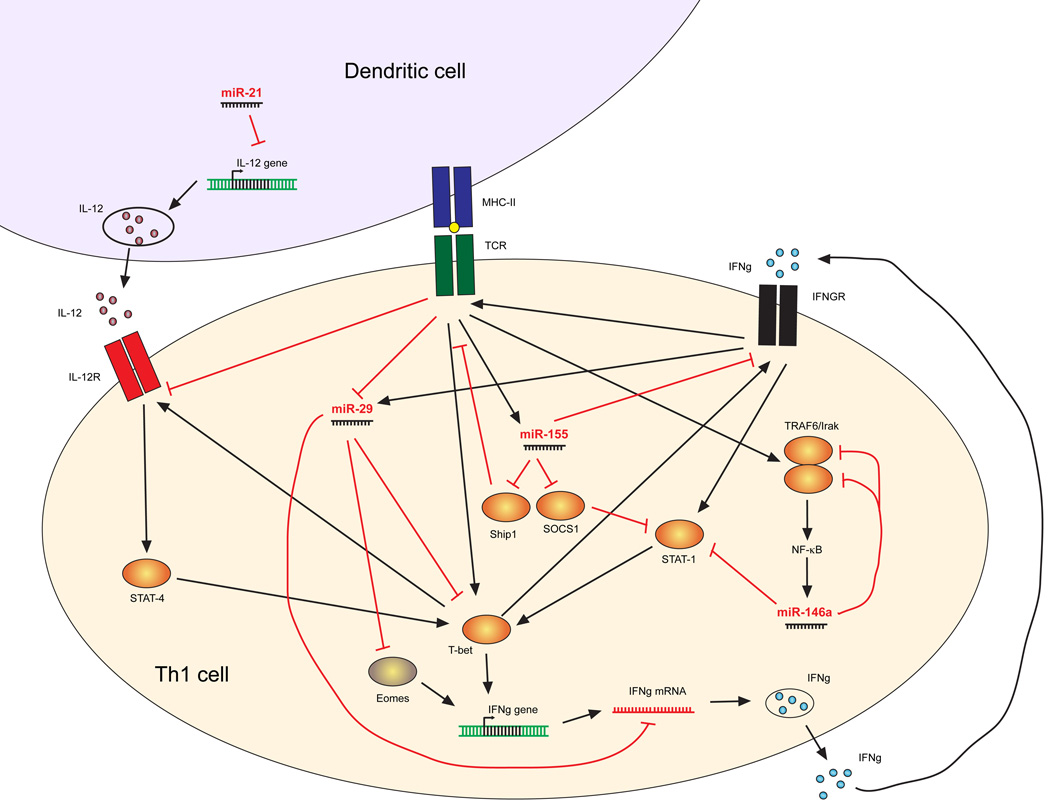
CD4(+) T helper (TH) cells regulate appropriate cellular and humoral immune responses to a wide range of pathogens and are central to the success of vaccines. However, their dysregulation can cause allergies and autoimmune diseases. The CD4(+) T cell population is characterized not only by a range of distinct cell subsets, such as TH1, TH2 and TH17 cells, regulatory T cells and T follicular helper cells--each with specific functions and gene expression programmes--but also by plasticity between the different TH cell subsets. In this Review, we discuss recent advances and emerging ideas about how microRNAs--small endogenously expressed oligonucleotides that modulate gene expression--are involved in the regulatory networks that determine TH cell fate decisions and that regulate their effector functions.
CD4(+) T 辅助(TH)细胞调节对广泛病原体的适当细胞和体液免疫反应,是疫苗成功的核心。然而,它们的失调会导致过敏和自身免疫性疾病。CD4(+) T 细胞群体不仅以一系列不同的细胞亚群为特征,如 TH1、TH2 和 TH17 细胞、调节性 T 细胞和滤泡辅助 T 细胞--每种细胞亚群都具有特定的功能和基因表达程序--而且还具有不同 TH 细胞亚群之间的可塑性。在这篇综述中,我们讨论了关于 microRNAs(调节基因表达的小内源性表达寡核苷酸)如何参与决定 TH 细胞命运决定和调节其效应功能的调节网络的最新进展和新观点。