Neurogenetics Laboratory, Institute for Genomic Medicine, Rady Children's Hospital, Howard Hughes Medical Institute, University of California, San Diego, La Jolla, CA 92093, USA.
Cell. 2013 Aug 1;154(3):505-17. doi: 10.1016/j.cell.2013.07.005.
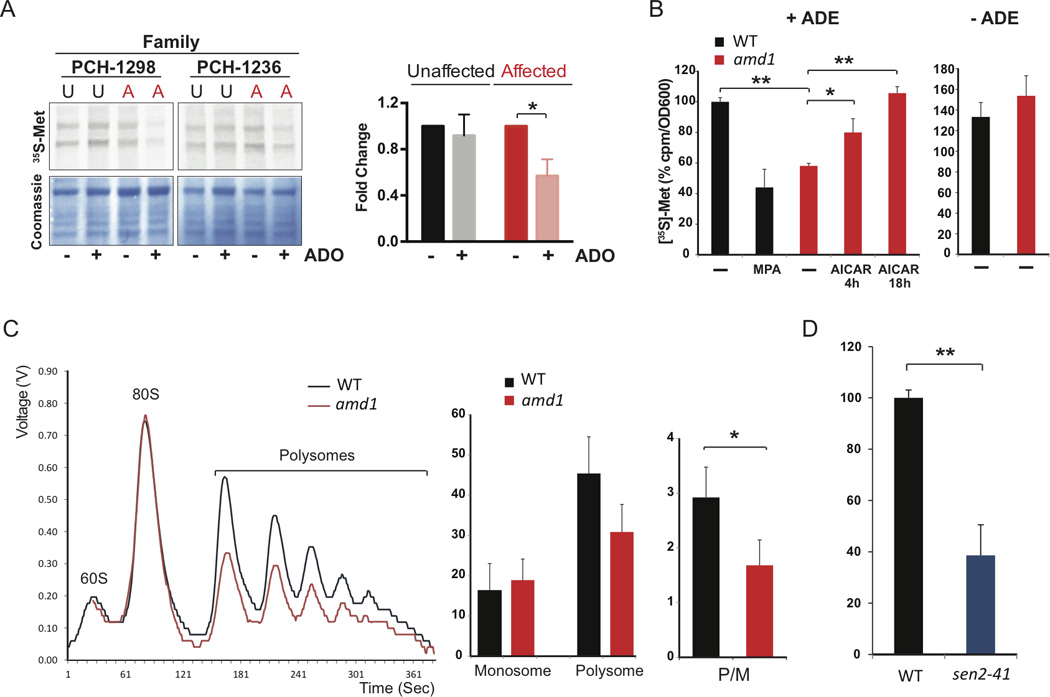
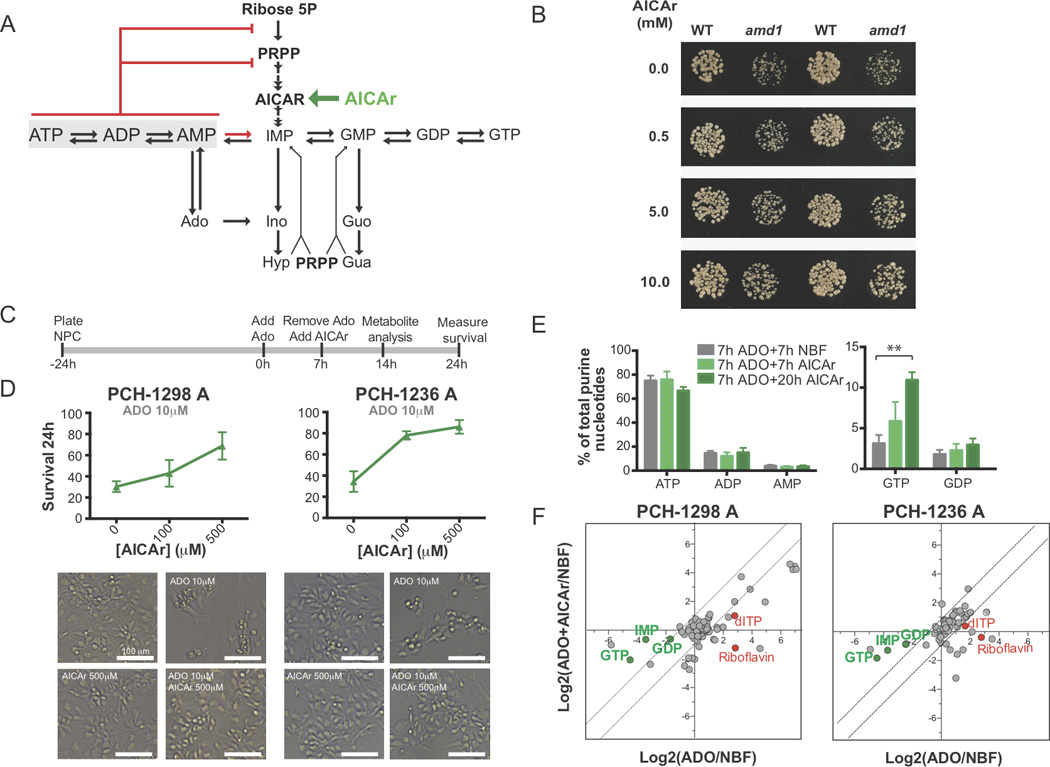
Purine biosynthesis and metabolism, conserved in all living organisms, is essential for cellular energy homeostasis and nucleic acid synthesis. The de novo synthesis of purine precursors is under tight negative feedback regulation mediated by adenosine and guanine nucleotides. We describe a distinct early-onset neurodegenerative condition resulting from mutations in the adenosine monophosphate deaminase 2 gene (AMPD2). Patients have characteristic brain imaging features of pontocerebellar hypoplasia (PCH) due to loss of brainstem and cerebellar parenchyma. We found that AMPD2 plays an evolutionary conserved role in the maintenance of cellular guanine nucleotide pools by regulating the feedback inhibition of adenosine derivatives on de novo purine synthesis. AMPD2 deficiency results in defective GTP-dependent initiation of protein translation, which can be rescued by administration of purine precursors. These data suggest AMPD2-related PCH as a potentially treatable early-onset neurodegenerative disease.
嘌呤生物合成和代谢在所有生物中都被保守,对于细胞能量稳态和核酸合成至关重要。嘌呤前体的从头合成受到由腺苷和鸟嘌呤核苷酸介导的严格负反馈调节。我们描述了一种由腺苷单磷酸脱氨酶 2 基因 (AMPD2) 突变引起的独特的早发性神经退行性疾病。患者具有由于脑干和小脑实质丧失引起的桥脑小脑发育不良 (PCH) 的典型脑成像特征。我们发现 AMPD2 通过调节腺苷衍生物对从头嘌呤合成的反馈抑制作用,在维持细胞鸟嘌呤核苷酸池方面发挥着进化保守的作用。AMPD2 缺乏导致 GTP 依赖性蛋白翻译起始缺陷,而嘌呤前体的给药可以挽救这一缺陷。这些数据表明,AMPD2 相关的 PCH 可能是一种可治疗的早发性神经退行性疾病。