Wu Di, Li Hongqi, Xiang Guoan, Zhang Liwei, Li Lihong, Cao Yongmei, Zhang Jinqian
Department of Ultrasound, Air Force General Hospital of PLA, Beijing, China.
Hepat Mon. 2013 Apr 18;13(4):e6065. doi: 10.5812/hepatmon.6065. Print 2013 Apr.
HBV infection is a serious public health problem worldwide, which can contribute to the incidence of chronic hepatitis B (CHB), cirrhosis, and hepatocellular carcinoma (HCC).
In the present report, we assessed the association between adiponectin, its receptors and hepatic steatosis, fibrosis, and inflammation with hepatitis B virus.
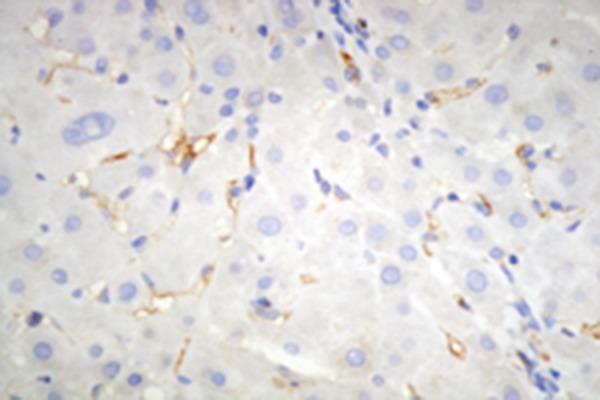
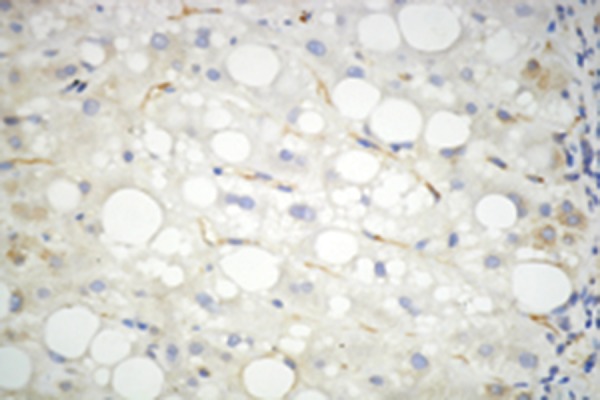
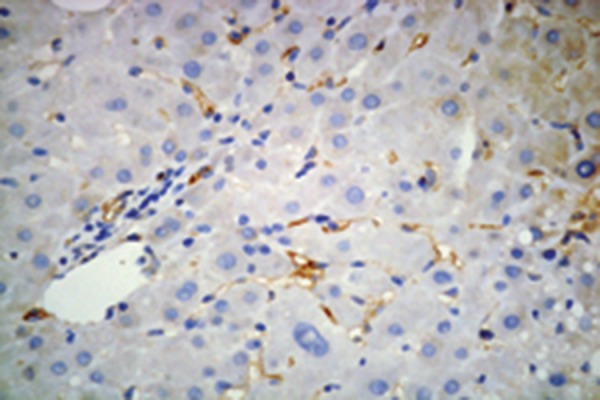
Liver biopsies from 89 patients with untreated chronic hepatitis B (34 steatosis vs. 55 without steatosis) were analyzed; liver biopsies from 50 healthy adults were used as control. The liver biopsies were subjected to routine histological examination, and stained immunohistochemically for adiponectin and adiponectin receptor2 (adipoR2).
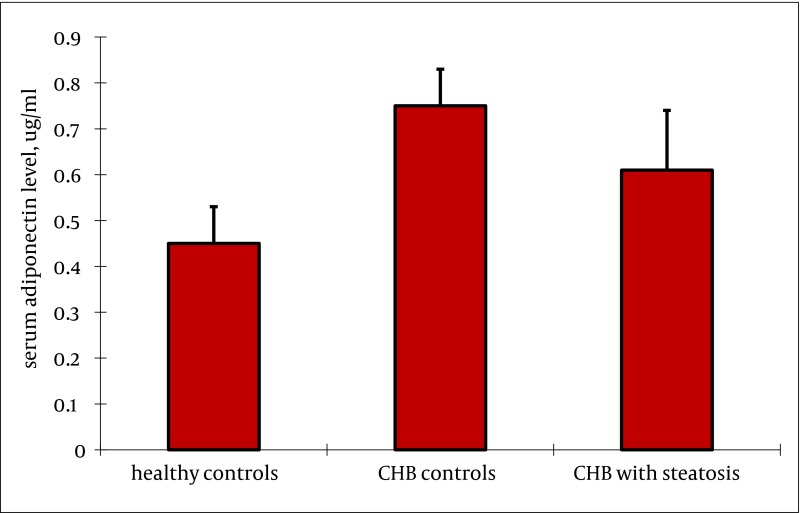
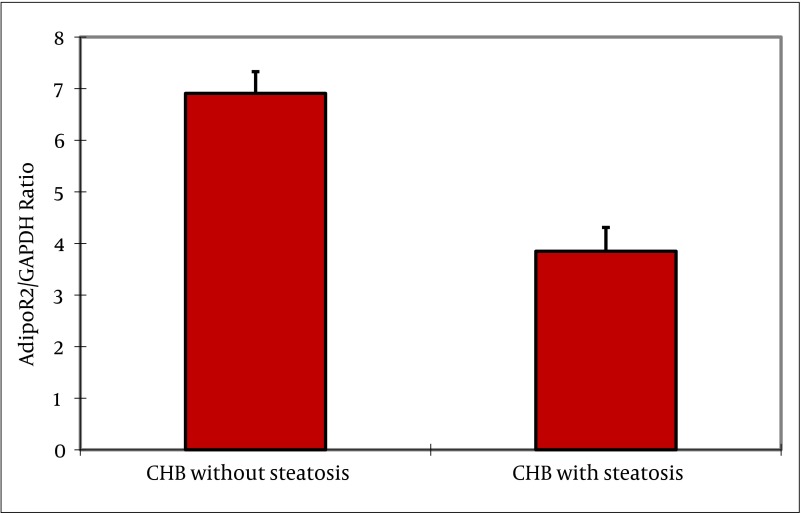
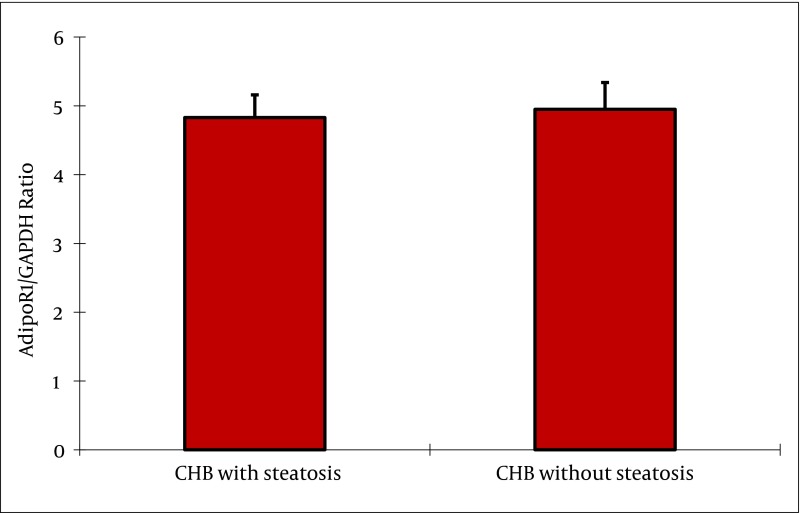
The two groups were found to be comparable with respect to demographic, biochemical, metabolic, histological, and viral characteristics. BMI, γ-GT, FPG, insulin, and insulin sensitivity estimated by the HOMA index were significantly higher in patients with steatosis. The viral load of HBV and HBeAg positivity was higher in patients with steatosis than those without steatosis. High serum adiponectin levels were significantly correlated with abnormal serum ALT level (vs. normal ALT, P = 0.000), and HBV genotype C (vs. genotype B, P = 0.018). In patients with chronic HBV, the insulin sensitizing adipokine adiponectin, and its receptor AdipoR2were associated with steatosis. While adiponectin may becorrelated with inflammation, adiponectin, and its receptors were not associated with viral factors.
Our results suggest that the role of adiponectin might be impaired in chronic hepatitis B with steatosis. Reduced hepatic expression of adiponectin and adipoR2 might be of pathophysiological relevance in CHB patients with steatosis. These findings indicated that reduced liver adiponectin expression may play an important role in the pathogenesis, and progression of CHB patients with steatosis. However, hepatic expression of adiponectin, and adipoR2 was not associated with various measures of HBV infection.
乙肝病毒(HBV)感染是一个全球性的严重公共卫生问题,它可导致慢性乙型肝炎(CHB)、肝硬化和肝细胞癌(HCC)的发生。
在本报告中,我们评估了脂联素及其受体与肝脂肪变性、纤维化以及炎症与乙肝病毒之间的关联。
对89例未经治疗的慢性乙型肝炎患者(34例有脂肪变性,55例无脂肪变性)的肝活检组织进行分析;选取50例健康成年人的肝活检组织作为对照。对肝活检组织进行常规组织学检查,并进行脂联素和脂联素受体2(adipoR2)的免疫组织化学染色。
发现两组在人口统计学、生化、代谢、组织学和病毒学特征方面具有可比性。脂肪变性患者的体重指数(BMI)、γ-谷氨酰转移酶(γ-GT)、空腹血糖(FPG)、胰岛素以及通过稳态模型评估法(HOMA)指数估算的胰岛素敏感性显著更高。脂肪变性患者的HBV病毒载量和HBeAg阳性率高于无脂肪变性患者。血清脂联素水平升高与血清谷丙转氨酶(ALT)水平异常显著相关(与正常ALT相比,P = 0.000),且与HBV C基因型相关(与B基因型相比,P = 0.018)。在慢性HBV患者中,具有胰岛素增敏作用的脂肪因子脂联素及其受体AdipoR2与脂肪变性相关。虽然脂联素可能与炎症相关,但脂联素及其受体与病毒因素无关。
我们的结果表明,在伴有脂肪变性的慢性乙型肝炎中,脂联素的作用可能受损。脂联素和adipoR2在肝脏中的表达降低可能与伴有脂肪变性的CHB患者的病理生理相关。这些发现表明,肝脏脂联素表达降低可能在伴有脂肪变性的CHB患者的发病机制和病情进展中起重要作用。然而,脂联素和adipoR2在肝脏中的表达与HBV感染的各项指标无关。