Instituto de Medicina Oncológica y Molecular de Asturias IMOMA, 33193 Oviedo, Spain.
Nat Commun. 2013;4:2268. doi: 10.1038/ncomms3268.
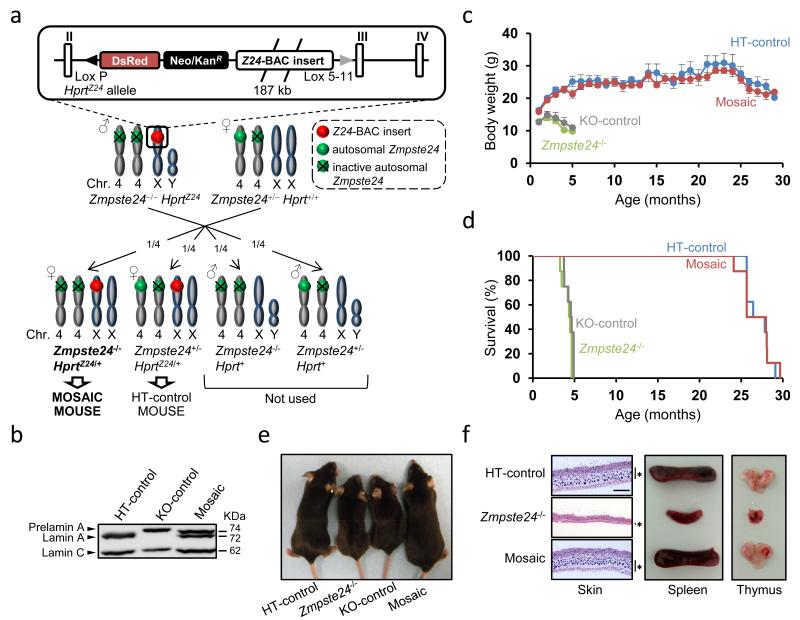
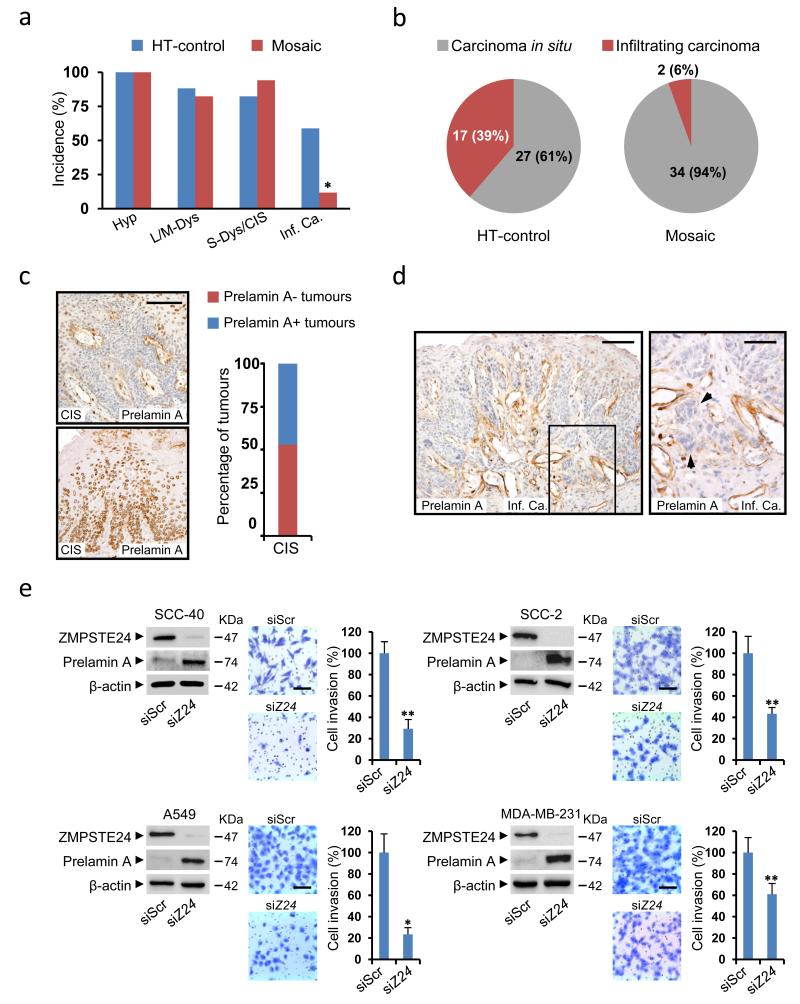
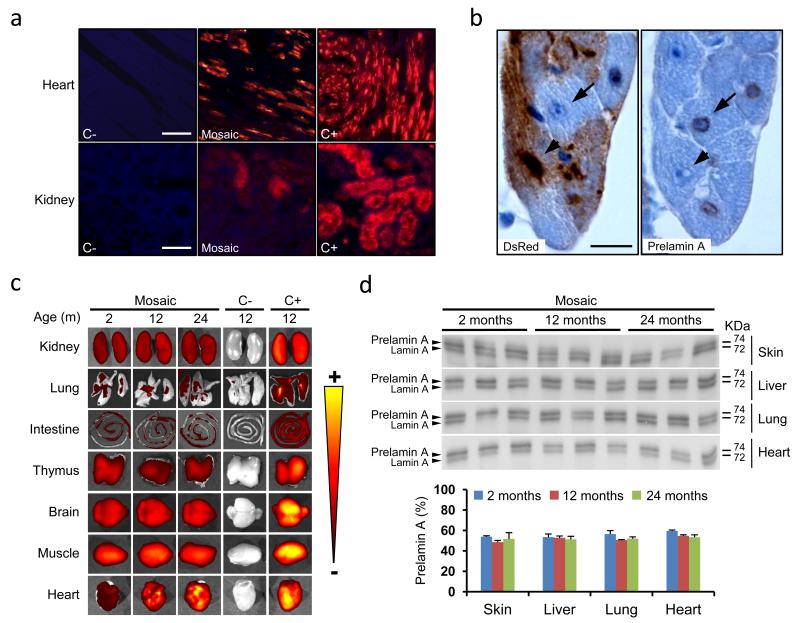
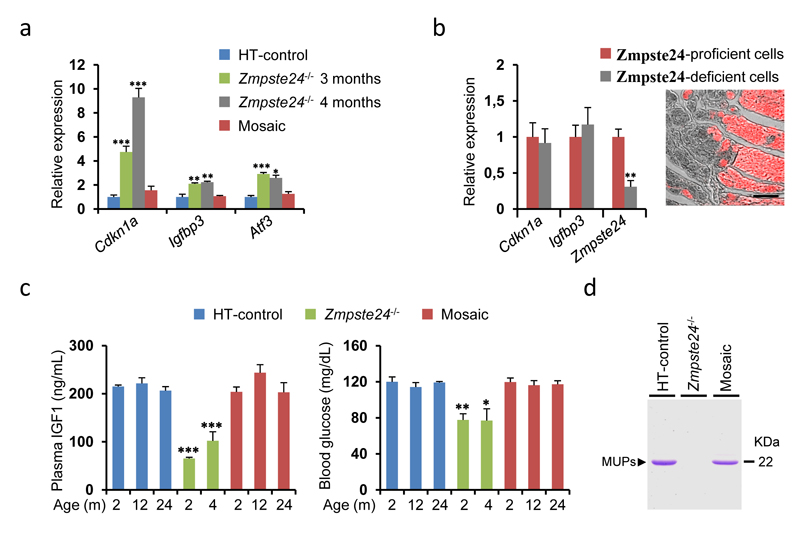
Defining the relationship between ageing and cancer is a crucial but challenging task. Mice deficient in Zmpste24, a metalloproteinase mutated in human progeria and involved in nuclear prelamin A maturation, recapitulate multiple features of ageing. However, their short lifespan and serious cell-intrinsic and cell-extrinsic alterations restrict the application and interpretation of carcinogenesis protocols. Here we present Zmpste24 mosaic mice that lack these limitations. Zmpste24 mosaic mice develop normally and keep similar proportions of Zmpste24-deficient (prelamin A-accumulating) and Zmpste24-proficient (mature lamin A-containing) cells throughout life, revealing that cell-extrinsic mechanisms are preeminent for progeria development. Moreover, prelamin A accumulation does not impair tumour initiation and growth, but it decreases the incidence of infiltrating oral carcinomas. Accordingly, silencing of ZMPSTE24 reduces human cancer cell invasiveness. Our results support the potential of cell-based and systemic therapies for progeria and highlight ZMPSTE24 as a new anticancer target.
定义衰老和癌症之间的关系是一项至关重要但具有挑战性的任务。缺乏 Zmpste24 的小鼠(一种在人类早衰症中发生突变的金属蛋白酶,参与核前层粘连蛋白 A 的成熟)会重现多种衰老特征。然而,它们的短寿命以及严重的细胞内在和细胞外在改变限制了致癌发生方案的应用和解释。在这里,我们提出了缺乏这些限制的 Zmpste24 镶嵌小鼠。Zmpste24 镶嵌小鼠正常发育,并在整个生命周期中保持相似比例的 Zmpste24 缺失(前层粘连蛋白 A 积累)和 Zmpste24 功能正常(成熟层粘连蛋白 A 包含)细胞,表明细胞外在机制在早衰症的发展中占主导地位。此外,前层粘连蛋白 A 的积累不会损害肿瘤的起始和生长,但会降低浸润性口腔癌的发病率。因此,ZMPSTE24 的沉默降低了人类癌细胞的侵袭性。我们的结果支持针对早衰症的基于细胞和系统性治疗的潜力,并强调 ZMPSTE24 是一个新的抗癌靶标。