University of Cambridge, Metabolic Research Laboratories, Institute of Metabolic Science Addenbrooke's Treatment Centre, Addenbrooke's Hospital, Cambridge, U.K.
Diabetes. 2013 Nov;62(11):3697-708. doi: 10.2337/db12-1748. Epub 2013 Aug 6.
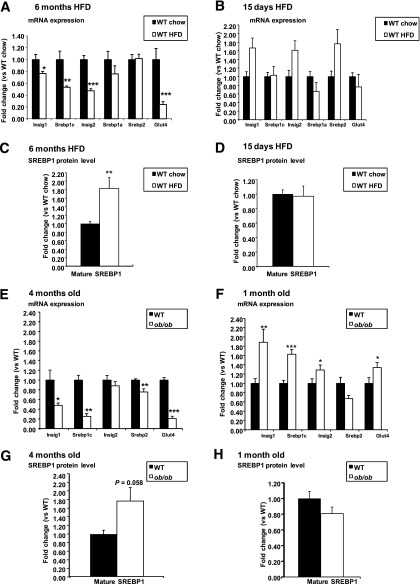
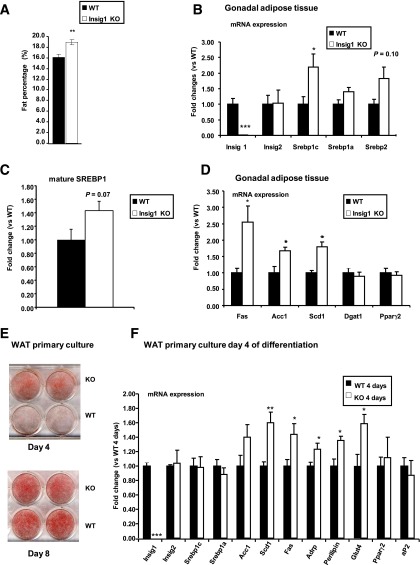
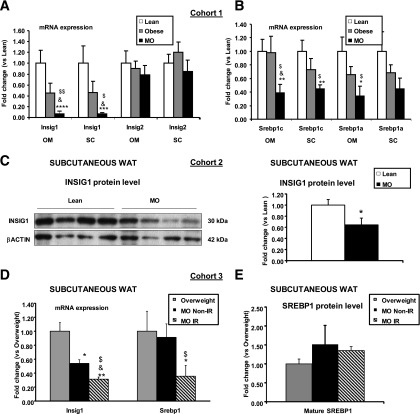
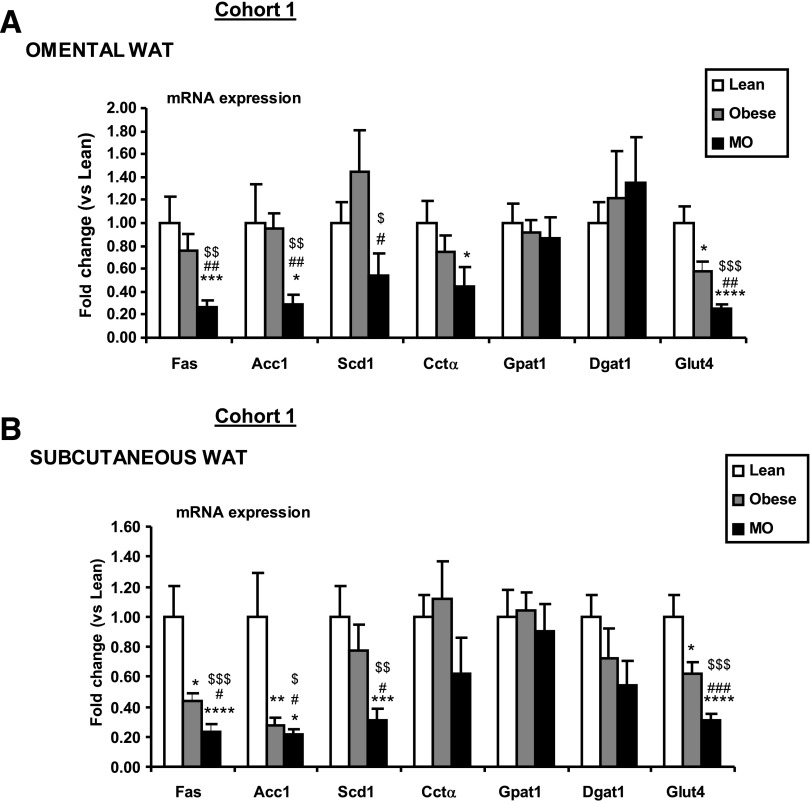
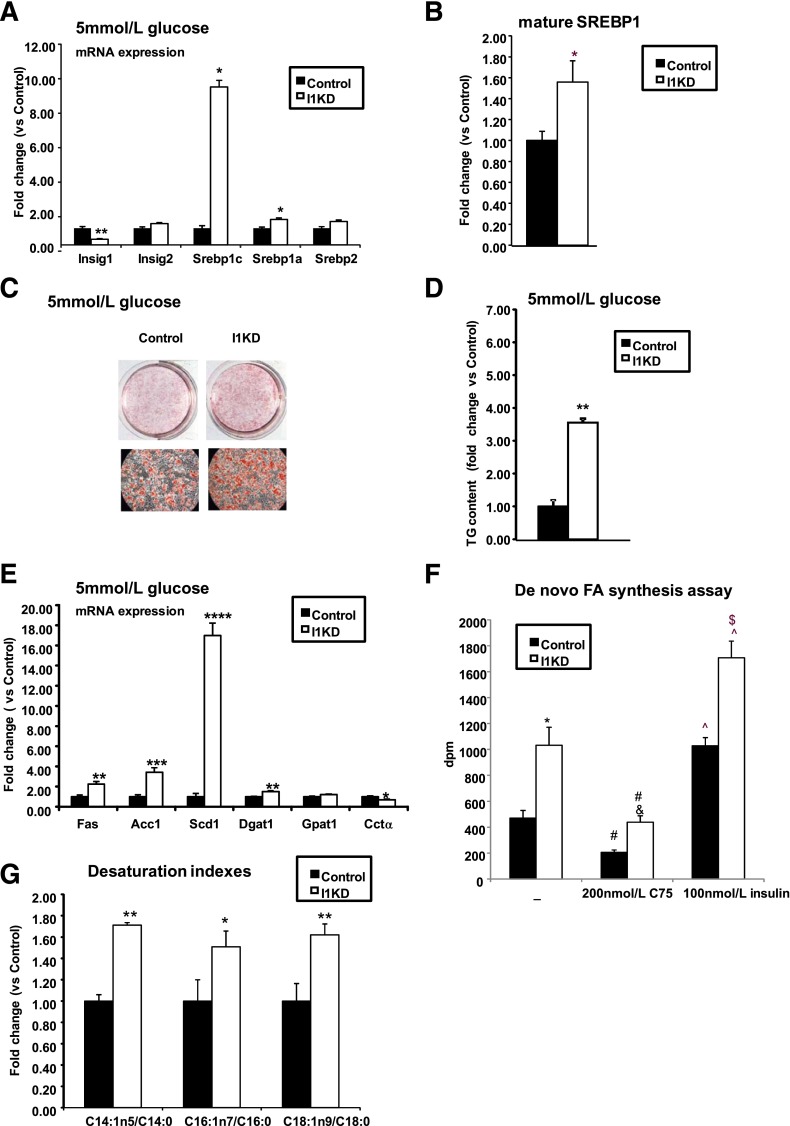
The epidemic of obesity imposes unprecedented challenges on human adipose tissue (WAT) storage capacity that may benefit from adaptive mechanisms to maintain adipocyte functionality. Here, we demonstrate that changes in the regulatory feedback set point control of Insig1/SREBP1 represent an adaptive response that preserves WAT lipid homeostasis in obese and insulin-resistant states. In our experiments, we show that Insig1 mRNA expression decreases in WAT from mice with obesity-associated insulin resistance and from morbidly obese humans and in in vitro models of adipocyte insulin resistance. Insig1 downregulation is part of an adaptive response that promotes the maintenance of SREBP1 maturation and facilitates lipogenesis and availability of appropriate levels of fatty acid unsaturation, partially compensating the antilipogenic effect associated with insulin resistance. We describe for the first time the existence of this adaptive mechanism in WAT, which involves Insig1/SREBP1 and preserves the degree of lipid unsaturation under conditions of obesity-induced insulin resistance. These adaptive mechanisms contribute to maintain lipid desaturation through preferential SCD1 regulation and facilitate fat storage in WAT, despite on-going metabolic stress.
肥胖症的流行给人类脂肪组织(WAT)的储存能力带来了前所未有的挑战,而这种储存能力可能得益于适应性机制来维持脂肪细胞的功能。在这里,我们证明了 Insig1/SREBP1 调控反馈设定点控制的变化代表了一种适应性反应,可以在肥胖和胰岛素抵抗状态下维持 WAT 的脂质动态平衡。在我们的实验中,我们表明肥胖相关胰岛素抵抗的小鼠和病态肥胖的人类的 WAT 中 Insig1 mRNA 表达降低,并且在体外脂肪细胞胰岛素抵抗模型中也是如此。Insig1 的下调是促进 SREBP1 成熟维持以及促进脂肪生成和适当的脂肪酸不饱和水平的适应性反应的一部分,部分补偿了与胰岛素抵抗相关的抗脂肪生成作用。我们首次描述了这种适应性机制在 WAT 中的存在,它涉及 Insig1/SREBP1,并在肥胖引起的胰岛素抵抗条件下保持脂质不饱和程度。这些适应性机制有助于通过优先调节 SCD1 来维持脂质去饱和,并促进 WAT 中的脂肪储存,尽管存在持续的代谢应激。