Department of Biological Sciences, National University of Singapore, Singapore, Singapore.
PLoS One. 2013 Jul 29;8(7):e68737. doi: 10.1371/journal.pone.0068737. Print 2013.
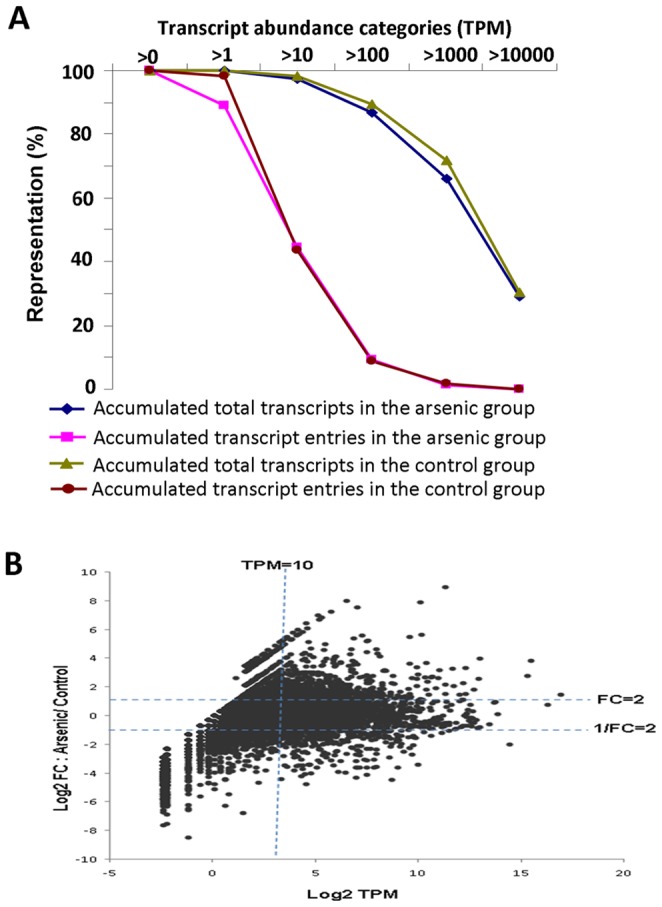
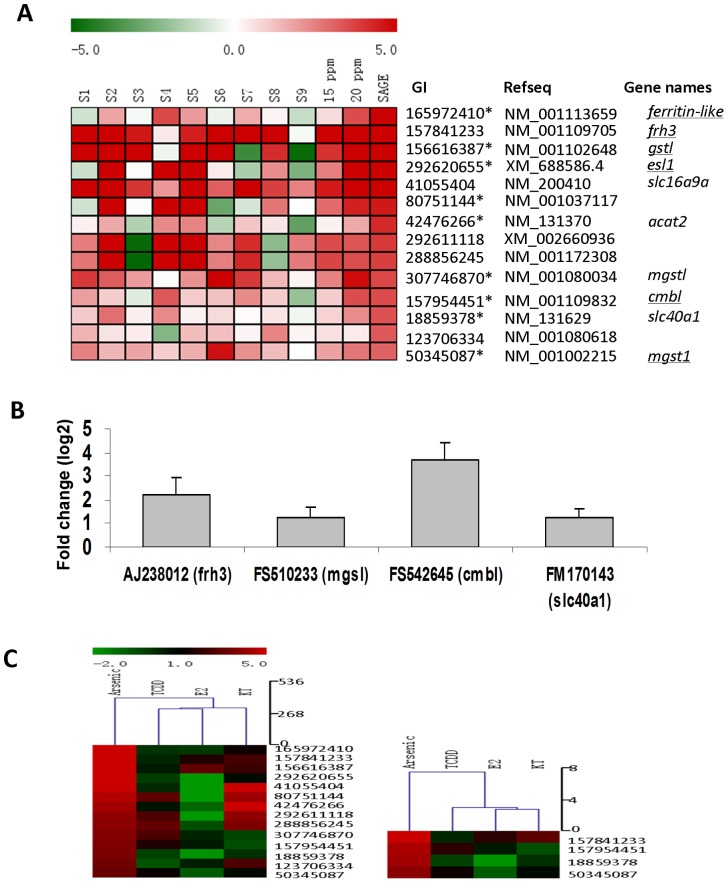
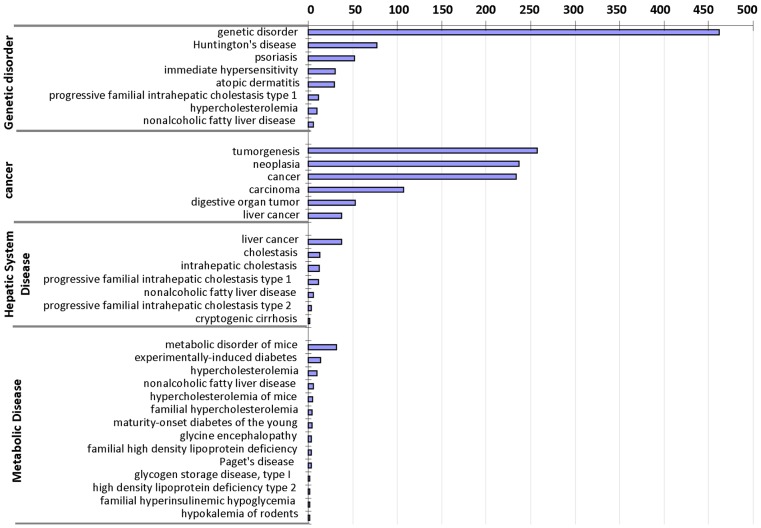
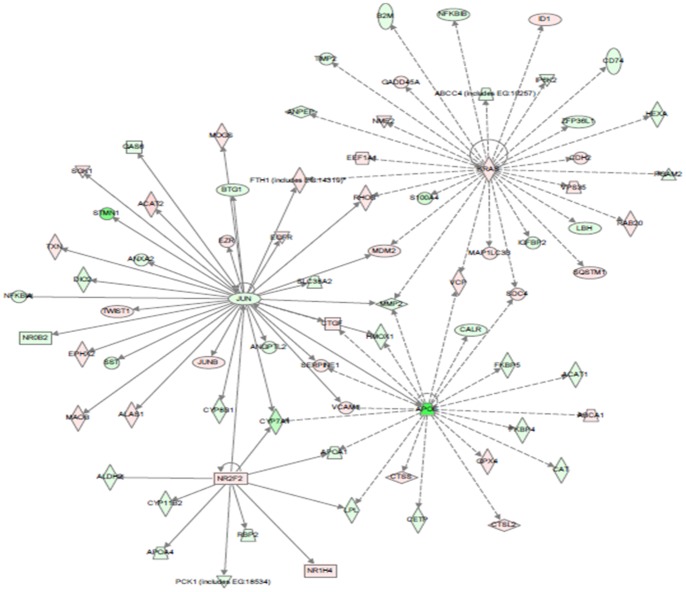
Inorganic arsenic is a worldwide metalloid pollutant in environment. Although extensive studies on arsenic-induced toxicity have been conducted using in vivo and in vitro models, the exact molecular mechanism of arsenate toxicity remains elusive. Here, the RNA-SAGE (serial analysis of gene expression) sequencing technology was used to analyse hepatic response to arsenic exposure at the transcriptome level. Based on more than 12 million SAGE tags mapped to zebrafish genes, 1,444 differentially expressed genes (750 up-regulated and 694 down-regulated) were identified from a relatively abundant transcripts (>10 TPM [transcripts per million]) based on minimal two-fold change. By gene ontology analyses, these differentially expressed genes were significantly enriched in several major biological processes including oxidation reduction, translation, iron ion transport, cell redox, homeostasis, etc. Accordingly, the main pathways disturbed include metabolic pathways, proteasome, oxidative phosphorylation, cancer, etc. Ingenity Pathway Analysis further revealed a network with four important upstream factors or hub genes, including Jun, Kras, APoE and Nr2f2. The network indicated apparent molecular events involved in oxidative stress, carcinogenesis, and metabolism. In order to identify potential biomarker genes for arsenic exposure, 27 out of 29 up-regulated transcripts were validated by RT-qPCR analysis in pooled RNA samples. Among these, 14 transcripts were further confirmed for up-regulation by a lower dosage of arsenic in majority of individual zebrafish. Finally, at least four of these genes, frh3 (ferrintin H3), mgst1 (microsomal glutathione S-transferase-like), cmbl (carboxymethylenebutenolidase homolog) and slc40a1 (solute carrier family 40 [iron-regulated transporter], member 1) could be confirmed in individual medaka fish similarly treated by arsenic; thus, these four genes might be robust arsenic biomarkers across species. Thus, our work represents the first comprehensive investigation of molecular mechanism of asenic toxicity and genome-wide search for potential biomarkers for arsenic exposure.
无机砷是一种全球性的环境类金属污染物。尽管已经使用体内和体外模型对砷诱导的毒性进行了广泛的研究,但砷酸盐毒性的确切分子机制仍不清楚。在这里,使用 RNA-SAGE(基因表达的序列分析)测序技术在转录组水平上分析了肝脏对砷暴露的反应。基于超过 1200 万个映射到斑马鱼基因的 SAGE 标签,从相对丰富的转录本(>10 TPM [每百万转录本])中基于最小两倍变化鉴定了 1444 个差异表达基因(750 个上调和 694 个下调)。通过基因本体分析,这些差异表达基因在几个主要的生物学过程中显著富集,包括氧化还原、翻译、铁离子转运、细胞氧化还原、内稳态等。相应地,主要受干扰的途径包括代谢途径、蛋白酶体、氧化磷酸化、癌症等。Ingenuity 通路分析进一步揭示了一个包含四个重要上游因子或枢纽基因的网络,包括 Jun、Kras、APoE 和 Nr2f2。该网络显示了明显涉及氧化应激、致癌和代谢的分子事件。为了鉴定砷暴露的潜在生物标志物基因,在汇集的 RNA 样本中通过 RT-qPCR 分析验证了 27 个上调转录本中的 29 个。在这些转录本中,有 14 个转录本在大多数个体斑马鱼中用较低剂量的砷进一步证实了上调。最后,至少有四个基因,frh3(铁蛋白 H3)、mgst1(微粒体谷胱甘肽 S-转移酶样)、cmbl(羧甲基烯丙基酶同系物)和 slc40a1(溶质载体家族 40 [铁调节转运蛋白],成员 1),可以在同样用砷处理的个体mediaka 鱼中得到确认;因此,这些四个基因可能是跨物种的稳健砷生物标志物。因此,我们的工作代表了对砷毒性的分子机制的首次全面研究和对砷暴露的潜在生物标志物的全基因组搜索。