Autism Research Centre, Department of Psychiatry, University of Cambridge, Douglas House, 18B, Trumpington Road, Cambridge CB2 8AH, UK.
Brain. 2013 Sep;136(Pt 9):2799-815. doi: 10.1093/brain/awt216. Epub 2013 Aug 8.
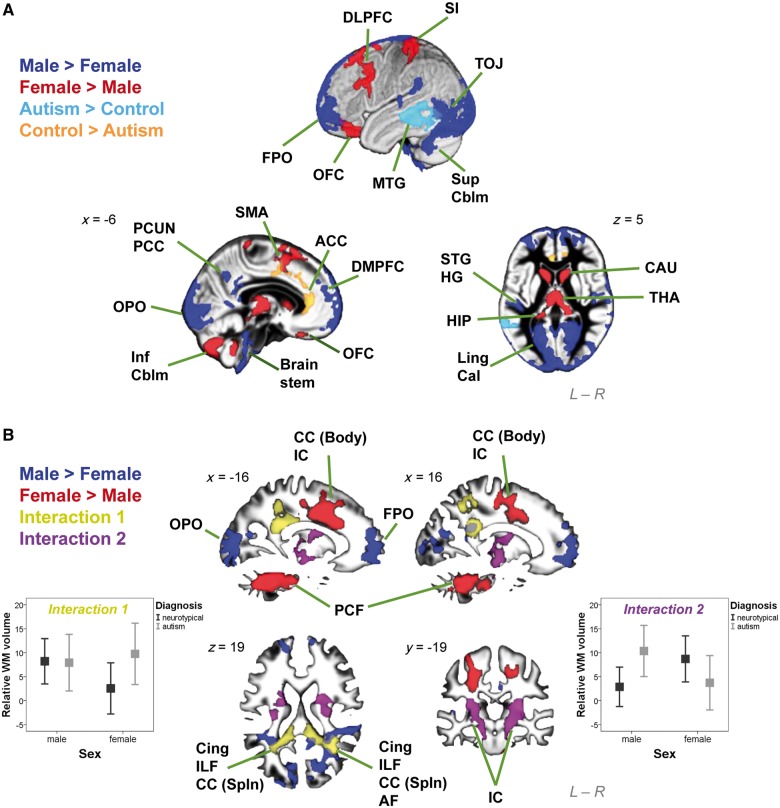
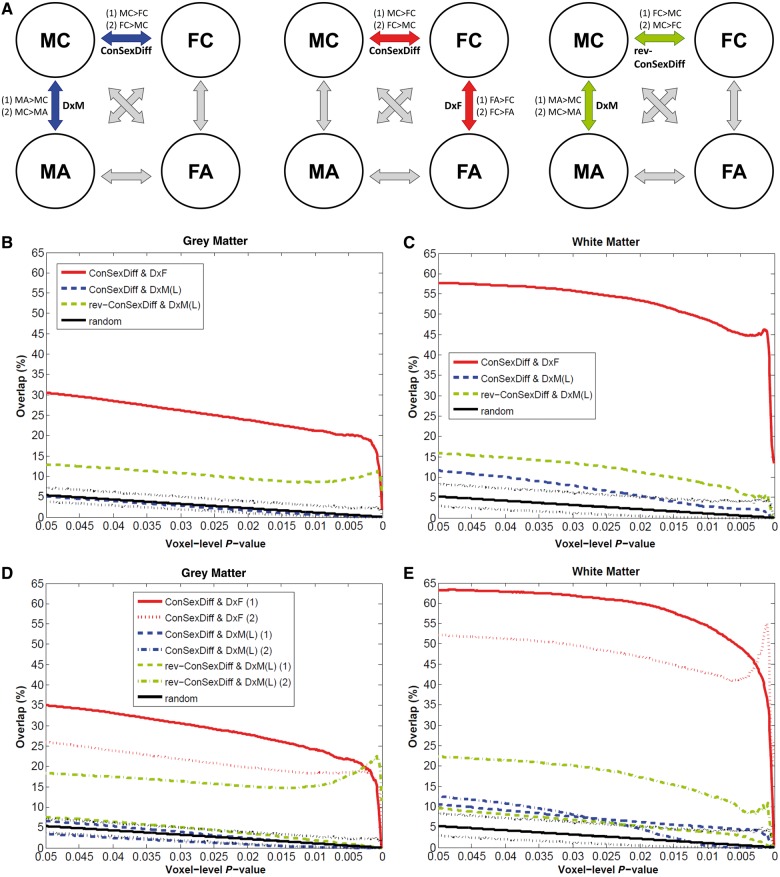
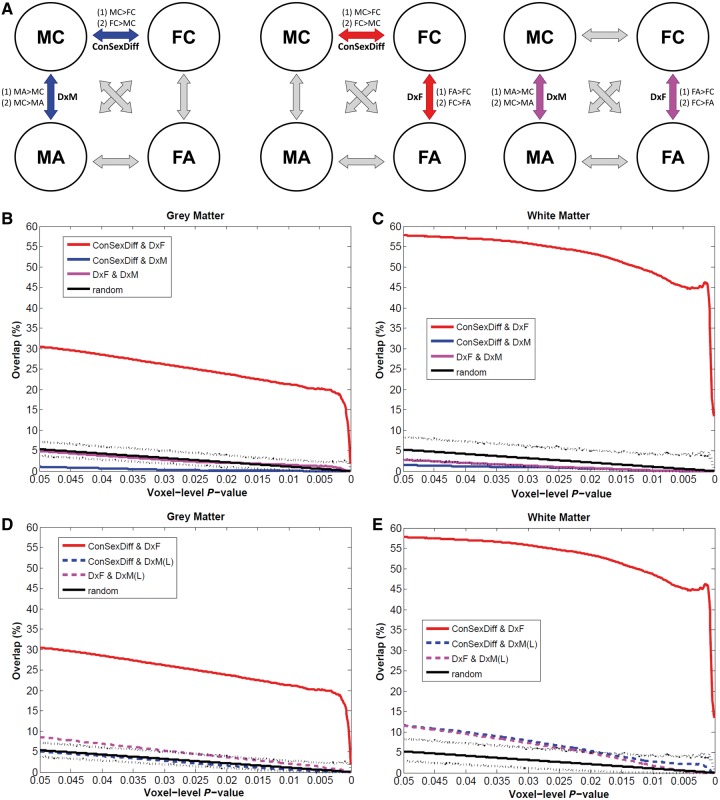
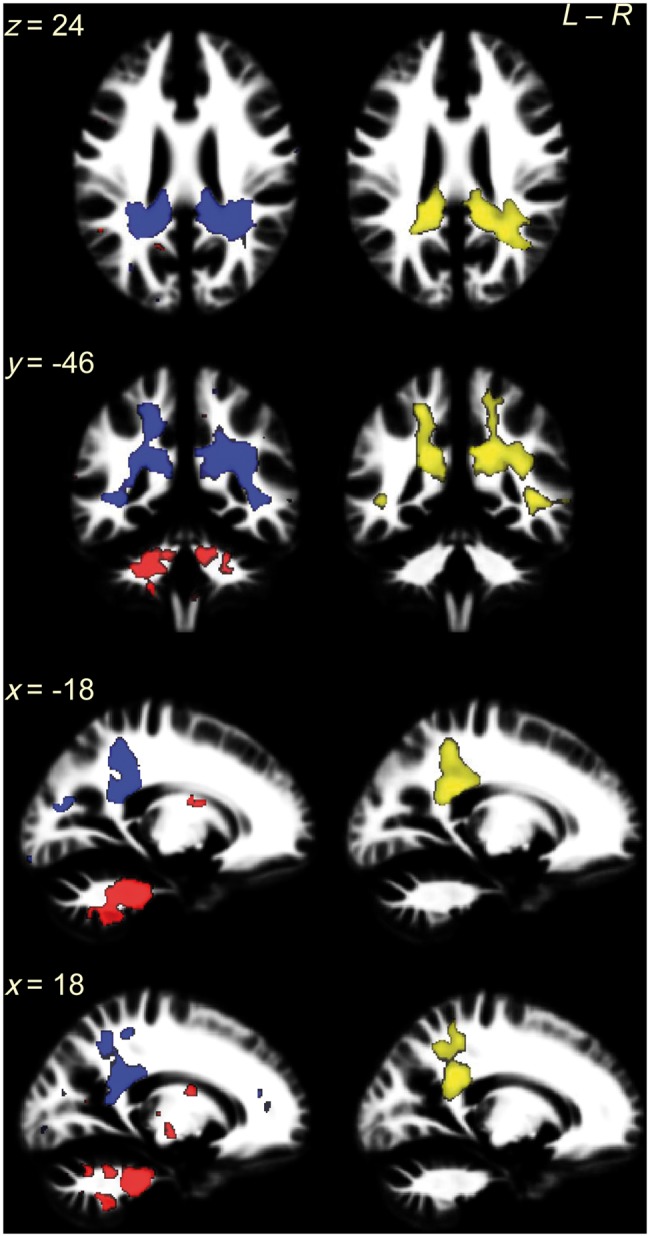
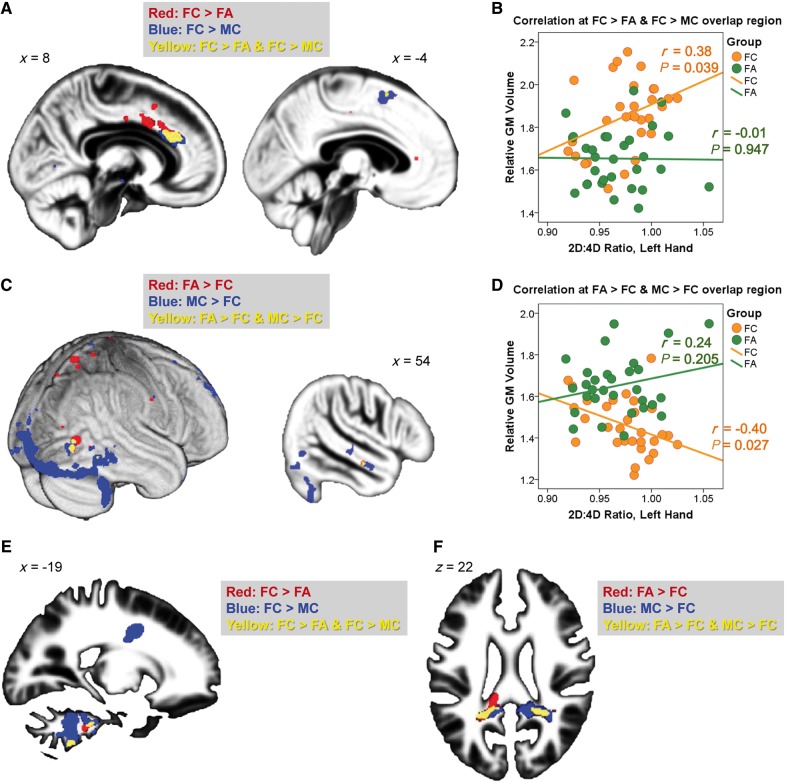
In autism, heterogeneity is the rule rather than the exception. One obvious source of heterogeneity is biological sex. Since autism was first recognized, males with autism have disproportionately skewed research. Females with autism have thus been relatively overlooked, and have generally been assumed to have the same underlying neurobiology as males with autism. Growing evidence, however, suggests that this is an oversimplification that risks obscuring the biological base of autism. This study seeks to answer two questions about how autism is modulated by biological sex at the level of the brain: (i) is the neuroanatomy of autism different in males and females? and (ii) does the neuroanatomy of autism fit predictions from the 'extreme male brain' theory of autism, in males and/or in females? Neuroanatomical features derived from voxel-based morphometry were compared in a sample of equal-sized high-functioning male and female adults with and without autism (n = 120, n = 30/group). The first question was investigated using a 2 × 2 factorial design, and by spatial overlap analyses of the neuroanatomy of autism in males and females. The second question was tested through spatial overlap analyses of specific patterns predicted by the extreme male brain theory. We found that the neuroanatomy of autism differed between adult males and females, evidenced by minimal spatial overlap (not different from that occurred under random condition) in both grey and white matter, and substantially large white matter regions showing significant sex × diagnosis interactions in the 2 × 2 factorial design. These suggest that autism manifests differently by biological sex. Furthermore, atypical brain areas in females with autism substantially and non-randomly (P < 0.001) overlapped with areas that were sexually dimorphic in neurotypical controls, in both grey and white matter, suggesting neural 'masculinization'. This was not seen in males with autism. How differences in neuroanatomy relate to the similarities in cognition between males and females with autism remains to be understood. Future research should stratify by biological sex to reduce heterogeneity and to provide greater insight into the neurobiology of autism.
在自闭症中,异质性是常态而非例外。一个明显的异质来源是生物性别。自自闭症首次被认识以来,男性自闭症患者的研究就不成比例地倾斜。因此,女性自闭症患者相对被忽视了,并且通常被认为与男性自闭症患者具有相同的潜在神经生物学基础。然而,越来越多的证据表明,这是一种过于简化的观点,有可能掩盖自闭症的生物学基础。这项研究旨在回答两个关于自闭症在大脑层面上如何受到生物性别调节的问题:(i)自闭症的神经解剖结构在男性和女性中是否不同?(ii)自闭症的神经解剖结构是否符合自闭症“极端男性大脑”理论的预测,无论是在男性还是女性中?通过比较具有和不具有自闭症的同等大小的高功能男性和女性成年人(n = 120,n = 30/组)的基于体素的形态测量学得出的神经解剖学特征。使用 2×2 因子设计和男性和女性自闭症神经解剖结构的空间重叠分析来研究第一个问题。通过极端男性大脑理论预测的特定模式的空间重叠分析来检验第二个问题。我们发现,自闭症的神经解剖结构在成年男性和女性之间存在差异,这表现在灰质和白质中最小的空间重叠(与随机条件下的重叠没有差异),以及在 2×2 因子设计中具有显著的性别×诊断相互作用的大量白质区域。这表明自闭症在生物学性别上表现不同。此外,自闭症女性的异常大脑区域与神经典型对照组中性别二态性的区域(灰质和白质)大量且非随机地重叠(P < 0.001),表明神经“男性化”。这在男性自闭症患者中没有出现。神经解剖结构的差异如何与自闭症男性和女性之间认知的相似性相关,仍有待理解。未来的研究应该按生物学性别分层,以减少异质性,并更深入地了解自闭症的神经生物学。