Adult Cancer Program, Lowy Cancer Research Centre and Prince of Wales Clinical School, University of New South Wales, Sydney, New South Wales, Australia.
PLoS Genet. 2013;9(7):e1003636. doi: 10.1371/journal.pgen.1003636. Epub 2013 Jul 25.
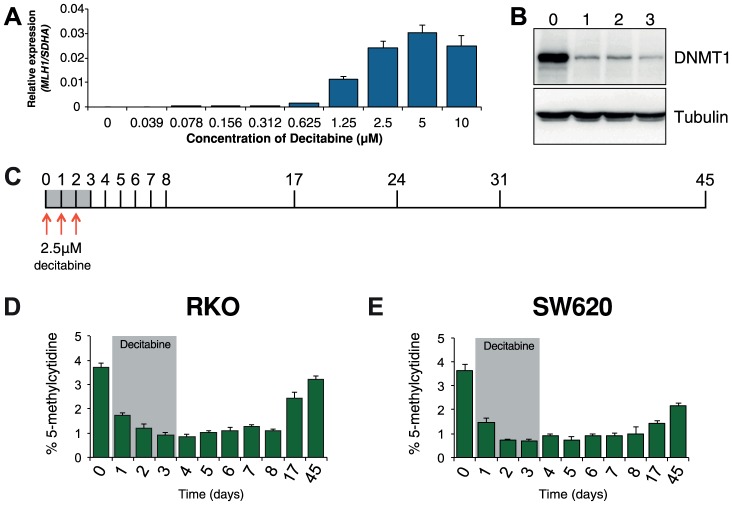
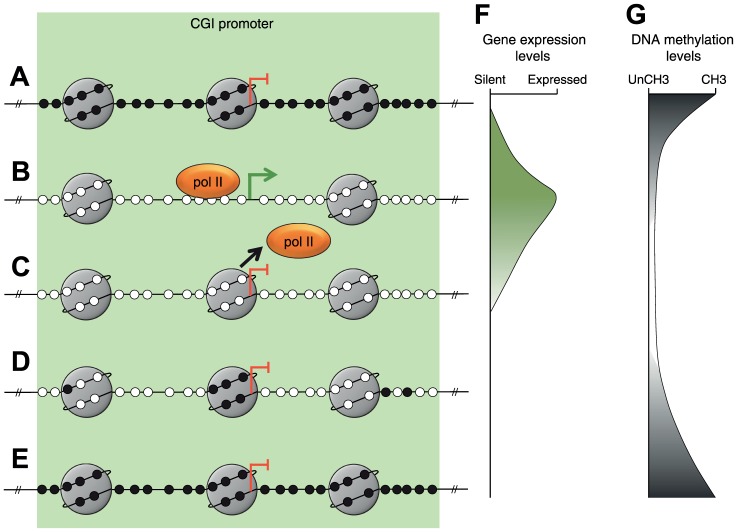
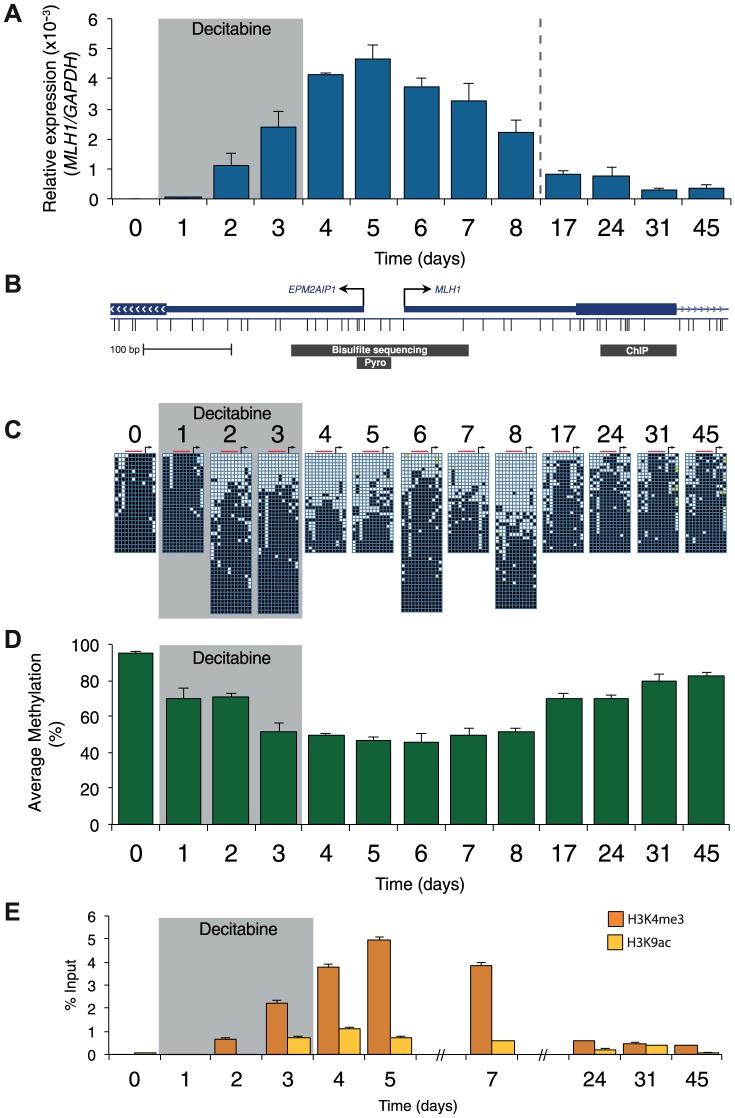
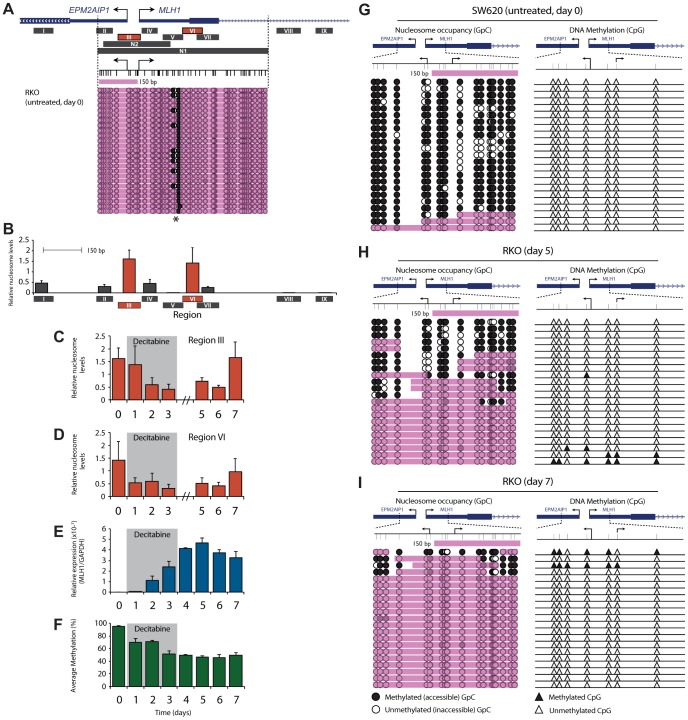
Hypomethylating agents reactivate tumor suppressor genes that are epigenetically silenced in cancer. Inevitably these genes are resilenced, leading to drug resistance. Using the MLH1 tumor suppressor gene as a model, we showed that decitabine-induced re-expression was dependent upon demethylation and eviction of promoter nucleosomes. Following decitabine withdrawal, MLH1 was rapidly resilenced despite persistent promoter demethylation. Single molecule analysis at multiple time points showed that gene resilencing was initiated by nucleosome reassembly on demethylated DNA and only then was followed by remethylation and stable silencing. Taken together, these data establish the importance of nucleosome positioning in mediating resilencing of drug-induced gene reactivation and suggest a role for therapeutic targeting of nucleosome assembly as a mechanism to overcome drug resistance.
低甲基化剂可重新激活在癌症中被表观遗传沉默的肿瘤抑制基因。这些基因不可避免地会再次被沉默,从而导致耐药性。我们以 MLH1 肿瘤抑制基因为模型,表明去甲基化药物诱导的重新表达依赖于启动子核小体的去甲基化和逐出。去甲基化药物撤出后,尽管启动子持续去甲基化,但 MLH1 仍迅速再次沉默。在多个时间点的单分子分析表明,基因再次沉默是由去甲基化 DNA 上核小体的重新组装引发的,随后才是重新甲基化和稳定沉默。总之,这些数据确立了核小体定位在介导药物诱导的基因重新激活的再沉默中的重要性,并表明针对核小体组装的治疗靶向作为克服耐药性的机制的作用。