Department of Pediatrics, University Hospital, 88000 Mostar, Bosnia and Herzegovina.
Int J Endocrinol. 2013;2013:190454. doi: 10.1155/2013/190454. Epub 2013 Jun 27.
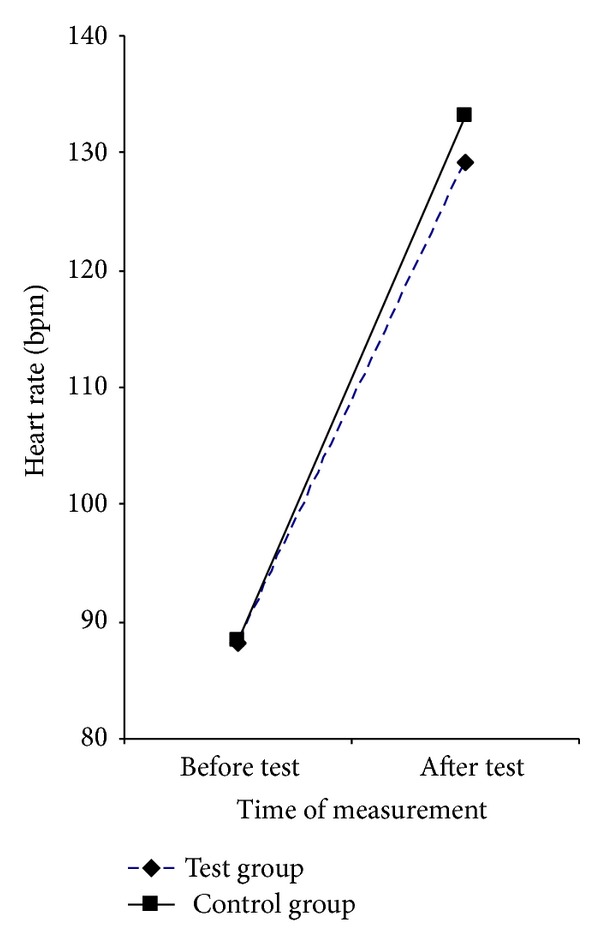
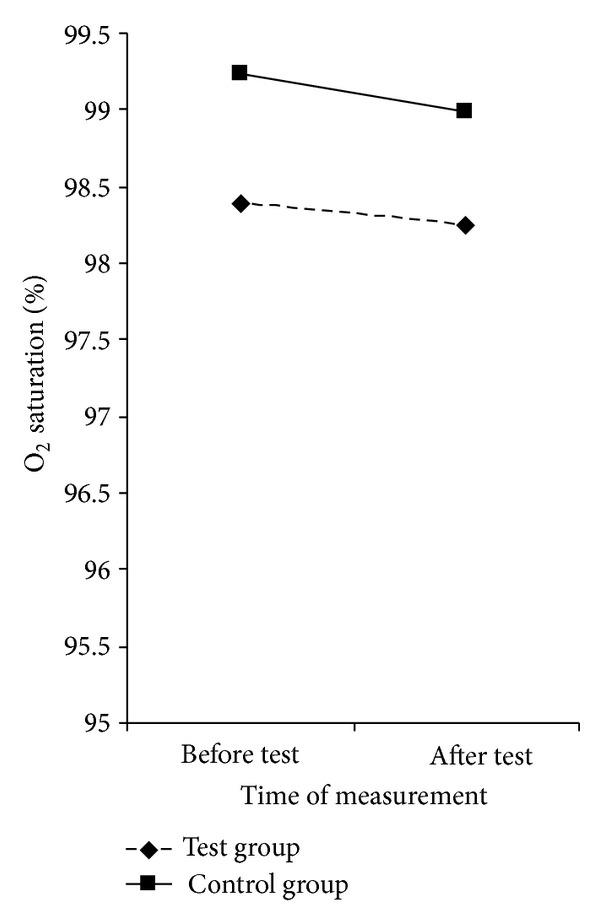
Aim/Hypothesis. To examine whether children with DMT1 are less physically fit than healthy children and to assess whether an elevated level of HbA1c was associated with decreased physical fitness among children with diabetes. Methods. The study was conducted using case-control methodology. The cases were 100 children with T1DM, 7-17,9 years. Study subjects underwent a 6MWT, where distance measured, heart rate, and oxygen saturation was recorded. Results. Results of the 6MWT for children with T1DM and controls were 601.3 ± 86.1 meters versus 672.1 ± 60.6 meters, respectively (P < 0.001). The cases were divided into two subgroups, one with HbA1c levels >8% and one with HbA1c <8%. Results for both groups were inferior to the controls (P < 0.001). The posttest pulse rate in all subjects was higher than the pretest pulse rate (P < 0.001). Pulse oxygen levels were lower than controls at the pretest measurement (P < 0.001), and for both cases and controls, pulse oxygen levels decreased after test (P = 0.004). However, the change in oxygen saturation did not differ between the groups (P = 0.332). Conclusions. Children with T1D are less fit than matched controls. The level of HbA1c did not affect the physical fitness of children with T1D.
目的/假设。检查 DMT1 患儿的身体机能是否不如健康儿童,并评估 HbA1c 水平升高是否与糖尿病患儿的身体机能下降有关。
方法。该研究采用病例对照方法进行。病例为 100 名 7-17.9 岁的 T1DM 患儿。研究对象接受了 6MWT,测量了距离、心率和血氧饱和度。
结果。T1DM 患儿和对照组的 6MWT 结果分别为 601.3±86.1 米和 672.1±60.6 米(P<0.001)。将病例分为 HbA1c 水平>8%和 HbA1c<8%两组。两组的结果均低于对照组(P<0.001)。所有受试者的后测脉搏率均高于前测脉搏率(P<0.001)。前测时的脉搏血氧水平低于对照组(P<0.001),且病例和对照组的脉搏血氧水平在测试后均下降(P=0.004)。然而,两组的血氧饱和度变化无差异(P=0.332)。
结论。T1D 患儿的身体机能不如匹配的对照组。HbA1c 水平并不影响 T1D 患儿的身体机能。