Centro de Biología Molecular Severo Ochoa, CSIC/UAM, Madrid, Spain.
PLoS One. 2013 Aug 5;8(8):e70952. doi: 10.1371/journal.pone.0070952. Print 2013.
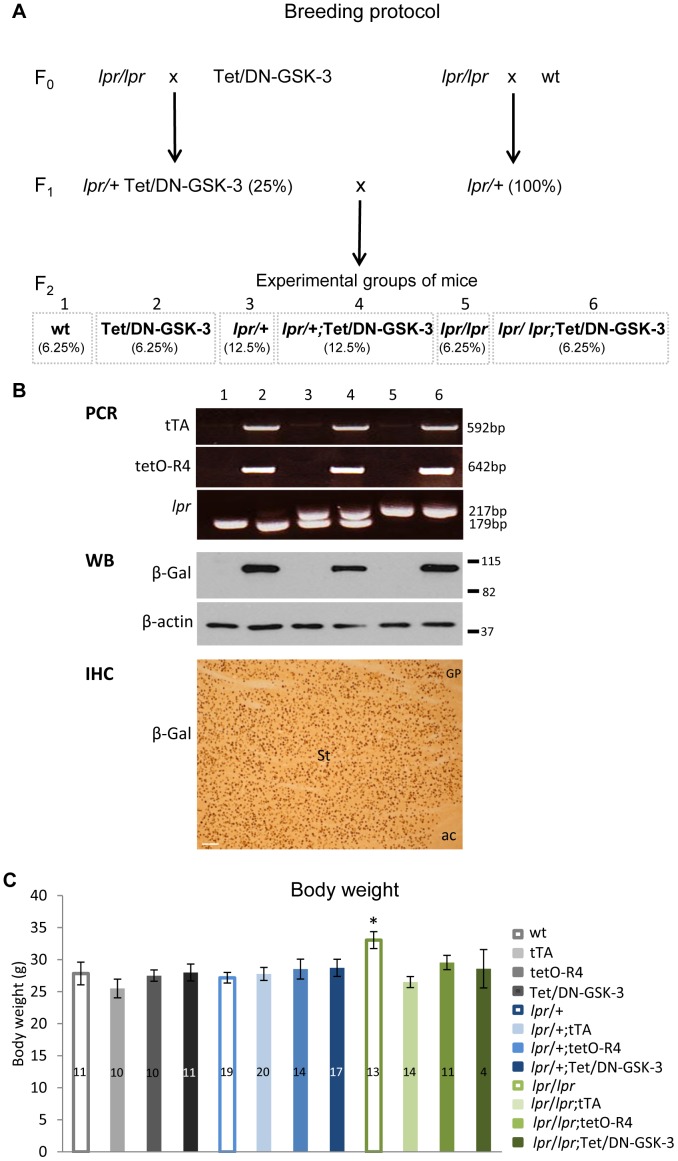
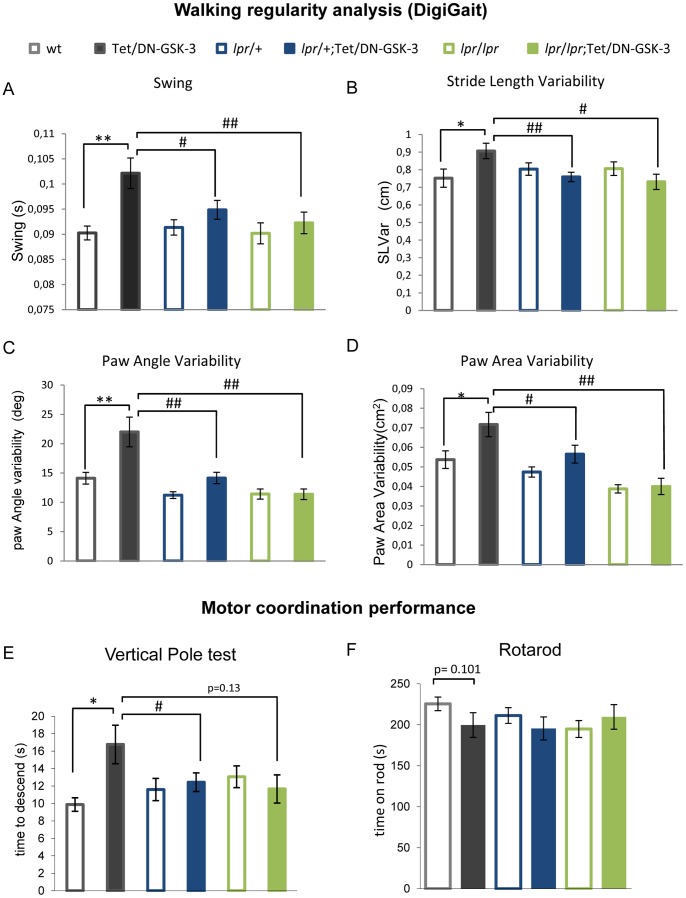
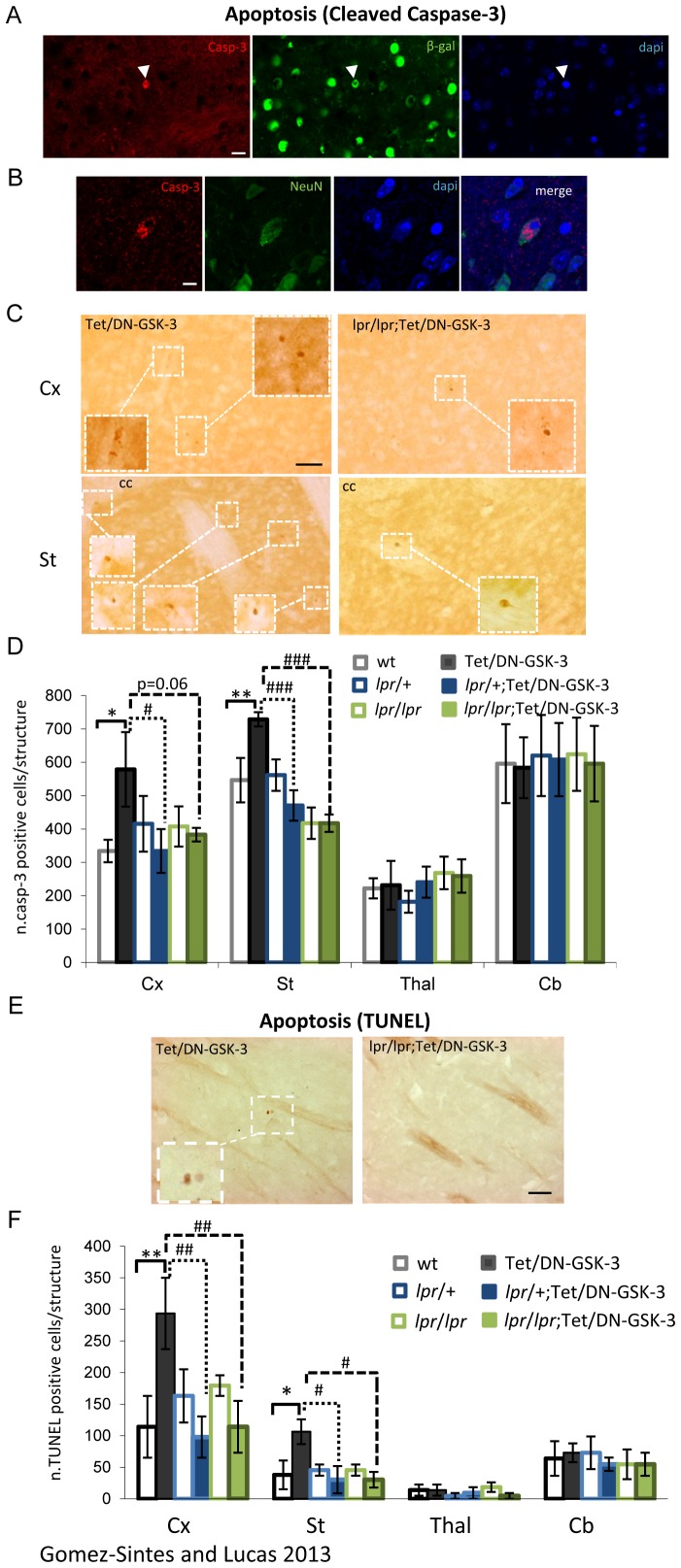
Glycogen synthase kinase-3 (GSK-3) inhibitors have been postulated as useful therapeutic tools for the treatment of chronic neurodegenerative and neuropsychiatric diseases. Nevertheless the clinical use of these inhibitors has been limited by their common side effects. Lithium, a non-selective GSK-3 inhibitor has been classically administered to treat bipolar patients but its prescription is decreasing due to its frequent side effects such as hand tremor. This toxicity seems to be higher in the elderly and a clinical trial with lithium for Alzheimer's disease was stopped due to high rate of discontinuation. We have previously described a mechanism for the adverse effects of chronic lithium that involves neuronal apoptosis via Fas signaling. As lithium inhibits many other enzymatic activities such as inositol monophosphatase and histone deacetylase, here we aim to genetically test whether GSK-3 inhibition induces those adverse effects through Fas receptor. For this purpose we took advantage of a transgenic mouse line with decreased GSK-3 activity (Tet/DN-GSK-3 mice) that shows increased rate of neuronal apoptosis as well as motor deficits and brought it to a Fas deficient background (lpr mice). We found that apoptosis induced by GSK-3 inhibition was absent in Fas deficient background. Interestingly, motor deficits were also absent in Fas deficient Tet/DN-GSK-3 mice. These results demonstrate that Fas signaling contributes to the neurological toxicity of GSK-3 inhibition and suggest that a combination of GSK-3 inhibitors with blockers of Fas signaling could help to improve the application of GSK-3 inhibitors to clinics.
糖原合酶激酶-3(GSK-3)抑制剂被认为是治疗慢性神经退行性和神经精神疾病的有用治疗工具。然而,这些抑制剂的临床应用受到其常见副作用的限制。锂,一种非选择性 GSK-3 抑制剂,传统上用于治疗双相情感障碍患者,但由于其常见的副作用,如手震颤,其处方正在减少。这种毒性在老年人中似乎更高,一项关于锂治疗阿尔茨海默病的临床试验因高停药率而停止。我们之前描述了慢性锂的不良反应机制,该机制涉及通过 Fas 信号导致神经元凋亡。由于锂抑制许多其他酶活性,如肌醇单磷酸酶和组蛋白去乙酰化酶,因此我们旨在通过 Fas 受体基因测试 GSK-3 抑制是否会引起这些不良反应。为此,我们利用了一种 GSK-3 活性降低的转基因小鼠系(Tet/DN-GSK-3 小鼠),该小鼠系表现出更高的神经元凋亡率以及运动缺陷,并将其引入 Fas 缺陷背景(lpr 小鼠)。我们发现,在 Fas 缺陷背景下,GSK-3 抑制诱导的凋亡不存在。有趣的是,在 Fas 缺陷的 Tet/DN-GSK-3 小鼠中,运动缺陷也不存在。这些结果表明 Fas 信号参与 GSK-3 抑制的神经毒性,并表明 GSK-3 抑制剂与 Fas 信号阻断剂的联合应用可能有助于改善 GSK-3 抑制剂在临床上的应用。