Department of Mathematics & Statistics, Boston University, Boston, Massachusetts, United States of America.
PLoS Comput Biol. 2013;9(8):e1003164. doi: 10.1371/journal.pcbi.1003164. Epub 2013 Aug 8.
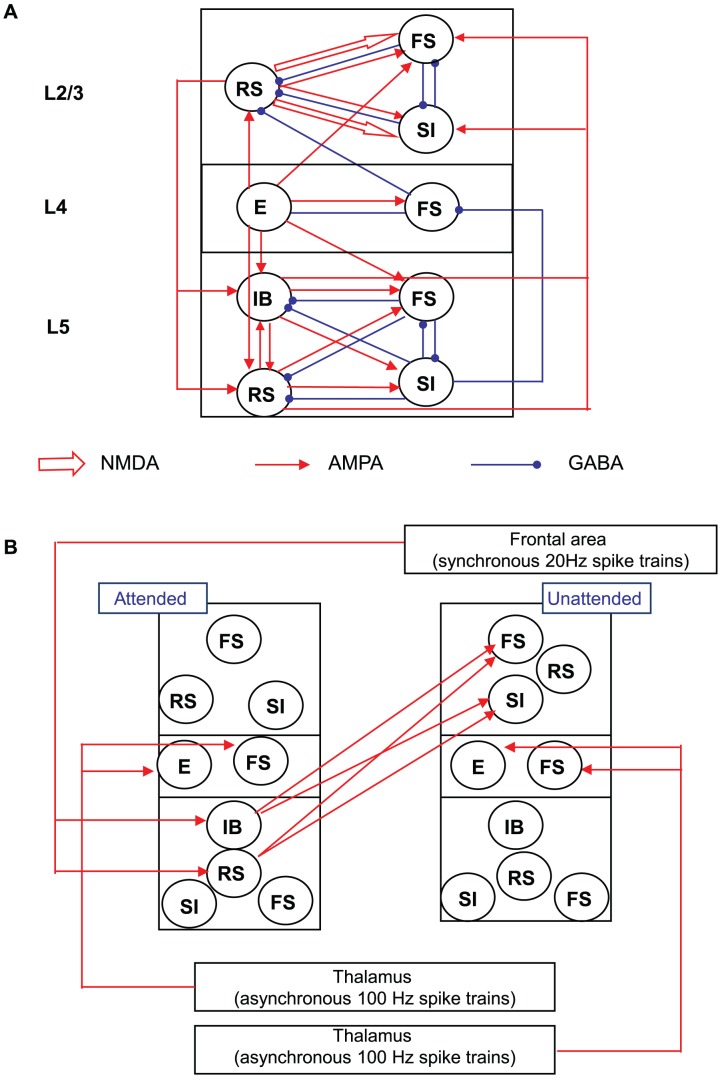
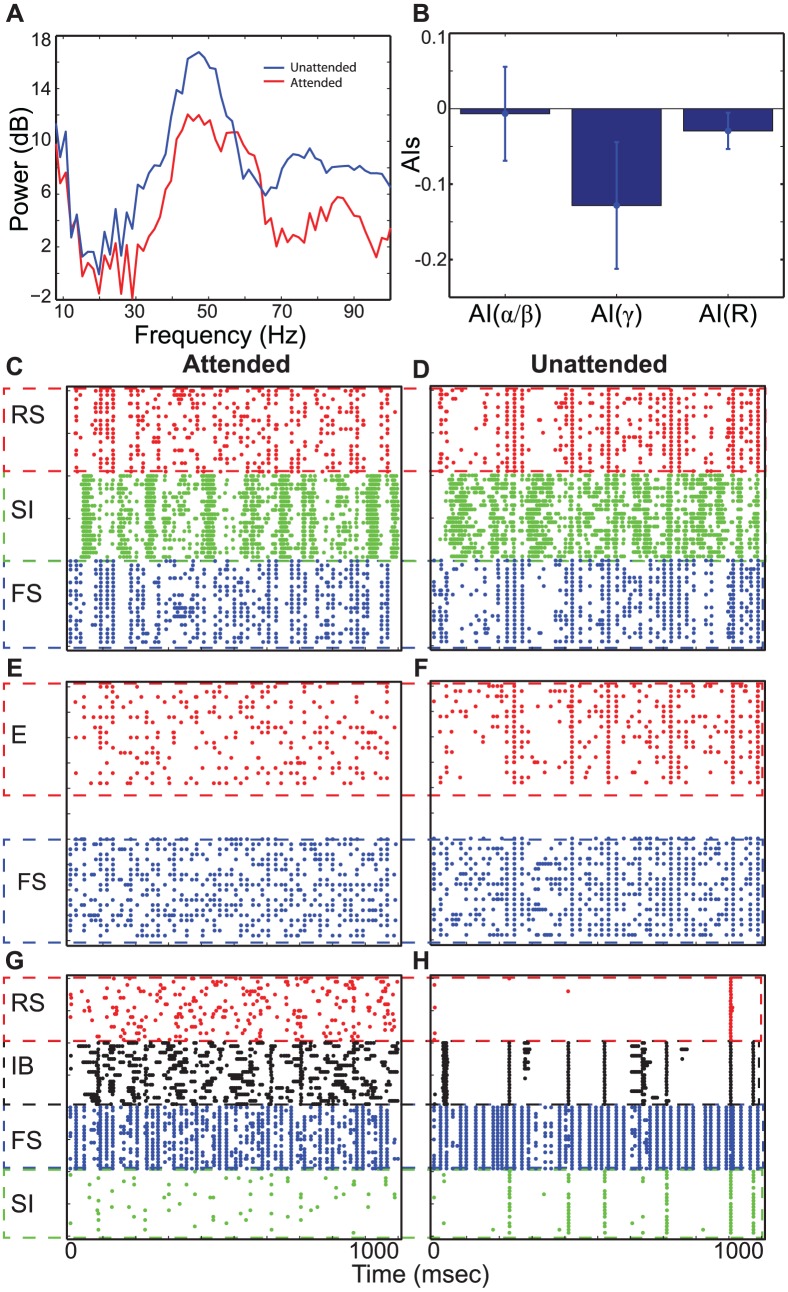
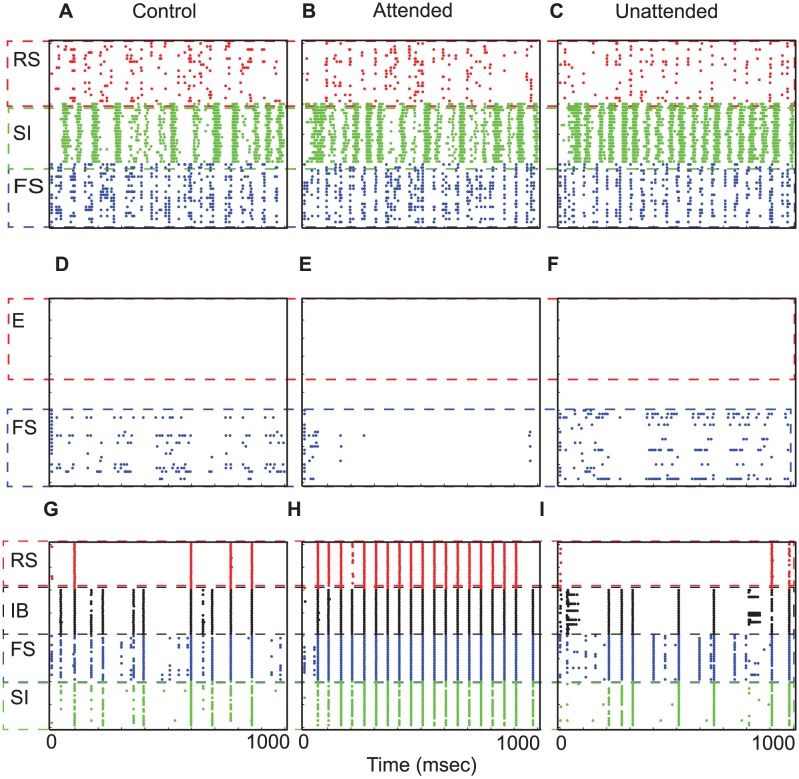
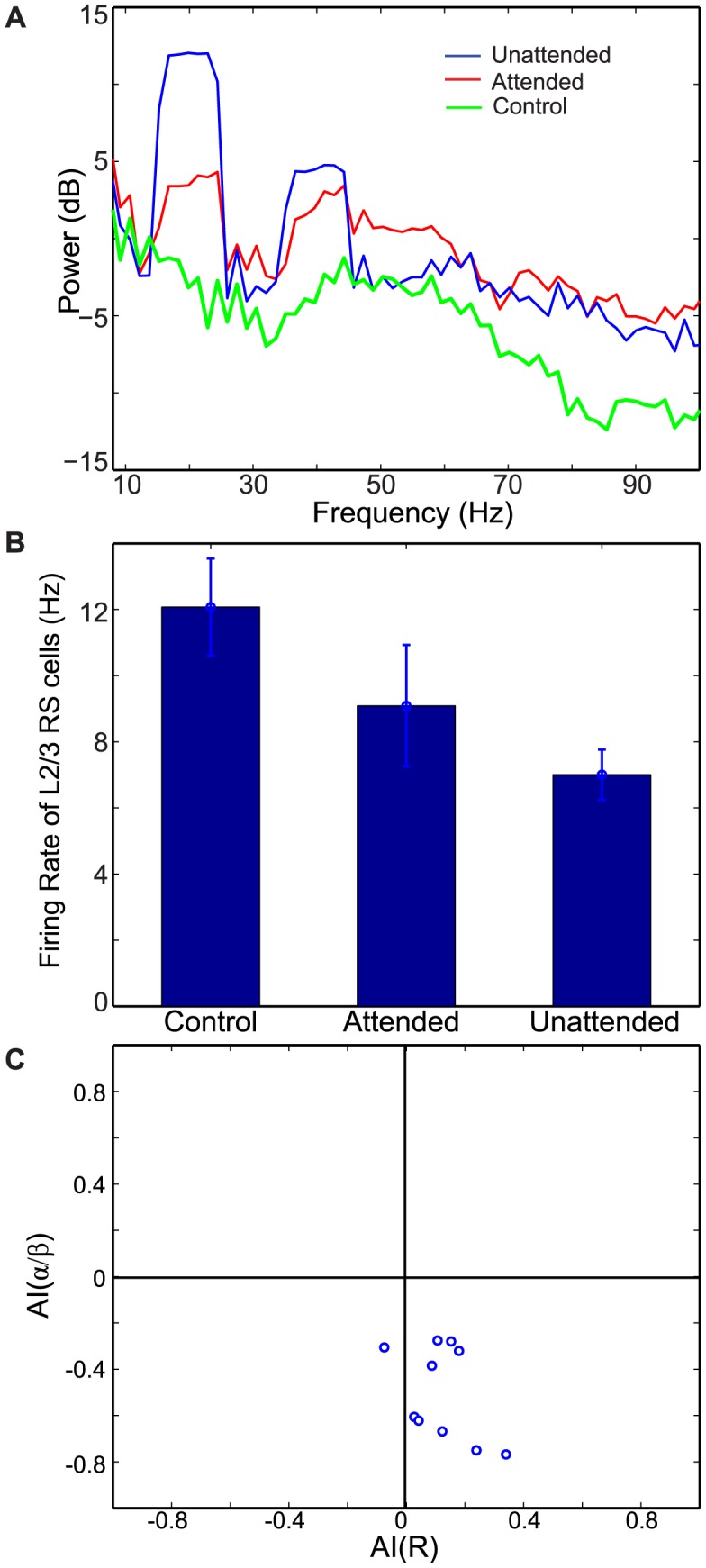
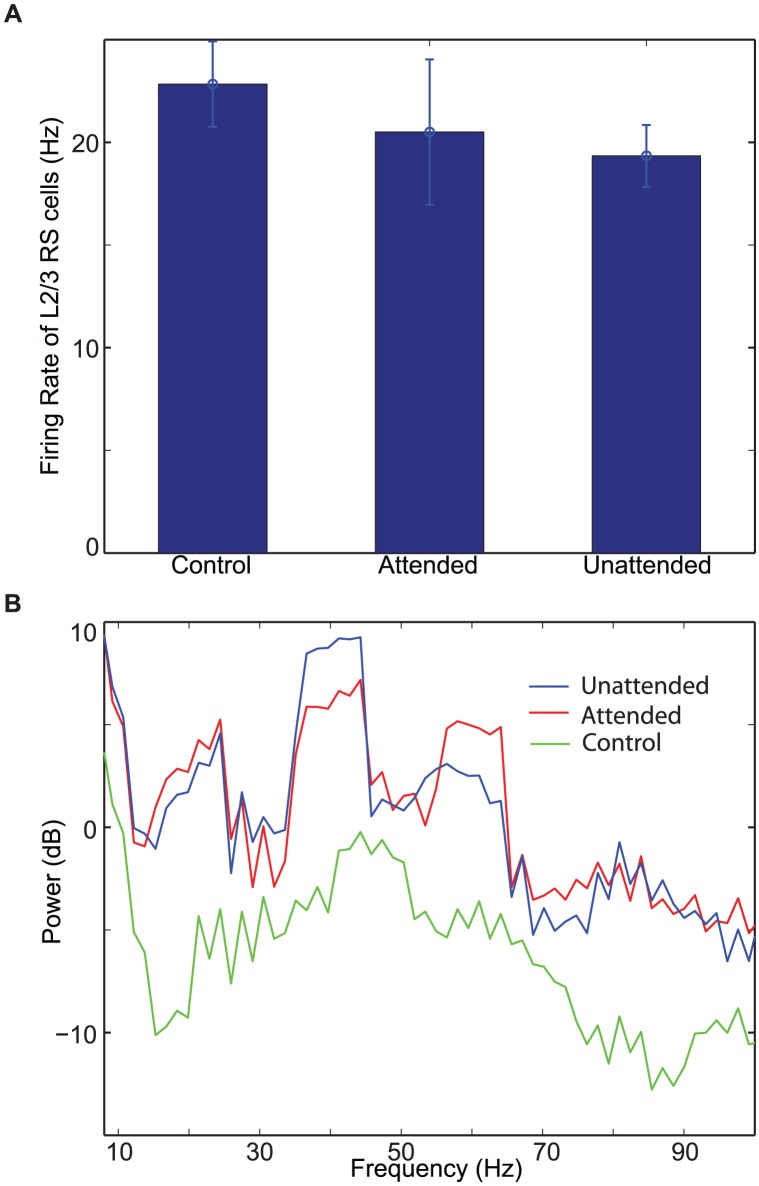
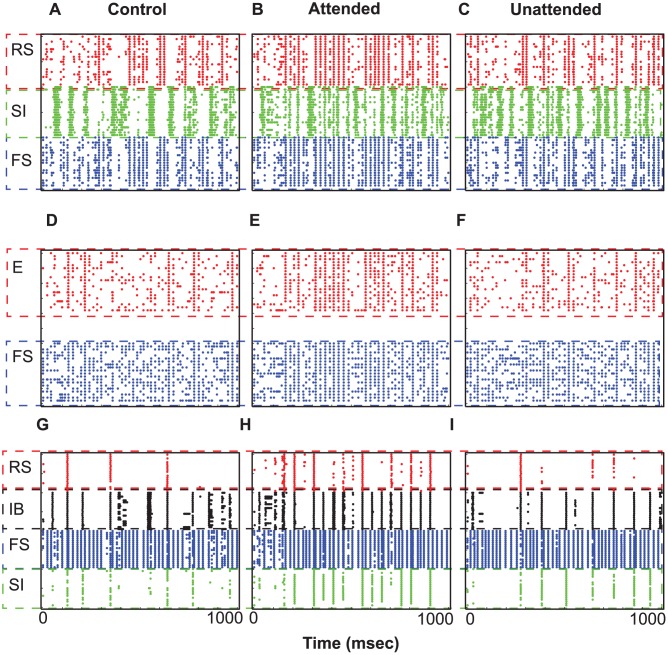
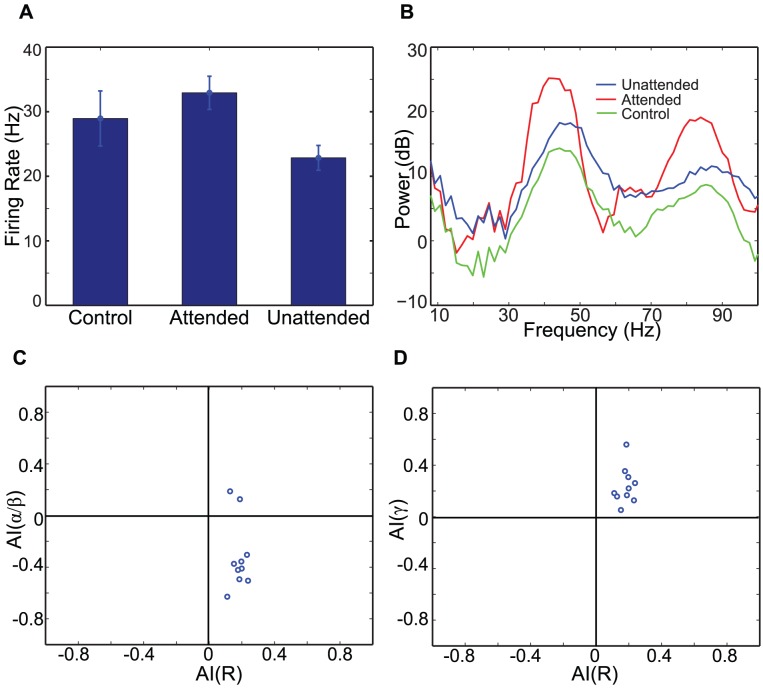
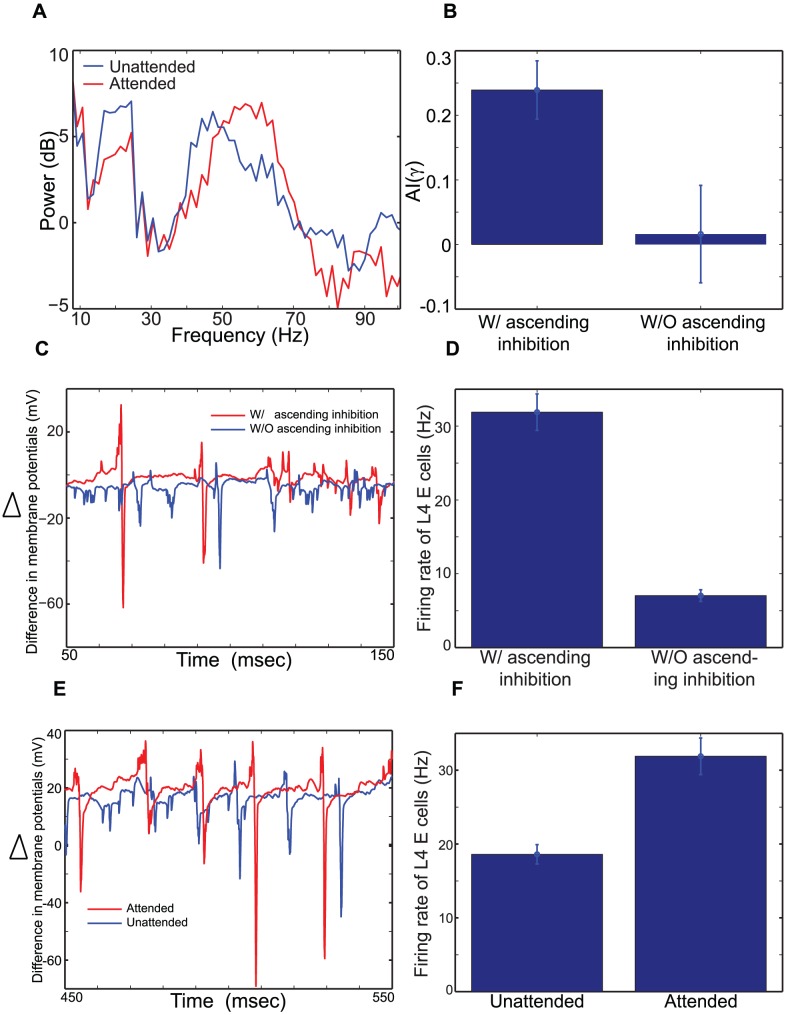
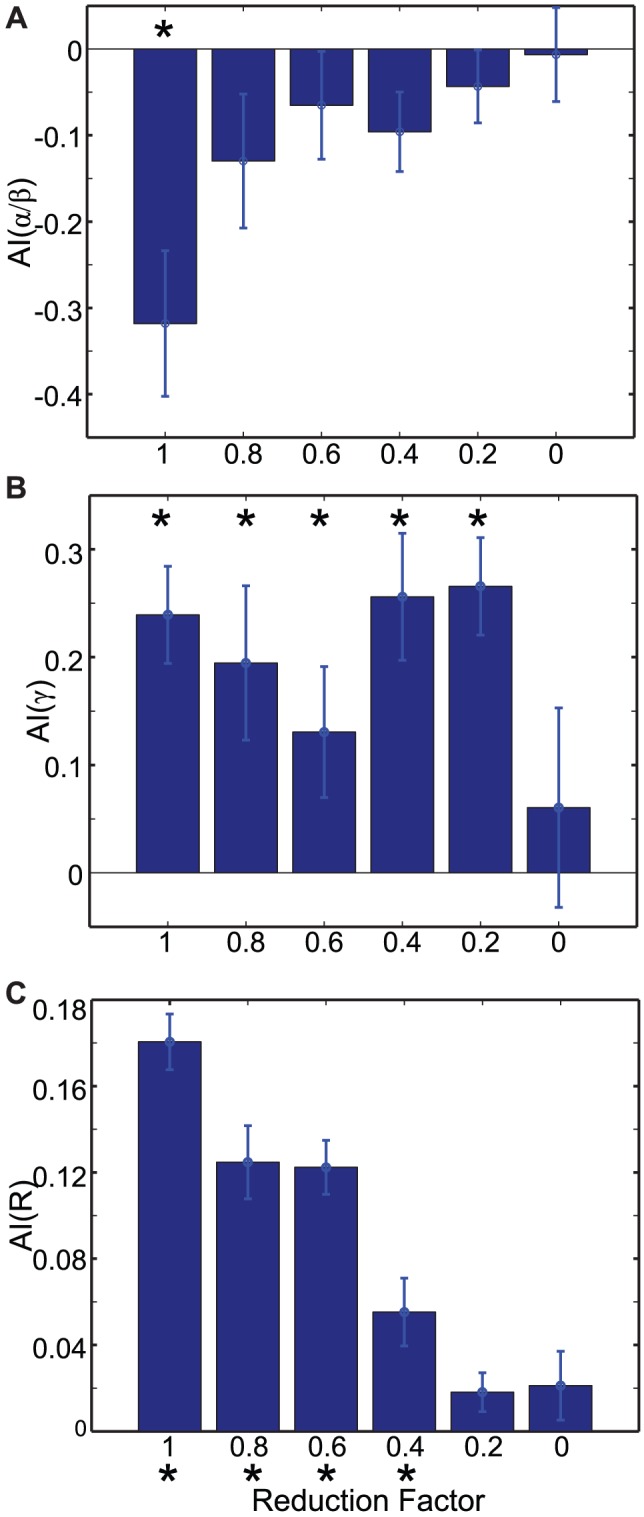
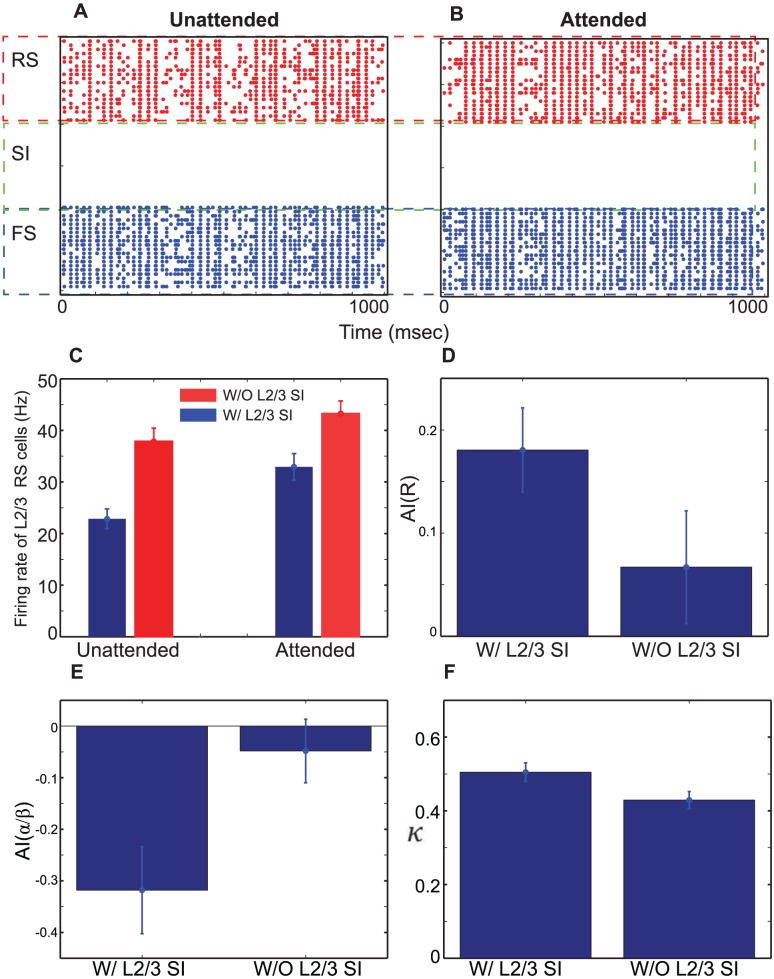
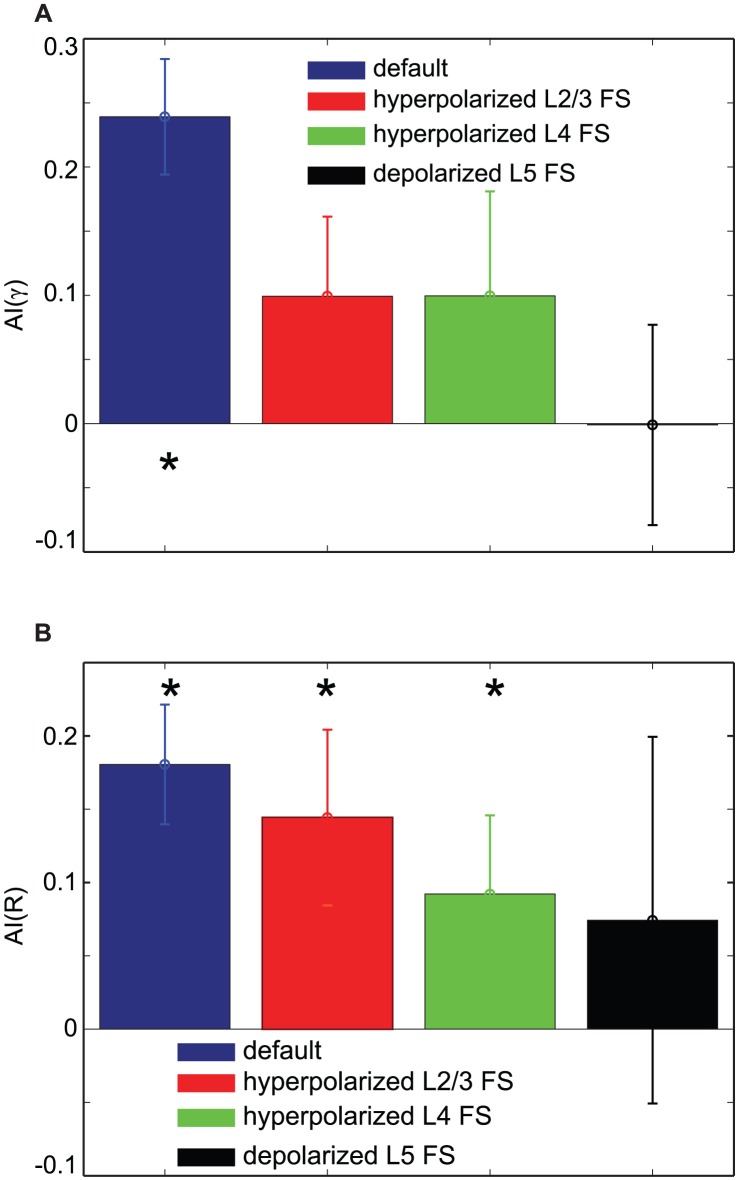
Cortical rhythms have been thought to play crucial roles in our cognitive abilities. Rhythmic activity in the beta frequency band, around 20 Hz, has been reported in recent studies that focused on neural correlates of attention, indicating that top-down beta rhythms, generated in higher cognitive areas and delivered to earlier sensory areas, can support attentional gain modulation. To elucidate functional roles of beta rhythms and underlying mechanisms, we built a computational model of sensory cortical areas. Our simulation results show that top-down beta rhythms can activate ascending synaptic projections from L5 to L4 and L2/3, responsible for biased competition in superficial layers. In the simulation, slow-inhibitory interneurons are shown to resonate to the 20 Hz input and modulate the activity in superficial layers in an attention-related manner. The predicted critical roles of these cells in attentional gain provide a potential mechanism by which cholinergic drive can support selective attention.
皮质节律被认为在我们的认知能力中发挥着关键作用。在最近的研究中,人们报道了在β频带(约 20 Hz)中的节律活动,这些研究集中于注意力的神经相关物,表明源自较高认知区域并传递到早期感觉区域的自上而下的β节律可以支持注意力增益调制。为了阐明β节律的功能作用和潜在机制,我们构建了一个感觉皮质区域的计算模型。我们的模拟结果表明,自上而下的β节律可以激活从 L5 到 L4 和 L2/3 的上行突触投射,负责浅层次的偏向竞争。在模拟中,慢抑制性中间神经元对 20 Hz 的输入产生共振,并以与注意力相关的方式调节浅层次的活动。这些细胞在注意力增益中的预测关键作用提供了一种潜在的机制,即胆碱能驱动可以支持选择性注意力。