Department of Military and Emergency Medicine, Uniformed Services University of the Health Sciences, Bethesda, Maryland, United States of America.
PLoS One. 2013 Aug 15;8(8):e72258. doi: 10.1371/journal.pone.0072258. eCollection 2013.
Individuals who rapidly develop hyperthermia during heat exposure (heat-intolerant) are vulnerable to heat associated illness and injury. We recently reported that heat intolerant mice exhibit complex alterations in stress proteins in response to heat exposure. In the present study, we further explored the role of genes and molecular networks associated with heat tolerance in mice.
Heat-induced physiological and biochemical changes were assessed to determine heat tolerance levels in mice. We performed RNA and microRNA expression profiling on mouse gastrocnemius muscle tissue samples to determine novel biological pathways associated with heat tolerance.
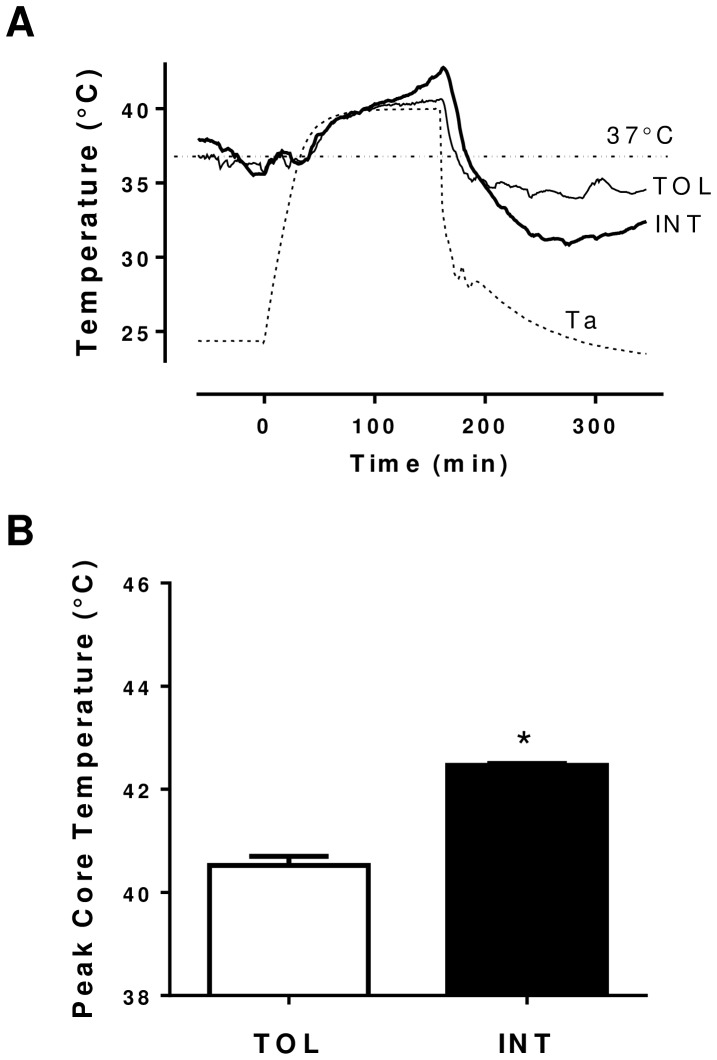
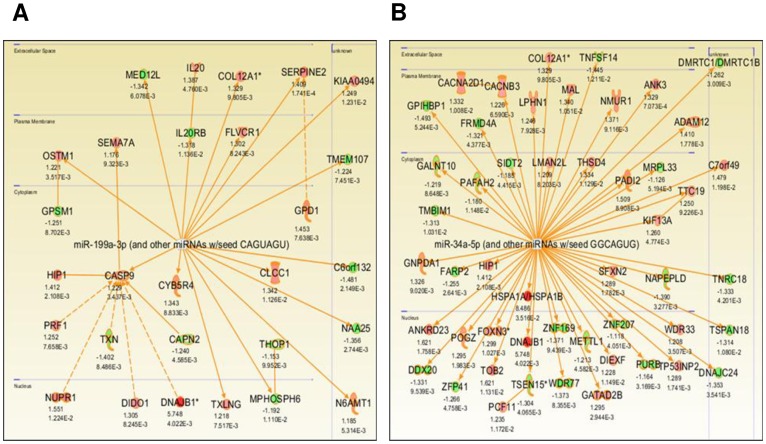
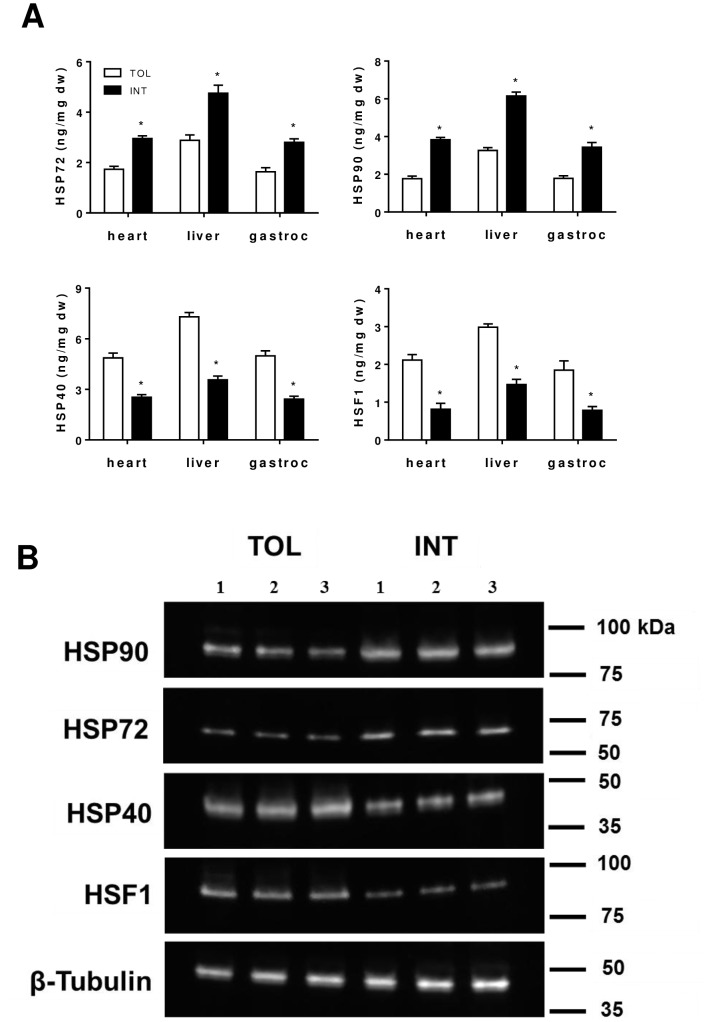
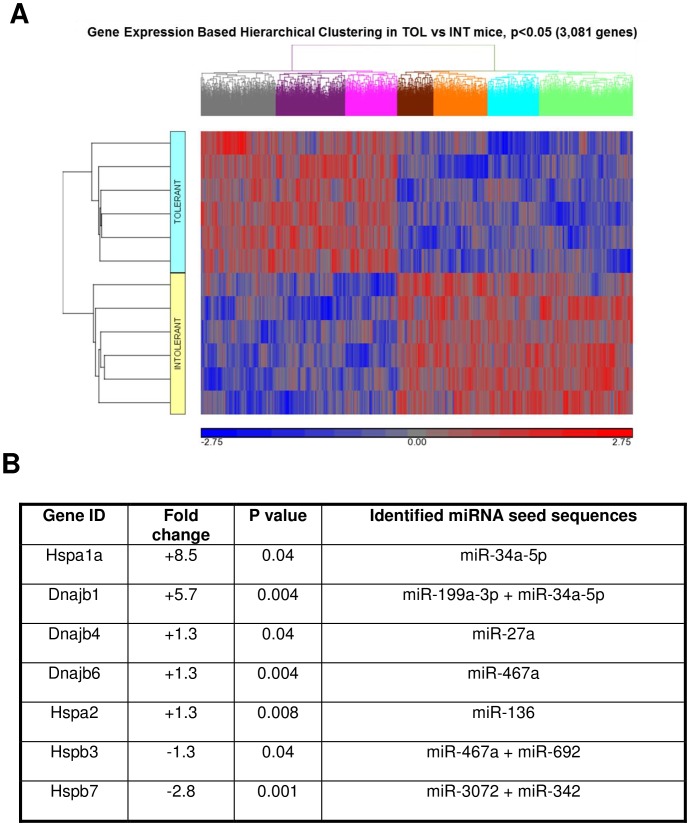
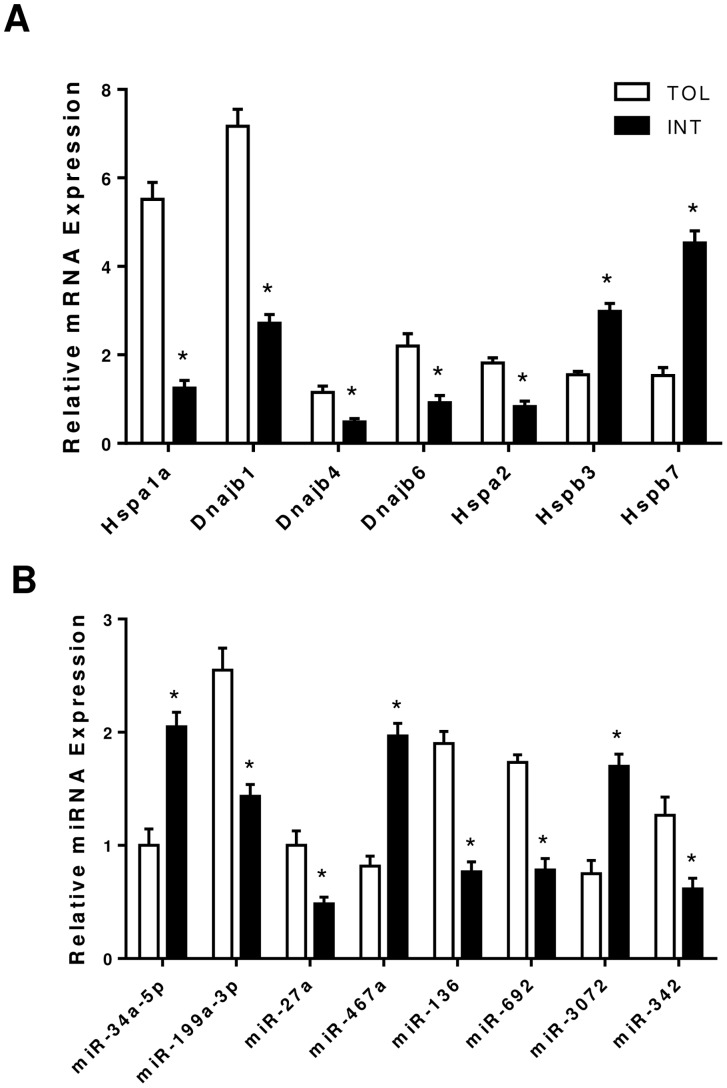
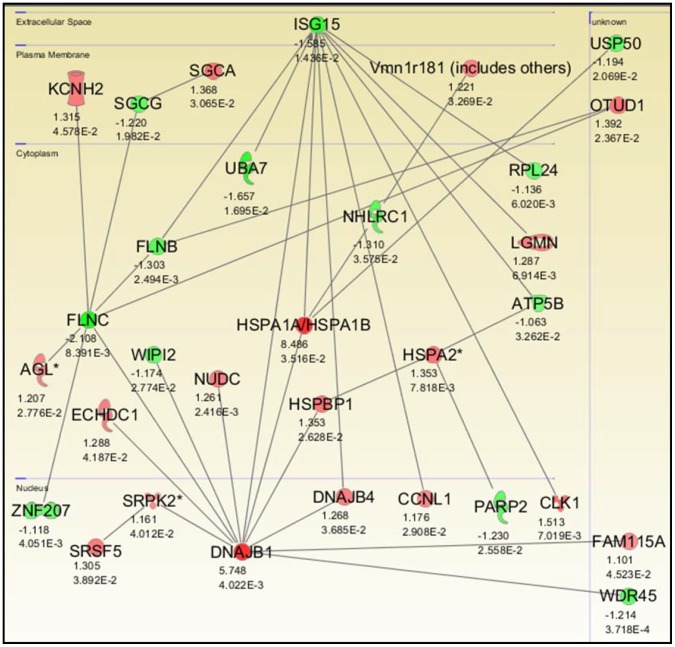
Mice (n = 18) were assigned to heat-tolerant (TOL) and heat-intolerant (INT) groups based on peak core temperatures during heat exposures. This was followed by biochemical assessments (Hsp40, Hsp72, Hsp90 and Hsf1 protein levels). Microarray analysis identified a total of 3,081 mRNA transcripts that were significantly misregulated in INT compared to TOL mice (p<0.05). Among them, Hspa1a, Dnajb1 and Hspb7 were differentially expressed by more than two-fold under these conditions. Furthermore, we identified 61 distinct microRNA (miRNA) sequences significantly associated with TOL compared to INT mice; eight miRNAs corresponded to target sites in seven genes identified as being associated with heat tolerance pathways (Hspa1a, Dnajb1, Dnajb4, Dnajb6, Hspa2, Hspb3 and Hspb7).
The combination of mRNA and miRNA data from the skeletal muscle of adult mice following heat stress provides new insights into the pathophysiology of thermoregulatory disturbances of heat intolerance.
在暴露于高温时迅速出现体温过高(不耐热)的个体易患与热相关的疾病和损伤。我们最近报道称,不耐热的小鼠在暴露于热时表现出应激蛋白的复杂改变。在本研究中,我们进一步探索了与小鼠耐热相关的基因和分子网络的作用。
评估热诱导的生理和生化变化,以确定小鼠的耐热水平。我们对小鼠比目鱼肌组织样本进行 RNA 和 microRNA 表达谱分析,以确定与耐热相关的新生物学途径。
根据热暴露期间的核心温度峰值,将 18 只小鼠分为耐热(TOL)和不耐热(INT)组。随后进行生化评估(Hsp40、Hsp72、Hsp90 和 Hsf1 蛋白水平)。微阵列分析共鉴定出 3081 个在 INT 与 TOL 小鼠中显著差异表达的 mRNA 转录本(p<0.05)。其中,Hspa1a、Dnajb1 和 Hspb7 在这些条件下的差异表达超过两倍。此外,我们鉴定出 61 个与 TOL 相关的独特 microRNA(miRNA)序列,与 INT 小鼠相比有显著差异;8 个 miRNA 对应于与耐热途径相关的七个基因中的靶位点(Hspa1a、Dnajb1、Dnajb4、Dnajb6、Hspa2、Hspb3 和 Hspb7)。
成年小鼠在热应激后骨骼肌的 mRNA 和 miRNA 数据的组合为耐热相关的热调节障碍的病理生理学提供了新的见解。