Srivastava Saumya, Sharma Yogesh Kumar
Department of Botany, University of Lucknow, Lucknow, Uttar Pradesh 226007, India.
ISRN Toxicol. 2013 Jul 22;2013:340925. doi: 10.1155/2013/340925. eCollection 2013.
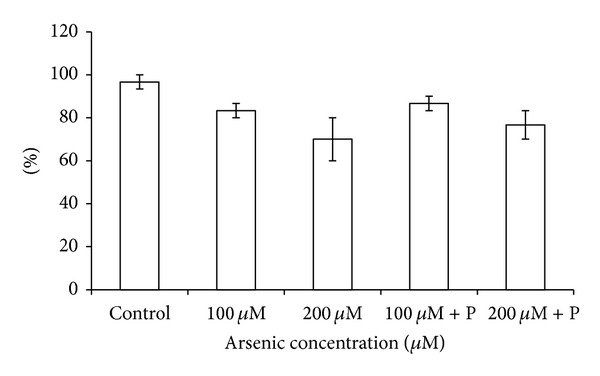
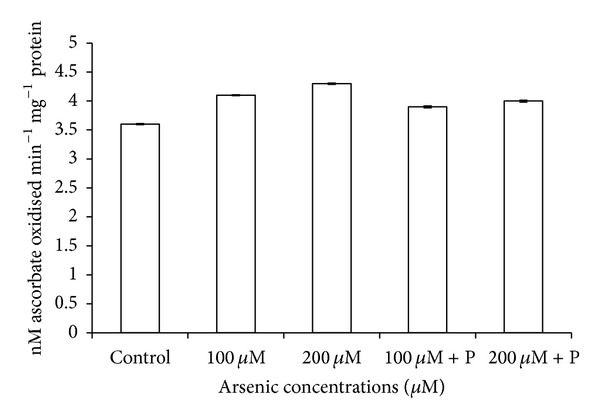
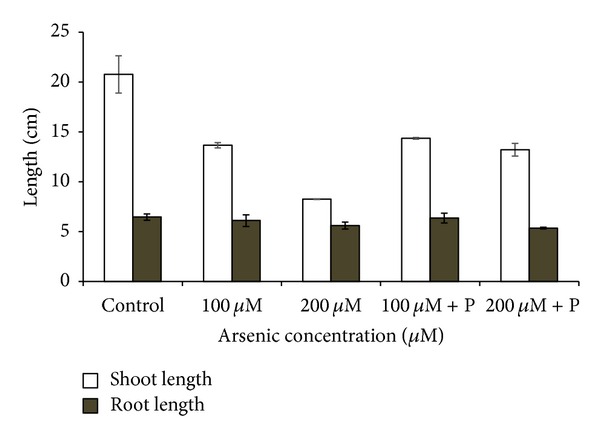
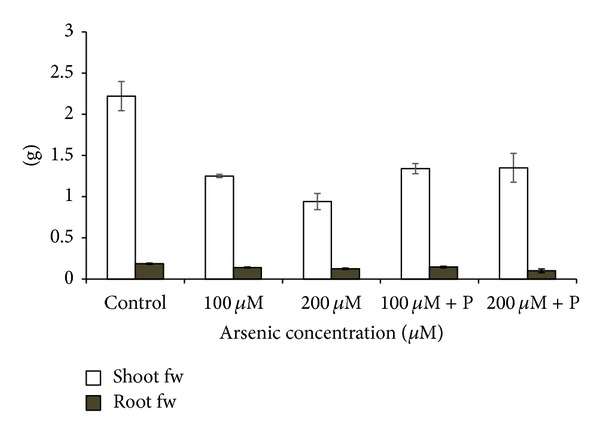
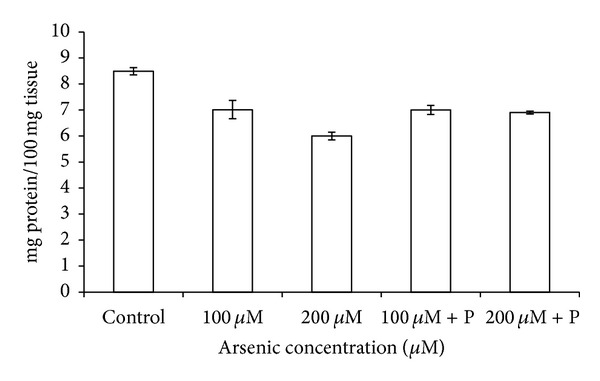
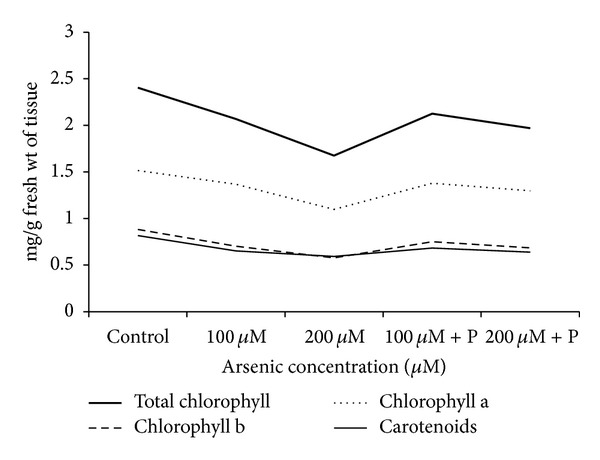
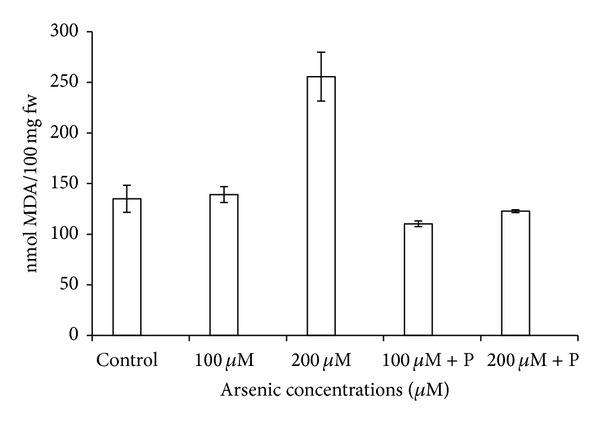
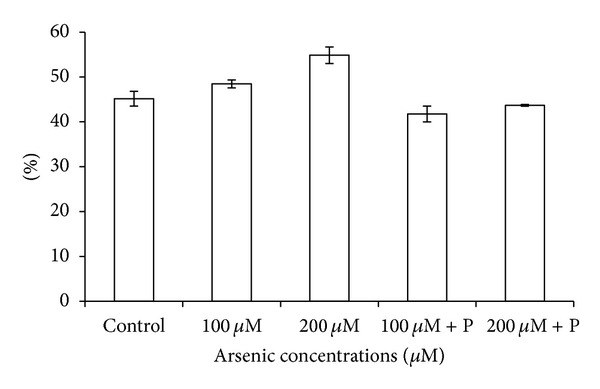
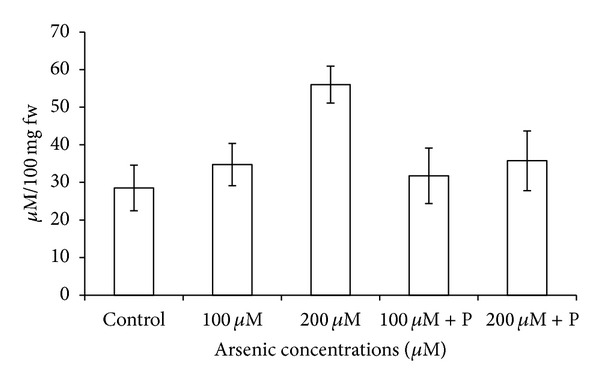
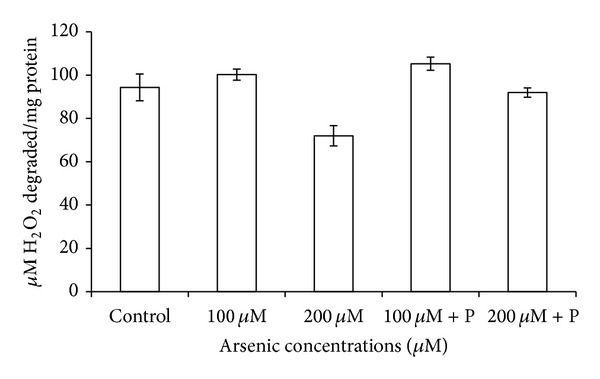
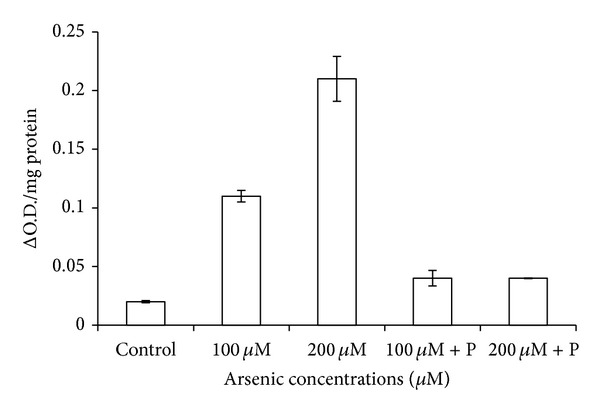
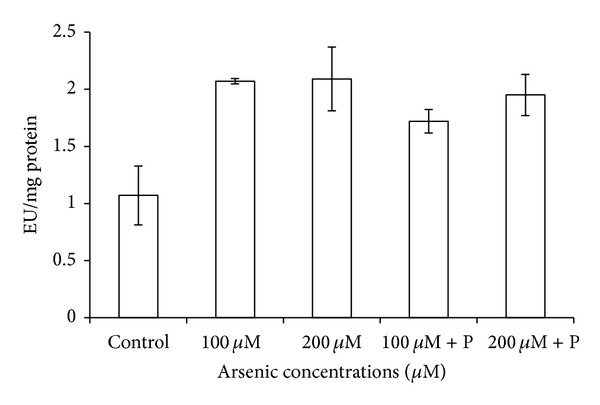
The toxicity of arsenic in soil and ground water is one of the most important environmental problems particularly in South-East Asia. Arsenic-polluted irrigation water creates hazard in soil environment and also in crop quality. In the present study, response of black gram (Vigna mungo L.) to arsenic with or without phosphate application was investigated. Arsenic-treated plants showed reduction in their growth and pigment content. Arsenic significantly enhanced lipid peroxidation, electrolyte leakage, and level of proline showing oxidative stress. Arsenic toxicity was associated with an increase in the activities of antioxidative enzymes like superoxide dismutase, peroxidase, and ascorbate peroxidase whereas catalase activity decreased at higher arsenic dose. Joint application of phosphate with arsenic resulted in significant alterations in most of the parameters tested under the purview of arsenic treatment alone which lead to better growth in black gram.
土壤和地下水中砷的毒性是最重要的环境问题之一,尤其是在东南亚地区。受砷污染的灌溉水会对土壤环境以及作物质量造成危害。在本研究中,对施用或未施用磷酸盐的黑绿豆(Vigna mungo L.)对砷的反应进行了研究。经砷处理的植株生长和色素含量降低。砷显著增强了脂质过氧化、电解质渗漏和脯氨酸水平,表明存在氧化应激。砷毒性与超氧化物歧化酶、过氧化物酶和抗坏血酸过氧化物酶等抗氧化酶活性增加有关,而在较高砷剂量下过氧化氢酶活性降低。磷酸盐与砷联合施用导致在仅进行砷处理的情况下所测试的大多数参数发生显著变化,从而使黑绿豆生长得更好。