Department of Viroscience, Erasmus Medical Center, Rotterdam, The Netherlands ; Viroclinics Biosciences BV, Rotterdam, The Netherlands.
PLoS One. 2013 Aug 20;8(8):e71595. doi: 10.1371/journal.pone.0071595. eCollection 2013.
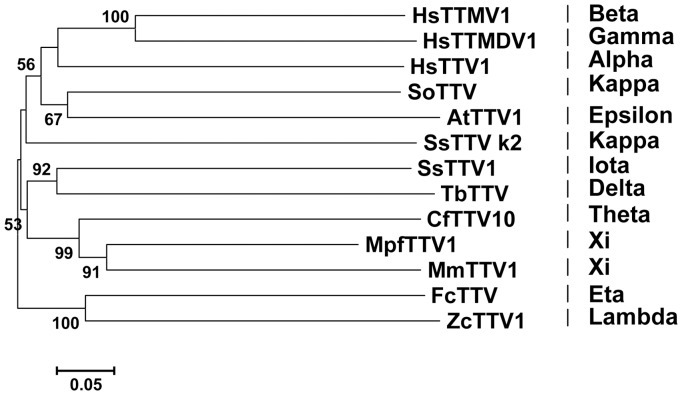
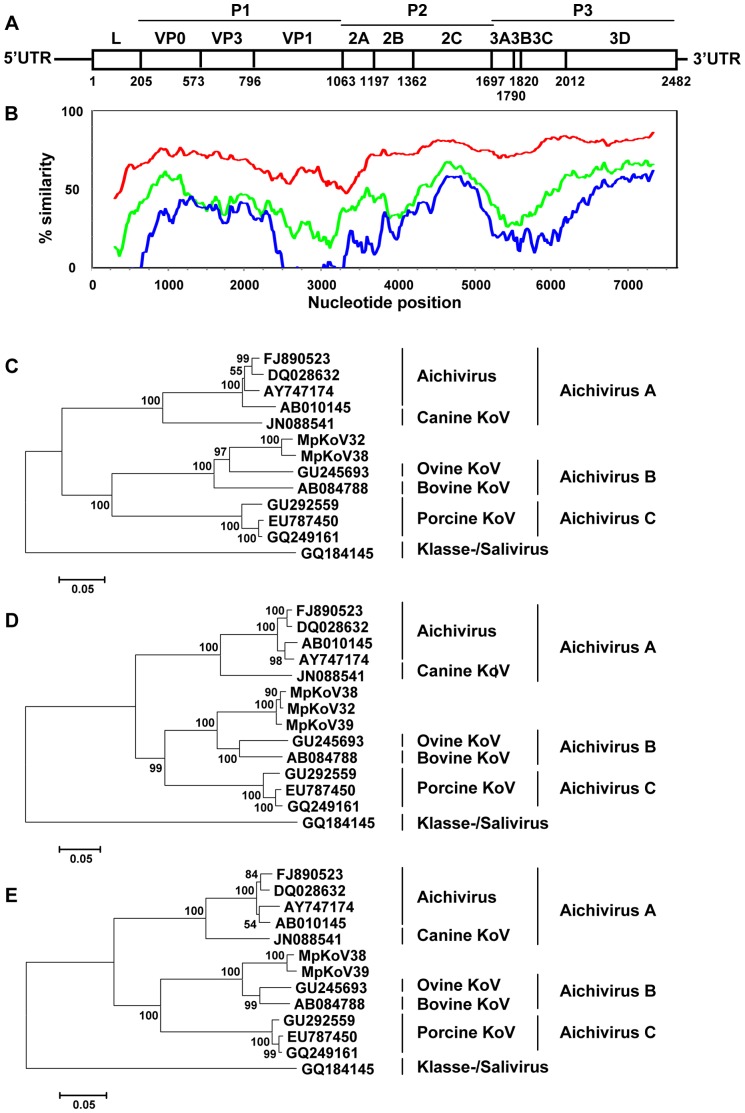
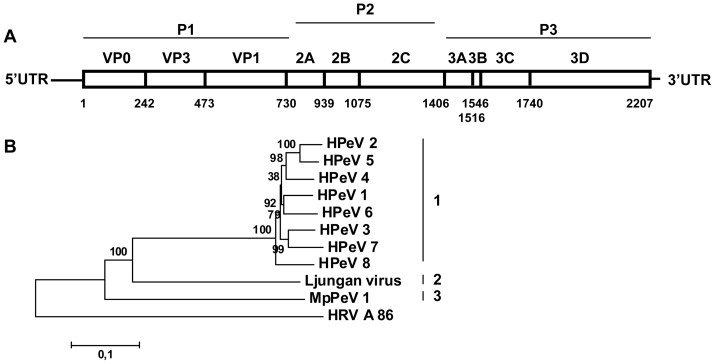
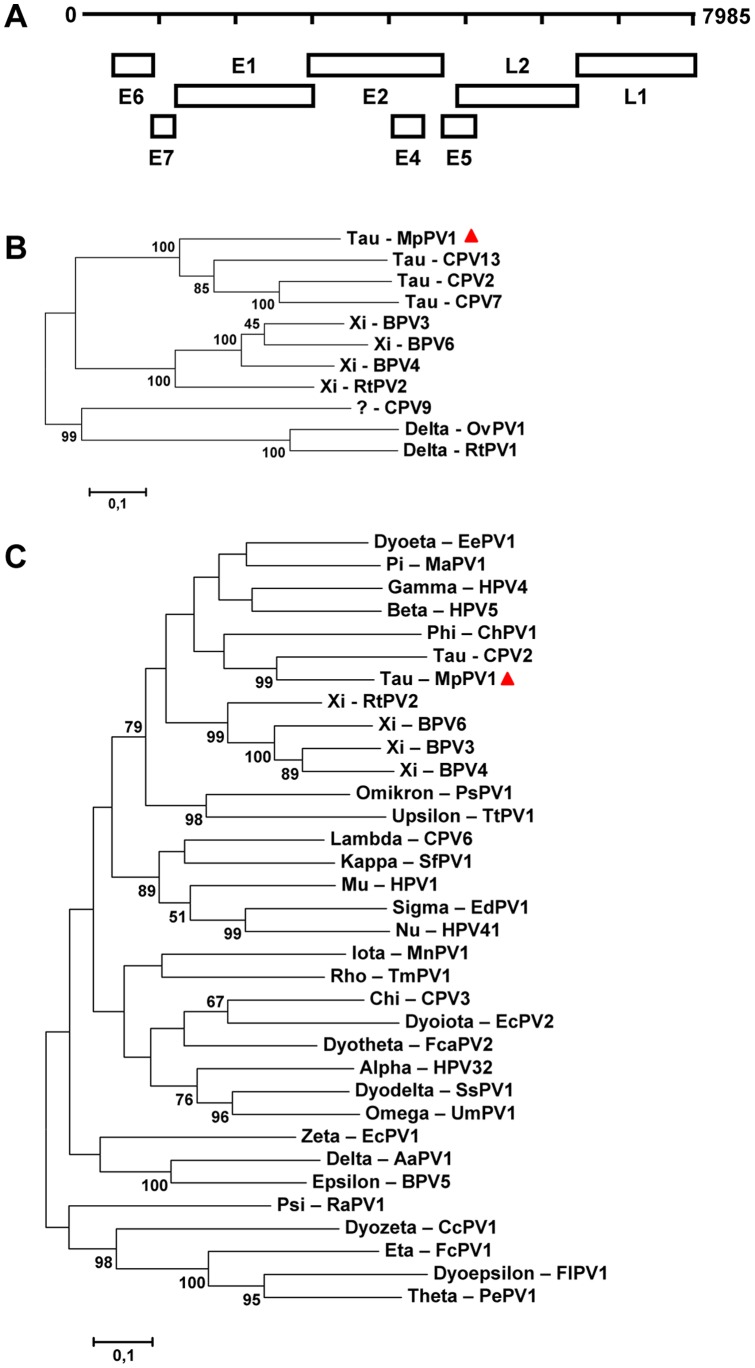
Ferrets are widely used as a small animal model for a number of viral infections, including influenza A virus and SARS coronavirus. To further analyze the microbiological status of ferrets, their fecal viral flora was studied using a metagenomics approach. Novel viruses from the families Picorna-, Papilloma-, and Anelloviridae as well as known viruses from the families Astro-, Corona-, Parvo-, and Hepeviridae were identified in different ferret cohorts. Ferret kobu- and hepatitis E virus were mainly present in human household ferrets, whereas coronaviruses were found both in household as well as farm ferrets. Our studies illuminate the viral diversity found in ferrets and provide tools to prescreen for newly identified viruses that potentially could influence disease outcome of experimental virus infections in ferrets.
雪貂被广泛用作多种病毒感染的小动物模型,包括甲型流感病毒和严重急性呼吸综合征冠状病毒。为了进一步分析雪貂的微生物状况,我们使用宏基因组学方法研究了它们的粪便病毒群。在不同的雪貂群体中鉴定出了小 RNA 病毒科、乳头瘤病毒科和圆环病毒科的新型病毒以及星状病毒科、冠状病毒科、细小病毒科和肝炎病毒科的已知病毒。雪貂博卡病毒和戊型肝炎病毒主要存在于人类家庭饲养的雪貂中,而冠状病毒则存在于家庭饲养和农场饲养的雪貂中。我们的研究阐明了在雪貂中发现的病毒多样性,并提供了工具来对可能影响雪貂实验性病毒感染疾病结果的新鉴定病毒进行预筛查。