Department of Biomedical Engineering, National Cheng Kung University, Tainan, Taiwan ; Department of Physical Medicine and Rehabilitation, National Cheng Kung University Hospital, College of Medicine, National Cheng Kung University, Tainan, Taiwan.
PLoS One. 2013 Aug 20;8(8):e72064. doi: 10.1371/journal.pone.0072064. eCollection 2013.
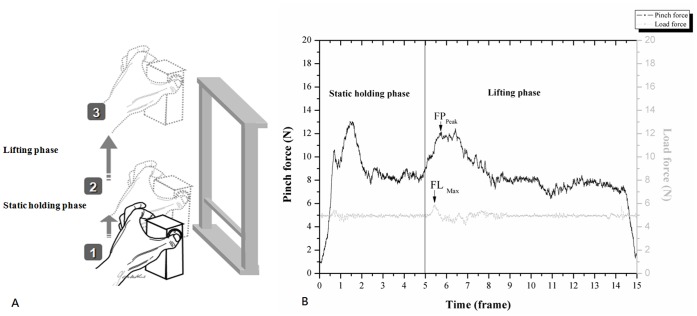
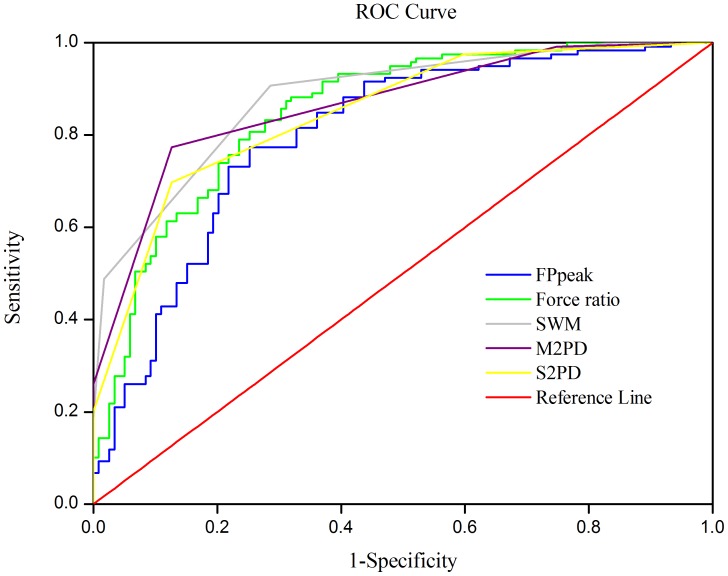
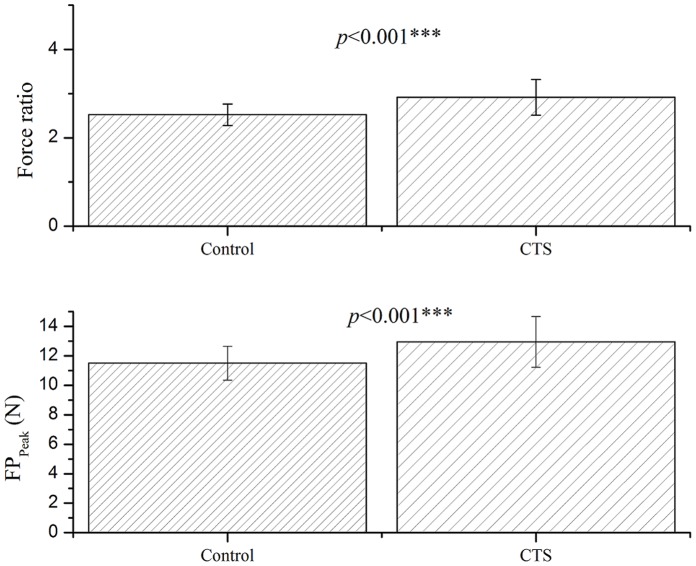
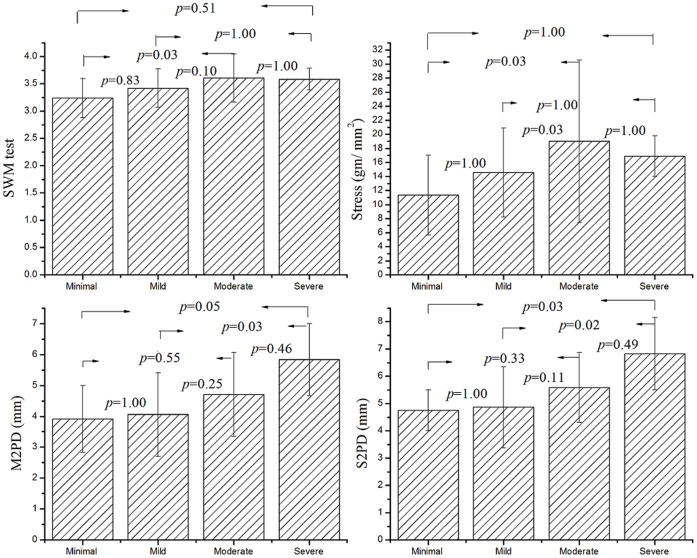
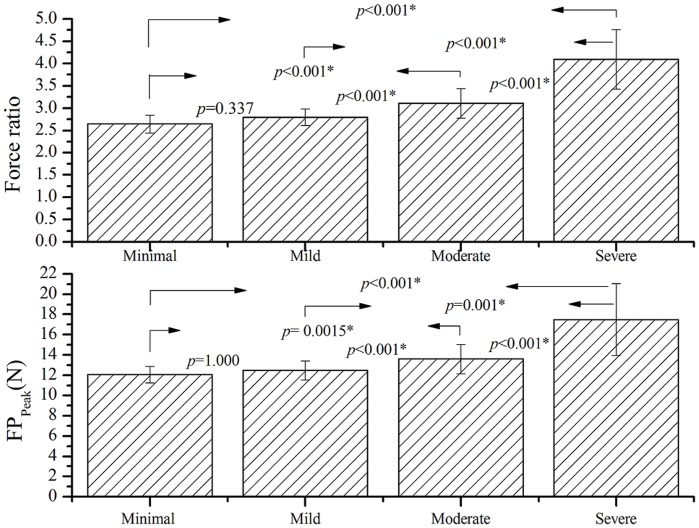
To understand the feasibility of a novel functional sensibility test for determining precision pinch performance in patients with carpal tunnel syndrome, this study investigates the validity, sensitivity and specificity of functional sensibility derived from a pinch-holding-up activity (PHUA) test. Participants include 70 clinically defined carpal tunnel syndrome (CTS) patients with 119 involved hands and 70 age- and gender-matched controls. To examine the discriminating ability of the functional sensibility test, the differences in the ability of pinch force adjustments to the inertial load of handling object between CTS and control subjects are analyzed. The results of functional sensibility are correlated with the severity of CTS to establish concurrent validity. The receiver operating characteristic (ROC) curve is constructed to demonstrate the accuracy of the proposed test. The functional sensibility score significantly discriminates the patients and control groups (respectively, 12.94±1.72 vs. 11.51±1.15N in peak pinch force (FPPeak), p<0.001; 2.92±0.41 vs. 2.52±0.24 in force ratio, p<0.001) and is moderately correlated (r = 0.42-0.54, p<0.001) with the results of traditional sensibility tests (touch-pressure threshold and two-point discrimination test). In addition, there is a statistical difference in the results of functional sensibility (p<0.001) among the subgroups of CTS severity based on electrophysiological study. The sensitivity and specificity are 0.79 and 0.76, respectively, for the functional sensibility test. The areas under the ROC curve are 0.85 and 0.80 for the force ratio and FPPeak, respectively. In conclusion, the functional sensibility test could be feasibly used as a clinical tool for determining both the sensibility and precision pinch performance of hands for the patients with CTS.
为了研究一种新型功能敏感性测试在确定腕管综合征患者精细捏合性能方面的可行性,本研究调查了源自捏持-上举活动(PHUA)测试的功能敏感性的有效性、敏感性和特异性。参与者包括 70 名经临床定义的腕管综合征(CTS)患者,共涉及 119 只手,以及 70 名年龄和性别匹配的对照组。为了检验功能敏感性测试的判别能力,分析了 CTS 患者和对照组对手部捏力调整对操作物体惯性负荷的能力差异。通过功能敏感性测试结果与 CTS 严重程度的相关性来建立同时效度。构建受试者工作特征(ROC)曲线来展示该测试的准确性。功能敏感性评分可显著区分患者和对照组(分别为峰值捏力(FPPeak)中 12.94±1.72 vs. 11.51±1.15N,p<0.001;力比中 2.92±0.41 vs. 2.52±0.24,p<0.001),并且与传统敏感性测试(触觉压力阈值和两点辨别测试)的结果呈中度相关(r = 0.42-0.54,p<0.001)。此外,基于电生理研究,在 CTS 严重程度的亚组中,功能敏感性测试的结果存在统计学差异(p<0.001)。功能敏感性测试的敏感性和特异性分别为 0.79 和 0.76。ROC 曲线下的面积分别为力比和 FPPeak 的 0.85 和 0.80。综上所述,功能敏感性测试可作为一种临床工具,用于确定 CTS 患者手部的感觉和精细捏合性能。