Mithila J, Hall J Christopher
Department of Agronomy, Kansas State University, Manhattan, KS USA.
In Vitro Cell Dev Biol Plant. 2013;49(4):461-467. doi: 10.1007/s11627-013-9515-y. Epub 2013 Apr 24.
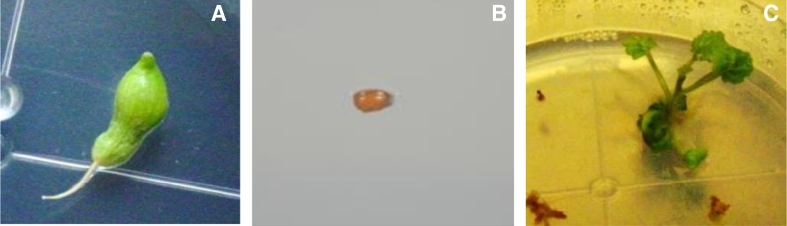
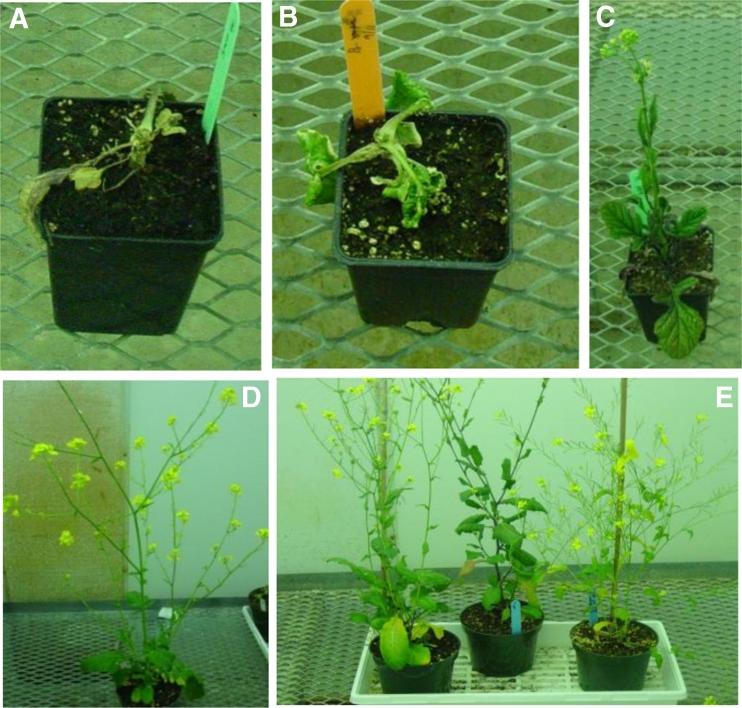
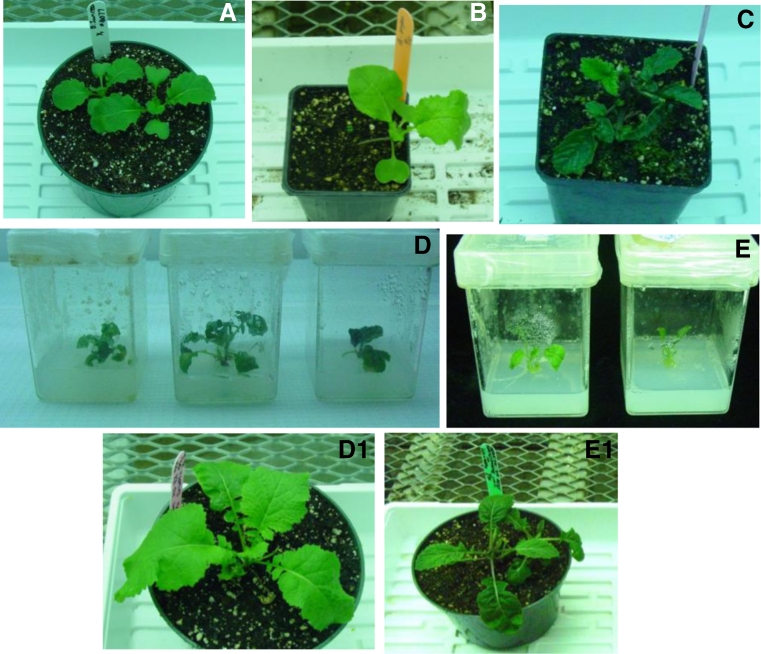
Auxinic herbicides are widely used in agriculture to selectively control broadleaf weeds. Prolonged use of auxinic herbicides has resulted in the evolution of resistance to these herbicides in some biotypes of (wild mustard), a common weed in agricultural crops. In this study, auxinic herbicide resistance from was transferred to and , two commercially important crops, by traditional breeding coupled with embryo rescue. A high frequency of embryo regeneration and hybrid plant establishment was achieved. Transfer of auxinic herbicide resistance from to the hybrids was assessed by whole-plant screening of hybrids with dicamba, a widely used auxinic herbicide. Furthermore, the hybrids were tested for fertility (both pollen and pistil) and their ability to produce backcross progeny. The auxinic herbicide-resistant trait was introgressed into by backcross breeding. DNA ploidy of the hybrids as well as of the backcross progeny was estimated by flow cytometry. Creation of auxinic herbicide-resistant crops by non-transgenic approaches should facilitate effective weed control, encourage less tillage, provide herbicide rotation options, minimize occurrence of herbicide resistance, and increase acceptance of these crops.
生长素类除草剂在农业中被广泛用于选择性地控制阔叶杂草。长期使用生长素类除草剂已导致某些生物型的野芥菜(一种农作物中常见的杂草)对这些除草剂产生了抗性。在本研究中,通过传统育种结合胚拯救,将野芥菜的生长素类除草剂抗性转移到了两种具有重要商业价值的茄科作物番茄和辣椒中。实现了高频的胚再生和杂种植物的建立。通过用广泛使用的生长素类除草剂麦草畏对杂种进行全株筛选,评估了从野芥菜到杂种的生长素类除草剂抗性转移。此外,还对杂种的育性(花粉和雌蕊)及其产生回交后代的能力进行了测试。通过回交育种将生长素类除草剂抗性性状导入番茄。通过流式细胞术估计杂种以及回交后代的DNA倍性。通过非转基因方法培育抗生长素类除草剂的茄科作物应有助于有效控制杂草、鼓励减少耕作、提供除草剂轮用选择、最大限度地减少除草剂抗性的发生,并提高这些作物的接受度。