Jugulam M, Ziauddin Asma, So Kenny K Y, Chen Shu, Hall J Christopher
Department of Agronomy, Kansas State University, Manhattan, Kansas, United States of America.
School of Environmental Sciences, University of Guelph, Guelph, Ontario, Canada.
PLoS One. 2015 Nov 4;10(11):e0141418. doi: 10.1371/journal.pone.0141418. eCollection 2015.
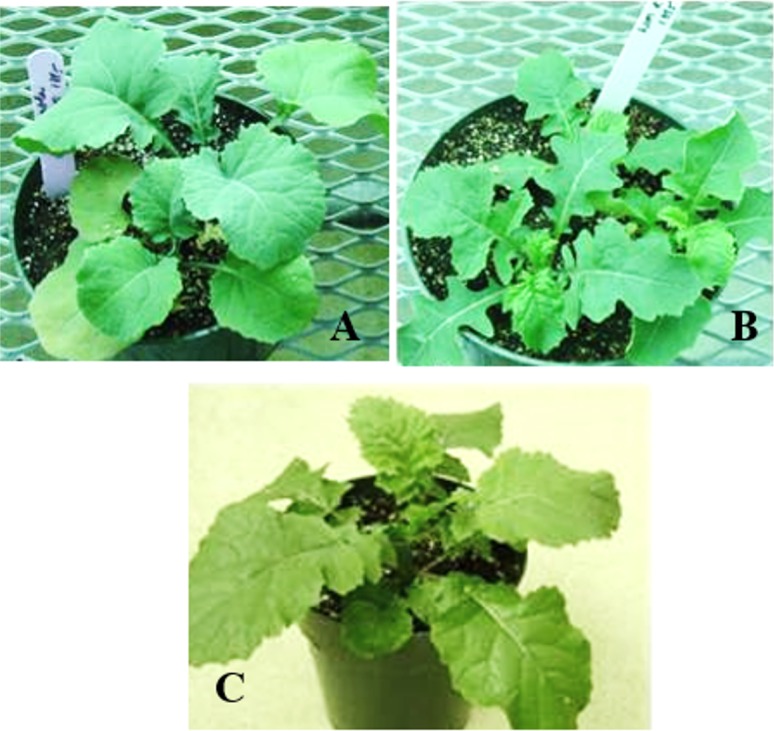
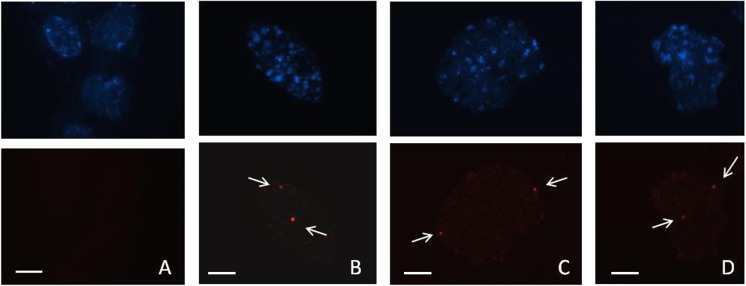
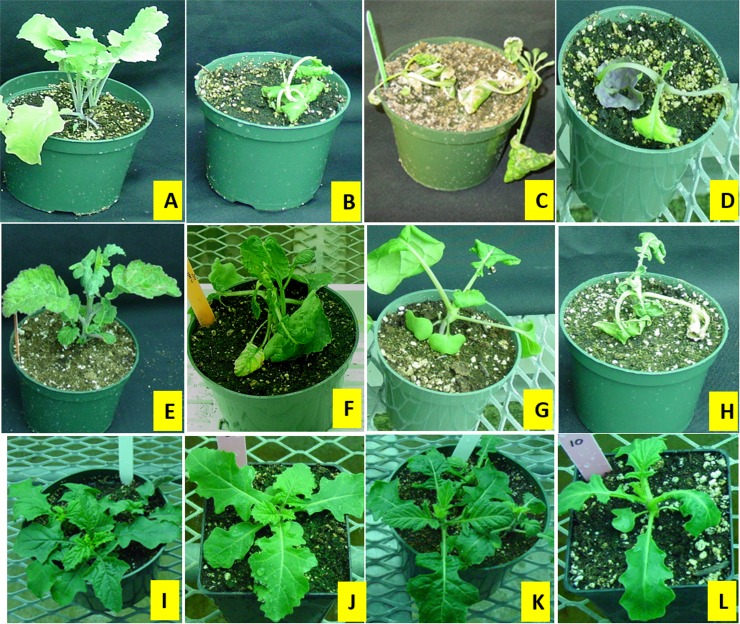
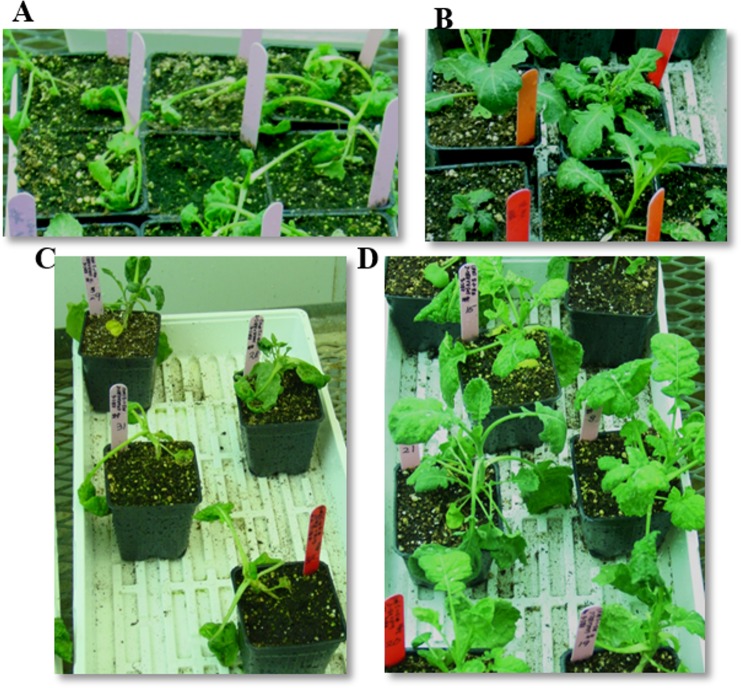
Auxinic herbicides (e.g. dicamba) are extensively used in agriculture to selectively control broadleaf weeds. Although cultivated species of Brassicaceae (e.g. Canola) are susceptible to auxinic herbicides, some biotypes of Sinapis arvensis (wild mustard) were found dicamba resistant in Canada. In this research, dicamba tolerance from wild mustard was introgressed into canola through embryo rescue followed by conventional breeding. Intergeneric hybrids between S. arvensis (2n = 18) and B. napus (2n = 38) were produced through embryo rescue. Embryo formation and hybrid plant regeneration was achieved. Transfer of dicamba tolerance from S. arvensis into the hybrid plants was determined by molecular analysis and at the whole plant level. Dicamba tolerance was introgressed into B. napus by backcrossing for seven generations. Homozygous dicamba-tolerant B. napus lines were identified. The ploidy of the hybrid progeny was assessed by flow cytometry. Finally, introgression of the piece of DNA possibly containing the dicamba tolerance gene into B. napus was confirmed using florescence in situ hybridization (FISH). This research demonstrates for the first time stable introgression of dicamba tolerance from S. arvensis into B. napus via in vitro embryo rescue followed by repeated backcross breeding. Creation of dicamba-tolerant B. napus varieties by this approach may have potential to provide options to growers to choose a desirable herbicide-tolerant technology. Furthermore, adoption of such technology facilitates effective weed control, less tillage, and possibly minimize evolution of herbicide resistant weeds.
生长素类除草剂(如麦草畏)在农业中被广泛用于选择性地控制阔叶杂草。虽然十字花科的栽培种(如油菜)对生长素类除草剂敏感,但在加拿大发现一些野芥的生物型对麦草畏具有抗性。在本研究中,通过胚挽救和常规育种,将野芥的麦草畏耐受性导入油菜中。通过胚挽救获得了野芥(2n = 18)和甘蓝型油菜(2n = 38)之间的属间杂种。实现了胚的形成和杂种植物的再生。通过分子分析和在整株水平上确定了野芥的麦草畏耐受性向杂种植物的转移。通过回交七代将麦草畏耐受性导入甘蓝型油菜中。鉴定出了纯合的耐麦草畏甘蓝型油菜品系。通过流式细胞术评估杂种后代的倍性。最后,使用荧光原位杂交(FISH)证实了可能含有麦草畏耐受性基因的DNA片段导入甘蓝型油菜中。本研究首次证明了通过体外胚挽救和反复回交育种,将野芥的麦草畏耐受性稳定导入甘蓝型油菜中。通过这种方法培育耐麦草畏甘蓝型油菜品种可能为种植者提供选择理想除草剂耐受技术的选项。此外,采用这种技术有助于有效控制杂草、减少耕作,并可能最大限度地减少抗除草剂杂草的进化。