Department of Aquatic Ecology & Water Quality Management, Wageningen University, Wageningen, the Netherlands.
PLoS One. 2013 Aug 29;8(8):e72514. doi: 10.1371/journal.pone.0072514. eCollection 2013.
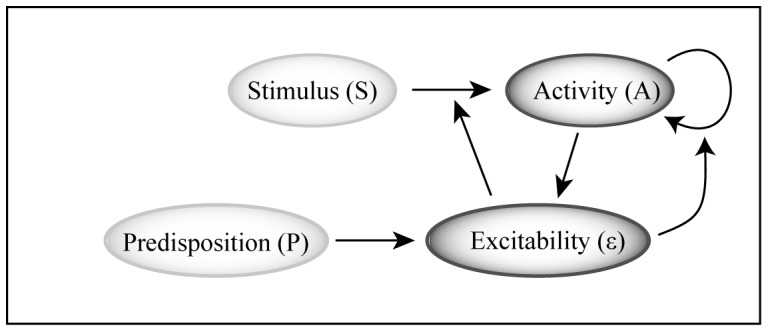
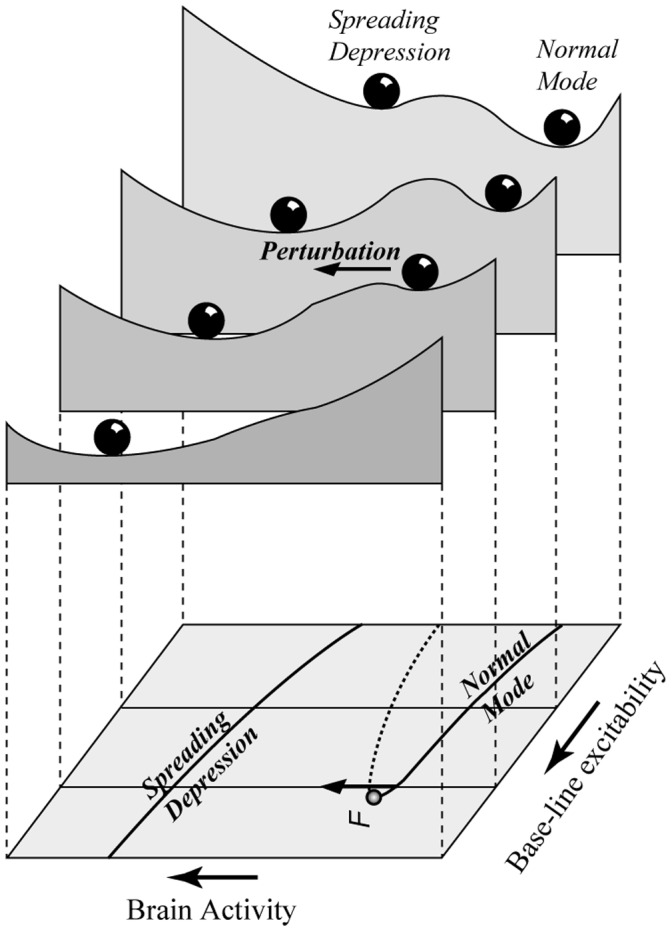
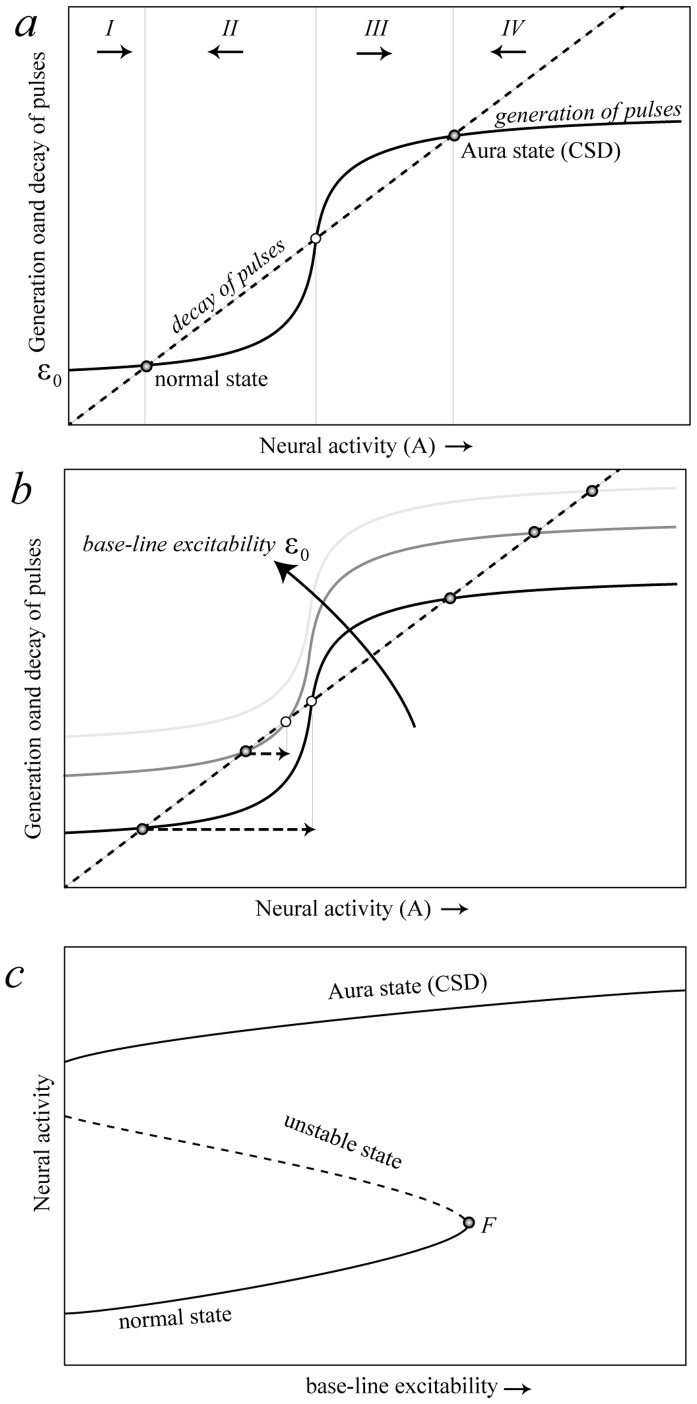
Self-propagating waves of cerebral neuronal firing, known as spreading depolarisations, are believed to be at the roots of migraine attacks. We propose that the start of spreading depolarisations corresponds to a critical transition that occurs when dynamic brain networks approach a tipping point. We show that this hypothesis is consistent with current pathogenetic insights and observed dynamics. Our view implies that migraine strikes when modulating factors further raise the neuronal excitability in genetically predisposed subjects to a level where even minor perturbations can trigger spreading depolarisations. A corollary is that recently discovered generic early warning indicators for critical transitions may be used to predict the onset of migraine attacks even before patients are clinically aware. This opens up new avenues for dissecting the mechanisms for the onset of migraine attacks and for identifying novel prophylactic treatment targets for the prevention of attacks.
被认为是偏头痛发作根源的大脑神经元放电自传播波,即扩展去极化。我们提出,扩展去极化的开始对应于一个临界点,当动态脑网络接近这个临界点时就会发生这种临界点。我们表明,该假设与当前的发病机制见解和观察到的动态一致。我们的观点意味着,当调节因素进一步将遗传易感性患者的神经元兴奋性提高到即使是微小的扰动也能引发扩展去极化的水平时,偏头痛就会发作。其推论是,最近发现的用于临界点的通用早期预警指标,即使在患者出现临床症状之前,也可用于预测偏头痛发作的开始。这为剖析偏头痛发作的机制以及确定预防发作的新预防性治疗靶点开辟了新途径。