Compound Safety Prediction, Pfizer Inc,, Groton, CT, USA.
BMC Pharmacol Toxicol. 2013 Sep 6;14:46. doi: 10.1186/2050-6511-14-46.
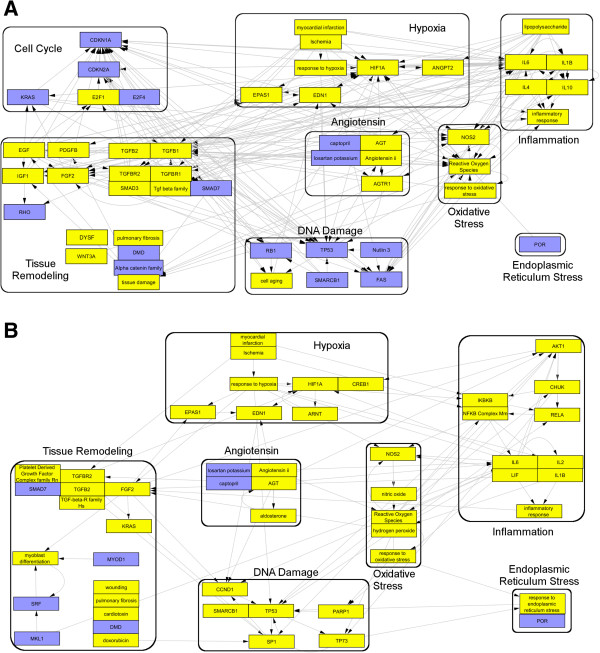
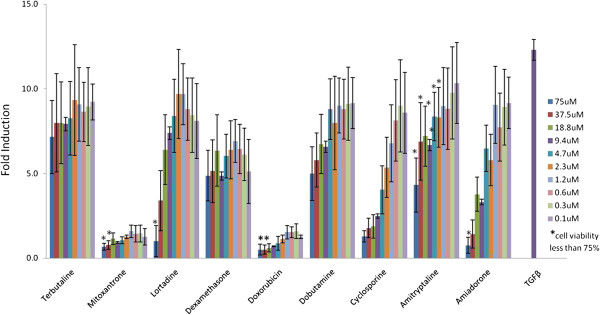
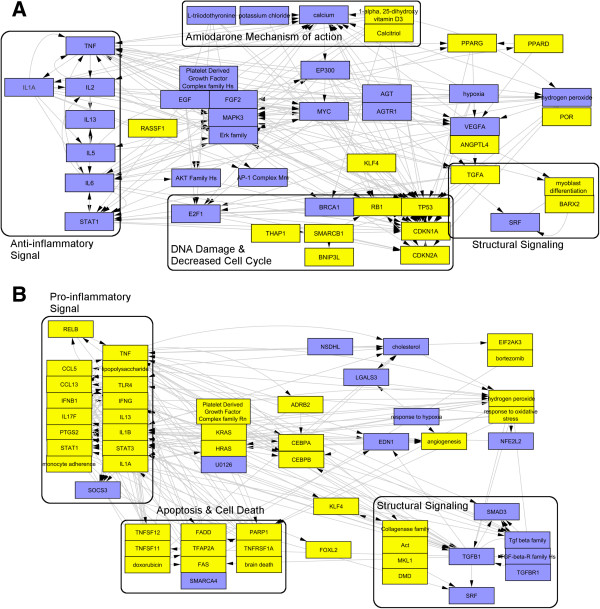
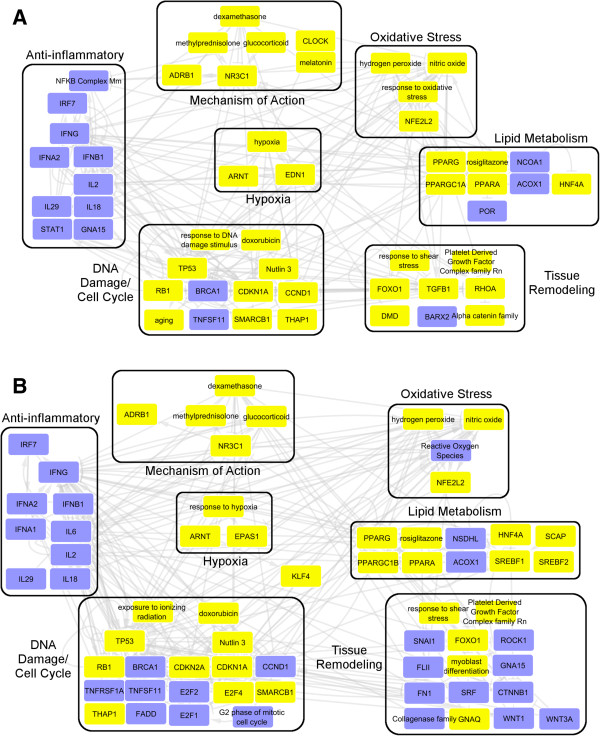
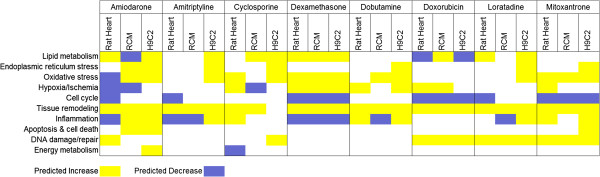
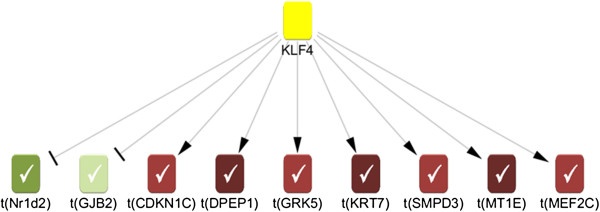
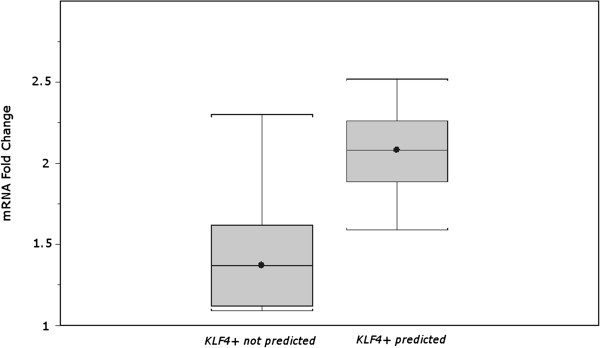
Drug-induced cardiac toxicity has been implicated in 31% of drug withdrawals in the USA. The fact that the risk for cardiac-related adverse events goes undetected in preclinical studies for so many drugs underscores the need for better, more predictive in vitro safety screens to be deployed early in the drug discovery process. Unfortunately, many questions remain about the ability to accurately translate findings from simple cellular systems to the mechanisms that drive toxicity in the complex in vivo environment. In this study, we analyzed translatability of cardiotoxic effects for a diverse set of drugs from rodents to two different cell systems (rat heart tissue-derived cells (H9C2) and primary rat cardiomyocytes (RCM)) based on their transcriptional response. To unravel the altered pathway, we applied a novel computational systems biology approach, the Causal Reasoning Engine (CRE), to infer upstream molecular events causing the observed gene expression changes. By cross-referencing the cardiotoxicity annotations with the pathway analysis, we found evidence of mechanistic convergence towards common molecular mechanisms regardless of the cardiotoxic phenotype. We also experimentally verified two specific molecular hypotheses that translated well from in vivo to in vitro (Kruppel-like factor 4, KLF4 and Transforming growth factor beta 1, TGFB1) supporting the validity of the predictions of the computational pathway analysis. In conclusion, this work demonstrates the use of a novel systems biology approach to predict mechanisms of toxicity such as KLF4 and TGFB1 that translate from in vivo to in vitro. We also show that more complex in vitro models such as primary rat cardiomyocytes may not offer any advantage over simpler models such as immortalized H9C2 cells in terms of translatability to in vivo effects if we consider the right endpoints for the model. Further assessment and validation of the generated molecular hypotheses would greatly enhance our ability to design predictive in vitro cardiotoxicity assays.
药物诱导的心脏毒性已被认为是美国 31%药物撤市的原因。事实上,许多药物在临床前研究中都未能检测到与心脏相关的不良事件风险,这突显了需要更好、更具预测性的体外安全筛选方法,以便在药物发现过程的早期阶段进行部署。不幸的是,许多问题仍然存在,即如何准确地将从简单细胞系统中获得的发现转化为复杂体内环境中导致毒性的机制。在这项研究中,我们根据转录反应,分析了来自啮齿动物的多种药物的心脏毒性效应在两种不同细胞系统(大鼠心脏组织衍生细胞(H9C2)和原代大鼠心肌细胞(RCM))中的可翻译性。为了揭示改变的途径,我们应用了一种新的计算系统生物学方法,因果推理引擎(CRE),来推断导致观察到的基因表达变化的上游分子事件。通过与途径分析交叉引用心脏毒性注释,我们发现了无论心脏毒性表型如何,都存在向共同分子机制趋同的证据。我们还通过实验验证了从体内到体外翻译效果良好的两个特定分子假说(Kruppel-like factor 4,KLF4 和 Transforming growth factor beta 1,TGFB1),支持计算途径分析预测的有效性。总之,这项工作展示了使用新的系统生物学方法来预测毒性机制,例如 KLF4 和 TGFB1,这些机制可以从体内转化为体外。我们还表明,如果我们考虑模型的正确终点,那么与更简单的模型(如永生化的 H9C2 细胞)相比,更复杂的体外模型(如原代大鼠心肌细胞)在向体内效应的可翻译性方面可能没有任何优势。进一步评估和验证生成的分子假说将极大地提高我们设计预测性体外心脏毒性测定的能力。