Chu Chun-Hung, Mei May L, Cheung Chloe, Nalliah Romesh P
Faculty of Dentistry, The University of Hong Kong, Hong Kong, People's Republic of China.
Clin Cosmet Investig Dent. 2013 Jul 30;5:43-50. doi: 10.2147/CCIDE.S48567.
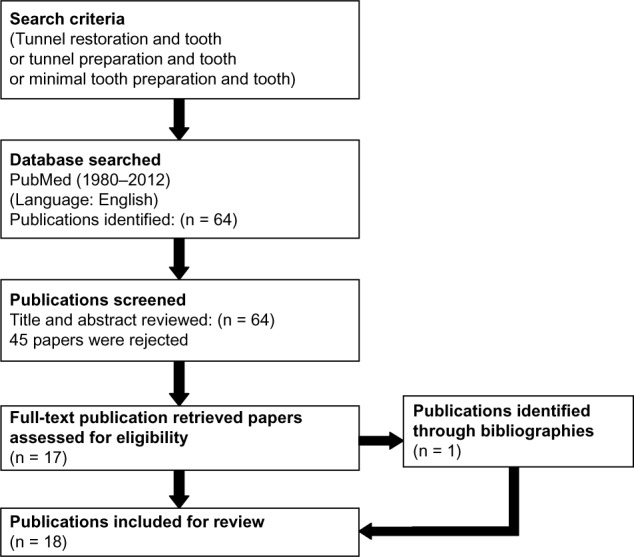
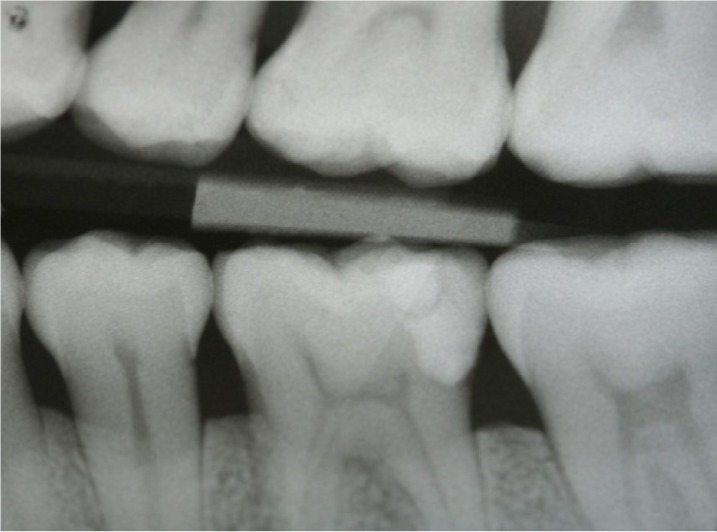
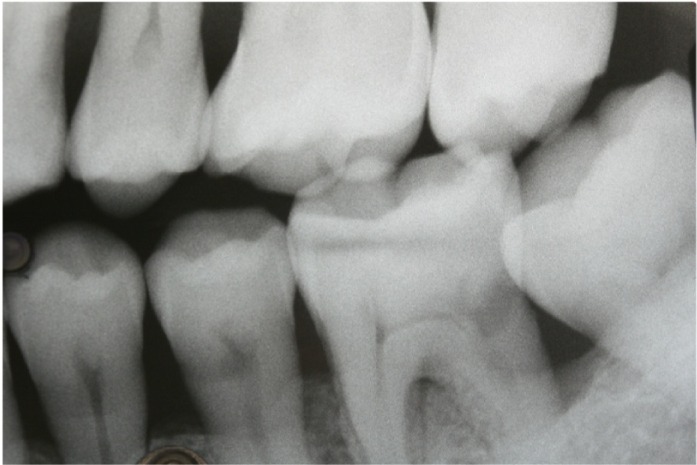
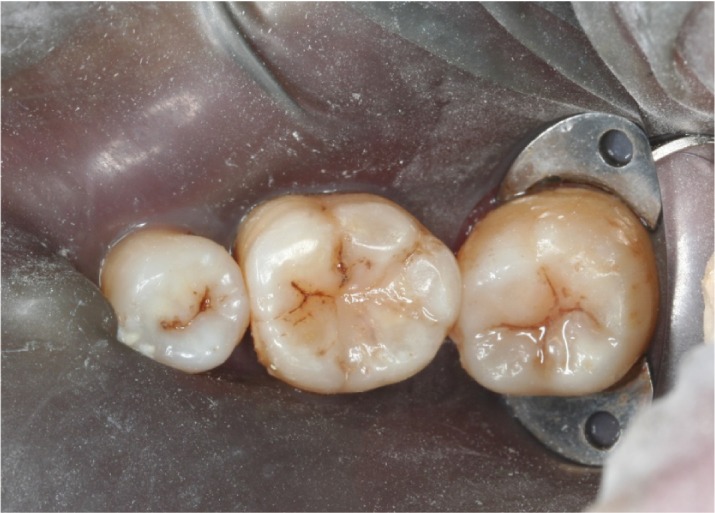
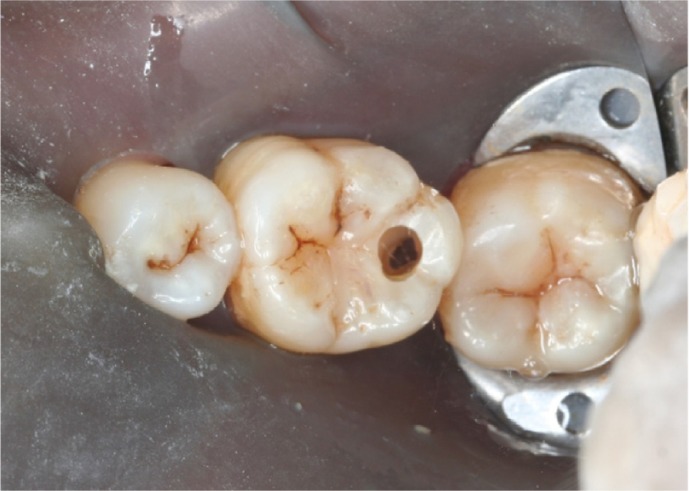
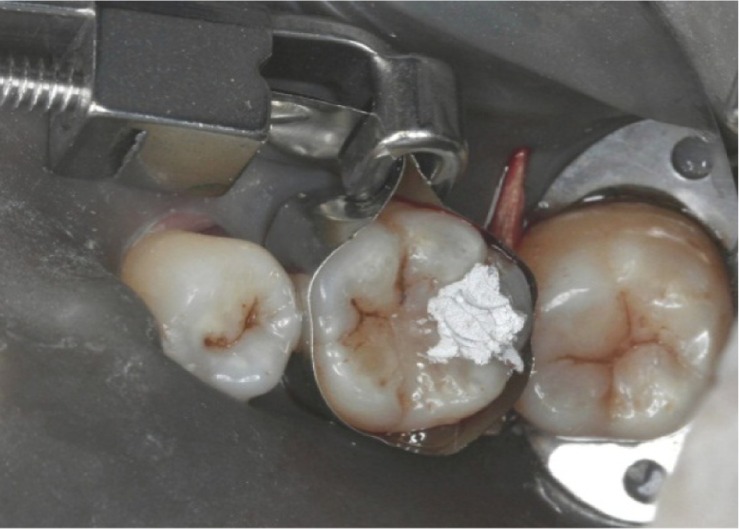
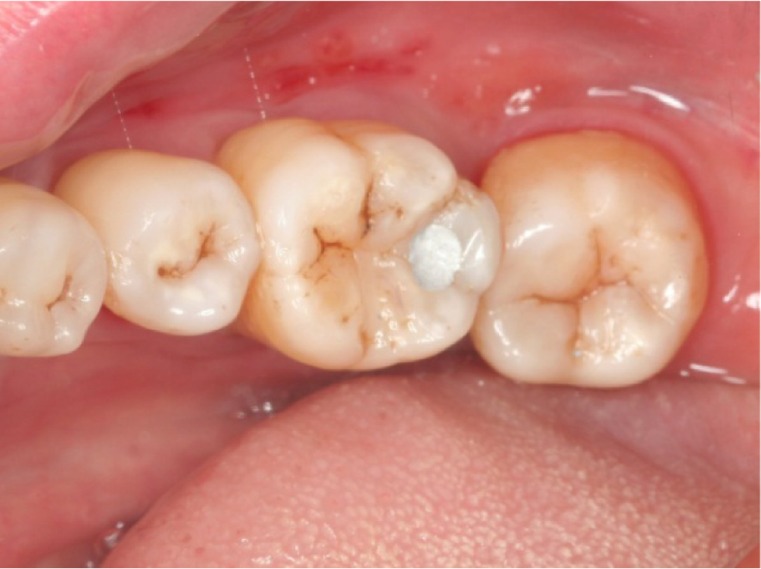
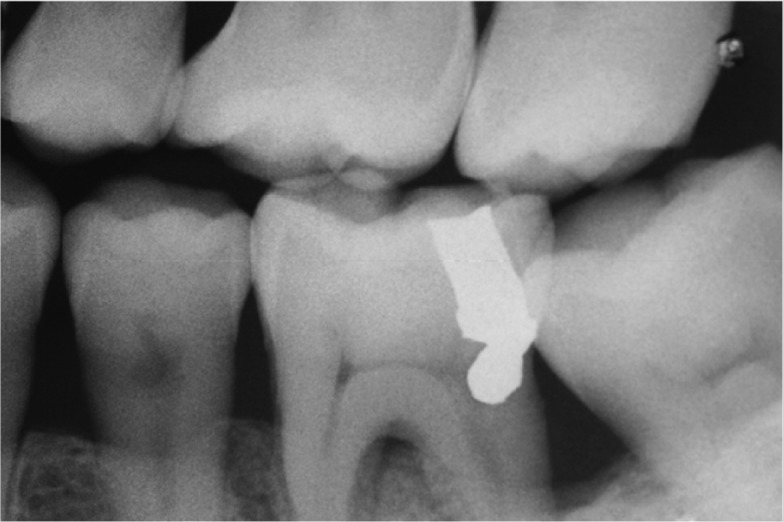
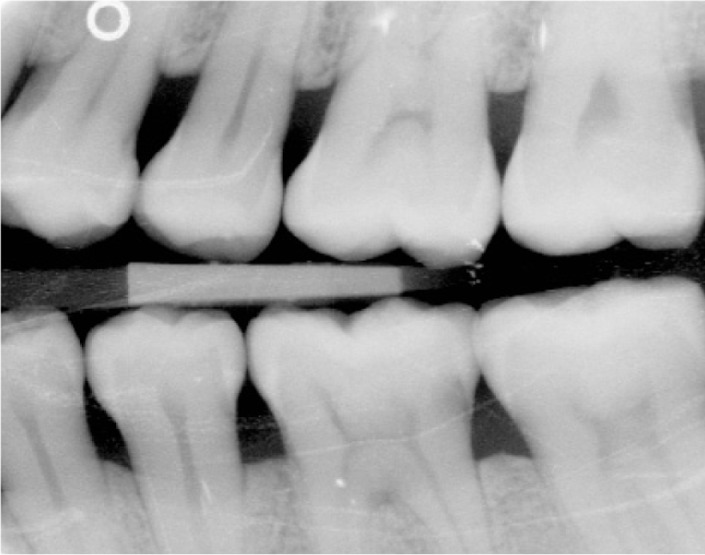
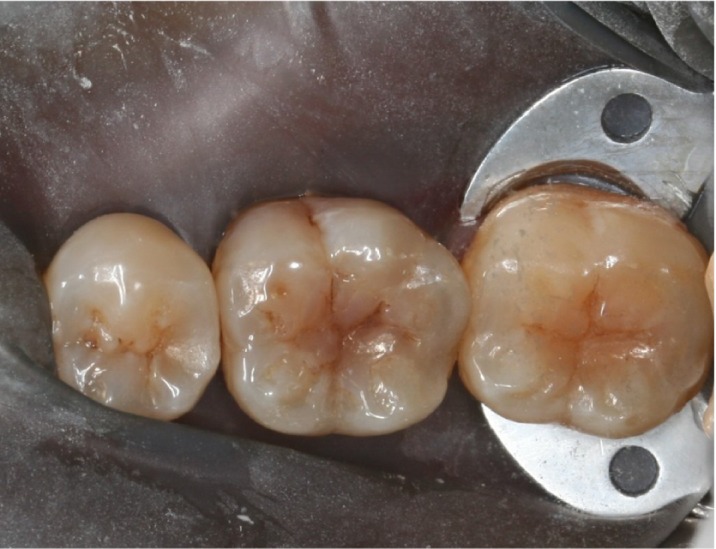
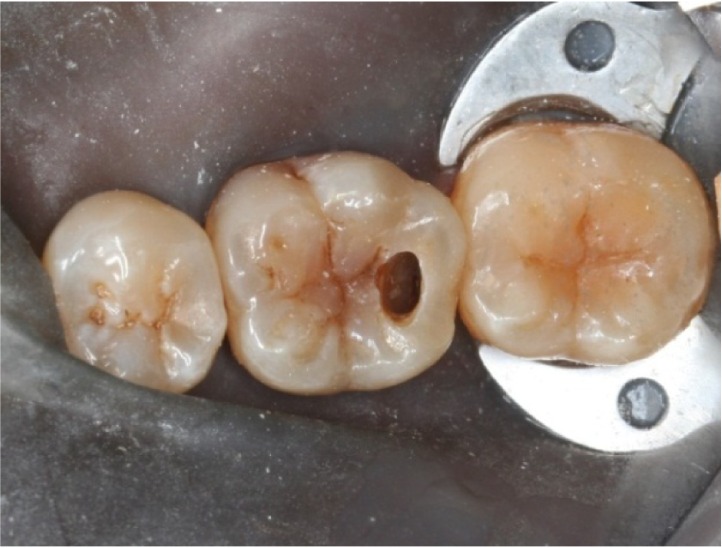
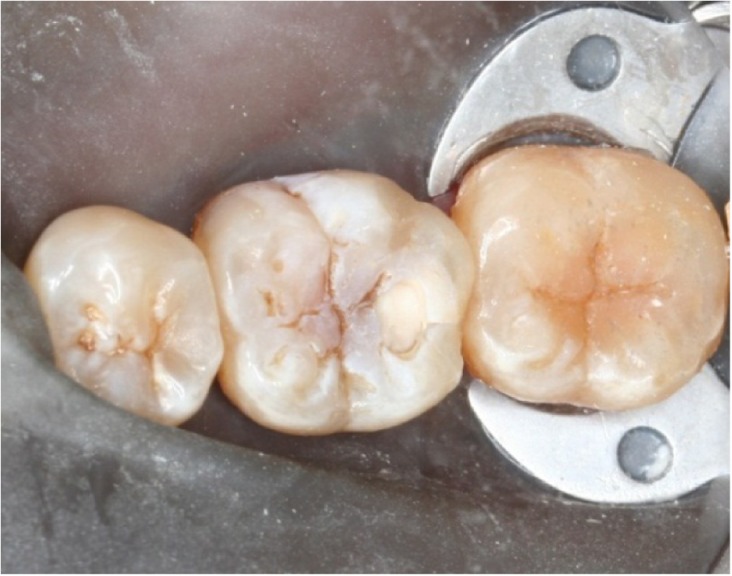
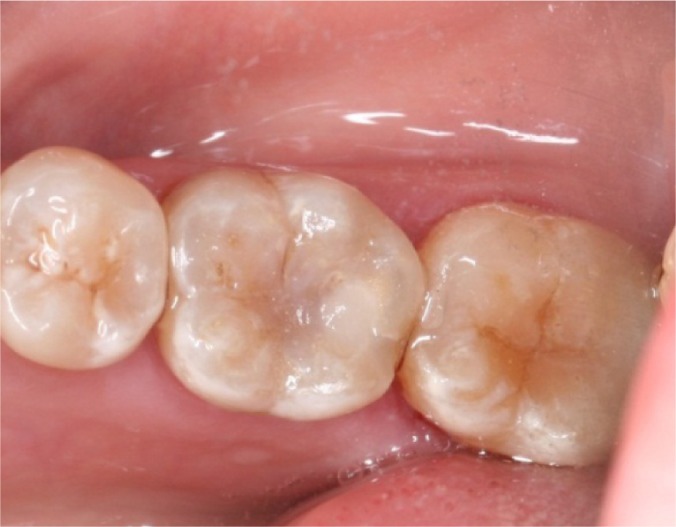
The tunnel restoration has been suggested as a conservative alternative to the conventional box preparation for treating proximal caries. The main advantage of tunnel restoration over the conventional box or slot preparation includes being more conservative and increasing tooth integrity and strength by preserving the marginal ridge. However, tunnel restoration is technique-sensitive and can be particularly challenging for inexperienced restorative dentists. Recent advances in technology, such as the contemporary design of dental handpieces with advanced light-emitting diode (LED) and handheld comfort, offer operative dentists better vision, illumination, and maneuverability. The use of magnifying loupes also enhances the visibility of the preparation. The advent of digital radiographic imaging has improved dental imaging and reduced radiation. The new generation of restorative materials has improved mechanical properties. Tunnel restoration can be an option to restore proximal caries if the dentist performs proper case selection and pays attention to the details of the restorative procedures. This paper describes the clinical technique of tunnel restoration and reviews the studies of tunnel restorations.
对于治疗邻面龋,窝沟修复已被提议作为传统盒状预备的一种保守替代方法。窝沟修复相对于传统盒状或槽状预备的主要优点包括更加保守,并且通过保留边缘嵴来增强牙齿的完整性和强度。然而,窝沟修复对技术要求较高,对于经验不足的修复牙医来说可能尤其具有挑战性。技术上的最新进展,如具有先进发光二极管(LED)和手持舒适度的现代牙科手机设计,为手术牙医提供了更好的视野、照明和可操作性。使用放大 loupes 也提高了预备的可视性。数字放射成像的出现改善了牙科成像并减少了辐射。新一代修复材料改善了机械性能。如果牙医进行适当的病例选择并注意修复程序的细节,窝沟修复可以作为修复邻面龋的一种选择。本文描述了窝沟修复的临床技术并回顾了窝沟修复的研究。